The Shadow Work – Facing the Monsters We’ve Projected Onto Others
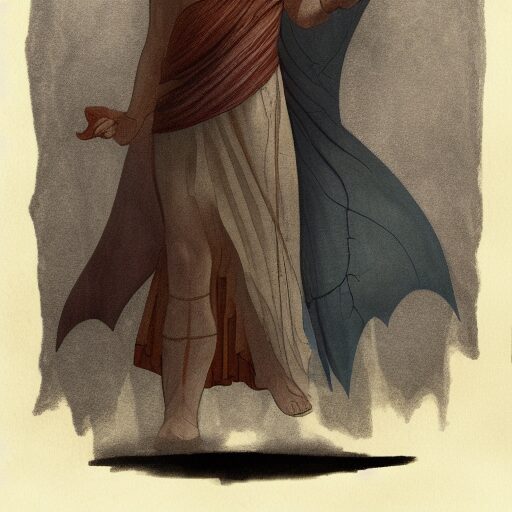
In mythology, the concept of the shadow has been explored by Carl Jung and various other psychologists and philosophers. It refers to the repressed or hidden aspects of our personalities that we do not want others to see.
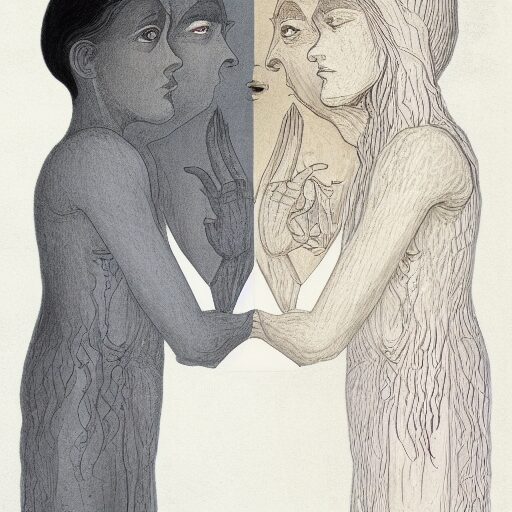
- What is the Shadow? In essence, it represents the parts of ourselves that are unacceptable or embarrassing, which we try to hide from others by projecting them onto people around us. This can include our darker impulses, repressed desires, and hidden fears.
“Everyone carries a shadow,” Jung wrote in his book ‘Man and His Symbols’. “The less the ego is developed, the blacker the shadow is.” – Carl Jung
In many cases, we may not even realize that we are projecting our own insecurities or fears onto others. This can lead to misunderstandings, miscommunications, and even conflicts in personal and professional relationships.
- Why Do We Project? There are several reasons why we might project our shadows onto others:
- The desire for self-protection – we may fear being seen as weak, vulnerable, or imperfect if others know our true selves.
- A need to control or manipulate others – by projecting our own flaws onto someone else, we can feel more powerful and in control.
- A way to avoid self-reflection – facing our own flaws and shortcomings can be uncomfortable, so we might instead project them onto someone else.
So, how do we face the monsters we’ve projected onto others? It requires a combination of self-awareness, empathy, and emotional intelligence:
- Self-Awareness**: Recognize when you are projecting your own fears or insecurities onto someone else.
- Empathy: Try to see things from the other person’s perspective – what might be going on in their life that is causing them to react a certain way?
- Emotional Intelligence**: Be able to recognize and manage your own emotions, rather than letting them control you.
When we can face our shadows, it opens the door for personal growth, deeper connections with others, and a greater sense of understanding and compassion.
References:
Image: “Shadow” by Tavo Verhoef on Unsplash