Tag: self

  • The Searchlight Soul: Illuminating the Self Through Art

    The Searchlight Soul: Illuminating the Self Through Art

    In our ever-evolving pursuit of self-discovery, art remains a guiding beacon, illuminating the shadowy corridors of the human psyche. The more we endeavor to understand who we are, the more evident it becomes that art, in all its forms, serves as a vital mirror reflecting the depths of the soul. Not only does it shine a light on our innermost thoughts and emotions, but it also offers a path towards transformative healing and profound insight.

    The Historical Luminance of Art

    The history of art illustrates humanity’s perennial quest for self-understanding and transcendence. Art since primordial times has been a vehicle for expression and communication. From the cave paintings of Lascaux to Da Vinci’s studies of human anatomy, art has documented human evolution not just in a physiological sense but, perhaps more significantly, in terms of consciousness and self-awareness.

    “Art is a reflection of the deepest human needs to understand the world we live in.” – Metropolitan Museum of Art

    This profound capacity of art to reflect and challenge our understanding of ourselves has been evidenced through various epochs. Consider the Renaissance, which saw an explosion of creativity driven by a renewed interest in humanism and individuality, or the reflections of modern art challenging the conventions of society and self-identity.

    Art as a Therapeutic Searchlight

    Increasingly acknowledged for its psychological benefits, art offers a therapeutic entrance into the self. This practice is often referred to as art therapy, a method that encourages individuals to express their experiences and emotions through creative expression. As a tool for mental wellness, art therapy helps one navigate the spaces of emotional complexity and psychological trauma.

    “The creative process involved in artistic self-expression helps people resolve conflicts and problems, develop interpersonal skills, manage behavior, reduce

  • Wandering Without Shadow – Dissolving the Self in Nature

    Wandering Without Shadow – Dissolving the Self in Nature

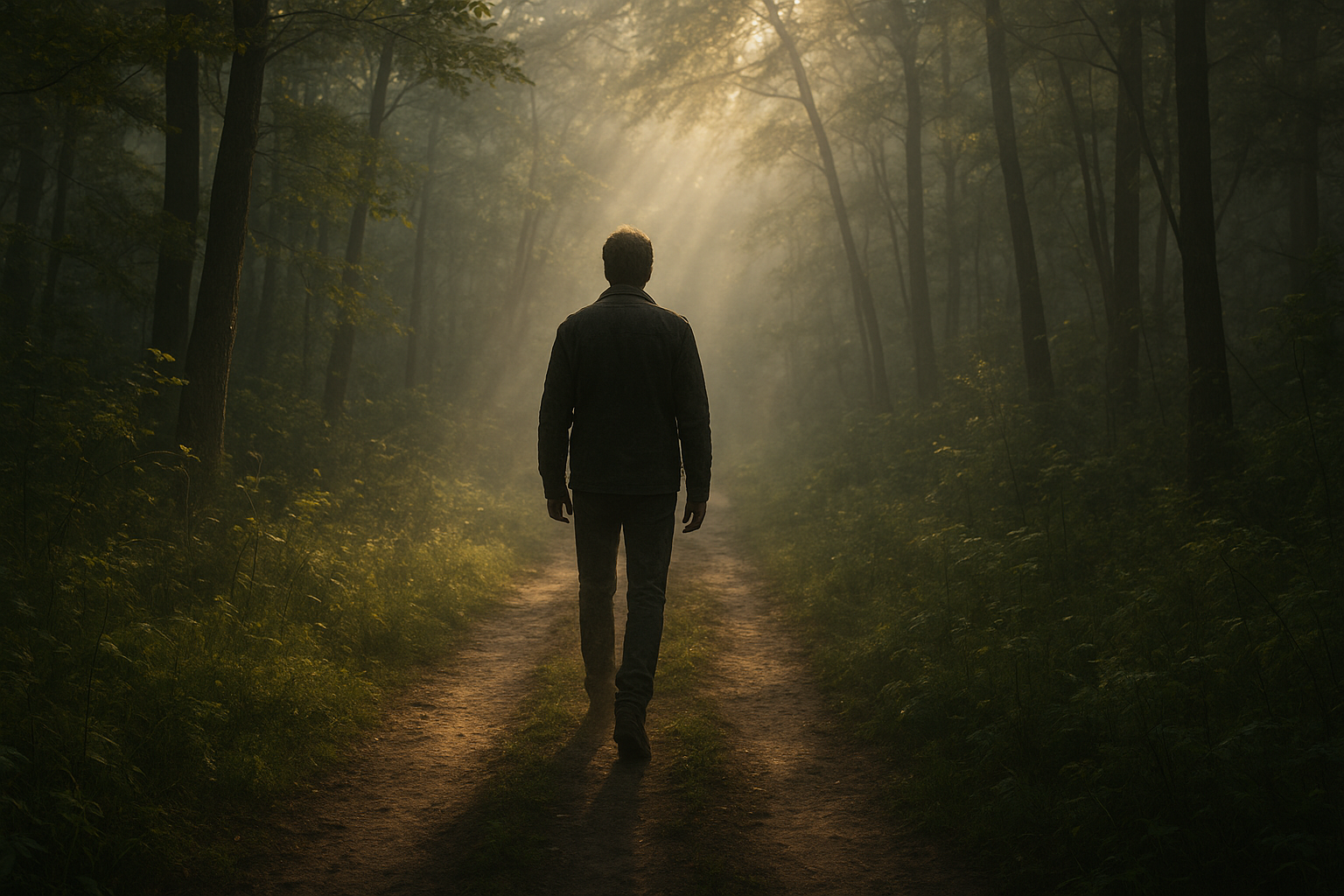
    In the dance between earth and sky, where the soul finds solace in its most unadulterated form, there lies a path laden with serenity and renewal. The practice of wandering without shadow, an ancient pursuit of dissolving the self into the essence of nature, invites us to shed the burdens of individuality and embrace unity with the universe. This journey is not one of isolation, but of profound connection.

    The Concept of Dissolution

    The idea of losing oneself in nature is not new. It finds resonance in many spiritual and philosophical traditions. The Daoist sage Lao Tzu revered the simplicity and profundity of nature, asserting that we can find tranquility by aligning with its eternal rhythms. “Nature does not hurry, yet everything is accomplished,” he said, capturing the essence of silent wisdom found in the natural world (source).

    Embarking on the Journey

    Embracing nature as a means to dissolve the ego involves several practices:

    • Mindful Walking: As Thoreau once mused, “An early-morning walk is a blessing for the whole day.” Walking mindfully invites us to experience each step with acute awareness, to feel the earth beneath our feet, and to breathe in harmony with our surroundings.
    • Silent Reflection: Spending time in silence amidst nature allows us to listen to the symphony of the wild—the rustling leaves, the chirping birds, and the whispering winds.
    • Grounding Practices: Simple techniques such as barefoot walking or lying on grass can create a conductive bond with the earth, enhancing our energetic connection and providing a sense of rootedness.

    The Transformational Impact

    When we surrender our individual selves and merge with the boundless beauty of nature, we embark on a transformative journey. This dissolution fosters a sense of peace and belonging, reminding us of our integral role in the cosmic tapestry.

    “In every walk with nature one receives far more than he seeks.”

    Ultimately, wandering without shadow is an invitation to transcend the confines of self-imposed limitations and to immerse oneself in the infinite mystery and majesty of the natural world. As we fade into the tranquility of the wilderness, we discover that we are, indeed, both the seeker and the destination.

  • The Way of Forgetting – Losing the Self to Find the Source

    The Way of Forgetting – Losing the Self to Find the Source

    The Way of Forgetting: Losing the Self to Find the Source

    In an age where self-realization often takes center stage, the paradoxical journey of self-forgetting can appear both bewildering and counterintuitive. Yet, for those seeking a deeper connection with the universe, this path might hold the key to uncovering an inner source of wisdom and peace.

    The Paradox of Self-Forgetting

    Self-forgetting does not suggest amnesia or neglect of identity. Instead, it alludes to a transcendence over conventional self-boundaries. By losing oneself, one allows for an encounter with a broader, more profound reality. As the spiritual teacher Eckhart Tolle articulates, “To realize that you are not your thoughts is when you begin to awaken spiritually.” By stepping outside of the self, one opens to the richness of existence beyond personal consciousness.[Source]

    Mythological Narratives and Symbolic Loss

    Throughout human history, myths have encapsulated this journey toward the Source. In many traditions, the hero’s journey involves a symbolic death—a shedding of previous identities. Joseph Campbell’s concept of the monomyth highlights this transition as a critical stage in the hero’s adventure, where the protagonist must abandon prior identities to achieve spiritual enlightenment. As Campbell wrote in The Hero with a Thousand Faces, “The hero ventures forth from the world of common day into a region of supernatural wonder: fabulous forces are there encountered and a decisive victory is won: the hero comes back from this mysterious adventure with the power to bestow boons on his fellow man.”[Source]

    The Zen Approach to Forgetting the Self

    In Zen Buddhism, the practice of self-forgetting is not merely theoretical but an experiential pursuit engrained in zazen (sitting meditation). The Zen master Shunryu Suzuki emphasized this practice as a means of aligning with the rhythm of the universe. “When you forget all your dualistic ideas, everything becomes your teacher, Buddha, or God,” he stated. Through the discipline of forgetting the self, practitioners often report feeling a profound interconnectedness with all life.[Source]

    “To be awake is to be alive.” – Henry David Thoreau

    These words by Thoreau encourage us to awaken to a life lived beyond self-limiting narratives. It’s in the forgetting, not the clinging to identity, that one realizes their true place in the cosmos.

    The Neuroscience Perspective

    From a scientific standpoint, the brain’s default mode network is typically active during self-referential thought. However, meditation practices aimed at reducing this activity can lead to the dissolution of ego-centric thought patterns. A study published in the journal Social Cognitive and Affective Neuroscience indicated that experienced meditators showed substantial decreases in default mode activity, correlating with feelings of selflessness and contentment.[Source]

    Practical Steps to Embrace Forgetting

    • Meditation: Cultivate a daily practice focused on breath and presence. Allow thoughts to dissipate and ground yourself in the now.
    • Mindfull Walking: Engage in mindful walking to synchronize the body and mind with the rhythm of nature.
    • Letting Go of Labels: Notice the tendency to label experiences and people. Release these labels to see the world as it is, free from preconceptions.
    • Service to Others: Engage in selfless acts. By shifting focus from self to others, one can experience unity and compassion.

    Conclusion: Realizing the Source

    The journey of self-forgetting is not about losing oneself into oblivion but about finding a more significant, universal connection. Through the lens of spiritual traditions, personal practices, and scientific insights, we see a compelling case for this path. It is a journey inward, towards the Source—a journey that ultimately leads to the discovery of one’s authentic, boundless nature.

    In the end, by losing oneself, not only does one find a sense of peace and wholeness, but also the profound realization of interconnectedness—a reminder that in the grand tapestry of existence, no thread is ever truly lost.

  • Rewilding the Self

    Rewilding the Self

    Rewilding the Self: A Journey Back to Nature

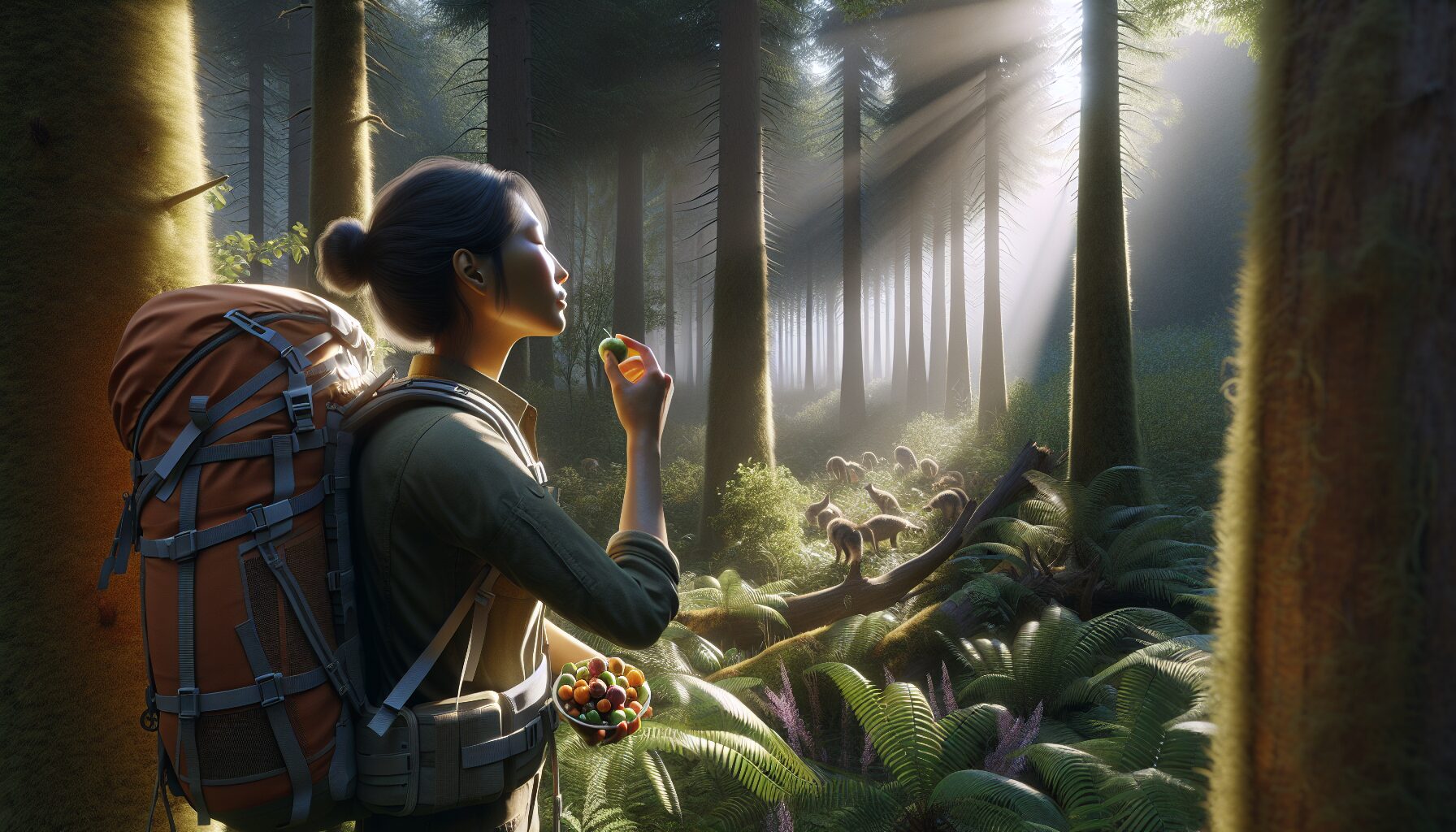
    In an age dominated by urban landscapes and digital interactions, the concept of rewilding offers a refreshing return to nature, both ecologically and personally. While traditionally associated with environmental conservation, rewilding the self is a transformative journey focusing on restoring human connection with the natural world. This article explores the philosophical and practical dimensions of rewilding oneself in the modern age.

    The Origin and Philosophy of Rewilding

    The term “rewilding” initially gained traction in the ecological sphere, promoting the restoration of wilderness areas and biodiversity. According to Nature, rewilding efforts aim to “restore natural processes and reestablish food chains.” This restorative approach acknowledges that ecosystems flourish when they operate without excessive human interference.

    However, beyond its environmental implications, rewilding has evolved into a personal ethos. It suggests that just as ecosystems thrive through rewilding, so too can individuals find balance and vitality by reconnecting with nature.

    Why Rewilding the Self Matters

    Modern life is often characterized by its distance from nature. Studies such as one published in The Journal of Environmental Psychology highlight that increased urbanization and technology use have led to a “nature deficit,” affecting mental health and well-being.

    Carl Jung, the renowned Swiss psychiatrist, once stated, “Nature has a curious way of removing inner complexities, as a surgeon removes bulky, superfluous iron from the body, leaving behind the purest form of being.” This sentiment underscores the psychological benefits of immersing oneself in nature and simplifying life to its essentials.

    Practical Steps to Rewilding the Self

    Rewilding the self doesn’t necessarily mean forgoing modern conveniences. Instead, it’s about integrating nature more intentionally into our daily lives:

    • Engage in Nature-Based Activities: Join groups that focus on hiking, gardening, or birdwatching. Participating in these activities not only enhances appreciation for the environment but also offers a community of like-minded individuals.
    • Adopt Mindfulness Practices in Nature: Activities like forest bathing (shinrin-yoku) focus on slowing down and being present in nature. According to Global Wellbeing Institute, forest bathing can improve mood, reduce stress, and enhance overall well-being.
    • Reduce Digital Consumption: Allocate technology-free periods throughout the day to explore local parks or simply sit in a backyard and observe natural surroundings.
    • Implement Nature-Based Learning: If you have children, encourage them to learn through natural experiences, whether by exploring nearby trails or observing insects in the garden.

    The Psychological Impact of Rewilding

    The psychological benefits of rewilding the self are well-documented. A study published in Environmental Psychology indicates that individuals who engage regularly with natural environments report increased creativity, improved mood, and heightened spiritual connectivity. Nature’s rhythms and cycles offer a profound sense of grounding.

    “What is a human being without roots in the earth? What genes can bioengineer the symmetry of a snowflake or replace the solace found in a canopy of trees?” – Richard Louv, Last Child in the Woods

    This connection to nature invokes a reassessment of one’s place in the vastness of the world, encouraging introspection and a deeper understanding of oneself.

    The Social and Environmental Benefits

    Rewilding the self is also a socially and environmentally conscious act. By reconnecting with nature, individuals often become more mindful of ecological impacts and the need for sustainable living. This awareness fosters behaviors such as reducing consumption, supporting conservation efforts, and advocating for policies that protect natural habitats.

    • Community Involvement: Participation in local conservation projects or community gardens can strengthen social bonds and reinforce the importance of a shared commitment to nurturing the environment.
    • Lifestyle Changes: Adopting a more sustainable lifestyle by reducing waste, recycling, or even using renewable energy sources directly impacts the health of the planet.

    Challenges and Considerations

    Rewilding the self is not without its challenges. Modern life, with its demands and distractions, often prioritizes efficiency over tranquility. It requires conscious decision-making to step outside the confines of habitual patterns and actively pursue a natural, slower-paced lifestyle.

    Moreover, issues of accessibility can arise. Urban environments may lack green spaces, forcing individuals to travel to connect with nature, which can pose logistical and economic barriers.

    Conclusion

    In conclusion, rewilding the self is a deeply personal journey that resonates differently with each individual. Its practice encompasses fostering relationships not only within nature but also within oneself. As Richard Louv keenly observed the importance of nature in our lives, it becomes evident that as we open ourselves to rewilding, we embrace a balance often missing in fast-paced modern existence. By doing so, we not only contribute to our own well-being but also become stewards of the natural world, ensuring that such splendor endures for future generations.

    Ultimately, rewilding is an invitation to disengage from a singular, urban focus and to rediscover what it means to be human in harmony with the Earth.