
Tag: secular

  • Sacred Stories in a Secular World – Myth after belief

    Sacred Stories in a Secular World – Myth after belief

    In a world that increasingly embraces secularism, the role of sacred stories—myths, legends, and religious narratives—seems to transform. Although fewer people today might adhere to these stories as literal truths, their cultural and psychological significance remains undeniable. As Joseph Campbell, the renowned mythologist, famously said,

    “Myths are public dreams, dreams are private myths.”

    This statement underscores the intertwined nature of societal narratives and individual consciousness.

    The Evolution of Myth

    Myths once served as the foundation for understanding the cosmos and humanity’s place within it. Ancient myths provided explanations for the inexplicable, painting narratives that articulated the morals, values, and existential queries of societies long past. In a more secular context, however, these stories are often scrutinized through the lens of history and science. Does this mean that the age of myth is over, or has it simply evolved?

    Modern Usage and Interpretation

    Today, myths are often reimagined through literature, film, and art. Our modern stories, from superhero sagas to science fiction epics, echo the themes found in ancient tales—good versus evil, the hero’s journey, and the quest for identity. Christopher Vogler, in his work The Writer’s Journey: Mythic Structure For Writers, adapts Campbell’s ideas to the craft of storytelling, illustrating how these timeless patterns continue to captivate audiences.

    • Superhero Films: Characters like Superman and Wonder Woman resonate as modern demigods, embodying the attributes and contradictions that myths traditionally explore.
    • Fantasy Literature: Series such as The Lord of the Rings and Harry Potter draw heavily on mythical archetypes, reviving ancient motifs within contemporary contexts.

    Myth’s Enduring Power

    Despite the dominance of secularism, myths provide more than just entertainment. They play a crucial role in offering moral guidance and fostering community identity. By engaging with these stories, individuals explore complex themes such as morality, sacrifice, and transformation—all vital aspects of the human experience.

    James Hillman, a pioneering psychologist, once noted,

    “We need to think mythologically, to perceive the world in an archetypal way, to experience myth and all that it teaches about being truly human.”

    This approach suggests that even in a secular world, myths can offer profound insights into our shared humanity.

    The continuing impact of these sacred stories demonstrates that while belief systems may change, the human need to find meaning and connection through narrative remains as compelling as ever.
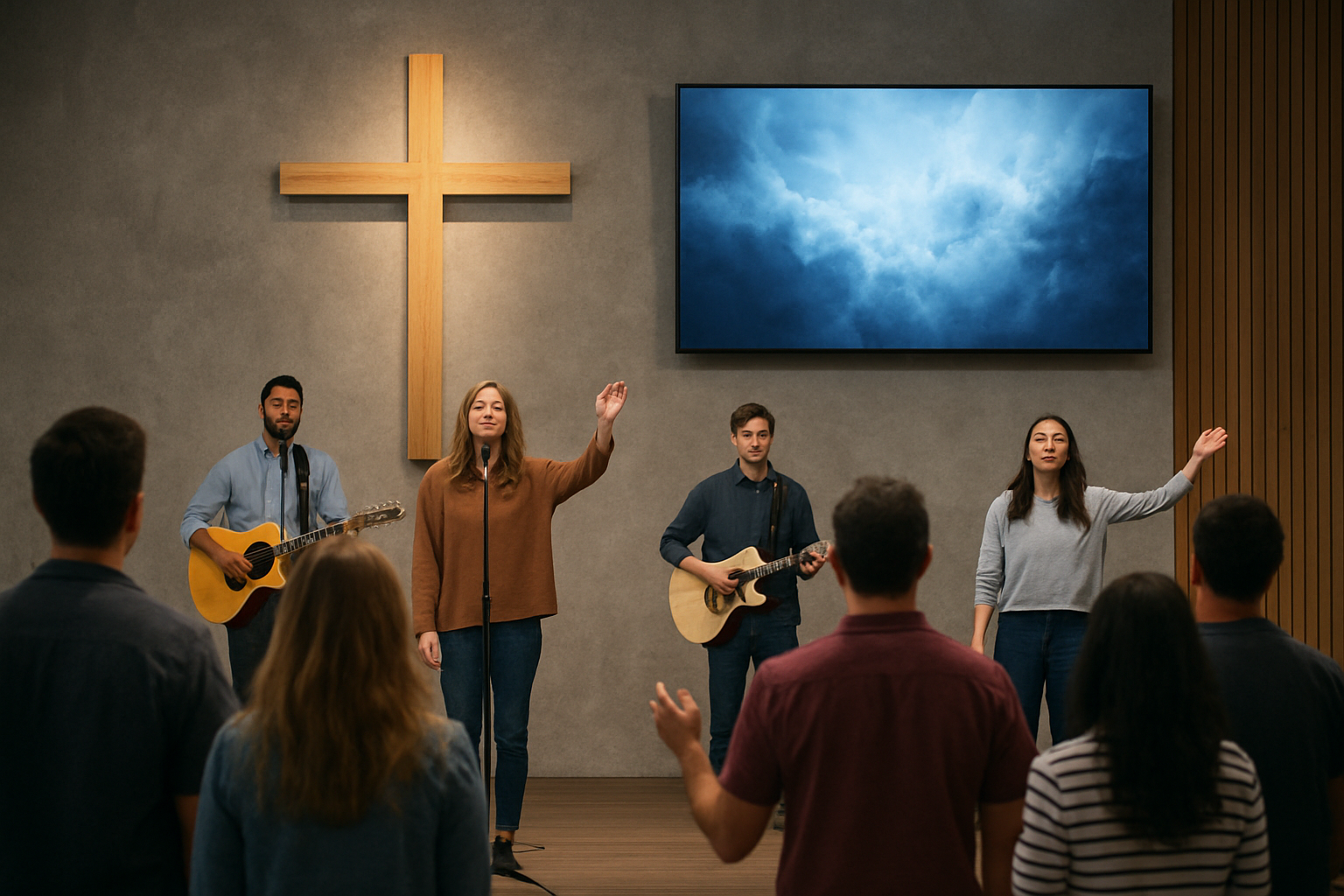
  • The Sacred and the Screen: Modern Worship in a Secular World

    The Sacred and the Screen: Modern Worship in a Secular World

    In the bustling backdrop of our modern secular world, the notion of worship takes on new forms and finds new venues, often intersecting with the digital screens that have come to dominate our lives. As traditional religious practices vie for attention with captivating digital media, the sacred finds itself intertwined with the digital realm.

    The New Sacred Spaces

    The digital age has brought forth innovative ways to engage in spiritual practices, particularly as global events and societal shifts challenge traditional gatherings. Online worship offers a sense of community without the constraints of geographical boundaries. As one study notes, “Virtual spaces allow believers to gather for worship, prayer, and study, overcoming limitations of physical space and time.” [ResearchGate]

    • Virtual Congregations: Platforms like Zoom and Facebook Live have become new locales for worship, fostering a connection that transcends the physical domain.
    • Social Media Sermons: Spiritual leaders are increasingly utilizing Twitter, Instagram, and TikTok to share messages, providing inspiration and guidance in easily digestible formats.

    A Blurring of the Secular and the Sacred

    The blending of sacred traditions with modern technology raises compelling questions about the nature of sacred practices in a secular age. Digital tools don’t just serve as vessels but actively reshape religious experiences. According to Richard Cimino, a researcher of religion in the digital world,

    “Online worship has the potential to democratize religious authority, giving rise to new voices and interpretations.”

    [Taylor & Francis]

    • Podcasts and Apps: From meditative apps like Calm to religious podcasts that dive deep into theology, digital tools cater to personal spiritual journeys.
    • Interactive Devotionals: Websites and apps offer daily reflections, allowing individuals to engage with spirituality amidst their daily routine.

    Challenges Ahead

    Despite the blessings of digital spaces, they present significant challenges. The risk of losing intimacy and authenticity looms large, as does the potential for digital burnout. Balancing screen time with the need for genuine connection remains a critical task for modern believers.

    As we navigate these digital waters, it is imperative for spiritual seekers to critically engage with these tools, using them as means to enhance, not replace, tradition. In the paradox of modern worship, it is clear that while screens dominate our secular world, they can, with discernment, become portals to the sacred.