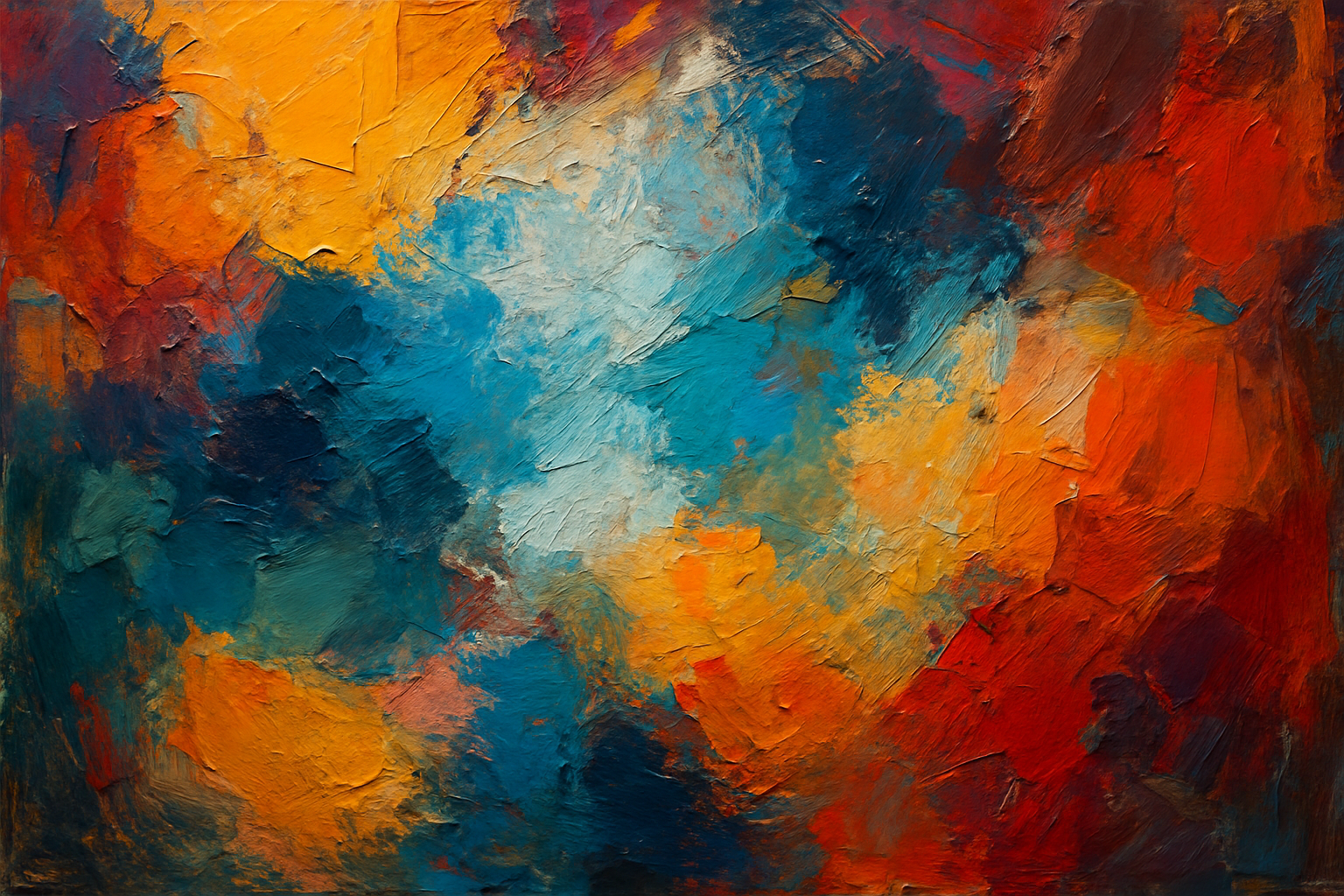
Abstract art, with its roots in the early 20th century, continues to captivate and provoke, challenging our ideas about reality and the role of art in society. While some critics may question its relevance in our contemporary world, abstract art persists, demanding both critical and emotional engagement from viewers. But why does abstract art still matter today?
The Historical Significance of Abstract Art
Abstract art emerged as a radical departure from traditional representation. Artists like Wassily Kandinsky, Piet Mondrian, and Kazimir Malevich sought to convey ideas and emotions without depicting the physical world directly. As Tate Modern describes, abstract art “uses a visual language of shape, form, color, and line to create a composition which may exist with a degree of independence from visual references in the world.”
The significance of this shift cannot be overstated. It represented a break from centuries of art history that celebrated realistic portrayal and paved the way for new ways of thinking about what art could be. Mark Rothko once expressed that “a painting is not a picture of an experience, but is the experience.” This perspective elevated art from mere representation to an embodied experience.
Abstract Art as a Medium of Expression
One reason abstract art remains important is its capacity for personal expression. Unlike representational art, which often aims to depict the material world, abstract art can convey more complex ideas and emotions. As Jackson Pollock famously stated, “I have no fear of making changes, destroying the image, because the painting has a life of its own.” This dynamic process allows abstract artists to explore the unconscious and communicate on a deeply personal level.
The Impact on Contemporary Art
The influence of early abstract art on contemporary artists is indisputable. Modern artists continue to explore abstraction in new ways, utilizing advanced technology and media to push boundaries further. As noted in the Museum of Modern Art collections, artists like Gerhard Richter and Agnes Martin have expanded on the principles of abstraction to explore themes of perception and reality.
Richter once said, “I pursue no objectives, no system, no tendency; I have no program, no style, no direction. I have no time for specialized concerns, working themes, or variations that lead to mastery.” This philosophy highlights the enduring appeal of abstract art: its rejection of conventions and embrace of the uncertainties of expression.
The Role in Societal Reflection and Change
Abstract art also plays a critical role in reflecting and responding to societal changes. In periods of political turmoil or cultural shifts, abstract forms can articulate collective anxieties and hopes. The Black Arts Movement of the 1960s, for instance, saw artists using abstraction to address themes of identity and empowerment.
This tradition continues today as artists such as Julie Mehretu challenge notions of geography, history, and politics through complex abstract works. Mehretu’s layered paintings encapsulate the chaos and interconnectedness of the modern world, asking viewers to engage with pressing global issues.
Emotional Resonance
Despite its often intellectual underpinnings, abstract art resonates on an emotional level. As Rothko noted, “Art to me is an anecdote of the spirit, and the only means of making concrete the purpose of its varied quickness and stillness.” This emotional depth invites viewers to connect with art in a visceral way, accessing feelings that might not be accessible through logical discourse or representational imagery.
Conclusion
Abstract art remains a powerful force within the art world and beyond because it challenges, provokes, and inspires. It defies easy interpretation, pushing viewers to contemplate not only what they see but how they feel. As society continues to evolve, abstract art serves as both a mirror and a questioner, encouraging us to reconsider the boundaries of reality and the possibilities of human expression.
In a world increasingly driven by data and realism, abstract art offers a necessary counterbalance: a reminder of the unquantifiable elements of human experience. As such, it remains as vital and relevant today as it was a century ago.