Tag: rhythm

  • Beyond the Beat: Exploring Polyrhythms in Music and Movement

    Beyond the Beat: Exploring Polyrhythms in Music and Movement

    Music is a universal language, one that expresses emotions and tells stories without uttering a single word. Within this tapestry, polyrhythms serve as a rich, complex pattern of interweaving beats, enchanting listeners and dancers alike. These intricate rhythms are not merely an auditory experience but a powerful form of movement and expression.

    Understanding Polyrhythms: The Foundation

    At its core, a polyrhythm is the simultaneous combination of two or more contrasting rhythms. Originating from African musical traditions, it involves layers of rhythm not typically found in Western music, which generally relies on straightforward time signatures like 4/4 or 3/4. The magic of polyrhythms lies in their ability to blend these differing time signatures, creating a multi-layered rhythmic structure.

    “Polyrhythms can be like a conversation between different parts of yourself,” says Grammy Award-winning musician Herbie Hancock. (Source: Jazzfuel)

    The Cultural Significance

    Polyrhythms are deeply embedded in many cultures’ musical histories. In West African drumming, polyrhythms are foundational, often underpinning dances and rituals. Similarly, in Afro-Cuban and Latin music, they have played a pivotal role, influencing genres such as salsa and samba. Each culture brings its own flavor and traditions, contributing to the evolution of polyrhythmic music.

    Polyrhythms in Modern Music

    Modern composers and musicians have increasingly embraced polyrhythms, incorporating them into various music genres. Jazz, with its inherent experimental nature, frequently explores polyrhythmic and polymetric patterns. Artists such as John Coltrane and Steve Reich often delve into these complex structures, creating compositions that challenge and inspire.

    Steve Reich, a pioneer of minimal music, emphasizes, “It’s important to be aware of how different musicians feel time differently.” (Source: The Guardian)

    The Dance Connection

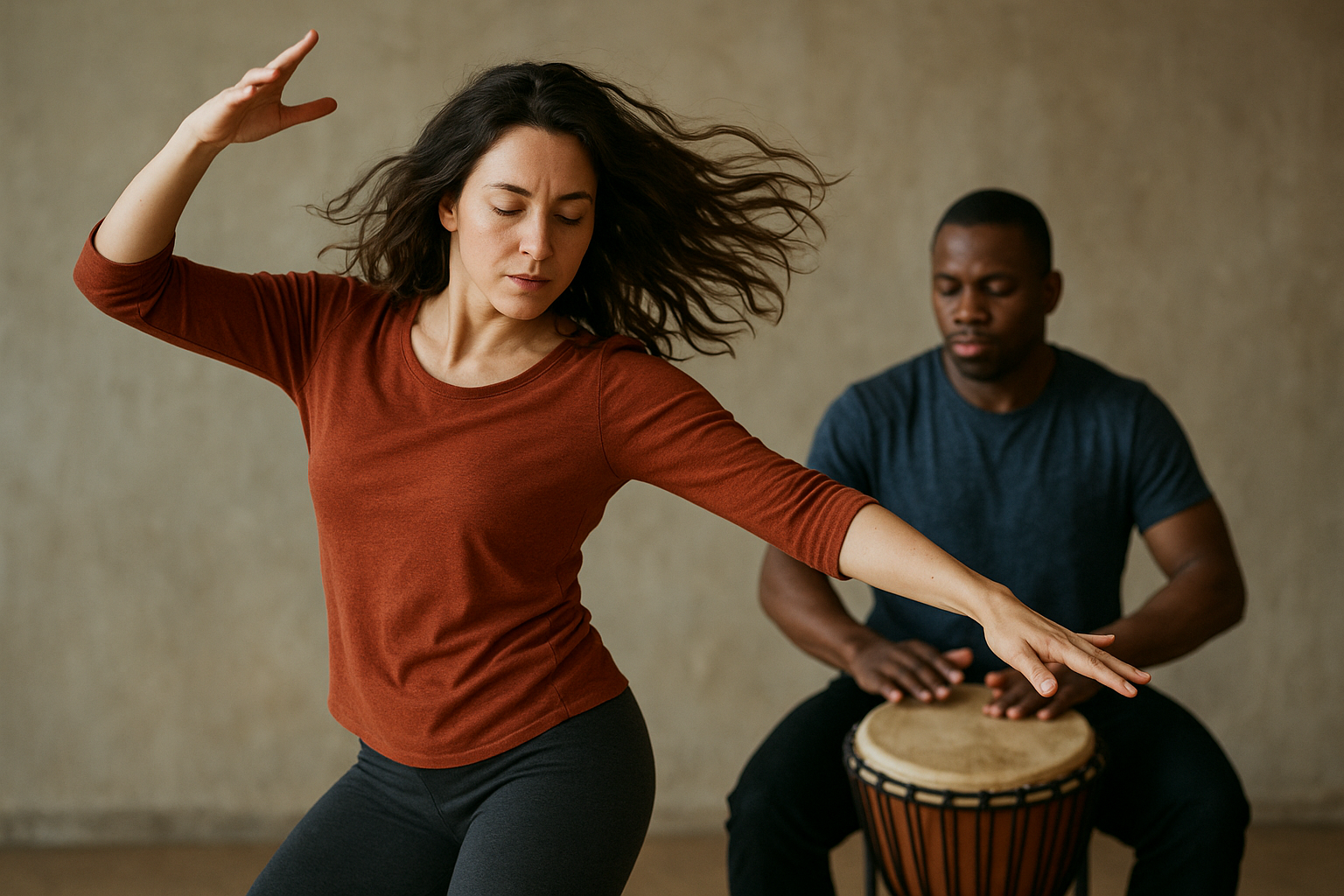
    Polyrhythms are not just heard but also felt. In dance, they challenge performers to recognize and respond to differing beats simultaneously, enriching the expressive potential of movement. Contemporary dance companies are increasingly drawing upon polyrhythmic music to choreograph pieces that captivate audiences and broaden the definition of rhythm in dance.

    A Rhythm of Life

    As musicians and dancers continue to explore beyond traditional Western musical confines, the use of polyrhythms opens up new avenues of creative expression. By daring to go beyond the beat, artists create immersive experiences that resonate with the complexity and diversity of the human spirit.

    For more on the role of polyrhythms in music, visit MusicRadar.