Tag: reduce

  • Thought Pollution and How to Reduce It

    Thought Pollution and How to Reduce It


    Thought Pollution and How to Reduce It

    Thought Pollution and How to Reduce It

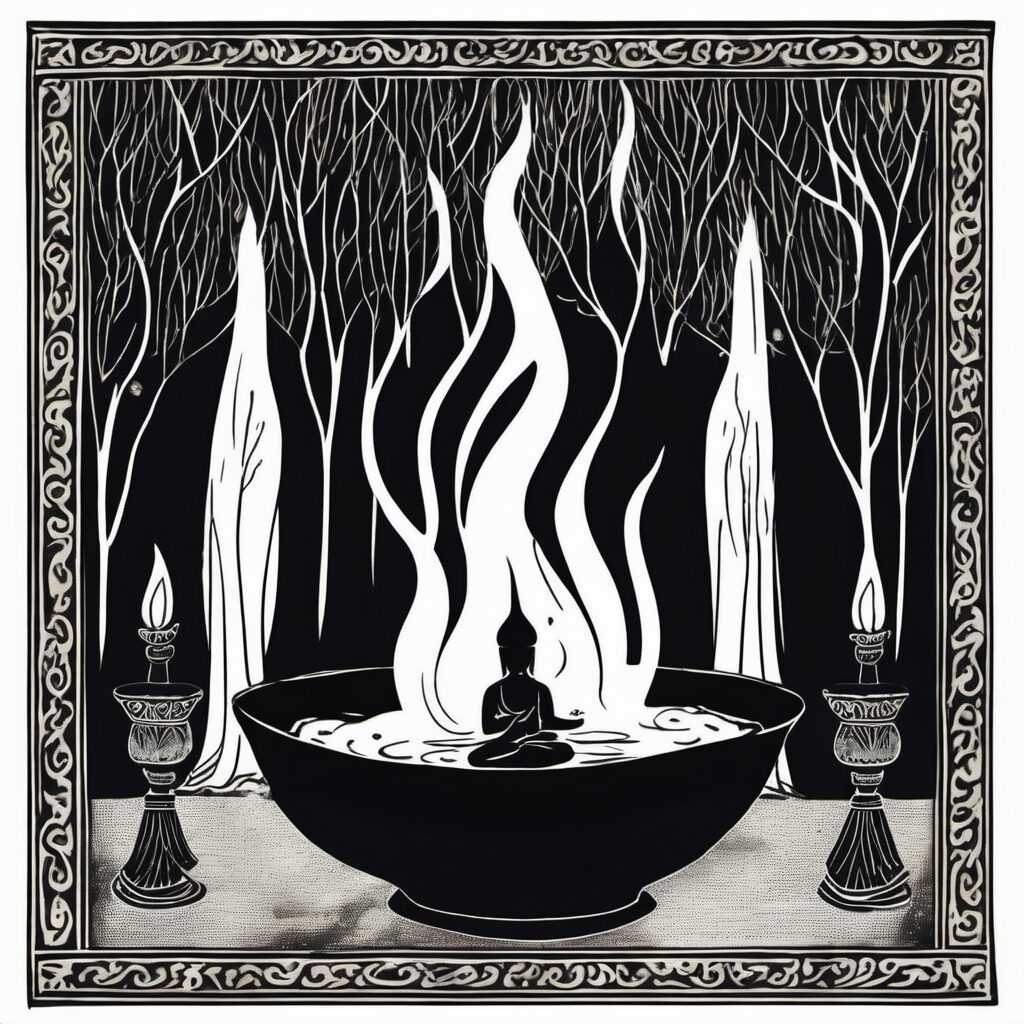
    In the realm of ancient Greek mythology, pollution was a concept that encompassed more than just physical dirt. The term ‘thought pollution’ has been adapted to denote the contamination of one’s mind with negative or harmful thoughts.

    “Just as our bodies can be polluted by impure food and drink, so too can our minds be polluted by unhealthy thoughts.”
    – Ancient Greek Philosophers

    Identifying Thought Pollution

    • Critical Self-Reflection: Regularly examining your thoughts can help identify patterns of negativity.
    • Awareness: Being mindful of the thoughts that consume your attention is crucial in combating thought pollution.

    Reducing Thought Pollution

    To reduce thought pollution, it’s essential to cultivate positive thoughts and practice mental hygiene. Some methods include:

    • Mindfulness Meditation: This technique helps train the mind to focus on the present moment and let go of negative thoughts.
    • Positive Affirmations: Repeating positive affirmations can counteract harmful self-talk and encourage a more optimistic outlook.

    “As within, so without. As the outer is, such is the inner.”
    – Hermes Trismegistus

    Seeking Balance and Harmony

    Ultimately, reducing thought pollution leads to a more balanced and harmonious mind. Embrace the wisdom of ancient mythology and cultivate mental well-being for a healthier life.


  • Walking as a Form of Therapy

    Walking as a Form of Therapy


    Walking as a Form of Therapy: Ancient Wisdom and Modern Practice

    Walking as a Form of Therapy: Ancient Wisdom and Modern Practice

    “Walking is man’s best medicine.” – Hippocrates

    This ancient quote by the father of modern medicine, Hippocrates, still holds true today as walking has emerged as an effective form of therapy for both physical and mental well-being.

    The Ancient Connection

    • Greek Philosophers: Aristotle advocated physical exercise, including walking, as a means to promote health and clear the mind.
    • Romans: The Roman philosopher Seneca believed that walking was an excellent way to think and find solutions to problems.

    Modern Evidence

    Science has validated these ancient beliefs, demonstrating that walking can:

    • Improve Mental Health: Walking regularly can help reduce symptoms of anxiety and depression.
    • Boost Cognitive Function: Walking stimulates the brain, enhancing memory and problem-solving skills.
    • Promote Physical Fitness: Regular walking can contribute to weight loss and reduce the risk of chronic diseases like heart disease and diabetes.

    Walking as a Modern Therapy

    “Nature is a therapist.” – Frank Lloyd Wright

    Modern therapy practices often incorporate walking in nature, known as ecotherapy or green exercise. Studies have shown that this practice can significantly improve mood and reduce stress levels.

    So, lace up your shoes, step outside, and follow the footsteps of ancient philosophers for a therapeutic walk through nature.