Tag: present

  • The Art of Letting Go: Improvisation as Spiritual Discipline

    The Art of Letting Go: Improvisation as Spiritual Discipline

    In a world that often demands control, precision, and certainty, the practice of letting go can feel both foreign and daunting. Yet, this very act of release — of improvisation — has found its role as a transformative spiritual discipline. It challenges us to trust the unknown, to find comfort in the chaotic, and to cultivate a deeper connection with the self and the universe. Let this exploration guide you through the intertwining of improvisation and spiritual growth.

    Improvisation: More Than Just Spontaneity

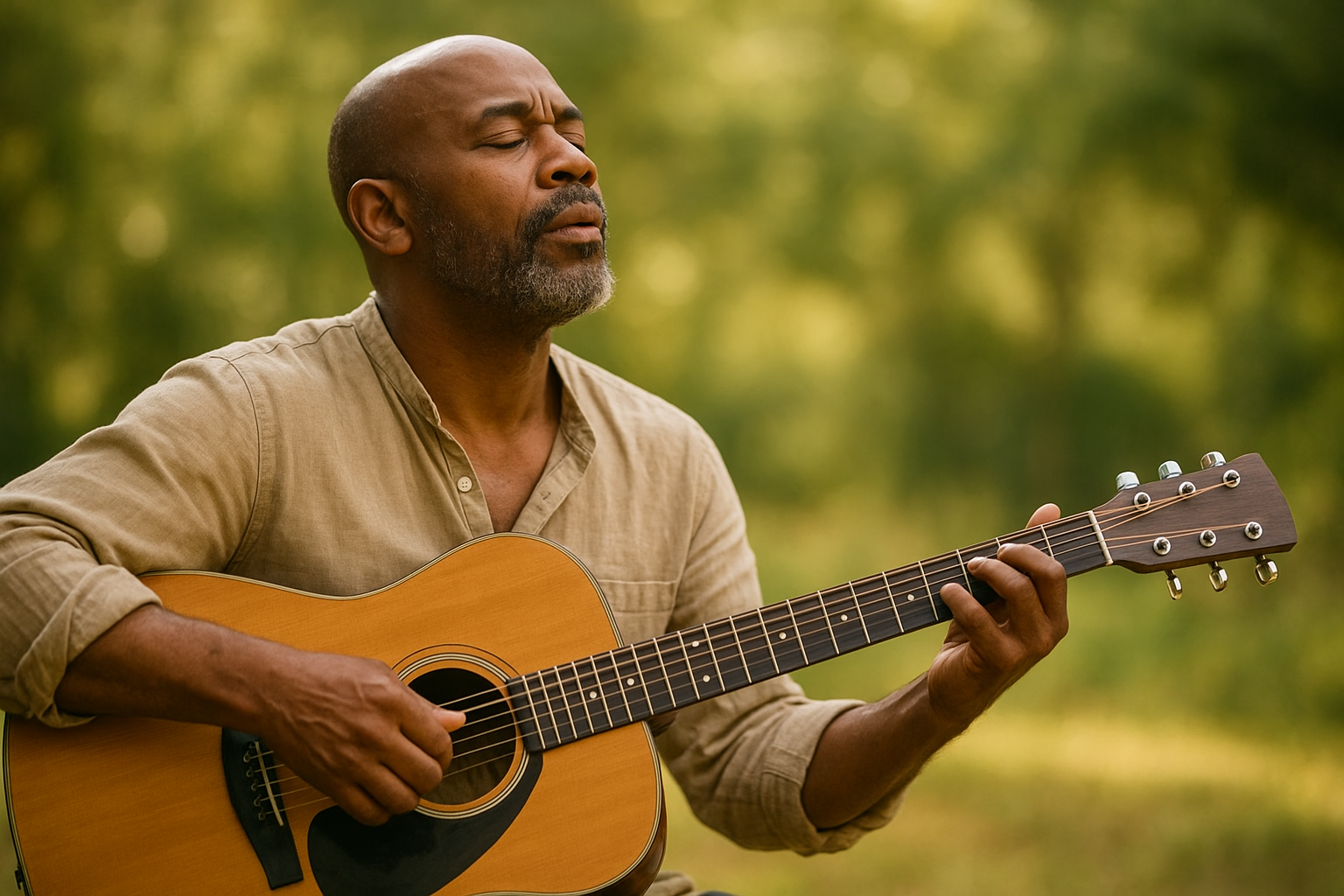
    Improvisation is frequently associated with the arts — jazz musicians riffing on a theme, actors performing without a script, dancers moving freely to the music. However, the essence of improvisation extends beyond these creative realms. It is a practice rooted in the relinquishment of control, inviting one to respond authentically to the present moment. According to Viola Spolin, often considered the mother of improvisational theater, “Improvisation is not a special talent of a few but an inherent ability we all possess.”

    • Embracing Uncertainty: At its core, improvisation involves embracing the uncertainty of the present. This can be likened to spiritual practices that encourage surrendering to a higher power, reflecting a conscious release of the ego’s need to control and predict.
    • Cultivating Presence: Being fully present is a cornerstone of both meditation and improvisation. Each moment calls for mindful attention, encouraging deep awareness and connection to the now.
    • Engaging with Vulnerability: Improvisation requires courage—courage to be seen, to be imperfect, to explore the unknown. This vulnerability is a profound spiritual act, fostering growth through openness and authenticity.

    Spiritual Traditions Embracing Improvisation

    Throughout history, various spiritual traditions have revered improvisation as a means to connect with the divine and to achieve spiritual enlightenment.

    • Sufi Whirling: The mystical dance of the Sufi dervishes epitomizes the art of letting go. Sufi whirling is a form of physically active meditation, where practitioners spin in repetitive circles, a symbolic imitation of planets orbiting the sun. This practice facilitates a profound connection with the divine, illustrating how disciplines that involve improvisation help transcend the ego and tap into a greater spiritual consciousness.
    • Zen Archery: In the Zen tradition, archery is not merely about hitting a target but about achieving a state of zen or ‘no-mind.’ The focus is on the process — drawing the bow, fully entering the moment, and letting the arrow fly with trust in the present action. As Eugen Herrigel describes in his book Zen in the Art of Archery, the practice aims to “release the arrow without interference from the conscious will.”

    The Psychological and Spiritual Benefits of Improvisation

    The practice of letting go through improvisation has powerful psychological benefits, which in turn contribute to spiritual well-being.

    • Reduces Anxiety: Engaging in improvisation can significantly lower stress levels. By stepping into unpredictability, individuals learn to navigate and adapt to changing circumstances, thus bolstering resilience.
    • Enhances Creativity: The absence of a predetermined path liberates the mind, fostering innovation and creativity. This not only nurtures artistic expression but also promotes problem-solving abilities and flexible thinking.
    • Strengthens Mindfulness: Dedicated improvisation practices, akin to mindfulness meditation, encourage an enhanced state of awareness. The fluidity of the practice positions practitioners to become acutely attuned to their thoughts, emotions, and surroundings.
    • Promotes Authenticity: Improvisation compels individuals to act from a place of authenticity, bypassing rehearsed narratives and societal expectations. This nurtures a deeper understanding and acceptance of the true self.

    Integrating Improvisation into Spiritual Practice

    For those inspired to incorporate improvisation into their spiritual journeys, practical steps can guide the process:

    1. Start with Small Practices: Introduce improvisation gradually. This could be as simple as having open-ended discussions, embodying spontaneous movements, or journaling without constraints.
    2. Encourage Playfulness: Approaching improvisation with a playful attitude alleviates the fear of making mistakes. Play is a vital component, as it allows new possibilities to emerge without the pressure of judgment.
    3. Create Safe Spaces: Whether solo or in a group, establish environments where individuals feel safe to express without fear of judgment or failure.
    4. Reflect and Integrate: After improvisational practices, take time to reflect. Journaling or discussing experiences can help integrate insights and foster personal and spiritual growth.

    Conclusion: The Dance of Improvisation and Spiritual Growth

    The art of letting go through improvisation is not merely an artistic endeavor; it is a transformative spiritual discipline. By choosing to embrace uncertainty, cultivate presence, and engage with vulnerability, individuals can unlock profound psychological and spiritual benefits.

    “Life is a dance between making it happen and letting it happen,”
    writes Arianna Huffington, capturing the essence of living with intentional spontaneity.

    As we navigate the complexities of existence, may we find courage and inspiration in the unstructured dance that is improvisation, and through it, open ourselves to deeper spiritual fulfillment.

  • The Pulse of the Present: Capturing the Now in Contemporary Music

    The Pulse of the Present: Capturing the Now in Contemporary Music

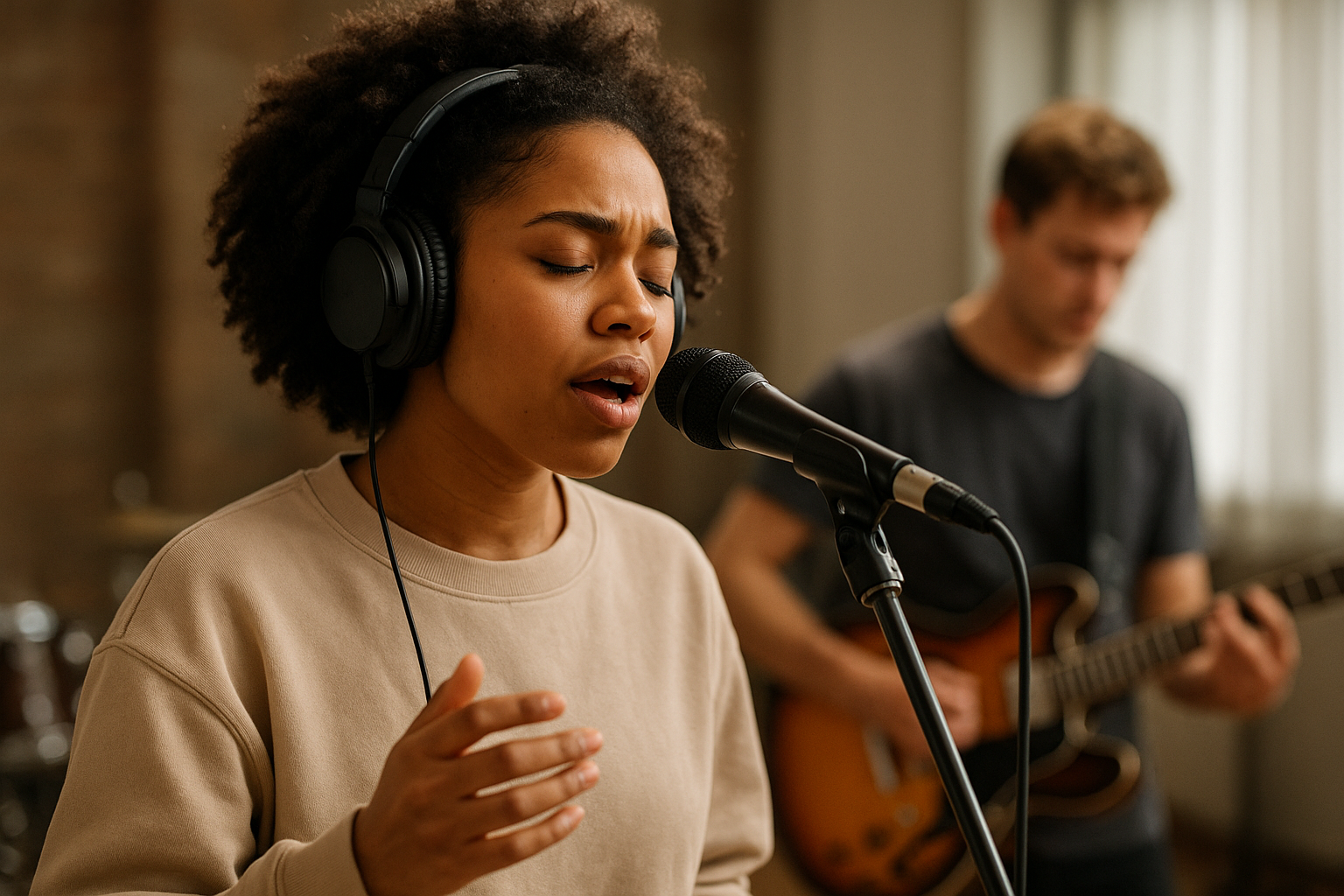
    Contemporary music is more than just a reflection of the present; it’s an active participant in shaping cultural and societal trends. In the rapidly shifting landscape of today’s world, musicians are capturing the essence of “now” with unprecedented immediacy and authenticity. From the power of streaming platforms to the influence of social movements, contemporary music is as dynamic and multifaceted as the era it represents.

    The Influence of Technology

    One of the most significant changes in contemporary music comes from technological advancements. Streaming services like Spotify and Apple Music have transformed the way music is distributed and consumed. As a result, artists are more connected to their audiences than ever before.

    “Technology has allowed artists to release their music as soon as they’re ready, enabling them to respond to current events almost in real-time,” says Lucy Jones from The Independent. [source]

    This immediacy means artists can quickly address and integrate current issues into their music, making their work particularly resonant and relevant.

    Reflecting Social Movements

    Contemporary music serves as a mirror reflecting social and political movements. Artists like Beyoncé and Kendrick Lamar have used their platforms to highlight issues such as racial inequality and feminism. Lamar’s album “DAMN.” and Beyoncé’sLemonade” were culturally and politically significant, resonating with audiences worldwide.

    • Beyoncé: Known for her powerful visual albums that tackle issues like race and gender.
    • Kendrick Lamar: Celebrated for his lyrical depth and social commentary.

    Global Connectivity

    The global nature of contemporary music is another pulse point capturing the now. Collaborations between artists from different countries are becoming commonplace, fostering a rich exchange of cultural influences. Platforms like SoundCloud provide artists with a global audience, amplifying diverse voices and breaking down geographic barriers.

    “In today’s world, music knows no borders,” notes John Doe from Rolling Stone. [source]

    In conclusion, contemporary music is a dynamic tapestry woven from threads of technology, social awareness, and global interaction. It doesn’t just capture the now; it becomes an integral part of it, influencing and being influenced by the very moment it seeks to represent. As we navigate the complexities of the 21st century, contemporary music remains an essential medium through which the pulse of the present is not just heard but felt.

  • The Everyday Epiphany: Mindfulness Through the Lens

    The Everyday Epiphany: Mindfulness Through the Lens

    In a world that thrives on chaos and constant movement, finding peace can feel like an elusive goal. Yet, the practice of mindfulness offers a gentle reminder: serenity is not a far-off destiny but an everyday reality. This article explores mindfulness through the metaphorical lens and how it brings clarity to our daily lives.

    The Art of Seeing Clearly

    Mindfulness is the art of seeing reality with clarity and without judgment. It is about being present in the moment and engaging with life deliberately. As Jon Kabat-Zinn, a pioneer in bringing mindfulness into mainstream medicine, aptly puts it, “Mindfulness means paying attention in a particular way; on purpose, in the present moment, and non-judgmentally.” (source)

    The Camera as a Metaphor

    Imagine a camera lens that captures the beauty of a flower in bloom. Like a camera, our mind can focus intently and bring the intricacies of existence to the foreground. Just as a photographer adjusts their lens to capture the perfect image, mindfulness allows us to adjust our mental lens to bring meaningful aspects of life into focus.

    “Photography is the art of frozen time… the ability to store emotion and feelings within a frame.” – Meshack Otieno

    Through mindfulness, we store emotions and experiences, savoring each moment as it unfolds. This practice does not demand perfection but encourages a compassionate understanding of our thoughts and feelings.

    The Daily Practice of Mindfulness

    1. Breathing and Awareness

    • Stop and Breathe: Taking a moment to focus on your breath is the first step towards mindfulness. A simple breathing exercise—such as inhaling deeply for four counts, holding for four, and exhaling for four—can help center your thoughts.
    • Awareness of Surroundings: Engage with your environment. Notice the colors, sounds, and scents around you. This kind of mindful awareness keeps you grounded in the present moment.

    2. Mindful Observation

    • Observe Without Judgement: As you go through your day, observe your thoughts and feelings without judgment. Acknowledge them and let them pass, like clouds in the sky.
    • Focus on Details: Appreciate the small details in your surroundings—like the pattern of leaves on a tree or the texture of your desk’s surface.

    3. Mindful Listening

    • Deep Listening: When in conversation, practice deep listening. Give your full attention to the speaker, resisting the urge to interrupt or formulate your response while they are talking.
    • Empathy and Connection: By truly listening, we connect with others empathetically, understanding their perspective more deeply.

    Unleashing the Epiphany

    Incorporating these mindfulness practices into your daily routine can lead to profound insights or everyday epiphanies. These moments of clarity are not grandiose revelations but subtle shifts in perception that can transform our relationship with ourselves and the world.

    Understanding Emotions: As Thich Nhat Hanh, a renowned Zen master, once said, “The best way to take care of the future is to take care of the present moment.” Through mindful awareness, we gain a deeper understanding of our emotions, responding to them thoughtfully rather than reacting impulsively.

    Enhanced Creativity: Mindfulness frees the mind from the clutter of incessant thoughts. This clarity unlocks creative potential, allowing us to approach problems in innovative ways. As the mind focuses, new ideas flow more organically.

    Improved Well-being: Regular mindfulness practice has been linked to a host of benefits, including reduced stress, improved mental health, and greater satisfaction in life. A study published in Psychology & Health found that mindfulness can significantly reduce rumination and increase resilience to stress.

    The Path Forward

    Embracing mindfulness is about recognizing that life is a series of moments, each holding potential wisdom and beauty. Mindfulness invites us to step back, recalibrate our inner lens, and appreciate each component of our life with fresh eyes.

    “Each morning we are born again. What we do today is what matters most.” – Buddha

    By engaging in mindful practices, we not only enrich our own lives but also positively impact the lives of those around us. Our everyday epiphanies become a beacon of inspiration and calm in a frenetic world.

    In the grand picture of life, mindfulness cultivates balance, compassion, and a deeper connection with the present. It is through this lens that we see our journey with clarity and embrace the epiphanies that arise from the ordinary moments of existence.