Tag: practices

  • The Mystical Mix: Syncretism in Modern Spiritual Paths

    The Mystical Mix: Syncretism in Modern Spiritual Paths

    In today’s world, belief systems are increasingly fluid, with individuals curating their spiritual practices from diverse traditions. This phenomenon, known as syncretism, involves blending elements from various religious and spiritual backgrounds to create a cohesive personal belief system. Modern spiritual seekers often find value in drawing from multiple traditions, resulting in rich, inclusive spiritual experiences.

    Understanding Syncretism

    Historically, syncretism refers to the melding of different religious and philosophical beliefs. It is not a new concept. In the ancient world, syncretism was common in societies such as Ancient Rome and Greece, where gods and religious practices were often amalgamated from conquered cultures. Today, however, syncretism reflects a more intentional and individualized approach to spirituality.

    Why Syncretism Now?

    Several factors contribute to the rise of syncretism in contemporary spirituality:

    • Globalization: The ease of travel and communication has exposed more people to diverse cultures and belief systems.
    • Access to Information: The Internet and media provide abundant resources about different spiritual traditions, enabling individuals to explore and adopt elements that resonate with them.
    • Desire for Personal Meaning: Many people find traditional religious institutions restrictive and seek a spirituality that aligns with their personal values and experiences.

    Common Syncretic Practices

    Modern syncretism takes many forms, encompassing various beliefs and rituals. Here are a few ways people engage in syncretic spiritual practices:

    • Mixing Rituals and Symbols: Individuals might use symbols like the cross, lotus, or mandala in their spiritual practice, regardless of the symbol’s original religious context.
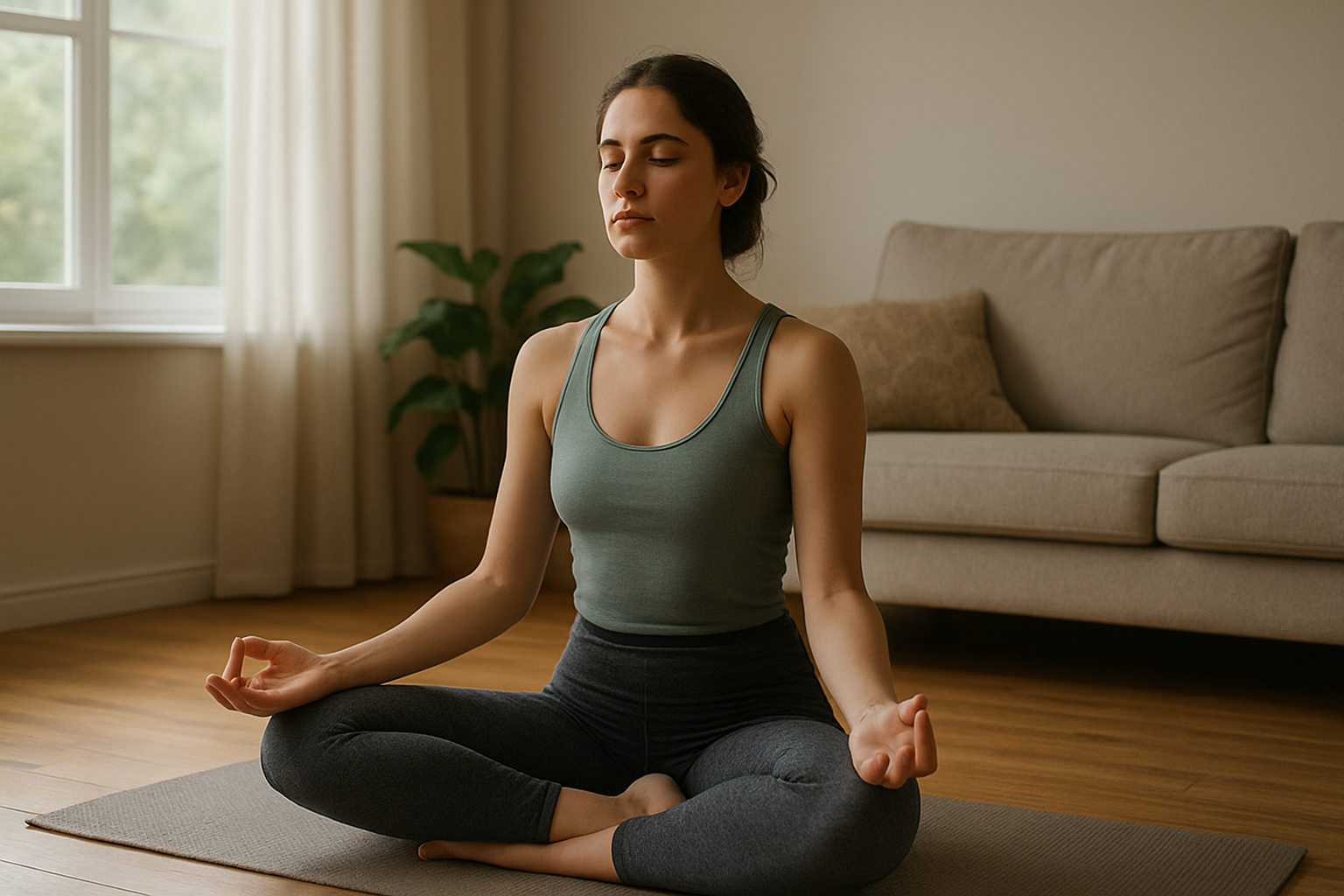
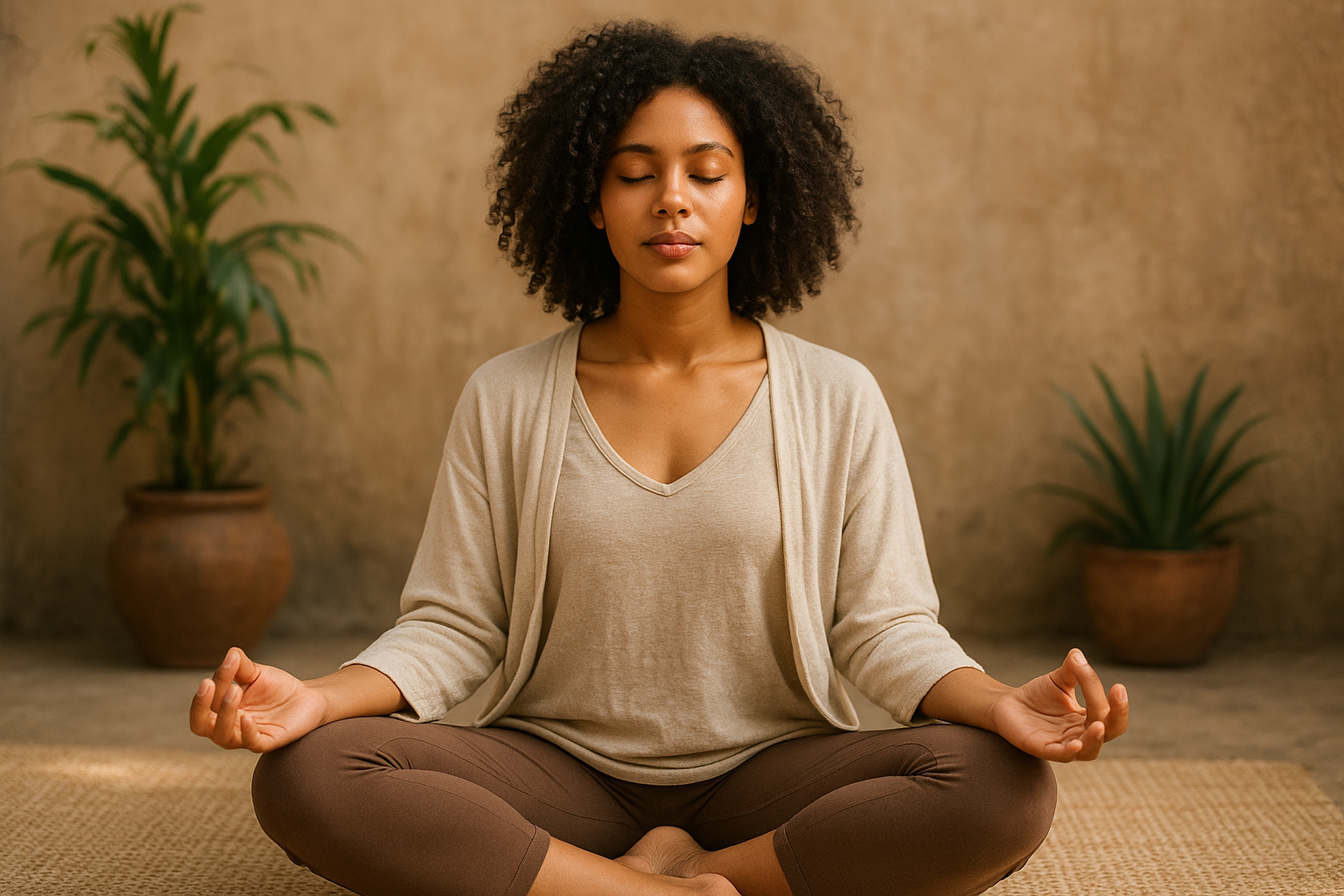
    • Exploring Meditation and Mindfulness: Borrowing practices from Buddhism or Hinduism, many integrate meditation techniques into a framework of other religious beliefs.
    • Adopting Holistic Healing Practices: Practices such as Reiki or Ayurveda, originating from distinct cultural backgrounds, are often woven into a syncretic approach to health and spirituality.
    • Celebrating Diverse Festivals: People may choose to celebrate and honor various holy days, such as Christmas alongside Diwali, fostering a universal appreciation for spirituality.

    Benefits of a Syncretic Spiritual Path

    The rich tapestry of syncretism offers several benefits:

    • Richness of Experience: Drawing from a diverse set of traditions enriches spiritual practice, providing a wide array of tools and perspectives.
    • Increased Empathy and Understanding: Engaging with multiple spiritual viewpoints fosters respect and appreciation for different cultures and beliefs.
    • Personalization of Belief: Syncretism allows individuals to tailor their spiritual practices, creating a deeply personal and meaningful experience.

    Challenges and Criticisms

    While syncretism offers numerous advantages, it is not without its challenges:

    • Cultural Appropriation: Critics argue that syncretism can lead to the superficial adoption of cultural symbols and practices without understanding their full significance, thereby disrespecting their origins.
    • Lack of Depth: Some believe that blending too many beliefs can result in a diluted version that might lack the depth and commitment of adhering to a single tradition.
    • Community Belongingness: Without a structured religious community, syncretists may struggle to find a sense of belonging and support.

    “In mixing religious traditions, the question arises of how deeply one can engage without losing a core of fervent belief. This is the balancing act of modern spiritual seekers.” – The Atlantic

    A Balancing Act

    Engaging in syncretism requires balance, respect, and intentionality. Striking this balance allows individuals to indulge in the richness syncretism offers while maintaining respect and depth. It involves informed exploration, deep respect for original contexts, and the mindful blending of chosen elements.

    Ultimately, the mystical mix of syncretism in modern spiritual paths reflects a world that increasingly values diversity, inclusivity, and personal agency in spiritual journeys. As seekers navigate this landscape, they contribute to a dynamic and evolving narrative of what spirituality can look like in the 21st century.

  • Finding the Center: Movement Practices for Modern Souls

    Finding the Center: Movement Practices for Modern Souls

    In our fast-paced world, finding balance and harmony can often seem like a distant goal. The constant barrage of information, responsibilities, and expectations can leave us feeling unanchored. Fortunately, movement practices provide a way to reconnect with our inner core and rediscover our center. This article explores various movement practices that can help modern souls find grounding and tranquility.

    The Importance of Movement

    Movement is not just about exercise; it’s about tuning into our bodies and minds. According to the American Psychological Association, physical movement helps improve mental health by reducing anxiety, depression, and negative mood while improving self-esteem and cognitive function. Read more here.

    “Movement is a medicine for creating change in a person’s physical, emotional, and mental states.” – Carol Welch

    • Physical Benefits: Movement improves cardiovascular health, strengthens muscles, and enhances flexibility.
    • Mental Benefits: Regular movement releases endorphins, which can reduce stress and create a sense of well-being.
    • Emotional Benefits: Engaging in movement allows for emotional expression and release, leading to improved mood.

    Exploring Movement Practices

    Let’s delve into a few movement practices that are gaining popularity for their holistic benefits. These practices not only improve physical health but also enhance mental clarity and emotional stability.

    Yoga: Union of Mind and Body

    Yoga has been practiced for thousands of years and is renowned for its ability to unite mind and body. The Yoga Journal describes yoga as a comprehensive discipline that combines breathing techniques, postures, and meditation.

    • Hatha Yoga: Focuses on physical postures for alignment and balance.
    • Vinyasa Yoga: Involves dynamic breathing and flowing movements to create internal heat.
    • Yin Yoga: Targets connective tissues and promotes flexibility through long-held poses.

    Yoga is praised for its calming effect on the nervous system and its ability to cultivate mindfulness, aiding modern souls in achieving inner peace.

    Tai Chi: The Flowing Balance

    Tai Chi is often referred to as “meditation in motion.” This ancient Chinese practice involves gentle, flowing movements and deep breathing techniques. According to the Mayo Clinic, Tai Chi is effective in reducing stress, improving balance, and enhancing overall well-being.

    “The supreme accomplishment is to blur the line between work and play.” – Arnold J. Toynbee

    Tai Chi encourages the coordination of mind and body, allowing practitioners to remain centered, even amidst life’s chaos.

    Dance: Expressive Liberation

    Dance is more than a form of art; it is a liberating practice that allows individuals to express their emotions and energies creatively. Whether it’s ballet, contemporary, salsa, or hip-hop, dance offers a channel for emotional release and self-discovery.

    • Improvised Movement: Encourages creativity and self-expression.
    • Structured Dance: Provides discipline and focus through choreographed routines.

    Studies indicate that dance can significantly improve mental health by reducing stress and fostering a sense of community. Dance classes provide an opportunity to connect with others, reducing feelings of isolation prevalent in modern life.

    Integrating Movement into Daily Life

    Incorporating movement into daily life doesn’t need to be complicated. Here are practical tips to seamlessly integrate these practices into your routine:

    • Start Small: Begin with short sessions, like 10 minutes of yoga or a quick Tai Chi routine.
    • Set a Schedule: Dedicate specific times for movement to create consistency.
    • Focus on Mindfulness: Pay attention to how your body feels during movement, deepening the mind-body connection.
    • Find Community: Join a local class or online group for support and motivation.

    By gradually incorporating these practices into your lifestyle, you’ll find improved balance not only physically but mentally and emotionally.

    Conclusion: Nurturing the Modern Soul

    Movement practices offer a profound way to nurture the modern soul, offering a path back to our center amidst the chaos of daily life. As we engage in yoga, Tai Chi, dance, and other activities, we not only improve our health but also foster resilience, inner peace, and self-awareness.

    Finding your center through movement isn’t about perfection; it’s about being present in the moment and listening to what your body and soul need. As Rumi eloquently puts it, “The wound is the place where the Light enters you.” By moving mindfully, we allow ourselves to heal and transform, finding balance in a world that often feels off-kilter.

    Start your journey today. Explore these practices and let them guide you to a more centered and fulfilled life.

  • Beyond Belief: Non-Dogmatic Approaches to Modern Spirituality

    Beyond Belief: Non-Dogmatic Approaches to Modern Spirituality

    In an era characterized by rapid technological advancement and an ever-expanding horizon of knowledge, traditional modes of religiosity often feel insufficient. Many people today are seeking spiritual fulfillment without the confines of dogmatic beliefs, turning instead to individualized practices that resonate on a deeper, more personal level.

    The Shift Towards Spiritual Independence

    As globalization brings the world’s diverse spiritual traditions closer together, individuals are increasingly inspired to explore paths beyond conventional religious frameworks. This is evident in the growing numbers of people identifying as “spiritual but not religious” (SBNR). A 2017 study by the Pew Research Center highlights this trend, noting that 27% of American adults identified themselves as SBNR, almost doubling from 19% in 2012.

    “The need to believe in something greater than oneself… is one of the deepest yearnings of the human soul,” suggests James Hollis, Jungian psychotherapist and author.

    Core Principles of Non-Dogmatic Spirituality

    Moving beyond traditional beliefs doesn’t imply a rejection of all spiritual ideas but rather an embracing of core, universal principles that align with personal beliefs:

    • Empiricism and Personal Experience: Emphasis is placed on personal spiritual experiences rather than inherited doctrines. Individuals trust their own experiences and intuition as guiding forces.
    • Interconnectedness: Acknowledgment of the interconnected nature of all life often features prominently, influenced by both Eastern philosophies and Western ecological awareness.
    • Mindfulness and Presence: Practices such as meditation, yoga, and mindfulness are favored for their grounding effects, promoting a state of presence that fosters deeper insight.
    • Compassion and Ethics: These are universal anchors, providing moral guidance beyond dogmatic tenets.

    Paths to Personal Spiritual Expression

    The non-dogmatic approach to spirituality paves the way for a myriad of practices that serve the unique preferences of the individual:

    • Mindful Meditation: Popularized by figures like Jon Kabat-Zinn, mindfulness and meditation offer a non-religious route to spiritual exploration, focusing on the cultivation of awareness.
    • Yoga and Physical Expression: This ancient practice has been embraced worldwide as a spiritual discipline that harmonizes body and mind, often transcending its religious roots to become a secular wellbeing tool.
    • Creative Arts: Many find spirituality through creative outlets, harnessing the transcendence inherent in artistic expression—from music and painting to dance and theater.
    • Nature-Based Practices: Engaging with nature as a practice is a common form of modern spirituality, allowing one to attune to the rhythmic cycles and beauty of the earth.
    • Philosophical Inquiry: Engaging with philosophy cultivates a space for questioning, leading to profound insights that enhance one’s understanding of existence and spirituality.

    Challenges and Criticisms

    While non-dogmatic spirituality offers flexibility and inclusivity, it comes with its own set of challenges and criticisms:

    • Lack of Structure: The absence of a coherent framework can be overwhelming for some, leading to superficial practices without depth or consistency.
    • Consumerism in Spirituality: The commercialization of spiritual practices—termed “spiritual bypassing”—can detract from the authenticity of the spiritual quest, as noted by John Welwood, a clinical psychologist.
    • Isolation and Community: Traditional religions often offer a sense of community that non-dogmatic spirituality might lack, potentially leaving individuals isolated.

    Integrating Non-Dogmatic Practices into Daily Life

    Despite these challenges, many have successfully integrated non-dogmatic spiritual practices into their daily lives:

    “Spirituality exists in my daily life through mindfulness practices. I start each day with intention and reflection,” writes Elizabeth Gilbert, bestselling author of Eat, Pray, Love.

    • Daily Routines: Simple rituals such as journaling, setting intentions, or practicing gratitude can cultivate a sustained spiritual awareness.
    • Meditative Practices: Incorporating brief meditative pauses in a busy day helps ground and center oneself amid chaos.
    • Community Engagement: Participating in group activities such as book clubs, meditation groups, or even volunteering can reinforce spiritual connections without a religious framework.

    The Road Ahead

    The future of spirituality is increasingly fluid, with non-dogmatic practices leading the way towards a more inclusive and personalized approach. Technology further enhances these explorations, with apps and online communities providing resources and fellowship across distances.

    In conclusion, today’s spiritual seekers are redefining the boundaries of what it means to be spiritual. By engaging with practices that honor personal intuition and universal truths, they forge connections both to themselves and the wider world. The search for meaning, in its myriad forms, continues—and in this search, the reimagined spiritual paths emerge as hopeful beacons in a rapidly changing society.

  • The Algorithmic Altar: Spirituality in the Digital Age

    The Algorithmic Altar: Spirituality in the Digital Age

    In an era marked by rapid technological advancement, where algorithms govern much of our daily lives, the quest for spirituality seems, at first glance, paradoxical. However, a deeper examination reveals a profound intersection between the ancient pursuit of meaning and the digital tools of the modern age. This confluence is reshaping how individuals engage with spirituality in a world often viewed through the lens of technology.

    The Rise of Digital Spirituality

    With billions of people globally accessing the Internet, spiritual experiences are increasingly being sought out online. Meditation apps, digital religious communities, and virtual reality experiences offer new pathways to ancient practices.

    • Meditation Apps: Platforms such as Headspace and Calm guide users through personalized meditation sessions designed to reduce stress and enhance mindfulness.
    • Online Communities: Social media groups and forums serve as digital congregations, where individuals discuss beliefs, share practices, and support each other’s spiritual journeys.
    • Virtual Reality: Innovative use of VR technology allows practitioners to experience immersive environments, such as virtual temples and nature settings, which can enhance meditation and reflection.

    As David Gelles, a journalist covering mindfulness, notes,

    “Meditation in the age of smartphones is a testament to how seamlessly tradition and technology have woven themselves together.”

    This synergy between the old and the new underscores an evolving spirituality that embraces digital tools without losing connection to its roots.

    Challenges of Digital Spirituality

    Despite its growing popularity, digital spirituality faces significant challenges. Critics argue that digitizing spiritual practices risks losing the depth of experience traditionally cultivated in physical spaces and interpersonal connections.

    Sherry Turkle, a professor at MIT and author of “Reclaiming Conversation: The Power of Talk in a Digital Age,” highlights this concern:

    “The richness of our real-world interactions is irreplaceable, yet in their absence, digital interfaces offer a semblance of connection.”

    This perspective calls for a careful balance between leveraging technology and nurturing authentic, human-centered engagements.

    Advantages and Innovations

    The advantages of incorporating technology into spiritual practices are manifold. Accessibility is a key benefit, as digital platforms break down geographical and physical barriers, allowing spiritual seekers from diverse backgrounds to connect and learn. Additionally, data-driven insights offer personalized approaches to spirituality, helping individuals identify what practices resonate most with them through feedback and analytics.

    Organizations and startups are innovating at this intersection. For instance, Insight Timer combines community features with an extensive library of free meditations. Unlike traditional models, these platforms empower users with flexibility and choice, catering to diverse spiritual needs and preferences.

    The Future of Spirituality in a Digital World

    The intertwining of technology and spirituality is likely to deepen as digital tools continue to evolve. Emerging technologies such as artificial intelligence (AI) hold the potential to further enhance spiritual exploration by tailoring experiences to an individual’s unique needs and preferences.

    Religious institutions are also beginning to embrace digital transformation. During the COVID-19 pandemic, virtual services became commonplace, demonstrating the Church’s ability to adapt to changing circumstances. Moving forward, these hybrid models may become standard practice, offering both digital and physical means to participate in spiritual communities.

    Moreover, the digital age encourages a pluralistic approach to spirituality, where individuals are exposed to diverse religious and philosophical traditions, fostering a more inclusive global dialogue. As Benedictine monk and author David Steindl-Rast posits,

    “In the end, it is not religious affiliation or membership that matters, but encountering that is — no words.” This open, exploratory spirit is likely to characterize the future of spirituality amidst digital innovation.

    Conclusion

    The blend of spirituality and technology presents an opportunity to reinterpret age-old practices for modern contexts. While challenges persist, the potential for deeper, more widely accessible spiritual experiences is vast. The key lies in maintaining a mindful balance: utilizing technology to enhance, rather than replace, the human elements that remain integral to true spiritual understanding.

    As we navigate this merging of domains, the gravitational pull of spirituality promises to remain a vital force, one that guides our search for meaning amidst the pulsating algorithms of digital life.


  • Beyond the Canon: Finding Soul in Modern Spiritual Practice

    Beyond the Canon: Finding Soul in Modern Spiritual Practice

    In an era where the rigidity of traditional religious practices often seems at odds with the fluidity of modern life, a shift is occurring. People worldwide are seeking spiritual fulfillment outside the boundaries of established religions. This evolution in spiritual practice invites individuals to create an individual connection with the divine, nourishing their souls in ways that align with their personal beliefs and lifestyles.

    The Decline of Traditional Religion

    The decline of traditional religions, especially in Western societies, has been significant over the past few decades. According to a 2021 survey by Pew Research Center, the number of people identifying as religiously unaffiliated has increased dramatically, making up nearly 30% of the U.S. population.

    “The unaffiliated are growing, not only in the United States but all over the world,” notes Pew Research.

    This shift is not necessarily indicative of a move away from spirituality; rather, it suggests a search for a more personal and meaningful connection with one’s sense of the sacred.

    Emergence of Modern Spiritual Practices

    As traditional religious engagement wanes, diverse spiritual practices have emerged, often drawing on ancient philosophies while adapting to contemporary contexts. These practices emphasize personal experience and inner transformation over dogma and institutional adherence.

    • Meditation and Mindfulness: Rooted in ancient traditions such as Buddhism and Hinduism, meditation has found a new home in the West. Practitioners use it to cultivate mindfulness, reduce stress, and build a deeper sense of empathy and awareness.
    • Yoga: Originally a spiritual practice in the Indian subcontinent, yoga has evolved in the West primarily as a form of physical exercise. However, for many, it remains a deeply spiritual practice that promotes harmony between mind, body, and spirit.
    • Nature-based Spirituality: A re-engagement with nature offers spiritual fulfillment to many. Be it through eco-spirituality, Druidry, or simply spending time in nature, people find solace and connection with the divine in the natural world.
    • Energy Healing and Reiki: Practices focused on the human energy field, such as Reiki, have gained popularity. They are seen as pathways for balancing energy and achieving spiritual and emotional health.

    These practices are often combined, allowing individuals to craft a personalized spiritual path that speaks to their soul and lifestyle.

    Technology and Spirituality

    The digital age has also contributed to the evolution of modern spirituality. Technology enables access to spiritual teachings and communities like never before. Apps dedicated to meditation, yoga practice, and even astrology garner millions of monthly users.

    Furthermore, online communities provide a platform for individuals to connect with like-minded individuals across the globe. As The New York Times observes, these digital spaces have become crucial for those seeking support and guidance outside traditional religious settings.

    “Platforms like Headspace and Insight Timer make spiritual practices accessible and customizable, appealing to a generation seeking mindfulness and calm amidst modern chaos,” The New York Times reports.

    The Individual’s Spiritual Journey

    While organized religion often provides a well-defined spiritual path, the growing preference for personalized spirituality allows for exploration and self-discovery. This individualistic approach enables people to engage with spiritual texts, rituals, and practices in a way that feels authentic and resonant with their personal lives.

    Indeed, Psychology Today suggests that such personal exploration can lead to a “rich and fulfilling spiritual life,” encouraging individuals to seek truths and wisdom across wisdom traditions and philosophical teachings.

    Despite the risks of cultural appropriation and commodification—challenges well-documented by scholars—modern spiritual seekers advocate for respectful and informed engagement with diverse spiritual practices.

    Conclusion

    Spirituality beyond the canon represents a significant evolution in how we understand and engage with the divine. It empowers individuals to find meaning and connection in a multifaceted world, emphasizing a deeply personal journey and the search for one’s own truth.

    As society continues to evolve, so too will these modern spiritual practices, reflecting the dynamic and ever-changing landscape of human belief and experience. In this search beyond the canon, new traditions may emerge, blending the wisdom of the ages with the insights of modernity, continually renewing the soul of spirituality itself.

  • Practicing Stillness While in Motion

    Practicing Stillness While in Motion

    Practicing Stillness While in Motion

    Practicing Stillness While in Motion

    In today’s fast-paced world, the idea of finding stillness seems almost paradoxical when we are constantly on the move. However, discovering tranquility amid activity is not only possible but also a path to greater mindfulness and peace. Practicing stillness while in motion can be an essential skill for enhancing focus, reducing stress, and achieving a balanced life.

    The Concept of Stillness

    “Stillness is not about focusing on nothingness. It’s about creating an emotional clearing to see what is actually there.” – Oprah Winfrey

    Stillness, as defined by spiritual leaders and mindfulness practitioners, does not necessarily mean the absence of movement; rather, it implies a centeredness and clarity achieved through intentionality. As noted in the spiritual teachings, stillness is about finding peace within chaos.

    Finding Stillness in Daily Activities

    Integrating stillness into daily life can transform ordinary routines into opportunities for mindfulness and inner calm. Here are some key practices to incorporate stillness even while engaged in activity:

    • Mindful Walking: Instead of rushing from one task to another, practice mindful walking by focusing on each step. Feel the ground beneath your feet and the rhythm of your breath.
    • Focused Breathing: While commuting or during work breaks, engage in deep, conscious breathing. Inhale for four counts, hold, and exhale slowly, letting go of tension.
    • Active Meditation: Transform repetitive actions like washing dishes or gardening into meditative experiences by giving full attention to the activity at hand.

    Developing a Mindset for Stillness

    Achieving stillness begins with a shift in mindset. Here’s how you can cultivate a mentality that supports stillness in motion:

    • Embrace Imperfection: Accept that stillness doesn’t require perfection. It’s an ongoing practice that grows with patience and persistence.
    • Set Intentions: Begin each day by setting an intention to remain centered, no matter the external circumstances. Such an approach guides the mind towards calmness.
    • Practice Gratitude: Regularly acknowledging gratitude fosters a sense of contentment, which supports inner peace and stillness.

    Benefits of Practicing Stillness

    Embracing stillness as a practice offers numerous benefits that contribute to overall well-being:

    • Reduced Stress: Mindful practices activate the parasympathetic nervous system, lowering stress levels and fostering a sense of peace.
    • Increased Focus: Regular stillness practices enhance concentration and attention, improving productivity in professional and personal life.
    • Enhanced Emotional Health: Stillness enables individuals to gain greater control over their emotional responses, promoting resilience.

    Mindful Practices Around the World

    Different cultures have long recognized the importance of stillness, integrating unique practices into daily life:

    • Japan: The Japanese tradition of Zen emphasizes satori, or enlightenment through meditation and appreciation of simplicity and nature.
    • India: Yoga, originating in India, combines physical postures with controlled breathing and meditation to achieve peace and balance.
    • Thailand: Thai Buddhism recommends Vipassana meditation, cultivating insight through mindfulness of body and mind.

    Conclusion

    Practicing stillness while in motion doesn’t mean halting life’s activities but living them with awareness and intention. By adopting techniques to find peace within the chaos, you can cultivate a profound sense of stillness, regardless of external circumstances. Start with small steps, such as incorporating mindful walking or deep breathing into your routine. As you incorporate these practices, you’ll discover a tranquility that transforms not only your actions but also your perspective on life.

    For further reading on the power of stillness and mindfulness, visit Mindful.org.

  • Ascetic Ecology

    Ascetic Ecology

    Ascetic Ecology: The Fusion of Simplicity and Sustainability

    In a world of rising climate challenges and unsustainable consumption patterns, the principles of asceticism present a compelling framework for ecological responsibility. Ascetic Ecology is an emerging field focusing on the tactile intersection of spiritual simplicity and ecological sustainability. By embracing ascetic principles—typically consisting of minimalism, restraint, and deep introspection—we can forge pathways toward environmental consciousness.

    Understanding Asceticism

    Asceticism, derived from the Greek term askesis, meaning “exercise” or “training,” involves practices that enable self-discipline and abstinence from indulgences. Traditionally associated with religious contexts, ascetic practices are commonly observed in Buddhism, Hinduism, Christianity, and other spiritual traditions.

    “The goal of life is living in agreement with nature.” — Zeno of Citium, founder of Stoic philosophy.

    This quote from Zeno encapsulates the ascetic ethos; living simply in accordance with nature, rather than in dominance over it.

    The Emergence of Ascetic Ecology

    The notion of ascetic ecology proposes a paradigm where ecological well-being is pursued through ascetic discipline. As societies grapple with the consequences of excessive consumption and environmental degradation, the principles of asceticism offer a sustainable counter-narrative, emphasizing harmony with nature.

    Principles of Ascetic Ecology

    • Moderation in Consumption: Ascetic ecology encourages deriving satisfaction from minimal resource use, advocating for frugality and ethical consumption.
    • Mindfulness and Awareness: By practicing mindfulness, individuals become more aware of the environmental impact of their choices, leading to more deliberate and environmentally friendly actions.
    • Renunciation of Excess: This principle involves recognizing what is not necessary and releasing it, which translates to reduced waste and a lower carbon footprint.
    • Reverence for Nature: It transcends mere conservation; it is about fostering a profound respect and love for the natural world, mirroring spiritual devotion.

    Asceticism offers tools for individuals and societies to curb tendencies toward overconsumption, serving the dual purpose of personal spiritual growth and ecological sustainability.

    Case Study: Monastic Communities

    Monastic communities, such as the Trappist monasteries, embody ascetic ecology unintentionally through their lifestyles focused on simplicity and self-sufficiency. They serve as living laboratories for sustainable living, offering valuable lessons.

    “More than the sound of running water, more than a rare songbird, praise of God: simplicity.” — Thomas Merton

    Thomas Merton, a Trappist monk, eloquently captured the spirit of ascetic ecology by highlighting simplicity as a path to spirituality, and by extension, a template for ecological mindfulness.

    Modern Adaptations of Ascetic Ecology

    In today’s context, ascetic ecology can be related to practices like:

    • Minimalism: A contemporary movement encouraging individuals to live with less, aligning closely with ascetic principles.
    • Permaculture: This agricultural practice emphasizes sustainable land use, echoing the ascetic value of working harmoniously with nature.
    • Urban Homesteading: By growing food and producing goods within urban environments, homesteaders embody ascetic principles of self-reliance and sustainability.

    These practices provide tangible pathways for implementing ascetic ideals in modern life, marrying them with ecological needs.

    Challenges and Criticisms

    While ascetic ecology offers a promising solution, it faces several challenges:

    • Practicality: For many, the idea of drastically shifting lifestyles may not be feasible without systemic support and cultural change.
    • Accessibility: Ascetic practices can often bear an elitist connotation, at odds with mainstream culture, which can alienate those without means to easily adopt such lifestyles.
    • Balancing Needs: Finding a balance between ascetic sacrifice and necessary modern comforts remains a critical challenge.

    Nonetheless, advocating for a broader adoption of ascetic principles could drive more organic changes in societal norms and values, fostering environments where such lifestyles become accessible and desirable.

    The Path Forward: Integrating Ascetic Ecology

    For ascetic ecology to successfully take root, a cultural and structural shift is essential. Systems need to be in place that support lifestyle changes towards sustainability. Individuals can contribute by:

    • Consciously reflecting on consumption habits and striving for moderation.
    • Engaging in community gardens or local environmental projects.
    • Promoting education about sustainable practices grounded in ascetic values.

    Policy frameworks that encourage reductions in resource use, investments in renewable energy, and sustainable agricultural practices must be championed. Additionally, collectivizing efforts through local and global networks can foster support systems for individuals and communities striving to live based on ascetic ecological principles.

    Conclusion

    As the threats to our natural environment become more severe, integrating ascetic principles into our ecological endeavors offers a holistic approach to sustainability. The principles of Ascetic Ecology assist in cultivating a world where simplicity is not only a spiritual virtue but an ecological necessity.

    By striving toward a harmonious existence with the earth, ascetic ecology not only addresses environmental degradation but also offers profound spiritual fulfillment. As the philosopher Albert Schweitzer once remarked, “Simple living should become our core value in the search for a sustainable future.” It’s a clarion call to enact principles that have captured the imagination of sages and saints for centuries.

  • Desert Dharma

    Desert Dharma

    Desert Dharma: Embracing Buddhist Practices in Arid Landscapes

    The desert might not be the first place that comes to mind when thinking of Buddhism. However, the synergy between the stark, serene landscapes of arid regions and the meditative practices of Buddhism is a powerful one. The quietude and expansiveness of deserts make them an ideal backdrop for spiritual exploration and mindfulness.

    An Unlikely Harmony

    Deserts, with their vast emptiness, offer a unique space for introspection. While traditional Buddhist practices often take place in lush, temple-laden settings, the minimalism of a desert can foster a deep connection with one’s inner self.

    According to Lion’s Roar, “The desert’s stillness and silence provide the perfect conditions for meditation, allowing practitioners to delve deeply into their thoughts and emotions.” This notion speaks to the heart of what many spiritual seekers aim to achieve: a profound journey into the self, uninterrupted by the distractions of more populated environments.

    Desert Retreats: A Growing Trend

    In recent years, spiritual retreats in desert locations have gained popularity. Places like Joshua Tree in California and the expanses of New Mexico offer retreats that combine traditional Buddhist teachings with the unique attributes of the desert.

    • Joshua Tree, California: Known for its vast, otherworldly landscapes, Joshua Tree has become a hub for spiritual retreats. The integration of Buddhist meditation teaches people how to cultivate mindfulness amidst the natural beauty of the arid land.
    • Taos, New Mexico: Taos has become a center for alternative spiritual practices, including deserts that cradle Buddhist enclaves focused on mindfulness and Vipassana meditation.

    These retreats often feature a blend of structured meditation sessions, dharma talks, and opportunities to explore the desert, creating a holistic experience that nurtures both body and spirit.

    The Spiritual Significance of Deserts

    Throughout history, deserts have been seen as places of transformation. In many cultures, they are viewed as spiritual crucibles where individuals can experience profound personal growth and insight.

    Matthew Capacci, a well-known spiritual writer, notes in his book “Desert Dharma”, “Deserts challenge and cleanse the soul, stripping away the unessential until only the truth remains.” This purification process resonates deeply with Buddhist teachings, which emphasize letting go of attachments and illusions.

    Practicing Mindfulness Amidst the Sands

    Buddhist practices in desert settings often involve using the natural environment as a meditation tool. The act of walking slowly across sand dunes, for example, becomes a practice in mindful movement.

    The pairing of barren landscapes with meditation grounds people in the present moment. Each step on the warm sand becomes a meditation on balance and presence.

    • Mindful Walking: Utilizing the desert’s sparsity, practitioners engage in walking meditations that emphasize every footfall as a reminder of staying grounded and aware.
    • Silence Retreats: The natural silence of the desert enriches silent retreats, supporting the practice of noble silence and deep introspection.

    These practices offer a tangible connection to the earth and allow individuals to embody principles of impermanence and acceptance, crucial aspects of Buddhist teachings.

    Challenges in the Arid Environment

    While deserts offer unique opportunities for spiritual practices, they are not without their challenges. The extremes in temperature and the harshness of the environment require preparation and respect. Practitioners must balance spiritual pursuits with the practical necessities of staying hydrated and protected from the elements.

    “A retreat in the desert demands resilience and adaptability, reflecting the spiritual challenges of life and the need for balance,” notes Sophia Novak, a mindfulness coach and desert retreat facilitator.

    Such environments test the practitioner’s ability to remain centered and calm under pressure, an invaluable skill in both spiritual and everyday contexts.

    The Future of Desert Dharma

    As interest in mindfulness and alternative spirituality continues to grow, desert dharma presents a compelling option for those looking to deepen their practice. The unique combination of landscape and philosophy offers a one-of-a-kind experience that can be both profound and life-changing.

    In a world overwhelmed by noise and haste, the call of the desert is a call to slow down, step back, and find serenity within oneself. Whether for a seasoned Buddhist practitioner or a newcomer longing for peace, desert dharma provides a journey worth undertaking.

  • Pilgrimage to Gaia

    Pilgrimage to Gaia

    Pilgrimage to Gaia: Embracing Earth Through Ancient Practices

    In a world progressively drifting towards urban isolation and technological dependence, a heartening movement is awakening among those seeking deeper connection with the Earth. This movement, known as the Pilgrimage to Gaia, is a call to individuals to embrace the planet through spiritual journeys, communion with nature, and revitalized ancient practices. The essence of this pilgrimage is not merely in the physical journey but in cultivating a profound relationship with the Earth, akin to the connection our ancestors once cherished.

    The Roots of Gaia: Ancestral Worship and Modern Revival

    The word “Gaia” originally stems from ancient Greek mythology, representing the primal Mother Earth, the goddess who personified the Earth itself. Today, the Gaia hypothesis popularized by scientist James Lovelock suggests that the Earth functions as a self-regulating, complex system—a living entity with the capacity to sustain itself. This notion has inspired countless environmental movements and spiritual explorations.

    Dr. James Lovelock, in his seminal work, “Gaia: A New Look at Life on Earth”, described Gaia as “…a complex entity involving the Earth’s biosphere, atmosphere, oceans, and soil; the totality constituting a feedback or cybernetic system which seeks an optimal physical and chemical environment for life on this planet.”

    Embarking on the Pilgrimage

    The Pilgrimage to Gaia is not confined to geographical boundaries. It begins in the mind, encouraging pilgrims to embrace practices that foster harmony with nature. Such practices encompass:

    • Meditative Retreats in Nature: Participants spend time in wilderness retreats, immersing themselves in serene landscapes to foster mindfulness and inner peace.
    • Ritualistic Offerings and Ceremonies: Borrowed from indigenous traditions, these rituals are undertaken to honor the Earth and establish a reciprocal relationship.
    • Sustainable Living Workshops: Educational sessions that teach sustainable practices like permaculture, renewable energy, and zero-waste living.

    A Spiritual and Environmental Awakening

    The spiritual journey of the Pilgrimage to Gaia aims to mend the disconnect between modern humanity and the natural world. It draws attention not only to individual well-being but to the plight of our planet, resonating with movements like Deep Ecology which emphasize the intrinsic value of nature. As environmental philosopher Arne Naess urged in his work, “the well-being of non-human life on Earth has value in itself, independent of the usefulness of the non-human world for human purposes.”

    As pilgrims immerse themselves in Gaia’s embrace, they contribute to global conversations on climate change and ecological preservation. The pilgrimage serves as a call to action against practices that harm the environment, urging adherence to lifestyles that coexist with nature rather than exploit it.

    “We are the Earth, through the plants and animals that nourish us. We are the rains and the oceans that flow through our veins. We are the breath of the forests and the voice of the ancestors,” – David Suzuki, geneticist and environmental activist.

    The Communal Spirit of the Pilgrimage

    A key element of the Pilgrimage to Gaia is fostering community. Pilgrims engage in shared experiences, building networks of like-minded individuals dedicated to Earth preservation. Communities rooted in these values often echo the ethos of ancient communal life, emphasizing cooperation, shared resources, and collective responsibility.

    Notable multicultural gatherings such as the Spirit of Nature Festival highlight these communal aspects, bringing together diverse voices and perspectives, all united under the banner of Gaia. Workshops, dialogues, and shared rituals at such events provide participants with tools and insights to carry the pilgrimage’s mission forward.

    Concluding Thoughts: Embracing the Journey

    The Pilgrimage to Gaia is more than a journey—it is an aspiration to weave a new cultural narrative that honors the Earth. As more individuals embark on this pilgrimage, carrying its lessons into their daily lives, there lies a hopeful vision for a world where humanity and Earth coexist harmoniously.

    Through this pilgrimage, individuals are reminded that the path to healing our planet begins within. It is a call to remember that each step taken in reverence to Gaia is a step towards a future where Earth’s beauty is cherished by generations to come.

  • Green Dharma

    Green Dharma

    Green Dharma: The Intersection of Ecology and Spirituality

    The world today is facing unprecedented environmental challenges, from climate change to biodiversity loss. At this critical juncture, many are turning towards spiritual traditions for guidance and inspiration. One such tradition is Buddhism, which offers a unique perspective through what is often referred to as “Green Dharma.”

    Understanding Green Dharma

    Green Dharma is a term used to describe the application of Buddhist principles and ethics to environmental issues. At its core, Buddhism emphasizes interconnectedness, compassion, and mindfulness—all of which align beautifully with ecological consciousness.

    “The forests are the lungs of our land, purifying the air and giving fresh strength to our people.” — Franklin D. Roosevelt

    While Roosevelt’s quote is secular, it resonates with the core Buddhist belief in interdependence—a belief that everything in the universe is interconnected and interdependent. This understanding prompts Buddhists to consider the impact of their actions not only on themselves but also on the environment.

    The Three Pillars of Green Dharma

    Green Dharma is built on the foundation of three critical pillars that guide its practices and objectives:

    • Interdependence: This concept stresses that every aspect of the natural world is connected. Understanding this interconnectedness helps cultivate a respect and responsibility towards the environment.
    • Compassion: Compassion, one of Buddhism’s core teachings, extends beyond human beings to include all living beings. By fostering a compassionate outlook towards the environment, practitioners feel more compelled to protect it.
    • Mindfulness: Mindfulness encourages living in the present and being aware of one’s surroundings. This awareness naturally leads to more environmentally conscious decisions, reducing harm to the planet.

    Buddhists Taking Action

    Buddhist communities worldwide are embracing Green Dharma and translating its principles into action. Here are a few notable examples:

    • Eco-Sattvas: The term “Eco-Sattva” combines “eco” (for ecology) and “Bodhisattva” (one who seeks enlightenment but also commits to helping others achieve enlightenment). These practitioners engage in activities such as tree planting, recycling, and protest against pollution.
    • Sustainable Monasteries: Many Buddhist monasteries are becoming models of sustainability by implementing solar power, organic gardening, and water conservation techniques.
    • Education and Advocacy: Buddhist organizations are also dedicated to educating others about environmental issues, often engaging in advocacy work to influence policy changes.

    Challenges Ahead

    Despite its positive impact, Green Dharma faces several challenges:

    • Cultural Variation: Buddhism is practiced in various cultural contexts, which may influence how Green Dharma is interpreted and implemented.
    • Materialism: Modern society’s focus on material gain poses a significant hurdle, as it often contradicts the principles of reduced consumption and simplicity promoted by Green Dharma.
    • Scale of Impact: The environmental impact of certain practices may be limited if not adopted on a wider scale. Mobilizing larger communities to adopt these methods remains a key challenge.

    Looking Forward

    The integration of ecology with spiritual practices offers a potent catalyst for positive change. As Venerable Bhikkhu Bodhi, a notable American Theravāda Buddhist monk, remarked, “We are caught in an inescapable network of mutuality” (Boston College). This interdependent network calls for a holistic approach where spirituality supports and inspires environmental actions.

    In conclusion, Green Dharma provides a pathway for individuals to engage in meaningful ecological practices grounded in ancient wisdom. By applying Buddhist teachings to modern environmental issues, Green Dharma helps foster a world where all forms of life are respected and nurtured. As these practices become increasingly adopted across the globe, they hold the potential to transform not only the lives of individuals but the health of our planet.