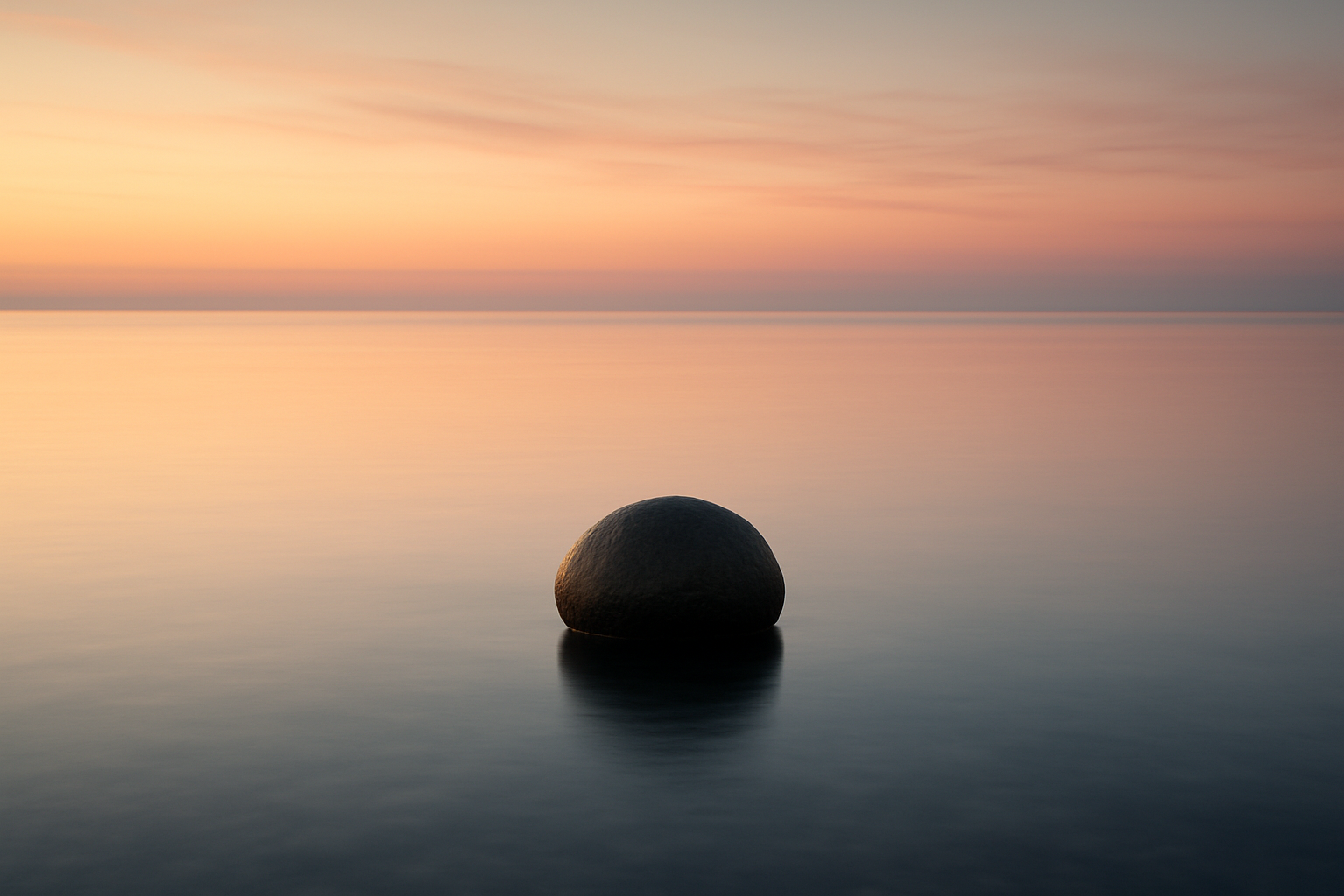
Tag: point

  • The Still Point of the Turning World: Meditative Photography

    The Still Point of the Turning World: Meditative Photography

    There is a quiet beauty found in the practice of meditative photography; a mindfulness that invites one to see the world not as a mere collection of objects, but as a tapestry of moments. This art form challenges photographers to pause, breathe, and find stillness in an ever-accelerating world. It is at this intersection of movement and stillness that T.S. Eliot’s concept of the “still point of the turning world” gains relevance.

    The Essence of Meditative Photography

    Meditative photography is not driven by the intent to capture the perfect shot or adhere to conventional aesthetic theories. Instead, it encourages a deep-seated connection with the environment. Seeing, in this context, becomes an act of mediation where the observer tunes into the intricate dance of light, shadow, and form around them.

    “The journey is what brings us happiness not the destination.” – Dan Millman

    In meditative photography, the journey, the process of observing without judgment, becomes more significant than the end product. Suspend your biases and engage in an unfiltered view of the natural world.

    Practices to Cultivate Mindfulness

    • Slow Down: Take intentional pauses as you walk, letting each step become an anchor. Allow your senses to pick up the nuances in the light or the whisper of the wind through the trees.
    • Embrace Imperfection: Do not seek to impose your vision forcibly onto the scene before you. Accept the imperfections and spontaneity that come with each moment.
    • Reflect on Your Experience: After taking photographs, spend time reflecting on what you felt and saw beyond the lens. Documenting your experiences can deepen your connection to the moment.

    The Impact of Meditative Photography

    Through meditative photography, individuals can develop a heightened awareness of their environment and emotions, aligning them more closely with the present. This practice does not merely change the way one views art but transforms how one perceives life.

    As Ansel Adams, a legendary name in photography, once said, “You don’t make a photograph just with a camera. You bring to the act of photography all the pictures you have seen, the books you have read, the music you have heard, the people you have loved.” Through these shared experiences and a dedication to simply be, one might indeed find the “still point of the turning world.”

    In adopting meditative photography, we embark on a transformative journey, finding tranquility amid chaos and discovering resilience in the passionate act of seeing.
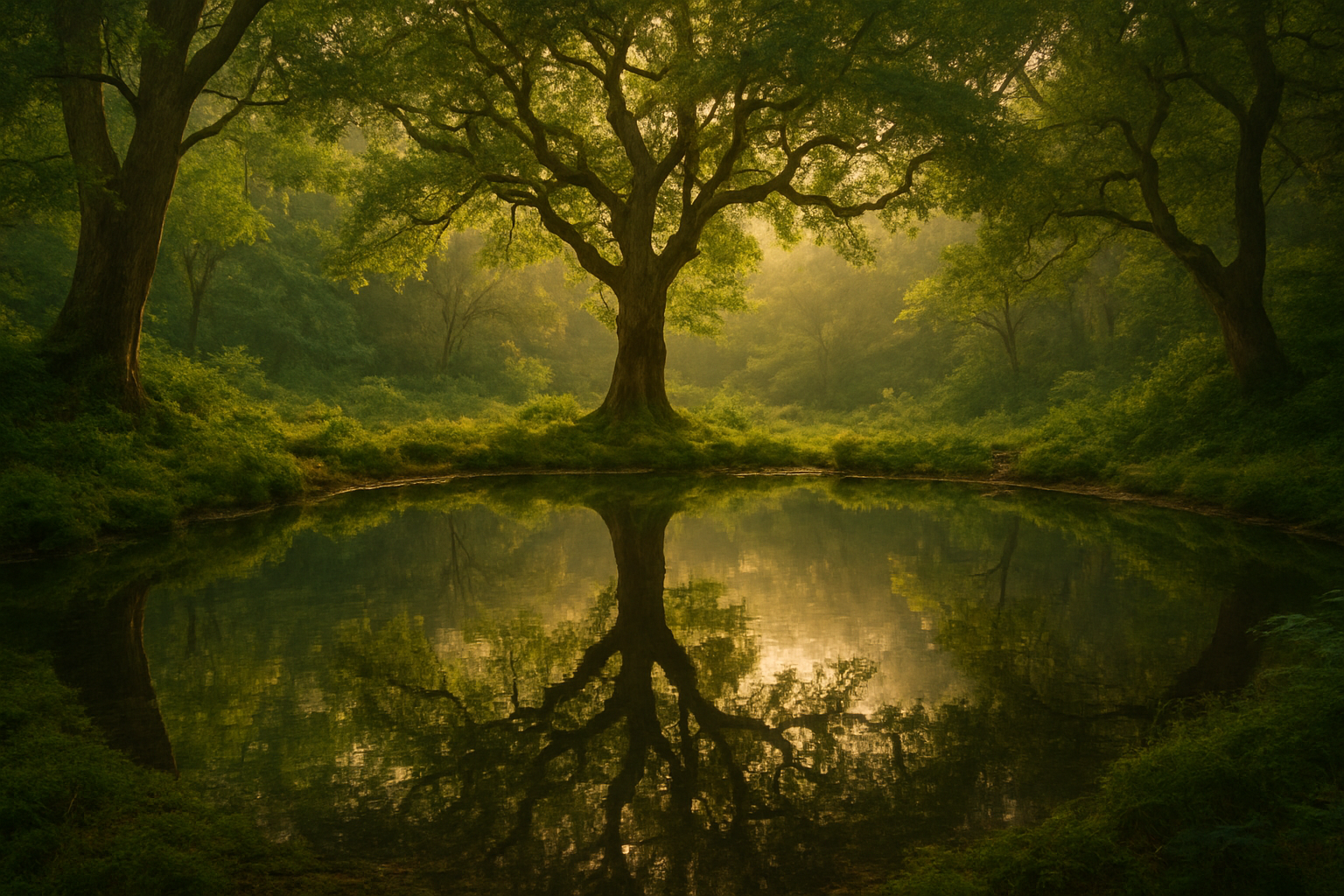
  • The Still Point – Where All Pilgrimage Ends

    The Still Point – Where All Pilgrimage Ends

    The Still Point – Where All Pilgrimage Ends

    The Still Point – Where All Pilgrimage Ends

    The concept of the “Still Point” is one that has intrigued philosophers, poets, and seekers of truth for centuries. It is a place of convergence, of unity, where all paths ultimately lead. But what is this enigmatic point, and why is it considered the end of all pilgrimage? This article delves into the philosophical, spiritual, and metaphysical aspects of the Still Point, examining its relevance in our modern world.

    Understanding the Still Point

    The term “Still Point” was popularized by T.S. Eliot in his poem Burnt Norton, part of his larger work Four Quartets. Eliot writes:

    “At the still point of the turning world. Neither flesh nor fleshless;
    Neither from nor towards; at the still point, there the dance is,
    But neither arrest nor movement.”

    This passage captures the essence of the Still Point as an enigmatic place of balance and tranquility, where time and motion converge but do not disturb the inherent peace.

    Philosophical Interpretations

    Philosophically, the Still Point can be seen as a metaphor for ultimate truth or reality. It represents a state of being that transcends the dualities of life. Governed neither by action nor inaction, it is the awareness that underlies all experience. The philosopher Alan Watts describes it as “the place at the center of the cyclone”—a calm amidst the chaos of life’s inevitable changes.

    • Unity of Opposites: The gap between action and inaction is bridged here, resonating with Taoist teachings of wu wei, or “effortless action.”
    • Non-Duality: Eastern philosophies, particularly Advaita Vedanta, emphasize that the ultimate reality is non-dual; the Still Point embodies this seamless unity.

    Spiritual Pilgrimage to the Still Point

    In religious and spiritual terms, the Still Point is often equated with enlightenment or divine union. It represents a state of existential peace and ultimate understanding, often seen as the goal of spiritual journeying.

    • Buddhist Perspective: In Buddhism, reaching Nirvana might be considered finding one’s Still Point—freedom from the cycle of birth and rebirth.
    • Christianity’s Contemplative Path: Christian mystics, such as Thomas Merton, have described the divine presence as a “still point” within the soul, the heart of one’s being.

    Many spiritual paths involve a metaphorical pilgrimage towards this center. The journey itself is transformative, encouraging individuals to confront and transcend their own limitations.

    The Still Point in Modern Culture

    Contemporary culture has seen a renewed interest in mindfulness and meditation, practices that align closely with the quest for the Still Point. In a world of constant distraction and information overload, finding a Still Point within oneself is a path to mental and emotional well-being.

    • Meditative Practices: Mindfulness meditation encourages individuals to find their own center amidst the noise, much akin to Eliot’s Still Point.
    • Digital Detox: The practice of disconnecting from digital devices can be seen as an attempt to find that tranquility inherent in the Still Point.

    The Science of Stillness

    Interestingly, neuroscience has begun to explore how states of stillness and mindfulness affect the brain. Research indicates that meditation alters brain function and structure, promoting a state of calm and heightened awareness.

    “Meditation practices elicit neural plasticity and might enhance cognitive flexibility by increasing the efficacy of attentional resource allocation.”

    This scientific validation of ancient wisdom underscores the timeless pursuit of the Still Point, reinforcing its importance not just spiritually, but also physiologically.

    Conclusion: The End of the Pilgrimage

    The Still Point is not just a metaphorical destination, but a living, breathing state of being accessible to all. As we navigate through the complexities of life, seeking a Still Point can offer unparalleled peace and insight. Whether approached through philosophy, spirituality, or science, it remains an essential part of the human experience, a reminder of the quiet center that resides within us all.

    At its most profound, the Still Point is the touchstone for all journeys, the space where all paths ultimately lead and all pilgrimages end. Returning to T.S. Eliot’s perspective, perhaps the dance he refers to is life itself—a ballet that, at its core, remains unmoved, unfazed, and eternal.