In our fast-paced world, finding balance and harmony can often seem like a distant goal. The constant barrage of information, responsibilities, and expectations can leave us feeling unanchored. Fortunately, movement practices provide a way to reconnect with our inner core and rediscover our center. This article explores various movement practices that can help modern souls find grounding and tranquility.
The Importance of Movement
Movement is not just about exercise; it’s about tuning into our bodies and minds. According to the American Psychological Association, physical movement helps improve mental health by reducing anxiety, depression, and negative mood while improving self-esteem and cognitive function. Read more here.
“Movement is a medicine for creating change in a person’s physical, emotional, and mental states.” – Carol Welch
- Physical Benefits: Movement improves cardiovascular health, strengthens muscles, and enhances flexibility.
- Mental Benefits: Regular movement releases endorphins, which can reduce stress and create a sense of well-being.
- Emotional Benefits: Engaging in movement allows for emotional expression and release, leading to improved mood.
Exploring Movement Practices
Let’s delve into a few movement practices that are gaining popularity for their holistic benefits. These practices not only improve physical health but also enhance mental clarity and emotional stability.
Yoga: Union of Mind and Body
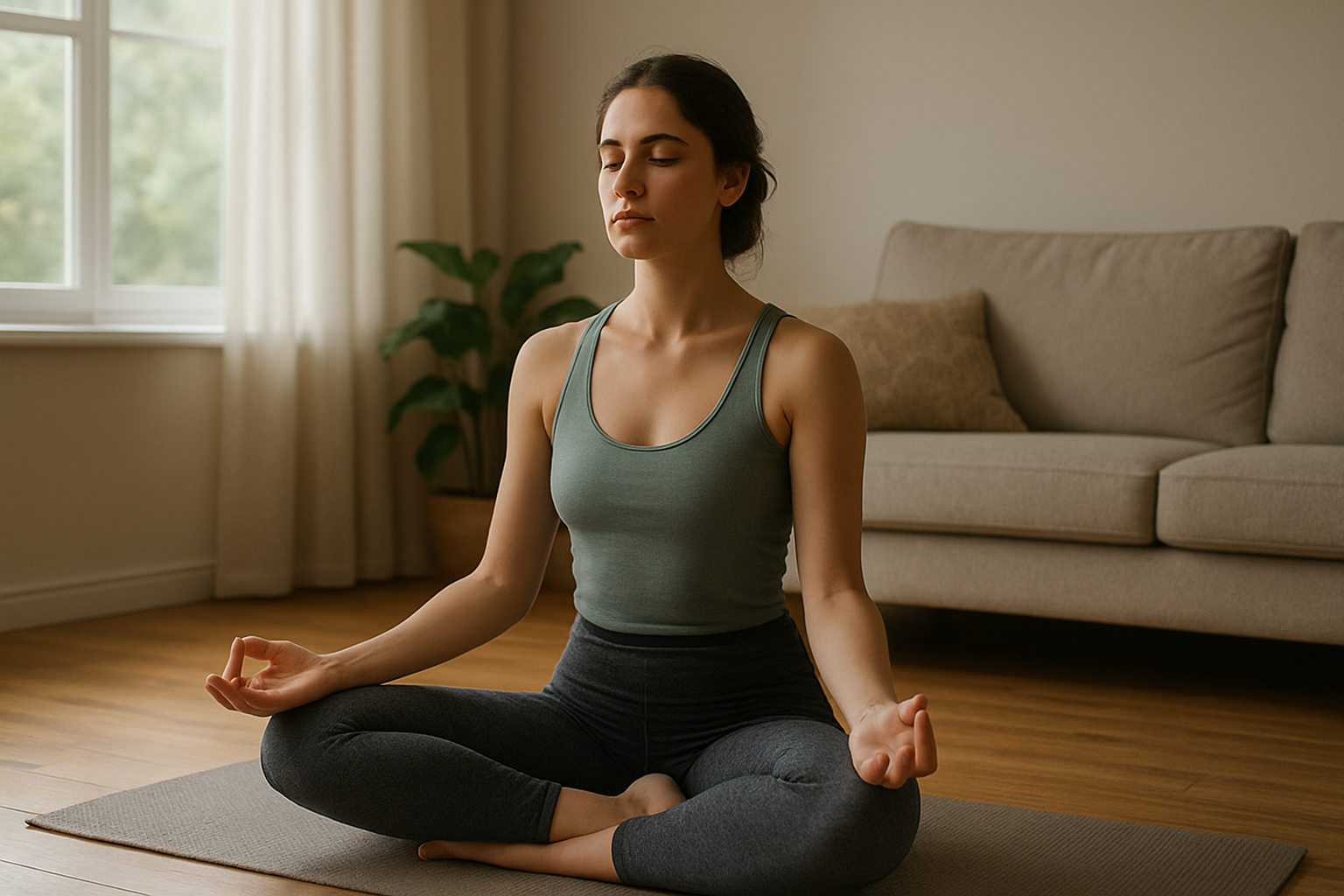
Yoga has been practiced for thousands of years and is renowned for its ability to unite mind and body. The Yoga Journal describes yoga as a comprehensive discipline that combines breathing techniques, postures, and meditation.
- Hatha Yoga: Focuses on physical postures for alignment and balance.
- Vinyasa Yoga: Involves dynamic breathing and flowing movements to create internal heat.
- Yin Yoga: Targets connective tissues and promotes flexibility through long-held poses.
Yoga is praised for its calming effect on the nervous system and its ability to cultivate mindfulness, aiding modern souls in achieving inner peace.
Tai Chi: The Flowing Balance
Tai Chi is often referred to as “meditation in motion.” This ancient Chinese practice involves gentle, flowing movements and deep breathing techniques. According to the Mayo Clinic, Tai Chi is effective in reducing stress, improving balance, and enhancing overall well-being.
“The supreme accomplishment is to blur the line between work and play.” – Arnold J. Toynbee
Tai Chi encourages the coordination of mind and body, allowing practitioners to remain centered, even amidst life’s chaos.
Dance: Expressive Liberation
Dance is more than a form of art; it is a liberating practice that allows individuals to express their emotions and energies creatively. Whether it’s ballet, contemporary, salsa, or hip-hop, dance offers a channel for emotional release and self-discovery.
- Improvised Movement: Encourages creativity and self-expression.
- Structured Dance: Provides discipline and focus through choreographed routines.
Studies indicate that dance can significantly improve mental health by reducing stress and fostering a sense of community. Dance classes provide an opportunity to connect with others, reducing feelings of isolation prevalent in modern life.
Integrating Movement into Daily Life
Incorporating movement into daily life doesn’t need to be complicated. Here are practical tips to seamlessly integrate these practices into your routine:
- Start Small: Begin with short sessions, like 10 minutes of yoga or a quick Tai Chi routine.
- Set a Schedule: Dedicate specific times for movement to create consistency.
- Focus on Mindfulness: Pay attention to how your body feels during movement, deepening the mind-body connection.
- Find Community: Join a local class or online group for support and motivation.
By gradually incorporating these practices into your lifestyle, you’ll find improved balance not only physically but mentally and emotionally.
Conclusion: Nurturing the Modern Soul
Movement practices offer a profound way to nurture the modern soul, offering a path back to our center amidst the chaos of daily life. As we engage in yoga, Tai Chi, dance, and other activities, we not only improve our health but also foster resilience, inner peace, and self-awareness.
Finding your center through movement isn’t about perfection; it’s about being present in the moment and listening to what your body and soul need. As Rumi eloquently puts it, “The wound is the place where the Light enters you.” By moving mindfully, we allow ourselves to heal and transform, finding balance in a world that often feels off-kilter.
Start your journey today. Explore these practices and let them guide you to a more centered and fulfilled life.