Tag: performance

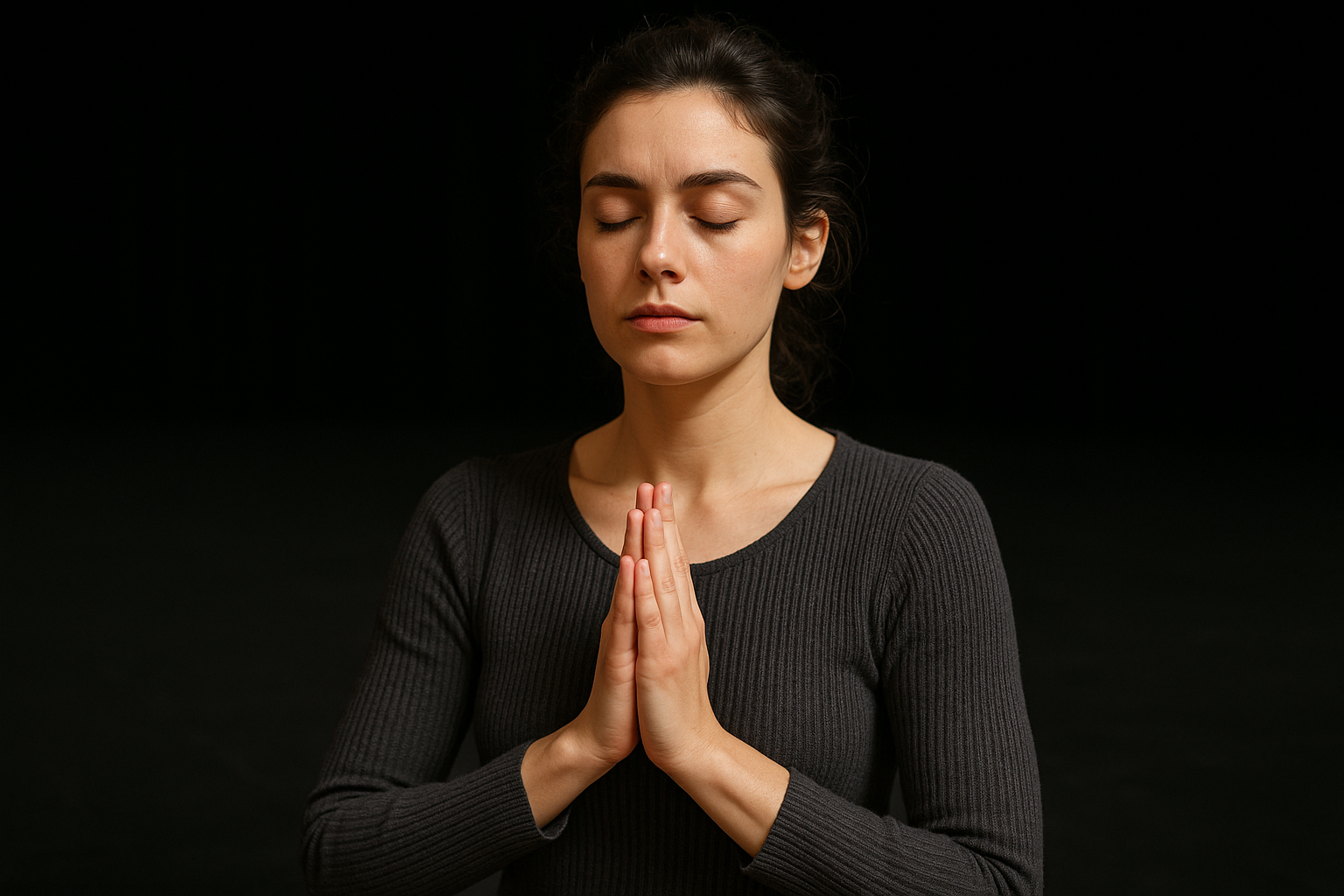
  • The Breath of the Moment: Mindfulness in Contemporary Performance

    The Breath of the Moment: Mindfulness in Contemporary Performance

    As we navigate through the complex tapestry of modern life, with its incessant demands and distractions, mindfulness has emerged not just as a trend but as an essential practice in various fields. This is particularly true in the realm of contemporary performance, where the intersection of mindfulness and art offers both practitioners and audiences a profound reconnection with the present moment.

    The Role of Mindfulness in Performance

    Mindfulness, characterized by paying attention in a particular way: on purpose, in the present moment, and non-judgmentally, as Jon Kabat-Zinn, founder of the Mindfulness-Based Stress Reduction program at the University of Massachusetts Medical Center, eloquently describes it, has permeated the world of performance art. Performers often deal with stressors such as stage fright, audience judgment, and the pressure to meet high expectations. Mindfulness provides a toolkit to navigate these challenges effectively.

    Enhancing Creativity and Presence

    Mindfulness encourages performers to remain present, fostering a deeper connection with their art. Dancer and choreographer Forsythe has famously stated, “When a dancer is truly mindful, the space opens up for creative spontaneity.” This spontaneity is critical in contemporary performance, where authenticity and originality are highly valued.

    • Improved Focus: Mindfulness practices as simple as breath control and meditation can greatly enhance a performer’s focus, allowing them to fully immerse themselves in their craft.
    • Emotional Regulation: By mindfully acknowledging emotions without judgment, performers can harness their emotional experiences to enrich their expressivity rather than impede their performance.
    • Body Awareness: Performers often describe mindfulness as a way to develop a profound body awareness, improving physicality in movement-based performances.

    The Audience Experience

    Mindfulness is not just transformative for performers but equally enriching for audiences. A mindful audience member engages more deeply with the performance, noticing subtleties and more fully experiencing the art form. In the words of musician Leonard Bernstein, “To achieve great things, two things are needed: a plan, and not quite enough time.” In this ephemeral nature of performances, mindfulness enhances the ephemerality by deepening appreciation.

    Case Studies in Mindful Performance

    Immersive Theater

    One of the most striking examples of mindfulness in contemporary performance is found in immersive theater. Productions such as Sleep No More by Punchdrunk immerse audiences in an environment where they must actively participate, requiring intense focus and presence. Audiences are compelled to engage mindfully to follow the narrative, which changes based on their movements within the performance space.

    Music and Mindfulness

    The musical sphere has not been untouched by the effects of mindfulness. Artists like Yo-Yo Ma, in an interview with the NPR, shared insights on mindfulness practices and how they enhance the ability to deliver emotionally compelling performances. Musicians utilize mindfulness to stay in tune not only with their music but with the collective experience shared with their audience.

    Challenges and Considerations

    While the integration of mindfulness in contemporary performance has significant benefits, challenges remain. Critics argue that the increasing commodification of mindfulness, branded and packaged as a quick fix, risks diluting its depth and potential. The key lies in ensuring that mindfulness practices are adapted thoughtfully, maintaining their integrity and not detracting from the authenticity of the performance itself.

    Moreover, there is ongoing dialogue about accessibility and inclusion in mindful practices within performance art. Ensuring that tools and strategies are accessible to a diverse range of performers is crucial. As audiences grow more diverse, performances that mindfully reflect various cultural and social realities have the potential to resonate more deeply.

    Conclusion

    The integration of mindfulness into contemporary performance marks a significant shift in how art is created and consumed. As performers and audiences alike embrace mindfulness, the essence of being ‘in the moment’ transforms art into a powerful, shared experience. As Kabat-Zinn aptly notes, “The best way to capture moments is to pay attention. This is how we cultivate mindfulness.” In the realm of performance, this cultivation fosters not only better art but a more profoundly engaged audience.

    In a world that often pulls towards multitasking and distraction, the presence afforded by mindful engagement in performance art offers both artists and audiences a rare and precious gift: the chance to fully embody the now. As the breath of the moment expands, so too does the appreciation for the art that so vividly occupies that space.

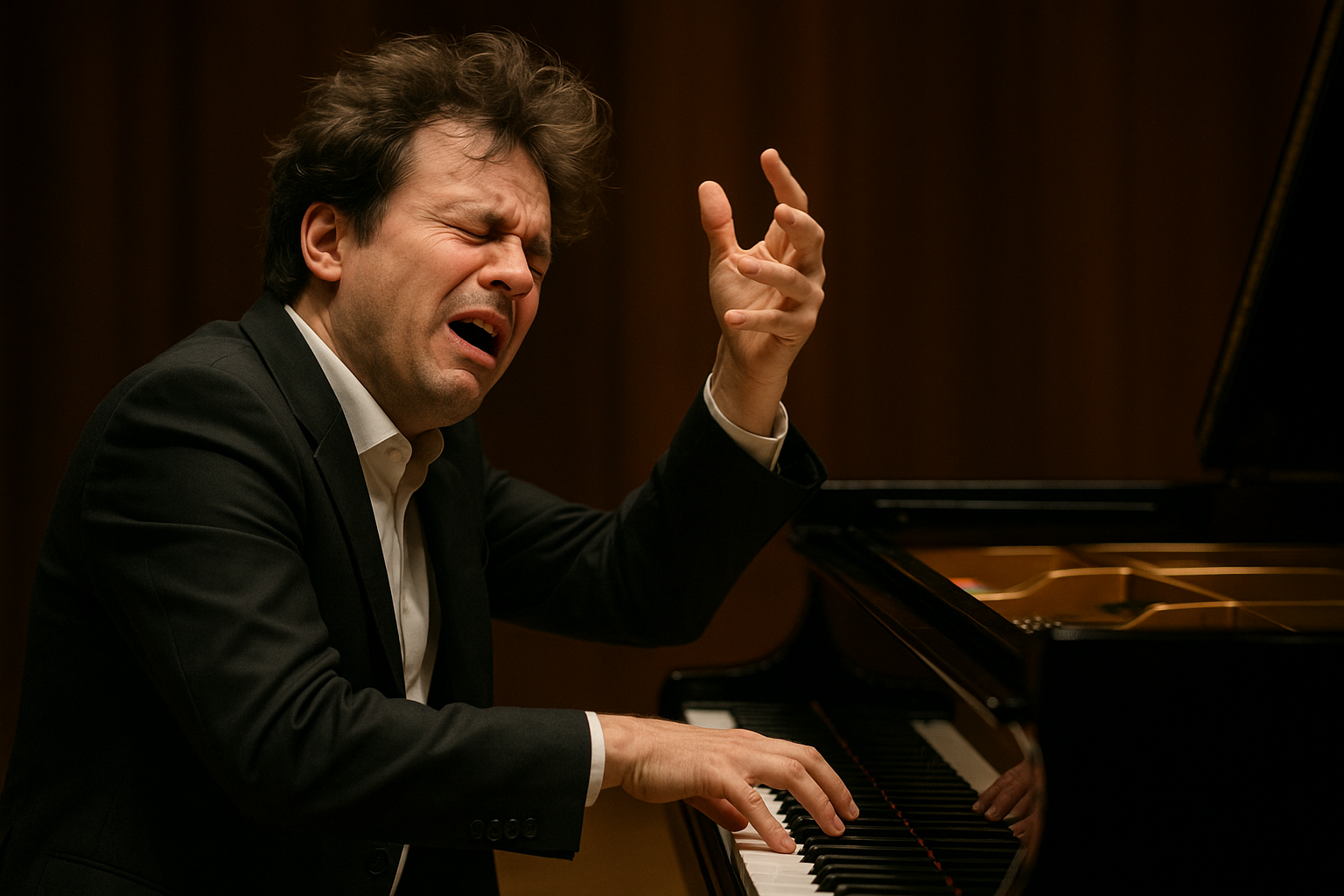
  • The Ecstasy of Error: Embracing Imperfection in Performance

    The Ecstasy of Error: Embracing Imperfection in Performance

    In the fast-paced world of performance, whether on stage, in sports arenas, or in corporate boardrooms, the pursuit of perfection often takes center stage. Yet, a growing chorus of voices is beginning to recognize the value of imperfection as a critical component of authentic and compelling performances. The ecstasy of error, a concept that celebrates mistakes as learning opportunities and catalysts for creativity, invites performers and audiences alike to redefine success and embrace the unexpected.

    The Beauty of Imperfection

    Throughout history, artists and thinkers have recognized the beauty inherent in imperfection. The Japanese concept of wabi-sabi venerates simplicity and the beauty of things incomplete or imperfect. As author Richard Powell puts it, “Wabi-sabi nurtures all that is authentic by acknowledging three simple realities: nothing lasts, nothing is finished, and nothing is perfect.”

    This philosophy is particularly pertinent in performances where spontaneity and human error inject authenticity and relatable vulnerability. Consider the timeless appeal of live music. Every concert is an opportunity for musicians to reinterpret their own work, perhaps hitting a wrong note or missing a cue, adding a unique, ephemeral quality to each performance. It is these imperfections that often render a performance memorable and genuine.

    The Science Behind the Mistake

    From a psychological standpoint, the fear of making mistakes is deeply ingrained in many of us. However, research suggests that making errors can actually stimulate learning processes. According to a study published in the Journal of Experimental Psychology, mistakes activate brain regions associated with learning and memory, suggesting that error-making is essential for growth and skill acquisition (APA Journal).

    “An error is not a stepping stone to a decision; it is a decision in itself,” states psychologist James Reason, emphasizing the reflective potential of errors.

    The performance arts are replete with examples of how mistakes lead to unexpected creative breakthroughs. Choreographer Crystal Pite advises her dancers to “keep your mistakes as gifts,” transforming potential missteps into new creative avenues.

    Case Studies in Error-Driven Innovation

    • Live Theatre: In the realm of live theatre, actors are trained to adapt to unforeseen circumstances such as forgotten lines or technical malfunctions. These improvisations often enrich performances, enchanting the audience with spontaneous comedy or drama that might be absent in a flawless rendition.
    • Sports: Athletes like Michael Jordan have achieved greatness by learning from their failures. In his own words, “I’ve missed more than 9,000 shots in my career. I’ve lost almost 300 games. 26 times, I’ve been trusted to take the game-winning shot and

  • The Body Electric: Performance Art as Spiritual Medium

    The Body Electric: Performance Art as Spiritual Medium

    In the ever-evolving landscape of art, performance art stands as a unique and transformative form, aptly described in Marina Abramović’s words: “Performance is a mental and physical construction that the artist creates, transforming one into a vessel to be filled with emotions and experiences.” This power of transformation speaks to the heart of performance art’s potential as a spiritual medium.

    The Genesis of Performance Art

    Emerging from the avant-garde traditions of the early 20th century, performance art evolved as a rebellion against conventional forms. Influenced by Dadaism, Surrealism, and the Fluxus movement, the art form sought to capture the immediacy of life and the presence of the artist. Historically, performance art was a vehicle for the anti-art sentiments expressed by pioneers such as Marcel Duchamp and Yoko Ono, who redefined the boundaries of what art could be.

    Defining the Spiritual Medium

    Performance art transcends traditional spiritual practices by engaging in a physical dialogue with the metaphysical. Artists utilize their bodies as canvases, communicating unspoken truths and exploring states of consciousness. This connection between body and spirit forms a critical tenet of performance art as a spiritual medium.

    The Role of the Artist

    • Conduit of Experience: Artists often view themselves as conduits, channeling energy, emotion, and spiritual awareness through their performances.
    • Embodied Ritual: Performance art becomes a ritualistic expression, where repetitive actions or endurance-based experiences evoke spiritual states.

    “When you perform, you are opening yourself as a channel to whatever emotions, energies, or spiritual experiences might arise.” — Marina Abramović

    Landmark Works and Their Spiritual Resonance

    The journey of performance art as a spiritual medium is best illustrated through landmark works that have perpetuated this enigmatic connection.

    Yves Klein: Leap into the Void

    In 1960, Yves Klein’s famous photographic montage, “Leap into the Void”, captured the artist in mid-air, defying the physical laws of nature. Klein referred to his leap as an act of faith, opening a pathway to the infinite and expressing the notion of trust in spiritual surrender to unknown forces.

    Marina Abramović: The Artist is Present

    In 2010, Marina Abramović’s iconic piece “The Artist is Present” invited viewers to sit in silence with her, creating a shared meditation space. This meeting of energies transformed a simple gaze into a profound spiritual communion. Abramović held the space for a reverent interaction, where both practitioner and participant transcended the confines of the museum setting.

    Chris Burden: Trans-Fixed

    Chris Burden’s radically controversial work, “Trans-Fixed” (1974), saw him crucified on a Volkswagen Beetle, invoking powerful religious iconography. Through this intense ordeal of endurance, Burden offered himself as a living representation of self-sacrifice, inviting audiences to confront themes of pain, devotion, and transcendence.

    The Mechanism of Spiritual Engagement

    Performance art engages spirituality through several mechanisms:

    Silence and Stillness

    • Meditative Experiences: Works often employ silence or stillness, akin to meditation, allowing both artist and audience to delve into introspection and contemplation.

    Ritual and Repetition

    • Collective Consciousness: The repetitive nature of some performances elevates the act to a spiritual ritual, linking human consciousness in shared experiences.

    Emotional Rawness

    • Unfiltered Expression: Performance art forgoes pretensions to focus on raw, visceral emotions. The artist’s vulnerability invites empathy and unity from the audience.

    The Audience as a Spiritual Participant

    Performance art establishes an inclusive dynamic, invoking the audience as an essential part of the spiritual experience. As Joseph Beuys once suggested: “Everyone is an artist.” This concept reflects the interactive nature of performance art, where audience members are not passive observers, but active participants in the spiritual exchange.

    Transformative Witnessing

    • Empathy and Catharsis: Audiences often undergo emotional transformations, perceiving the performance as a catalyst for their own spiritual reflections.

    Collective Energy

    • Unified Experience: The shared energy within the performance space fosters a collective journey, bridging individual spirits into unified consciousness.

    Conclusion: The Eternal Dance of Body and Spirit

    In the realm of performance art, the body becomes the ultimate medium through which spirituality is both explored and expressed. Artists like Marina Abramović, Yves Klein, and Chris Burden have demonstrated that through performance, art transcends its traditional boundaries and becomes a sacred vehicle for spiritual exploration and transformation.

    As contemporary artists continue to blur the lines between art and spirituality, the bodily engagement with the electric current of spiritual consciousness promises to deepen our understanding of our own spiritual nature. In witnessing performance art, with all its unfiltered emotions and transcendent possibilities, we become participants in a never-ending dance of body and spirit.

    The future of performance art holds the potential for even more profound spiritual awakenings, where the unseen world of the spirit is brought forth into vivid expression. In this dance of the body electric, art becomes not just a reflection of the soul, but an invitation to delve into the mysterious essence of existence itself.