Tag: paths

  • Whispering Paths – Subtle Teachings from the Natural World

    Whispering Paths – Subtle Teachings from the Natural World

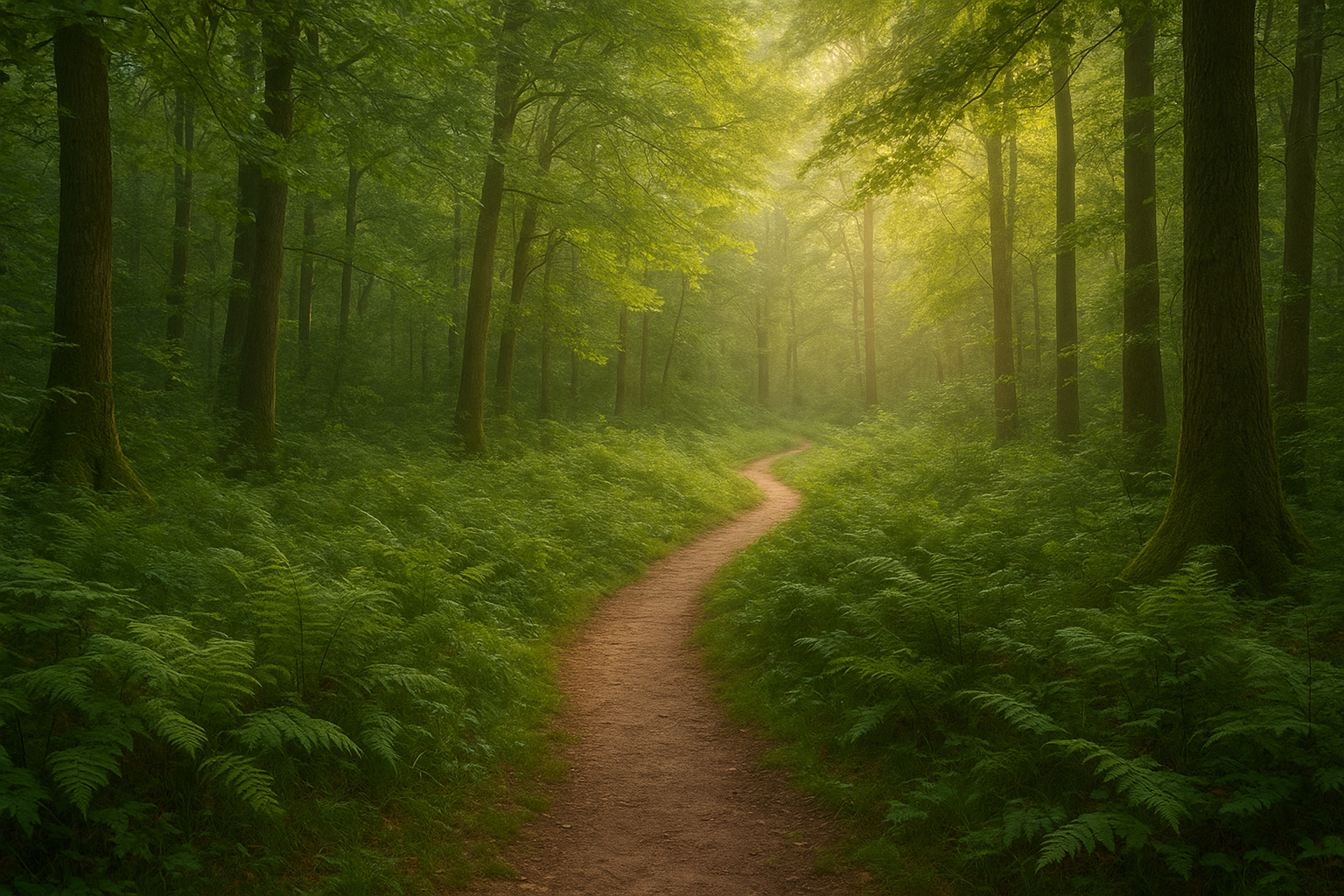
    The natural world is a tapestry of intricate patterns and silent symphonies, where every leaf, ripple, and gust of wind holds a story or a lesson. As we meander through the whispering paths of forests, fields, and streams, we are invited to pause, listen, and learn from the subtle teachings embedded in the landscape.

    The Wisdom of the Forest

    Forests, with their towering trees and shadowy understories, are the epitome of patience and resilience. An old proverb says, “The creation of a thousand forests is in one acorn.” This notion is echoed in the endless cycles of growth and decay we witness throughout the forest. Tree trunks bear the scars of time, yet their canopies reach ever skyward, teaching us about the balance of strength and vulnerability.

    Lessons in Humility from the Wide-open Skies

    Gazing up at an open sky can be a humbling experience, reminding us of our minute place in the universe. According to Dr. Seuss, “You have brains in your head. You have feet in your shoes. You can steer yourself any direction you choose.” Yet, the infinite span of the sky teaches us to temper our ambitions with humility.

    “The sky is the daily bread of the eyes.” – Ralph Waldo Emerson

    With its ever-changing hues and formations, the sky is a canvas of fleeting beauty, each current and cloud carrying insights about the impermanence of our desires and the constancy of change.

    The Fluid Language of Rivers

    • Adaptability: Rivers teach us the lesson of adaptability. They carve through tectonic challenges, bending and turning but never losing their path.
    • Persistence: Over eons, even the softest waters of a river can cut through the hardest rock, showing the power of gradual but persistent effort.

    Philosopher Heraclitus once noted, “No man ever steps in the same river twice, for it’s not the same river and he’s not the same man.” This quote embodies the river’s role as a tutor in growth and transformation.

    The Language of Seasons

    Like chapters in a book, each season offers unique teachings:

    • Spring: The tender green shoots of spring remind us of rebirth and optimism. It’s a season that encourages hope and new beginnings, a reminder that after every winter, renewal follows.
    • Summer: This season celebrates abundance and vitality. It’s a period of joy and full bloom, where the world invites us to relish and participate in the exuberance of life.
    • Autumn: As trees shed their leaves, autumn teaches the beauty of letting go. It’s an invitation to release what no longer serves us, creating space for inner growth.
    • Winter: In its stillness, winter offers the gifts of reflection and rest. It allows us to appreciate the quiet moments and the clarity they bring.

    The Messages Carried by Birds

    Birds, ever-watchful and ever-in-motion, embody freedom and grace. They soar with effortless beauty, whispering promises of liberation to those tethered by the ordinary. A quote by Emily Dickinson perfectly encapsulates this: “Hope is the thing with feathers that perches in the soul – and sings the tunes without the words – and never stops at all.” Birds invite us to spread our own wings, to sing our unique songs even during the most testing times.

    The Silent Whisper of Rocks

    Even the stoic rocks carry ancient whispers. Worn and weathered, they are keepers of time’s secrets. They remind us of the endurance required to withstand life’s turbulent tides. Through their silent endurance, they teach us about the stillness needed to anchor our restless spirits.

    Conclusion

    The natural world is constantly speaking, offering wisdom to those willing to listen. Whether it’s the resolute whisper of the wind, the patient murmur of a brook, or the silent testimony of a mountain peak, nature invites us to walk its paths with open hearts and minds. As we attune ourselves to these whispering paths, we deepen our sense of connection, not only to the world around us but to the essence within ourselves.

    This deepened relationship with nature fosters a holistic sense of well-being, one that integrates the body, mind, and spirit in an indivisible tapestry of life. Let us wander these paths and glean from their quiet wisdom, allowing the natural world to guide us toward the truths hidden within its subtle teachings.
  • The Forgotten Road – Rediscovering Ancient Daoist Paths

    The Forgotten Road – Rediscovering Ancient Daoist Paths

    The Forgotten Road: Rediscovering Ancient Daoist Paths

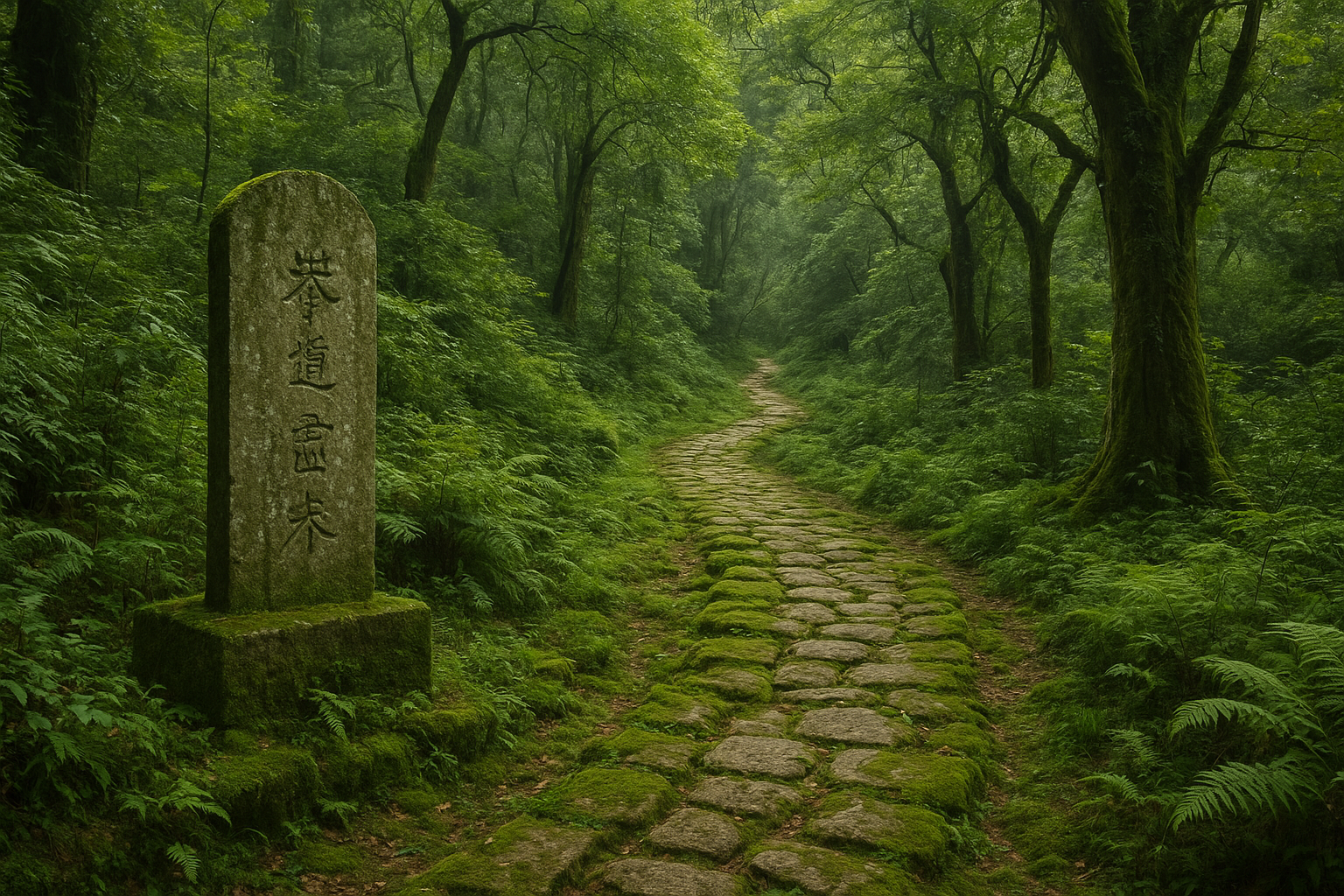
    The rich tapestry of Daoism is interwoven with teachings, rituals, and sacred sites, many of which have been forgotten by time. Among these are the ancient Daoist paths—sacred trails that once hosted the contemplative footsteps of monks and seekers. These paths served as a journey into the self as much as a physical route across the land. Today, there is a resurgence of interest in rediscovering these mystical trails and reviving their ancient wisdom.

    The Origins of Daoist Paths

    Daoism, or Taoism, is a philosophical and spiritual tradition that emphasizes living in harmony with the Dao, which translates closely to “the Way.” Originating during the Eastern Han Dynasty as an organized religion, Daoism evolved from earlier shamanistic traditions and nature worship. The Daoist paths were more than mere roads; they were spiritual journeys laid out by the geography of ancient China.

    “The essence of Daoism is a return to nature and a journey towards immortality—in body or spirit.”

    The Purpose and Structure of the Paths

    The ancient paths often connected remote mountainous temples and hermitages, weaving through lush landscapes, which provided the ideal backdrop for contemplation and meditation. These routes symbolized the intricate and often challenging path toward enlightenment, embodying both a literal and metaphorical journey.

    • Spiritual Pilgrimage: Traversing these paths was part of a spiritual journey, where each step was a meditation and each breath a prayer.
    • Communion with Nature: The natural surroundings allowed practitioners to align themselves with the tangibles of the world around them and the intangibles within.
    • Solitude and Reflection: These secluded trails offered a respite from the distractions of the world, allowing for deep contemplation.

    Rediscovery and Modern Relevance

    In recent decades, there has been a growing interest in exploring these paths anew, ignited by a global resurgence in spiritual tourism and ecological consciousness. This revival is not just about historical curiosity; it’s a movement that taps into a universal longing for authenticity and connection with nature.

    Reconnecting with Heritage

    In China, efforts are underway to restore these paths, revitalize local communities, and integrate the trails into broader cultural tourism plans. This initiative is not only a boon for cultural preservation but also for local economies, bringing sustainable tourism to underserved areas.

    Global Impact

    Beyond China, the teachings of Daoism resonate worldwide, encouraging millions to seek wisdom from this ancient tradition. The ancient paths embody a commitment to reconnect with the earth, promoting practices like simplicity and eco-awareness that are increasingly relevant in today’s world grappling with environmental challenges.

    Notable Ancient Paths

    Several routes of historical significance continue to intrigue in the quest for ancient Daoist wisdom.

    • Wudang Mountains: Renowned for their stunning scenery and deep spiritual significance, the paths crisscrossing these mountains are steeped in the mystical practices of internal alchemy.
    • Mount Qingcheng: A cradle of Daoism, this site offers a labyrinth of trails that once led adepts to profound meditation and understanding.
    • The Longhu Mountain Trails: Often considered as one of the birthplaces of Daoism, these paths are famed for their connection to celestial masters and ancient rituals.

    A Personal Trek

    For those who yearn to walk these paths themselves, the journey is not merely physical. It is a pilgrimage into one’s soul, tracing footsteps laid hundreds of years ago, engaging with the same vistas and pondering the same existential mysteries.

    “The great way is not difficult for those who hold no preferences.” This ancient Daoist saying captures the essence of the journey, inviting travelers to embrace each path as it comes, with equanimity and openness.

    The Legacy of Ancient Paths

    Ultimately, rediscovering ancient Daoist paths enriches both the traveler and the tradition. By seeking these roads, we do not only preserve the paths themselves but also the ethos they embody—a harmony with nature, a balance between mind and body, and a quest for spiritual fulfillment.

    “In returning and rest shall you be saved; in quietness and trust shall be your strength.”

    Conclusion: Continuing the Journey

    The forgotten Daoist roads are being walked once again, symbolizing perhaps not a grand return to ancient ways, but rather a modern quest for understanding and balance. As we tread softly upon these ancient paths, we carry forward their legacy—a reminder of the delicate, enduring connection between humanity and the cosmos.

  • Paths Made of Rain – Ephemeral Journeys through the Living World

    Paths Made of Rain – Ephemeral Journeys through the Living World

    Paths Made of Rain: Ephemeral Journeys through the Living World

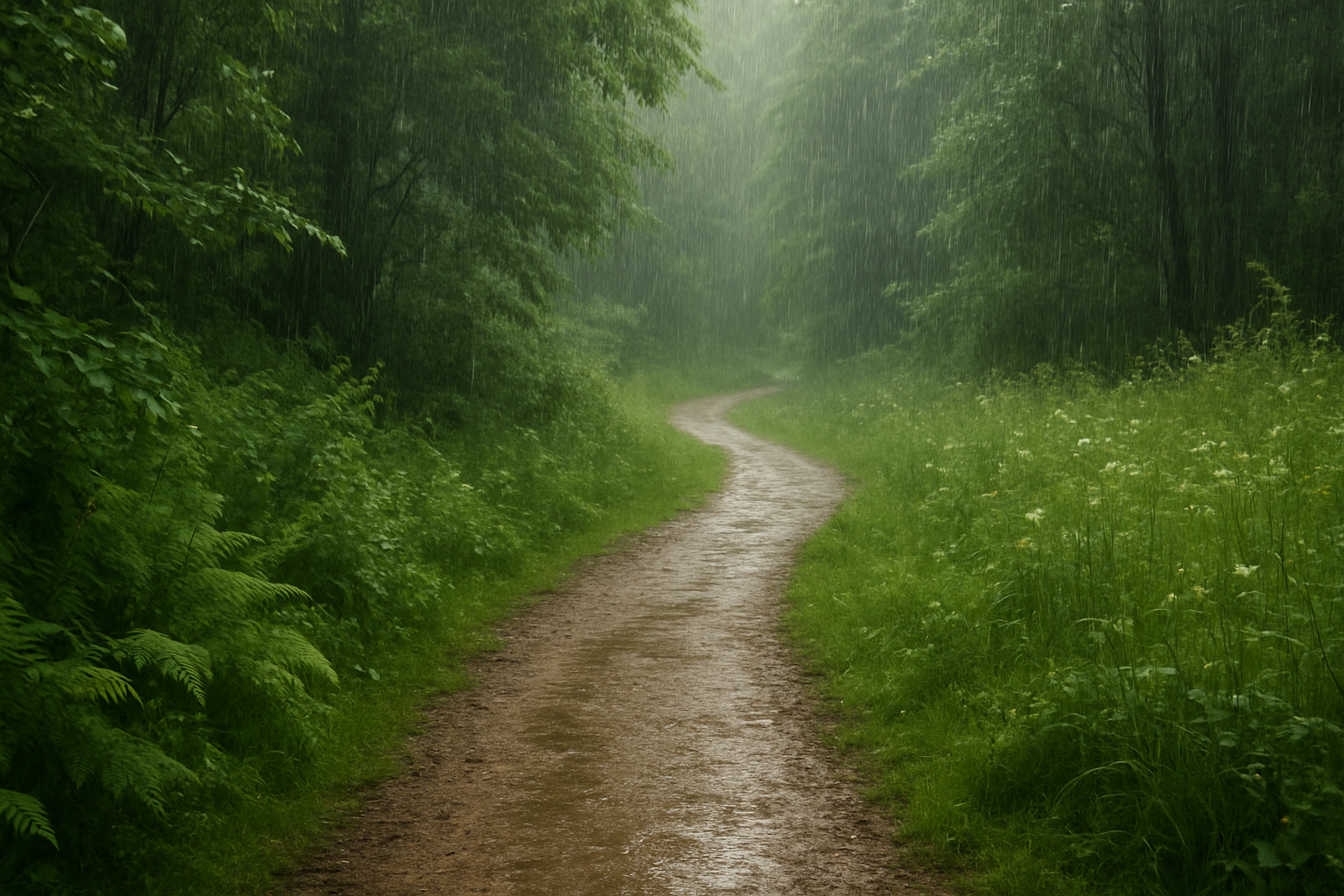
    In the heart of our complex and multifaceted world lies a profound beauty as fleeting and transient as the paths made of rain. These ephemeral journeys are not confined to ordinary travel; they transcend it, offering reflections on the temporality of existence and the delicate interplay between human perception and the natural environment. Through examining these rain-crafted pathways, one uncovers insights about life, existence, and the world we inhabit.

    The Essence of Ephemeral Paths

    Ephemeral paths, by their very nature, assert the impermanence of the world around us. These paths exist only in the presence of rain, whispering the tale of their brevity as water traces trails across landscapes. As Heraclitus famously stated, “No man ever steps in the same river twice, for it’s not the same river and he’s not the same man.” This captures the transient essence by which paths made of rain are governed—a continuous flux that defies permanence.

    Philosophical Underpinnings: Impermanence and Existence

    The concept of impermanence is a fundamental aspect of many philosophical discourses. Within Buddhist teachings, impermanence—or anicca—is one of the three marks of existence. The ephemeral nature of rain paths can be seen as an embodiment of this principle. Each journey carved by raindrops is a testament to the understanding that all things are in a state of perpetual change.

    “Understanding the impermanence of things creates nothing less than a radical transformation in the way we regard the present moment and its possibilities.”
    Plato

    Thus, paths made of rain invite us to engage with the present, to pause and observe the fleeting moments that constitute our journeys. In doing so, one finds a deeper appreciation for the world’s transient beauty.

    Sensory Interactions: Connecting with the Natural World

    There is a profound sense of connection when walking along paths made of rain. The rhythmic sound of droplets, the scent of wet earth, and the sight of glistening reflections create an immersive experience. Rain paths invite an active engagement with the natural environment that grounds one in the present. This sensory participation fosters a mindfulness that is often lost in the hurried pace of modern life.

    Author and philosopher Henry David Thoreau wrote extensively about the need for such connectivity with nature, asserting that “All good things are wild and free.” Here, the interface between wildness and temporality plays out, as rain transforms the ordinary into a canvas of reflections and temporary beauty.

    Artistic Reflections: Influence in Art and Literature

    A glimpse into art and literature reveals how ephemeral journeys have inspired creators across genres. Impressionist painters like Claude Monet captured transient light and fleeting conditions, much akin to the ephemeral paths made of rain. Monets’s water lilies, for instance, are vivid embodiments of both light and reflection—a visual symphony of transience.

    Furthermore, Japanese haiku poets such as Matsuo Bashō encapsulated the essence of fleeting moments. Bashō wrote, “Winter solitude / in a world of one color / the sound of wind.” This haiku, though not about rain specifically, encapsulates the ephemeral sensory experience akin to observing rain paths.

    The Imperative of Ephemeral Journeys

    In a world increasingly dominated by dynamic shifts and unforeseen transformations, recognizing and appreciating ephemeral journeys through the living world becomes imperative. It fosters resilience, adaptability, and a better understanding of the transient nature of life. These paths, crafted by the touch of rain, call us to reconsider the nature of our existence.

    A modern interpretation could delve into the environmental sphere, considering how climate change affects these natural occurrences. As weather patterns fluctuate, the frequency, intensity, and nature of rain change, further influencing how these paths manifest and are experienced.

    Conclusion: Reflecting on the Passage

    In reflecting on paths made of rain, we are reminded of the intricate yet transient journey of life itself—our perceptions honed by the beauty of transition and the impermanence of our surroundings. As we walk these ephemeral journeys, let us not only admire their beauty but also derive meaning and insight from their fleeting existence.

    Through engagement with these experiences, we can cultivate a deeper understanding of nature’s transient wisdom, embedding a sense of harmony and mindfulness within our own passages. Thus, journeys on paths made of rain become profound meditations on the ephemeral yet enduring essence of our world.

  • Walking the Invisible Path

    Walking the Invisible Path

    In the vast realms of fantasy literature and myth, the concept of an invisible path has captured the imaginations of storytellers and audiences alike. This ethereal journey is often more about inner discovery and growth than the physical progression of steps. Just as much a metaphorical journey as a physical one, the invisible path represents a profound quest for truth, enlightenment, and purpose.

    “It is not in the stars to hold our destiny but in ourselves,” William Shakespeare once remarked, highlighting the intrinsic voyage of the self, a central theme to the invisible path.

    The Allure of the Invisible Path

    The idea of traversing an unseen route is appealing because it implies a venture into the unknown, promising a transformation of one’s perspective or sense of self. It offers a narrative ripe with mystery and the potential for discovering hidden truths. This concept is seen across many cultures and literary traditions, often symbolizing the transition from ignorance to enlightenment.

    • Mythological Roots: Many cultures include tales of hidden paths. In Japanese mythology, the Kami or spirits live unseen among humans, often approached through paths known only to the wise.
    • Literary Exploration: Authors like C.S. Lewis in his Chronicles of Narnia series, explore these paths to great effect. The wardrobe in The Lion, the Witch and the Wardrobe serves as an invisible portal to another world.
    • Philosophical Undertones: Such paths are frequently used as symbols for philosophical introspection and spiritual teachings, as seen in works like Hermann Hesse’s Siddhartha.

    Symbolism in the Unseen

    The invisible path is rich with symbolism, often acting as a metaphor for events or stages of life that are not immediately apparent but have a profound effect on our being. Such paths teach us that real change often occurs internally before it is manifested externally, a concept echoed in many spiritual teachings.

    “Not all those who wander are lost,” J.R.R. Tolkien famously wrote in The Lord of the Rings, implying that even paths that aren’t clearly visible lead to discovery and meaning.

    Historical Perspectives

    History is filled with stories of individuals and cultures who have embarked on journeys both physical and spiritual through invisible paths. These journeys often require them to seek knowledge beyond what is seen, to venture into realms of understanding not easily accessible.

    • Spiritual Pilgrimages: Many ancient traditions have paths that are both literal journeys and moral guidelines, such as the routes to sacred sites in pilgrimages.
    • Vision Quests: Native American tribes practice vision quests, where young individuals embark on a solitary journey to seek guidance and knowledge, often traversing unseen spiritual paths.
    • The Alchemist’s Journey: In Paulo Coelho’s The Alchemist, the protagonist Santiago follows a path defined by dreams and omens, illustrating the invisible journey toward one’s ‘Personal Legend’.

    The Invisible Path in Modern Context

    In today’s world, the concept of the invisible path may seem anachronistic, but it remains relevant, especially in personal development and self-discovery. Modern life offers countless invisible paths of its own, often in the form of choices that lead to unexpected growth and opportunities.

    • Career Paths: In the professional world, individuals often find themselves on careers paths that are not linear but invisibly winding, leading to innovations and breakthroughs.
    • Personal Growth: The journey of personal growth is deeply intertwined with the invisible path, as individuals often seek growth and betterment in ways that are not immediately visible to others.
    • Spiritual Growth: Many people engage in meditation and mindfulness practices to navigate their own invisible paths toward spiritual awakening.

    Conclusion

    The allure of the invisible path lies in its universality and deep roots in human culture and consciousness. It symbolizes both the journey and the mystery of life itself. As we move through the myriad experiences that define our existence, the invisible paths we choose determine the tapestry of our lives, guiding us toward unknown possibilities and inner transformations.

    In embracing the path that cannot be seen or easily understood, we embrace the potential within ourselves to change, to grow, and ultimately to find our place in the world. The invisible path is not just a route—it’s a life’s journey, full of wonder and discovery.