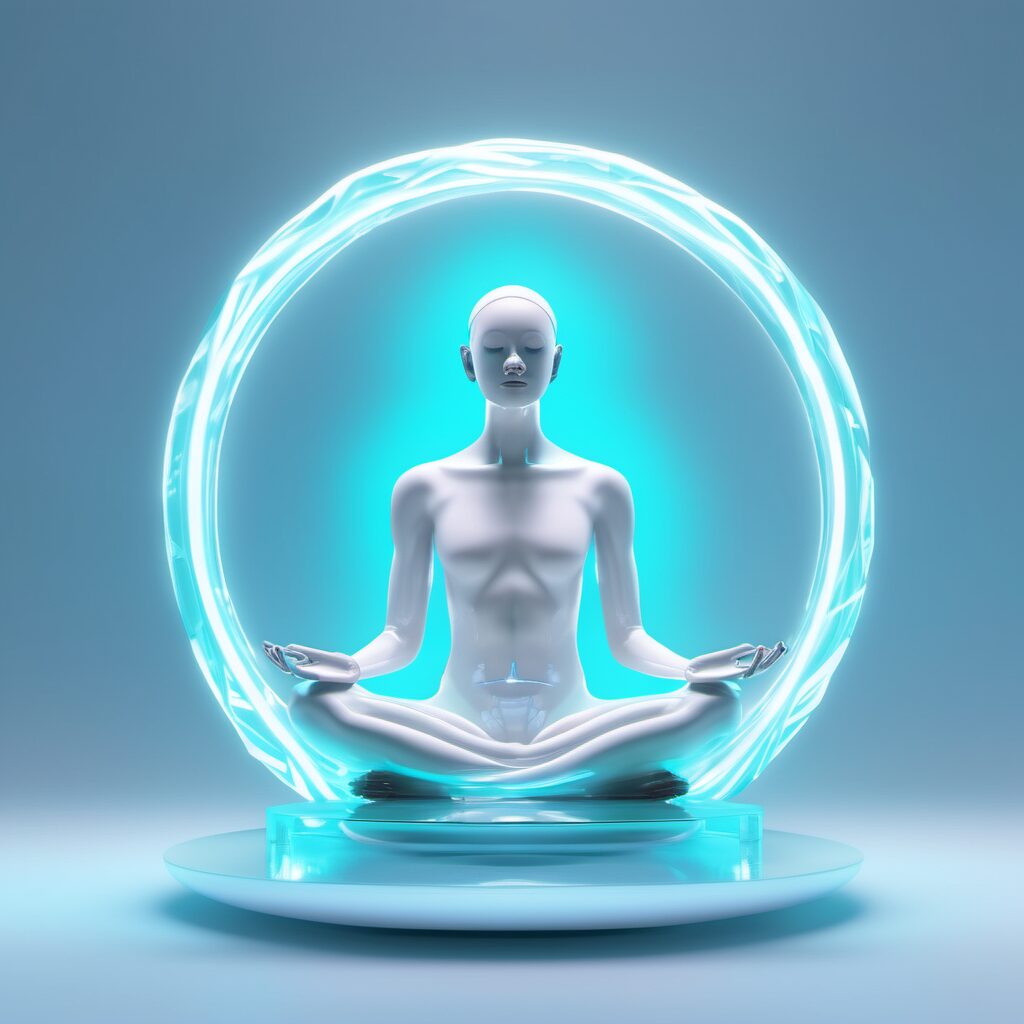
Tag: nervous

  • Morning Practices for Nervous System Stability

    Morning Practices for Nervous System Stability


    Morning Practices for Nervous System Stability

    Morning Practices for Nervous System Stability

    “A calm mind brings inner strength and self-confidence, which is the foundation for a balanced approach to life.” – Dalai Lama XIV

    In today’s fast-paced world, maintaining a stable nervous system is crucial for overall wellbeing. Morning practices can significantly contribute to this goal, providing a strong foundation for the day ahead. Here are some effective practices to consider.

    Deep Breathing

    Deep breathing exercises stimulate the parasympathetic nervous system, promoting relaxation and reducing stress levels. Start your day with five minutes of deep breathing, focusing on inhaling deeply through your nose and exhaling slowly through your mouth.

    Meditation

    Meditation has been shown to improve focus, reduce anxiety, and promote emotional health. Spend 10-20 minutes in silent meditation each morning, sitting comfortably with your eyes closed and focusing on your breath.

    Yoga

    Yoga combines physical postures, breathing exercises, and meditation to promote overall wellness. A morning yoga routine can help you start the day with a clear mind and a relaxed body. For beginners, consider attending a guided class or using an online tutorial.

    Aromatherapy

    Essential oils, such as lavender and frankincense, have calming effects on the nervous system. Add a few drops of your preferred oil to a diffuser or apply it topically (diluted with a carrier oil) to enjoy its benefits during your morning routine.

    “The quieter you become, the more you can hear.” – Ram Dass

    Hydration

    Proper hydration is essential for maintaining a healthy nervous system. Start your day by drinking at least 16-20 ounces of water. You can infuse your water with lemon, cucumber, or mint for added flavor and potential health benefits.

    Gratitude Journaling

    Writing down what you’re grateful for each morning can help shift your focus towards positivity and reduce stress levels. Spend a few minutes journaling about the things that make you happy or appreciative.

    “Happiness is not something ready-made. It comes from your own actions.” – Dalai Lama XIV

    • Deep breathing
    • Meditation
    • Yoga
    • Aromatherapy
    • Hydration
    • Gratitude journaling

    Incorporating these practices into your morning routine can help foster a sense of calm, improve focus, and promote overall nervous system stability. Remember to be patient with yourself as you integrate new habits, and consider seeking guidance from a healthcare professional or wellness expert if needed.

  • Somatic Exercise for Nervous System Reset

    Somatic Exercise for Nervous System Reset


    Somatic Exercise for Nervous System Reset

    Somatic Exercise for Nervous System Reset

    “The body keeps the score. Trauma is not just an event that took place sometime in the past; it’s stored in the body, and until you process it through your body, you won’t be able to cognitively understand it.” – Bessel van der Kolk, psychiatrist

    Somatic exercise is a therapeutic approach that emphasizes the connection between the mind and body. It offers a means to work directly with the nervous system in order to process trauma and restore balance.

    The Importance of a Nervous System Reset

    In today’s fast-paced world, our bodies are often subjected to chronic stress, causing the nervous system to become imbalanced. This can lead to various physical and mental health issues, including anxiety, depression, and even autoimmune disorders. Somatic exercise provides a method for rewiring the nervous system and promoting healing on multiple levels.

    Components of Somatic Exercise

    • Focused attention: Developing a heightened awareness of bodily sensations and thoughts.
    • Slow, intentional movement: Engaging in gentle movements that promote relaxation and self-exploration.
    • Breathing exercises: Deepening the breath to calm the nervous system and encourage a state of relaxation.

    “The body’s capacity for recovery is enormous. Given the right conditions, it can find a way to mend itself.” – Deepak Chopra, author and speaker

    Benefits of Somatic Exercise

    Some benefits of somatic exercise include: reduced stress levels, improved emotional regulation, increased body awareness, enhanced self-compassion, and overall better mental and physical wellbeing.

    Incorporating Somatic Exercise into Daily Life

    To begin incorporating somatic exercise into your daily routine, set aside a few minutes each day for self-care and mindfulness practice. Consider engaging in activities such as yoga, tai chi, or Feldenkrais, which emphasize slow, deliberate movement and focused attention.

  • Burnout Is Not Laziness: It’s a Nervous System Injury

    Burnout Is Not Laziness: It’s a Nervous System Injury


    Burnout Is Not Laziness: It’s a Nervous System Injury

    Burnout Is Not Laziness: It’s a Nervous System Injury

    In today’s fast-paced world, the term ‘burnout’ has become increasingly common. However, many people misunderstand it as mere laziness or weakness. This article aims to debunk this misconception by exploring burnout as a serious issue affecting countless individuals worldwide.

    “Burnout is not simply exhaustion. It’s a state of emotional, mental, and physical collapse caused by prolonged stress and lack of coping resources.” – Dr. Herbert J. Freudenberger, Psychologist (Source)

    Understanding Burnout

    Burnout is a syndrome that develops as a response to chronic emotional stress. It’s characterized by feelings of exhaustion, cynicism, and reduced efficacy. Unlike regular fatigue, burnout persists long after the initial stressor has been removed.

    “Burnout isn’t just something you get over on your own — it requires a system-level response.” – Dr. Christina Maslach, Psychologist (Source)

    Recognizing Burnout Symptoms

    • Exhaustion: Individuals experiencing burnout often report feeling constantly drained, even after adequate rest.
    • Detachment: They may feel emotionally detached from their jobs or activities they once enjoyed.
    • Reduced Efficiency: Burnout can lead to a significant decline in productivity and job satisfaction.

    Preventing and Overcoming Burnout

    To prevent burnout, it’s crucial to maintain a healthy work-life balance, practice self-care, and seek support when needed. If you’re already experiencing burnout, consider reaching out to a mental health professional for guidance.

    “It’s not about finding the right work-life balance; it’s about creating a life you don’t need to escape from.” – Matthew McConnaughey (Source)

  • How Saying No Saves Your Nervous System

    How Saying No Saves Your Nervous System


    How Saying No Saves Your Nervous System


    How Saying No Saves Your Nervous System

    In the realm of ancient wisdom and modern science, a common thread emerges: the power of saying ‘no.’ This article delves into how refusing to overextend can protect your nervous system, as explained by various mythological figures and contemporary researchers.

    “Learn to say no to the good so you can say yes to the best.” – John C. Maxwell

    Mythology and the Art of Refusal

    • Athena: The Greek goddess of wisdom was known for her ability to make rational decisions, often choosing restraint over reckless actions. By saying no when necessary, Athena protected herself and those around her.
    • Janus: The Roman god of beginnings and transitions symbolizes the importance of boundaries. Janus’ two faces represent the ability to look both forward and backward, embodying the wisdom of knowing when to say no to move forward wisely.

    Contemporary Research on the Benefits of Refusal

    Modern research supports the ancient understanding of the power of saying no. Overextending oneself can lead to stress, burnout, and damage to the nervous system. By setting boundaries, individuals can maintain a healthy work-life balance and avoid excessive stress.

    “The stressed mind, unable to focus or process information, is far less effective than a calm and well-rested one.” – Daniel J. Levitin, neuroscientist

    Embracing the Power of ‘No’

    Saying no is not about being rude or neglectful; it’s about prioritizing your health and well-being. By learning to say no, you can protect your nervous system, improve your overall wellness, and lead a more balanced life.


  • How Modern Work Hijacks the Nervous System

    How Modern Work Hijacks the Nervous System


    How Modern Work Hijacks the Nervous System

    How Modern Work Hijacks the Nervous System

    “The way we work now — the constant deluge of email, the endless stream of meetings and the expectation that we’ll always be reachable — is creating an enormous amount of stress, which in turn can lead to a host of health problems.” – Susan Cain, Author of “Quiet: The Power of Introverts in a World That Can’t Stop Talking”

    • Always Connected: With smartphones and laptops, we are never truly disconnected from work. This constant availability can lead to stress and anxiety.
    • Multitasking: In an attempt to do more in less time, we multitask. However, research shows that multitasking reduces productivity and increases stress levels.
    • Unpredictability: The unpredictable nature of modern work can cause chronic stress, leading to health problems like heart disease and depression.

    “The amount of stress that people experience in their jobs is staggering. And it’s not just a matter of personal well-being; it’s a business issue.” – Dan Schawbel, Author of “Back to Human: How Great Leaders Create Connection in the Digital Workplace”

    • Emotional Labor: The constant need to be ‘on’ and to manage emotions can lead to emotional exhaustion.
    • Lack of Control: A lack of control over work processes and deadlines can contribute to stress levels.

    “Technology is not the enemy here. The problem isn’t that we are always reachable; it’s how we use these tools and how our work culture has evolved.” – Kim Scott, Author of “Radical Candor: Be a Kick-Ass Boss Without Losing Your Humanity”

    • Mindfulness: Practicing mindfulness can help reduce stress levels by focusing on the present moment.
    • Setting Boundaries: Establishing clear work-life boundaries is crucial for maintaining a healthy work-life balance.

  • Meditation as Nervous System Re-education

    Meditation as Nervous System Re-education


    Meditation as Nervous System Re-education

    Meditation as Nervous System Re-education

    In the quiet corners of our existence, we find solace and wisdom. – Unknown

    • Introduction: In these hectic times, where the world moves at a pace that leaves us breathless, we find ourselves yearning for tranquility. Our nervous systems, overburdened and strained, long for rejuvenation.
    • Breath-spaced Sections: Meditation serves as a balm to our frayed nerves. It is a gentle return to ourselves, a reconnection with the rhythm of our breath and the pulse of life within us.
    • Through meditation, we learn to observe our thoughts without judgment, allowing them to float by like clouds in the sky. We cultivate a sense of detachment, finding peace amidst the chaos.
    • As we delve deeper into meditation, we begin to perceive the interconnectedness of all things. We recognize that our well-being is not isolated but intertwined with the well-being of others and the world around us.
    • In this silent communion, we rediscover a sense of purpose and meaning. We find solace in the stillness, strength in the silence, and wisdom in the quiet corners of our existence.

    The quieter you become, the more you can hear. – Ram Dass

    Silence:

    As we sit in stillness, we invite silence to fill our hearts and minds. In this silence, we find the space to heal, grow, and transform. We learn to listen not just with our ears but with our souls. And as we listen, we are reminded of our connection to all that is.