Tag: mountain

  • The Mountain Within – Climbing Toward Inner Stillness

    The Mountain Within – Climbing Toward Inner Stillness

    The Mountain Within: Climbing Toward Inner Stillness

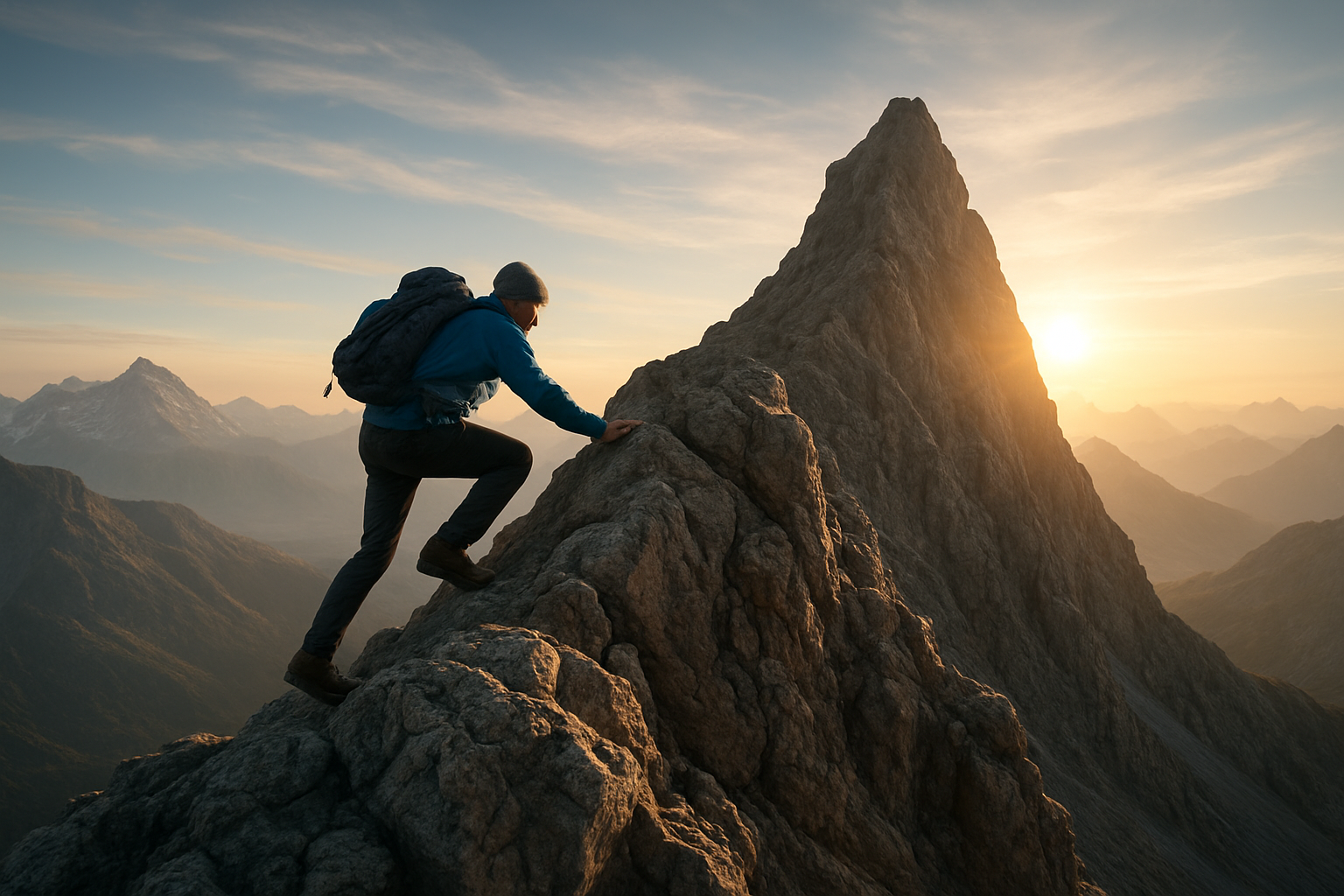
    In a world dominated by noise and relentless pace, the quest for inner stillness remains a pursuit as compelling as summiting the highest peaks. Those who have experienced the transformative power of climbing a mountain often draw parallels between this physical journey and the spiritual exploration of finding peace within. In both paths, the aim is discovery—of the world, yes, but more profoundly, of oneself.

    The Call of the Mountains

    The allure of mountains is timeless and universal, pulling adventurers and spiritual seekers alike toward their lofty summits. As John Muir, the renowned naturalist, famously said,

    “The mountains are calling, and I must go.”

    His words capture the irresistible pull of these majestic landscapes, representing both an outward journey into nature and an inward journey toward self-discovery.

    • Challenge and Growth: The physical challenges posed by mountains can reflect the hurdles one faces on their inner journey. The patience, resilience, and courage developed while navigating treacherous terrain are the same traits necessary for cultivating inner peace.
    • Perspective and Clarity: Standing atop a mountain affords a view that stretches beyond the horizon, offering clarity and perspective. Similarly, climbing the metaphorical mountain within allows individuals to rise above the chaos of daily life, gaining insight and understanding.
    • Solitude and Reflection: Time spent in the mountains is often characterized by solitude, which provides a fertile ground for reflection and introspection. Such environments encourage mindfulness and help individuals connect with their innermost selves.

    Steps to Climb the Inner Mountain

    While the ascent of actual peaks requires physical preparation and equipment, climbing the mountain within demands a different toolkit. These are the steps that can expedite the journey toward inner stillness:

    Cultivating Mindfulness

    Mindfulness is the practice of being present in the moment, a skill essential for both physical and spiritual climbing. According to Psychology Today, “Mindfulness is a state of active, open attention to the present.” It allows individuals to embrace their thoughts and feelings without judgment, fostering a sense of inner calm.

    Embracing Silence

    Amidst the frenetic pace of modern life, silence is a rare commodity. Yet, it is in silence that inner stillness can be truly cultivated. As Paul Tillich wisely put it,

    “The first duty of love is to listen.”

    Embracing silence creates the space to listen to oneself deeply.

    Practicing Gratitude

    • Keeping a gratitude journal can shift focus from anxiety to appreciation, fostering a more peaceful internal environment.
    • Gratitude enables individuals to accept and learn from their life experiences, akin to reaching one peak before moving toward another.

    The Role of Nature in Finding Inner Stillness

    Nature is a profound teacher in the quest for peace. The therapeutic effects of spending time in natural settings are well-documented, providing a crucial backdrop for inner exploration. An article from Frontiers in Psychology highlights how “exposure to natural environments has been associated with a range of benefits, including improved mood and reduced stress levels.”

    Moreover, the patterns and cycles of nature offer wisdom for those looking inward. The rhythmic ebb and flow of the tides, the quiet yet powerful growth of trees, and the patient erosion of mountains all teach lessons of perseverance, patience, and tranquility.

    Conclusion: The Summit of Inner Peace

    Whether scaling physical mountains or navigating the inner landscape of the mind, the journey toward stillness is one of the most rewarding endeavors one can undertake. By cultivating mindfulness, embracing silence, and drawing inspiration from the natural world, individuals can reach new heights within themselves. As we climb the mountains that stand before us—both literal and metaphorical—may we find the peace and clarity that come from standing at the summit.

    Embrace the journey, and discover the mountain within.

  • Zen of the Mountain Path – Awakening Step by Step

    Zen of the Mountain Path – Awakening Step by Step

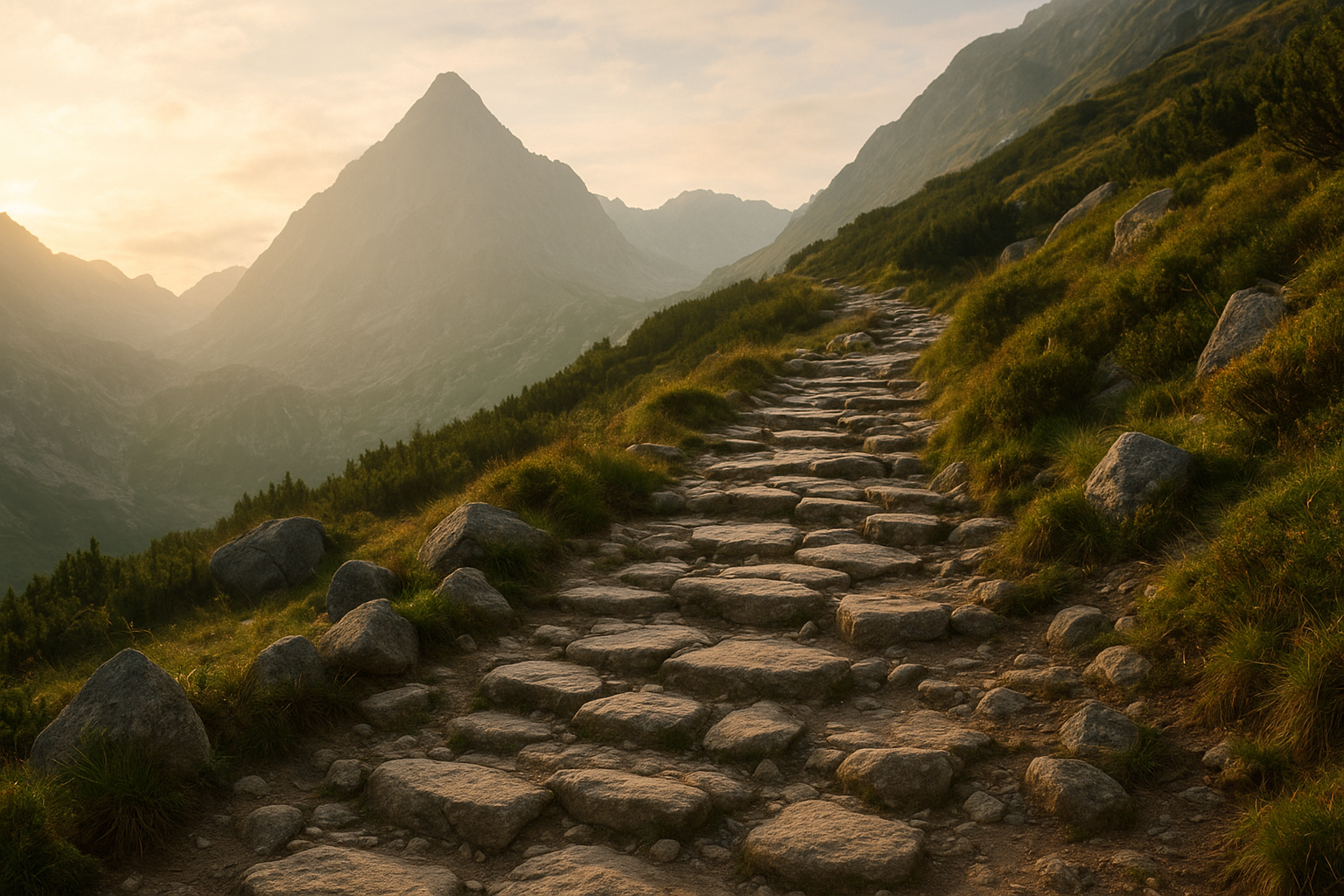
    In the heart of Japan, amidst the silent whisper of pine trees and the ruggedness of unyielding cliffs, lies the Zen path up the revered Mount Koya. This path, winding and steep, is more than just a trail to a picturesque summit. It is a metaphorical journey towards enlightenment, a step-by-step process of awakening that has captured the imagination of many spiritual seekers.

    The Journey Begins

    Every journey up the mountain begins with a single step, much like every journey towards enlightenment. The Zen philosophy teaches us that true enlightenment is not a sudden revelation but rather a gradual awakening, achieved through persistent practice and awareness. The act of climbing, one step at a time, encourages practitioners to focus on the ‘now’, to be present and mindful of each movement.

    “The only Zen you find on the tops of mountains is the Zen you bring up there.” – Robert M. Pirsig

    Meditation, an integral part of Zen practice, finds a perfect partner in the act of walking up a mountain. Many who embark on this pilgrimage engage in walking meditation, a practice that combines the physical act of walking with meditative awareness. This activity demands concentration on the rhythm of footsteps, the breath, and the sensations of the body.

    Lessons of the Path

    • Acceptance of the Present: The mountain path compels acceptance of the present. The challenges of the climb mirror the difficulties of life, teaching us to accept situations with grace and patience.
    • Perseverance: Like life, the mountain presents obstacles. Each step requires endurance and resilience—a lesson in perseverance.
    • Humility: The vastness of the mountain against our human scale induces a humility in the climber, fostering a greater sense of interconnectedness with the world.

    Nature’s Silence and the Inner Voice

    As one ascends further up the path, the noise of the world falls away. This departure from the mundane allows climbers to tune into their inner voice. In Zen, this is a crucial aspect of understanding one’s Buddha-nature. The silence of nature is profound, encouraging introspection and self-awareness.

    Zen monks have long used secluded environments, such as mountains, to cultivate a deeper understanding of their own minds. The great Zen master Dogen Zenji once said, “To study Buddhism is to study the self. To study the self is to forget the self.” The mountains become a student’s life-long mentor, revealing the secrets of the self to those who are willing to listen.

    Reaching the Summit

    Arriving at the summit of Mount Koya, climbers are rewarded not just with breathtaking views but with the profound satisfaction of having completed a spiritual journey. This summit is not the end but rather another beginning—a place to reflect on the journey and prepare for the descent.

    In Zen, the descent is as important as the climb. It symbolizes bringing the gained insights and wisdom back to the ordinary world. The essence of Zen practice lies in carrying the peace of the mountains into the bustle of everyday life.

    Conclusion

    The Zen of the mountain path is a potent reminder of life’s ephemeral nature. It teaches us the value of each step, the importance of the journey over the destination, and the endless process of awakening that life itself presents. As with any good Zen practice, it encourages one to be at peace with the path beneath their feet, no matter how rocky it may be. In the eloquent words of Jack Kerouac, from his writings in The Dharma Bums, “One day I will find the right words, and they will be simple.” The mountain path gives us a glimpse into that simplicity through each deliberate, mindful step.

  • Mountain Hermit Diaries – Living the Dao in Solitude

    Mountain Hermit Diaries – Living the Dao in Solitude

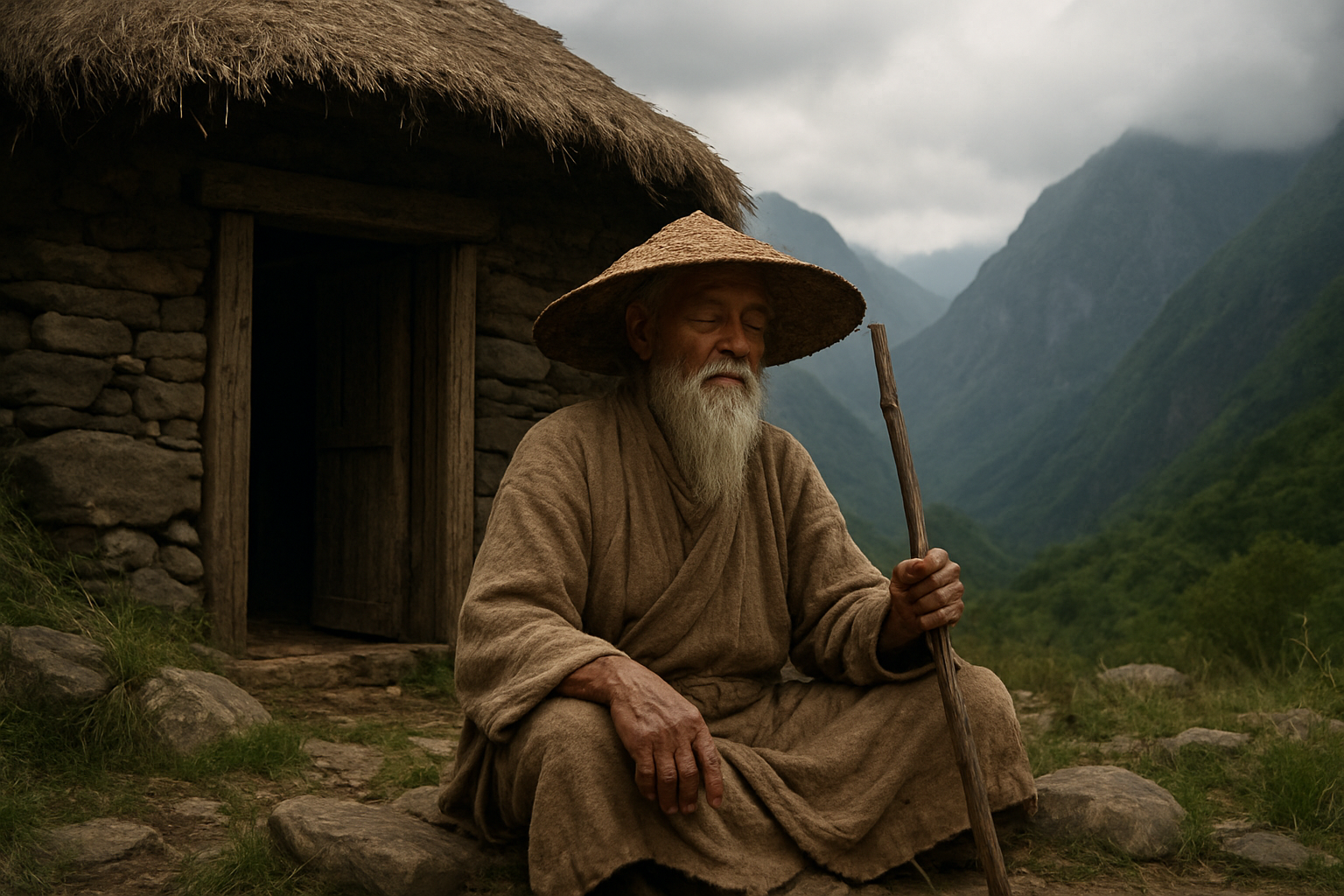
    The life of a mountain hermit, immersed in the simplicity and serenity of nature, provides a unique perspective on the teachings of Daoism. This ancient Chinese philosophy, which emphasizes living in harmony with the Dao or the “Way,” offers a path to inner peace and understanding that often eludes those ensnared by the complexity of modern life.

    The Call of the Mountains

    For many, the allure of the mountains is irresistible. The towering peaks and pristine wilderness offer a refuge from the noise and turmoil of society. Ancient Daoist sages often chose such settings for their seclusion, seeking a deeper connection with the natural world and their innermost selves.

    “In the pursuit of learning, every day something is acquired. In the pursuit of the Dao, every day something is dropped.” – Lao Tzu

    The wisdom of Lao Tzu, founder of Daoism, resonates profoundly with the hermit’s life. By shedding distractions and unnecessary attachments, the mountain hermit seeks to embrace the flow of life, embodying the principle of wu wei or “non-action,” which teaches alignment with the natural order.

    Daily Life in Solitude

    A typical day for a mountain hermit revolves around simplicity and mindfulness. Rising with the sun, the hermit engages in meditation and gentle exercises like tai chi or qigong, attuning their mind and body with the rhythms of nature. The preparation of simple meals using locally sourced, perhaps foraged ingredients serves as a daily practice of mindfulness and gratitude.

    • Meditation: Essential for centering and discovering inner peace.
    • Tai Chi/Qigong: Harmonizes the body’s energies.
    • Foraging: Provides sustenance and a connection with the earth.

    Reflections on Solitude

    While the physical solitude of the mountains is sometimes daunting, it is in these quiet moments that profound insights often arise. The hermit contemplates the Dao, observing the cyclical patterns of nature and the transience of existence, finding beauty in the impermanent and the small details often overlooked in daily life.

    “Nature does not hurry, yet everything is accomplished.” – Lao Tzu

    Living the Dao in solitude becomes a transformative journey, offering a profound understanding of the self and the universe. As the hermit engages with nature, a subtle awareness grows, revealing that the greatest wisdom often lies in the silent spaces between thoughts and the gentle flow of water down a mountain stream.

    Thus, the mountain hermit, in their solitude, lives as a guardian of ancient wisdom, embodying the quiet truths of Daoism in every fleeting moment, inspiring us to pause, reflect, and embrace the quietude of our own lives.

  • Empty Mountain, Silent Mind – Zen Lessons from the Wilderness

    Empty Mountain, Silent Mind: Zen Lessons from the Wilderness

    In the serene embrace of the wilderness, where the whispers of the wind and the flutter of leaves become profound teachers, we find a space to encounter solitude and reflection. The concept of “Empty Mountain, Silent Mind” beautifully encapsulates this serene yet powerful confluence of nature and consciousness. Drawing heavily from Zen philosophy, these lessons from the wild can offer profound insights into self-awareness and tranquility.

    The Essence of Zen in Nature

    Zen Buddhism places great emphasis on meditation and direct experience over theoretical knowledge. Nature, which is devoid of human constructs and societal noise, serves as a perfect backdrop for Zen practitioners. According to the Tricycle Foundation, a resource dedicated to the dissemination of Buddhist teachings, the natural world inherently teaches us about the impermanence and interconnectedness of all things. This perspective encourages practitioners to embrace simplicity and mindfulness.

    “Nature does not hurry, yet everything is accomplished.” — Lao Tzu

    This well-known Taoist aphorism reflects a core Zen belief: the natural world holds countless lessons in patience, balance, and time, all of which are integral components of meditation and mindfulness practices.

    A Journey to the Empty Mountain

    • Solitude and Reflection: An empty mountain signifies a place untouched by the chaos of human life. Here, one finds space for solitude, which is essential for deep reflection and meditation. In solitude, we learn to confront our thoughts, fears, and desires without distraction.
    • Embracing Impermanence: The wilderness is a canvas of change—seasons transition, flora and fauna adapt, life and death cycle ceaselessly. Zen teaches us to accept impermanence, urging us to live in the present moment without attachment.
    • Interconnection with the Environment: Everything in the wild is interconnected. This realization fosters a sense of unity with the world, breaking down the illusion of separation. In Zen, this understanding helps dissolve the ego, leading to a quieter, more expansive mind.

    The Silent Mind

    The notion of a silent mind is about achieving mental clarity and peace amid the constant chatter of daily life. In Zen practice, a silent mind is synonymous with enlightenment—a state free from the ego’s disturbances and desires.

    “When you realize nothing is lacking, the whole world belongs to you.” — Lao Tzu

    Achieving a silent mind requires diligent practice and discipline. Silent meditation practices, such as zazen (sitting meditation), cultivate awareness and help practitioners focus inward, away from external chaos.

    Applying Zen Lessons from the Wilderness

    Integrating the lessons of an empty mountain and a silent mind into daily life involves both practice and intention. Here are practical suggestions:

    • Create a Daily Ritual: Spend a few minutes each day in nature. This doesn’t have to be in a mountain setting; a local park or even your backyard can offer solace and serve as a sanctuary for meditation.
    • Mindful Walking: Practice walking meditation outside. As you walk, pay attention to the sensations of each step, the feeling of the earth under your feet, and the sounds around you. This practice enhances mindfulness and connects you to the present moment.
    • Embrace Minimalism: Reflect on the simplicity of nature and how this principle can be applied to your life. Consider decluttering your physical and mental space, allowing room for clarity and peace.

    In understanding the teachings of the empty mountain and the silent mind, it’s essential not to view them merely as theoretical concepts. As Zen teaches, truth is found in direct experience. A walk in the wilderness not only opens one’s heart to the beauty and simplicity of life but also becomes a meditation in motion.

    Conclusion

    The wilderness, with its vastness and stillness, offers a unique template for cultivating inner peace and understanding. By embracing the lessons from nature, as encouraged by Zen philosophy, we learn to quiet the mind, live in the moment, and embrace the beauty of the world around us. Through these practices, the empty mountain becomes not just a place, but a state of mind—one devoid of conflict and filled with tranquility.

  • Meditation in the Mountains

    Meditation in the Mountains

    Meditation in the Mountains: Finding Inner Peace

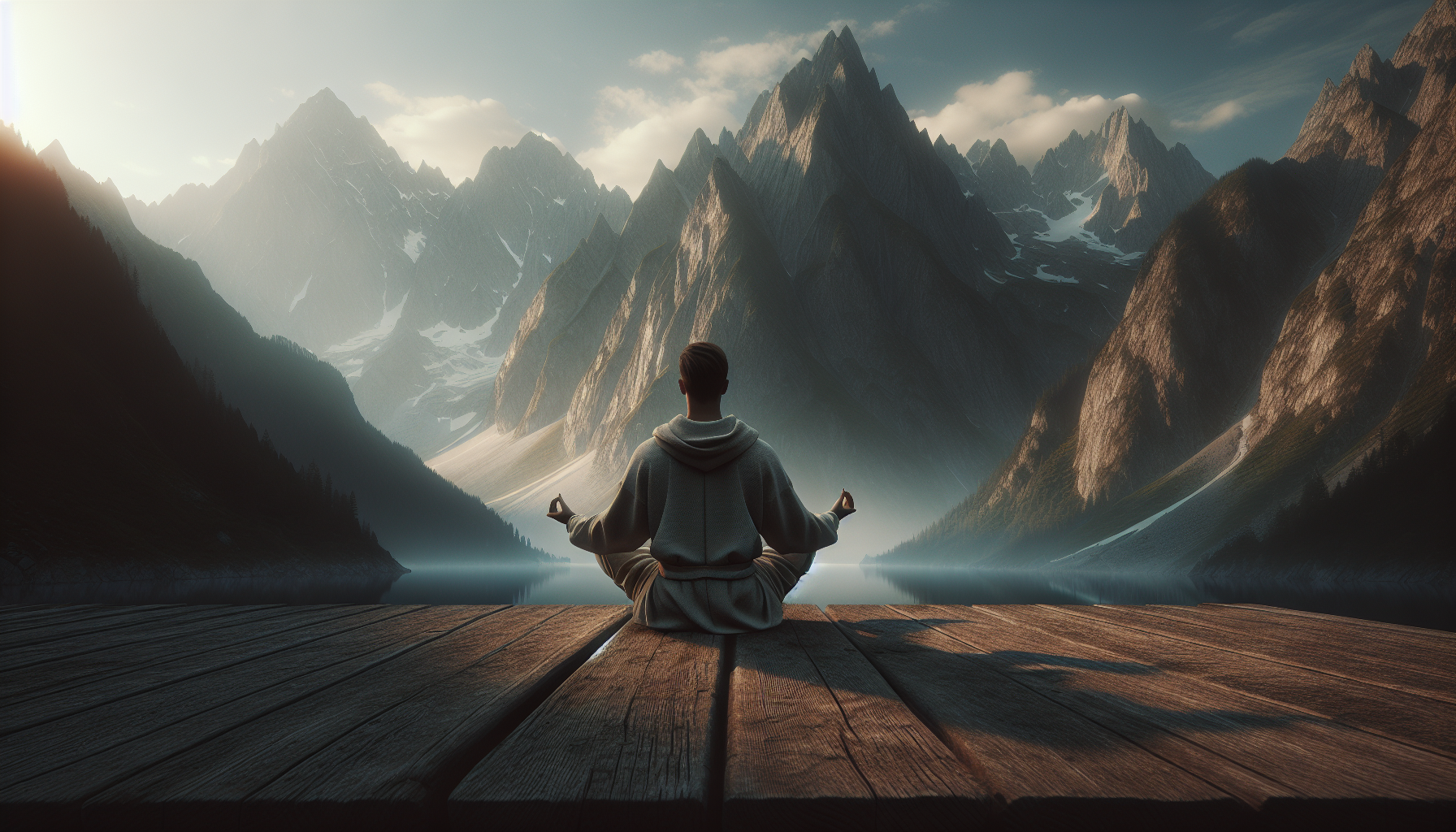
    The serenity of the mountains offers an idyllic backdrop for meditation, providing an escape from the hustle and bustle of daily life. As the crisp mountain air fills your lungs and the panoramic views captivate your senses, these majestic landscapes provide the perfect environment for self-reflection and inner peace.

    The Benefits of Meditating in Nature

    Engaging in meditation amidst nature enhances the process of grounding and connection to one’s inner self. According to a study published in Environmental Health Perspectives, exposure to natural environments, including mountains, can significantly reduce levels of cortisol, the stress hormone, thus enhancing mental well-being.

    • Reduced Stress: The tranquil ambiance of mountain settings aids in lowering stress levels, with the natural sounds and clean air promoting relaxation.
    • Enhanced Focus: Away from the distractions of modern life, meditating in the mountains encourages a deeper level of concentration and mindfulness.
    • Improved Mood: The beauty and solitude of mountainous regions have a positive effect on mood, fostering feelings of happiness and contentment.

    Creating the Perfect Mountain Meditation Experience

    To reap the full benefits, preparation is key to a successful meditation session in the mountains:

    • Choose the Right Location: Look for a quiet spot with stunning views. Ensure you are safe and have adequate knowledge of the area.
    • Time Your Meditation: Early morning or late afternoon often provide the most peaceful times to meditate, with fewer interruptions and breathtaking light.
    • Be Mindful of the Weather: Dress appropriately for the mountain climate which can change rapidly, and always carry essentials such as water and snacks.

    Incorporating the Senses

    The mountains offer a multisensory experience that enhances meditation practices. Feel the earthy ground beneath you, breathe in the scent of pine, listen to the rustling leaves, and let the vista of mountain peaks uplift your spirit.

    “Look deep into nature, and then you will understand everything better.” – Albert Einstein

    Incorporating all of these elements can deepen your meditation practice and nourish your soul. Whether you are a seasoned meditator or a curious beginner, the mountains provide a sanctuary that invites exploration and self-discovery.

    For a comprehensive guide to meditating in nature, visit Mindful.org and explore how to integrate nature into your mindfulness practices for greater peace and clarity.