Tag: moments

  • The Unchoreographed Moment: Serendipity in Art and Life

    The Unchoreographed Moment: Serendipity in Art and Life

    In an era where precision and planning dominate, the beauty of serendipity—those happy accidents that occur unexpectedly—offers a refreshing counterbalance. From art to everyday life, these unchoreographed moments bring about unique experiences that were neither planned nor anticipated.

    Serendipity in Art

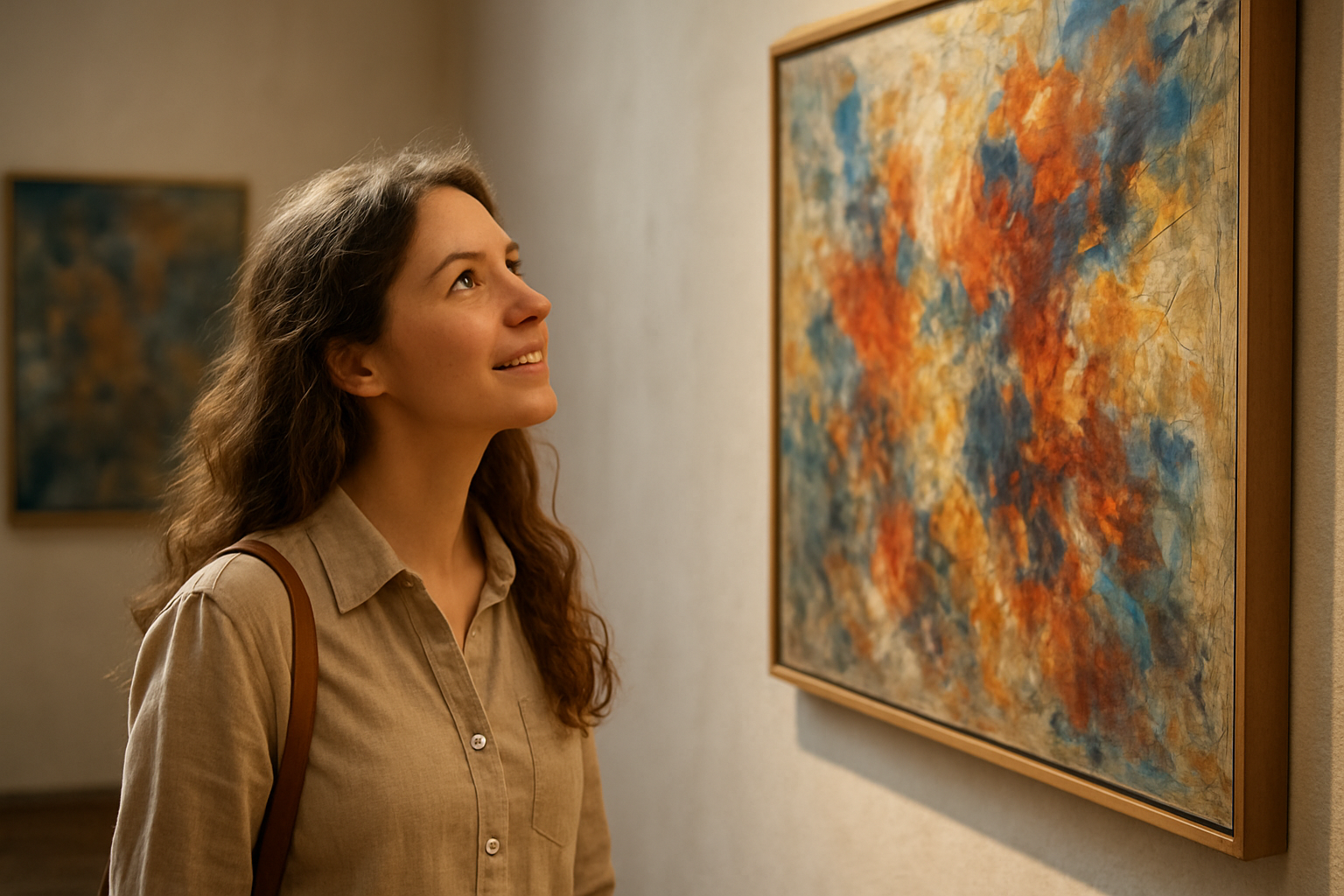
    Art, by its nature, is a realm where serendipity can flourish. Many artists embrace the unexpected, allowing chance to guide their creative process. Renowned abstract expressionist Jackson Pollock famously utilized a method of dripping and splattering paint, a technique that left much room for randomness. In his process, Pollock stated, “I can control the flow of paint: there is no accident,” yet, it’s the accidents that often lead to the most striking compositions.

    Similarly, photographic artist Henri Cartier-Bresson coined the term “the decisive moment”—that uncanny alignment of circumstances yielding a perfect photograph. As Cartier-Bresson himself put it, “To take a photograph is to align the head, the eye, and the heart. It’s a way of life.” Here, serendipity becomes a silent partner in the creation of art.

    Serendipity in Life

    Beyond the canvas and camera, serendipitous moments are woven into the fabric of everyday life. Encountering an old friend in an unexpected place, discovering a new passion while exploring a hobby, or even stumbling upon a unique book at a second-hand store contribute to life’s rich tapestry.

    These moments often lead to unforeseen developments; they challenge us to remain open to possibilities and foster adaptability and creativity. As author Robert K. Merton, who coined the term “serendipity,” observed, “Serendipity, the occurrence and development of events by chance in a happy or beneficial way, is one of the great gifts of everyday life.”

    Embracing the Unplanned

    “Life is what happens when you’re busy making other plans.” — John Lennon

    As Lennon’s timeless words remind us, life’s most profound experiences often arise when we least expect them. In both art and life, embracing the unplanned and the spontaneous can lead to a deeper connection with the world around us.

    In a world obsessed with foresight and control, allowing ourselves to dance with the unexpected can lead to transformative experiences. Whether through a splash of paint on a canvas or a chance encounter on the street, serendipity has the power to turn the ordinary into the extraordinary.

  • The Glimpse of Eternity: Time and Stillness in Photography

    The Glimpse of Eternity: Time and Stillness in Photography

    Photography, at its core, is a medium that captures a single moment in time, allowing it to be observed in perpetuity. This unique capability transforms transitory moments into eternal records, offering viewers a chance to experience the intersection of time and stillness.

    The Essence of Capturing Time

    Time, an ever-flowing force, often seems intangible. Yet, photography provides a means to grasp it briefly and examine its nuances. In the words of renowned photographer Henri Cartier-Bresson, “To me, photography is the simultaneous recognition, in a fraction of a second, of the significance of an event” (Magnum Photos).

    This decisive moment, as Cartier-Bresson famously called it, underscores the power of photography to freeze a particular fraction of time and encapsulate the emotions, movements, and narratives of that instant. While the world moves on, that captured moment remains untouched by the relentless passage of time.

    Stillness in Motion

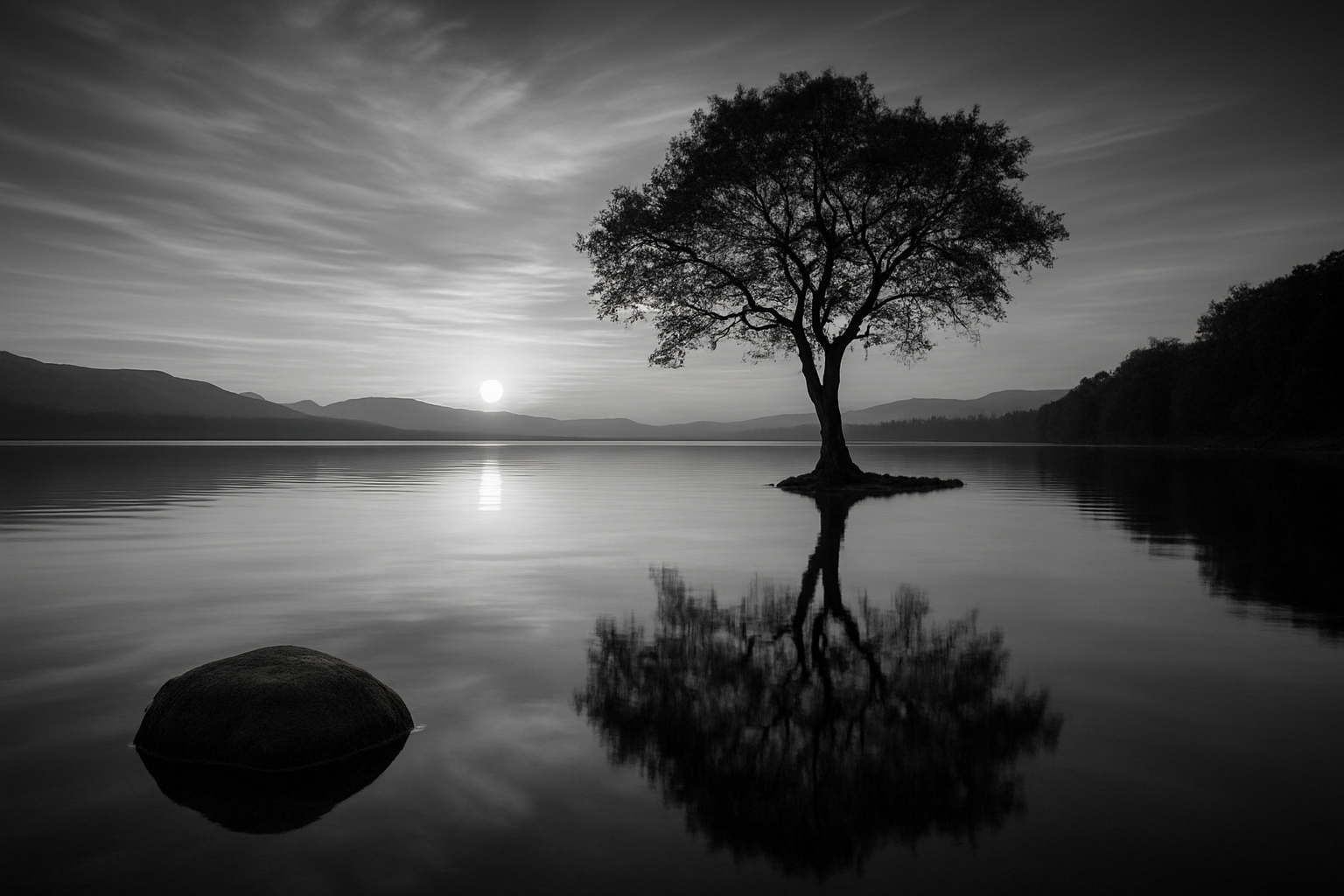
    In contrast to its ability to stop time, photography also highlights stillness amid chaos. Consider landscapes captured with long exposures; what should be a blur of activity becomes a calm vista, providing a sense of tranquility. These images offer a fresh perspective, urging viewers to find peace and beauty in the constant flow of life’s moments.

    • Long Exposure: Creates serene and ethereal landscapes by portraying moving elements as static.
    • Nature Photography: Captures the timeless beauty of the natural world, emphasizing the enduring nature of the environment.
    • Portraiture: Freezes expressions, allowing a moment of introspection and emotional connection.

    Alfred Stieglitz, a pioneer of modern photography, encapsulated this duality of time and stillness when he said, “In photography, there is a reality so subtle that it becomes more real than reality” (Wikiquote). His work not only highlighted the fidelity of photographic moments but also demonstrated photography’s potential to transcend mere representation.

    Endless Moments

    The future of photography lies in evolving technology, but its essence remains the same: the delicate blend of time and stillness. As photographers and viewers, the journey is in exploring these captured moments and allowing them to shape our perception of time’s passage and the beauty of the present.

    Ultimately, photography offers us a glimpse into the eternal—a silent narrative of the past, present, and perhaps the future, encouraging us to pause, reflect, and appreciate the world through its timeless lens.

  • Dew on the Grass – Fragile Moments of Zen Perception

    Dew on the Grass – Fragile Moments of Zen Perception

    Dew on the Grass: Fragile Moments of Zen Perception

    In the early morning, as the first rays of sunlight break over the horizon, a delicate transformation occurs. The world, shrouded in shadows just moments before, reveals its mysteries anew. Dew forms on blades of grass, a transient spectacle of nature proclaimed in silent grandeur. These fleeting moments of crystalline clarity are akin to the practice of Zen Buddhism, inviting contemplation and perception beyond the ordinary.

    The Symbolism of Dew

    Dew has captured the imagination of poets and philosophers alike, often serving as a metaphor for life’s ephemeral nature. Its presence is a gentle reminder of both beauty and brevity, embodying qualities that are deeply intertwined with the principles of Zen.

    “The virtue of the moon is that it is the dark void made radiant, perfect emptiness filled with light. In like manner, dew is the eye of morning, the soul of the young day formed in tears of oblivion over flowers and green leaves that have flung themselves away.” – Allen Ginsberg

    In Zen, the experience of such transient beauty is a gateway to enlightenment. It teaches practitioners to remain present and mindful of the impermanent nature of reality—a fundamental tenet of Buddhist philosophy.

    Zen and the Art of Perception

    Zen practice encourages a heightened state of awareness, where the practitioner becomes acutely attuned to the subtleties of the moment. This state is often referred to as ‘mindfulness’, a conscious attention to the immediate experience devoid of judgment or attachment. The dew glistening atop each blade of grass becomes a vehicle for this mindful practice.

    Mindfulness in Action

    • Observe the Present: Focus intently on the dew, allowing thoughts to pass without grasping onto them. This practice, often termed Shikantaza, or “just sitting,” invites one to experience reality as it is.
    • Embrace Transience: Recognize the impermanent nature of the dew. Just as it will soon evaporate, so too does each moment of life. Savoring these moments fosters a deeper appreciation for the here and now.
    • Letting Go: In Zen, attachment is seen as a source of suffering. By appreciating the dew without wishing to possess it, one learns the art of non-attachment.

    Zen master Thich Nhat Hanh beautifully describes this practice: “Drink your tea slowly and reverently, as if it is the axis on which the world earth revolves—slowly, evenly, without rushing toward the future.”

    The Practice of Zazen

    Dew’s fleeting nature finds a parallel in Zazen, or seated meditation, which is a core practice in Zen Buddhism. Both require the practitioner to sit quietly in thoughtless awareness, to embrace the void and find beauty in simplicity.

    Steps in Zazen Practice

    • Posture: Sit comfortably, with a straight back, hands resting on your knees or in a cosmic mudra.
    • Breath: Pay attention to your breath, letting it flow naturally without force.
    • Mind: Allow thoughts to arise and pass without engaging with them. Like dew on the grass, let these thoughts evaporate naturally.

    The simplicity of Zazen allows practitioners to connect deeply with their environment, proffering a space where even the smallest details, like the dew-laden grass, can inspire profound insight.

    Nature as a Teacher

    Nature plays a crucial role in Zen practice, serving as both a teacher and a source of reflection. The natural world, with its dynamic cycles and inherent impermanence, mirrors the Zen practitioner’s inner journey.

    In the words of Dogen Zenji, the founder of Soto Zen in Japan: “Do not follow the ideas of others, but learn to listen to the voice within yourself. Your body and mind will become clear, and you’ll realize the unity of all things.”

    The imagery of dew has a unique place in Eastern haikus, where nature and human emotion are interwoven. Consider the famous haiku by Matsuo Basho:

    “The summer grasses—
    All that remains
    Of warriors’ dreams.”

    Contemplating the Fragility of Life

    Just as dew evaporates with the morning sun, so too does life’s fleeting nature urge us to live mindfully. By reflecting on the impermanence embodied by dew, individuals can foster a deeper connection to the present moment and cultivate an appreciation for life’s fragility.

    Zen practice does not seek to deny the challenges of existence but to help practitioners confront them gracefully. In observing the dew, one learns to find tranquility and acceptance, even amidst life’s uncertainties.

    Conclusion

    The ephemeral nature of dew on the grass offers a rich tapestry for exploring Zen perception. Through this delicate essence of morning, one can engage in a deeply personal and contemplative journey—a reminder that beauty often resides in the most transient and fragile moments.

    In a world filled with constant distraction, the simplicity of dew offers an invitation. It beckons us to pause, observe, and find solace in the intricate dance of light and shadow upon the morning grass. Such moments, although fleeting, pave the path to inner serenity and Zen wisdom.
  • The Circle of Return – Cycles of Journey and Stillness

    The Circle of Return – Cycles of Journey and Stillness

    The Circle of Return – Cycles of Journey and Stillness

    The Circle of Return: Cycles of Journey and Stillness

    Life is often conceived as a series of linear progressions, where we move from point A to point B in pursuit of goals and dreams. However, if one takes a closer look, it becomes evident that life also unfolds in cycles, embodying a dynamic dance between moments of movement and moments of stillness. This is the essence of the circle of return—an endless loop that defines our existence and experiences.

    The Concept of Cycles

    Many ancient cultures observed life as a cyclical process, a concept best evidenced by the changing seasons, lunar phases, and even the tide. This view affirms that “everything comes back around,” tapping into a rhythm that has been part of human consciousness for millennia. As philosopher Alan Watts posits:

    “There is a peculiar rhythm that thrills through our lives, revealing that one must dissipate and then regather their energies in a constant cycle.” (Alan Watts)

    This everlasting cycle of return underscores seminal phases in our lives. Whether in the ebb and flow of our personal development or the inevitable rise and fall of civilizations, understanding these cycles is crucial to grasping the core of our journey through life.

    Journey: The Cycle of Movement

    The journey phase of the cycle is characterized by action and exploration. It is a period where we venture outward, engage with the world, and seek new experiences. In this mode, humans are akin to the migrating birds that navigate countless miles, driven by instinct and the lure of the unknown.

    • Travelling to new places contributes to our personal growth.
    • Pursuing education or career advancements represents another form of this cycle.
    • Engaging in relationships and building connections are part of our social journey.

    This cycle of movement is fueled by curiosity and desire. As renowned author J. R. R. Tolkien wrote, “Not all those who wander are lost,” highlighting how this aspect of the cycle is essential for discovering new terrains—both external and internal.

    Stillness: The Cycle of Return

    The cycle of stillness is equally critical, contrasting the active journey. These are the moments when we pause, reflect, and fully internalize our experiences. It is a time of rest and rejuvenation, echoing the winter that follows a bountiful harvest season.

    • Reflecting on past journeys helps integrate lessons learned.
    • Periods of rest are essential to prevent burnout and maintain well-being.
    • Mindfulness and meditation practices fall within this cycle, offering spiritual sustenance.

    As Eckhart Tolle notes, “Stillness is where creativity and solutions to problems are found.” (Eckhart Tolle) By embracing these pauses, individuals are better equipped to navigate future journeys with enhanced perspectives and refreshed resilience.

    Finding Balance in the Cycle

    The harmony between journey and stillness fosters an enriched life. Balancing these cycles invites a deeper connection to our own nature and the world around us. Here are some ways to integrate this understanding effectively:

    • Adopt practices that emphasize both movement and rest—such as yoga or tai chi.
    • Engage in continuous learning, alternating between active application and reflection.
    • Cultivate a lifestyle that values experiences without losing sight of moments for introspection and peace.

    Understanding the circle of return allows one to navigate life’s challenges and opportunities with wisdom and grace. It reminds us that moments of pause are not setbacks but essential parts of our cyclical existence.

    Conclusion

    The circle of return envelops our lives, manifesting as intertwined cycles of journey and stillness. By appreciating this beautiful rhythm, we can move through life with greater awareness and serenity, acknowledging that each step forward is balanced by moments of gentle return. The dance between action and repose, progress and quietude, becomes a path to a life steeped in meaning and fulfillment.

    Ultimately, it is the understanding and acceptance of these cycles that empower us to grow. With every journey concluded by a period of stillness, we emerge renewed—equipped for the next leg of our life’s adventurous journey.