Tag: moment

  • The Paradox of Permanence: Capturing the Fleeting in Still Images

    The Paradox of Permanence: Capturing the Fleeting in Still Images

    Photography is often described as the art of capturing a moment in time. Yet, there lies an inherent paradox in the medium: the more we strive to preserve the transient, the more its ephemeral nature eludes us. This dichotomy between permanence and transience gives photography its profound depth and magnetic allure.

    “Photography takes an instant out of time, altering life by holding it still.” – Dorothea Lange

    This quote by renowned photographer Dorothea Lange encapsulates the delicate dance between the fleeting and the fixed. The very act of taking a photograph is an attempt to crystallize a moment that has already begun to slip away.

    Photography: A Testament to Time

    Photography, unlike other art forms, holds the unique ability to freeze time. Each photograph is a testament to a single fraction of a second, a glimpse into the past that can evoke memories and emotions long after the moment has passed. This act of preservation is both powerful and poignant, as it immortalizes the impermanent.

    • Historical Significance: Photographs often serve as historical documents, preserving the cultural and social milieu of an era.
    • Emotional Resonance: They capture emotions and expressions that might otherwise be forgotten or overlooked.

    The Fleeting vs. The Forever

    The paradox of permanence in photography goes beyond just capturing life; it interrogates our perception of reality and memory. Every image is inherently constructed, influenced by the photographer’s intent, angles, and the captured subject’s positioning. David Hockney once noted, “All painting is drawing, and all drawing is putting down lines around ideas.”

    In a digital age where images can be endlessly altered and reproduced, the lines between reality and representation blur further, challenging the notion of absolute permanence.

    • Digital Manipulation: With advancements in technology, photographs can be edited to such an extent that they may no longer truthfully represent the original moment.
    • Ephemeral Sharing: Social media platforms have transformed personal photography into a quick exchange of fleeting snippets rather than enduring keepsakes.

    The paradox, then, invites us to reflect on what we wish to capture and why. Does the photograph exist simply to recollect, or does it tell a story that endures beyond memory? Photography continues to intrigue with its dual power to both preserve and let slip away, embodying a delicate balance of the momentary and the eternal.

    Whether through the lens of nostalgia or artistry, the world of still images remains a domain where time stands still—even if just for the blink of a shutter.
  • The Breath of the Moment: Mindfulness in Contemporary Performance

    The Breath of the Moment: Mindfulness in Contemporary Performance

    As we navigate through the complex tapestry of modern life, with its incessant demands and distractions, mindfulness has emerged not just as a trend but as an essential practice in various fields. This is particularly true in the realm of contemporary performance, where the intersection of mindfulness and art offers both practitioners and audiences a profound reconnection with the present moment.

    The Role of Mindfulness in Performance

    Mindfulness, characterized by paying attention in a particular way: on purpose, in the present moment, and non-judgmentally, as Jon Kabat-Zinn, founder of the Mindfulness-Based Stress Reduction program at the University of Massachusetts Medical Center, eloquently describes it, has permeated the world of performance art. Performers often deal with stressors such as stage fright, audience judgment, and the pressure to meet high expectations. Mindfulness provides a toolkit to navigate these challenges effectively.

    Enhancing Creativity and Presence

    Mindfulness encourages performers to remain present, fostering a deeper connection with their art. Dancer and choreographer Forsythe has famously stated, “When a dancer is truly mindful, the space opens up for creative spontaneity.” This spontaneity is critical in contemporary performance, where authenticity and originality are highly valued.

    • Improved Focus: Mindfulness practices as simple as breath control and meditation can greatly enhance a performer’s focus, allowing them to fully immerse themselves in their craft.
    • Emotional Regulation: By mindfully acknowledging emotions without judgment, performers can harness their emotional experiences to enrich their expressivity rather than impede their performance.
    • Body Awareness: Performers often describe mindfulness as a way to develop a profound body awareness, improving physicality in movement-based performances.

    The Audience Experience

    Mindfulness is not just transformative for performers but equally enriching for audiences. A mindful audience member engages more deeply with the performance, noticing subtleties and more fully experiencing the art form. In the words of musician Leonard Bernstein, “To achieve great things, two things are needed: a plan, and not quite enough time.” In this ephemeral nature of performances, mindfulness enhances the ephemerality by deepening appreciation.

    Case Studies in Mindful Performance

    Immersive Theater

    One of the most striking examples of mindfulness in contemporary performance is found in immersive theater. Productions such as Sleep No More by Punchdrunk immerse audiences in an environment where they must actively participate, requiring intense focus and presence. Audiences are compelled to engage mindfully to follow the narrative, which changes based on their movements within the performance space.

    Music and Mindfulness

    The musical sphere has not been untouched by the effects of mindfulness. Artists like Yo-Yo Ma, in an interview with the NPR, shared insights on mindfulness practices and how they enhance the ability to deliver emotionally compelling performances. Musicians utilize mindfulness to stay in tune not only with their music but with the collective experience shared with their audience.

    Challenges and Considerations

    While the integration of mindfulness in contemporary performance has significant benefits, challenges remain. Critics argue that the increasing commodification of mindfulness, branded and packaged as a quick fix, risks diluting its depth and potential. The key lies in ensuring that mindfulness practices are adapted thoughtfully, maintaining their integrity and not detracting from the authenticity of the performance itself.

    Moreover, there is ongoing dialogue about accessibility and inclusion in mindful practices within performance art. Ensuring that tools and strategies are accessible to a diverse range of performers is crucial. As audiences grow more diverse, performances that mindfully reflect various cultural and social realities have the potential to resonate more deeply.

    Conclusion

    The integration of mindfulness into contemporary performance marks a significant shift in how art is created and consumed. As performers and audiences alike embrace mindfulness, the essence of being ‘in the moment’ transforms art into a powerful, shared experience. As Kabat-Zinn aptly notes, “The best way to capture moments is to pay attention. This is how we cultivate mindfulness.” In the realm of performance, this cultivation fosters not only better art but a more profoundly engaged audience.

    In a world that often pulls towards multitasking and distraction, the presence afforded by mindful engagement in performance art offers both artists and audiences a rare and precious gift: the chance to fully embody the now. As the breath of the moment expands, so too does the appreciation for the art that so vividly occupies that space.

  • The Practice of Presence: Bringing Spirituality into Daily Life

    The Practice of Presence: Bringing Spirituality into Daily Life

    In a world dominated by relentless schedules, digital distractions, and ever-growing responsibilities, the quest for serenity and spiritual fulfillment often seems daunting. Yet, amidst this chaos, the ancient wisdom of ‘presence’ offers a beacon of hope. Embracing the practice of presence not only enhances spiritual well-being but also deeply enriches everyday life.

    Understanding Presence

    The concept of presence is rooted in mindfulness and revolves around the intentional focus on the current moment. As described by renowned mindfulness teacher Thich Nhat Hanh, “The present moment is the only time over which we have dominion.” This idea emphasizes the importance of living in the now, rather than being trapped in the regrets of the past or the worries of the future.

    Spirituality and Daily Life: A Harmonious Blend

    Bringing spirituality into daily life through presence involves more than abstract concepts—it requires practical application. Here, we explore various strategies to weave spirituality seamlessly into the fabric of everyday living:

    • Mindful Breathing: Taking a few moments each day for conscious breathing can ground your thoughts and sharpen your focus. Simple breathing exercises foster tranquility and can be practiced virtually anywhere—from a quiet room to a bustling train.
    • Gratitude Journaling: Journaling about things you’re grateful for not only enhances positivity but also accentuates the spiritual dimensions of thankfulness. This practice nurtures a deep appreciation for life’s blessings.
    • Connection with Nature: Spending time in nature rejuvenates the soul and strengthens the bond with the universe. Even brief interactions with nature, such as a walk in the park or tending to a garden, can be spiritually uplifting.
    • Meditation Practice: Daily meditation sessions invite serenity and self-reflection, guiding one into a state of deeper awareness and spiritual connectivity.
    • Acts of Kindness: Engaging in selfless acts fosters an environment where spiritual virtues can flourish. Simple acts, such as helping a neighbor or volunteering, can enhance personal and communal well-being.

    Testimonials: The Transformation Through Presence

    “Before embracing mindfulness, I always felt overwhelmed by a sense of urgency. Practicing presence allowed me to pause and cherish each moment, transforming my perspective on life,” shares Lisa Stevens, a mindfulness practitioner from Oregon.

    Such testimonials reflect the profound impact the practice of presence can have. By cultivating a mindset centered around the present, individuals report enhanced emotional health, greater clarity, and heightened spiritual awareness.

    Challenges and Overcoming Them

    Integrating spirituality into daily routines through presence is not without its challenges. Common obstacles include:

    • Time Constraints: Modern life is fast-paced, leaving little room for introspection. However, even brief moments of purposeful presence can significantly affect well-being.
    • Cognitive Overload: Constantly inundated with information, the mind tends to wander. Regular meditation and mindfulness exercises can help reclaim focus.

    Overcoming these challenges requires dedication and a willingness to adapt. Setting realistic goals, using mobile apps for guided meditations, and joining mindfulness groups can provide support and motivation.

    The Global Shift Towards Mindfulness

    The practice of presence is not confined to individual experiences; it resonates on a global scale. More organizations are incorporating mindfulness into their cultures, recognizing its potential to improve both employee well-being and productivity. Companies such as Google and Aetna have introduced mindfulness programs, highlighting a paradigm shift towards a more spiritually aware workplace.

    According to The Huffington Post, “Numerous studies show that meditation can combat stress, enhance emotional health, and improve focus.” Such empirical evidence further champions the integration of presence into daily routines, both personally and organizationally.

    Conclusion: A Call to Embrace the Now

    Incorporating presence into daily life unlocks a pathway to spiritual awakening and holistic well-being. It encourages individuals to break free from the confines of past regrets and future anxieties, embracing each moment for its potential joy and wisdom. As Thich Nhat Hanh reminds us, “The present moment is filled with joy and happiness. If you are attentive, you will see it.”

    Thus, why wait? Begin the journey today towards a more present and spiritually enriching life. Promise yourself a mindful walk, a quiet moment of breathing, or a journal entry for gratitude. Acknowledge that spirituality doesn’t require seclusion in remote monasteries; it thrives here and now, waiting to be discovered in your daily routine.

  • The Glimpse of Eternity: Time and Stillness in Photography

    The Glimpse of Eternity: Time and Stillness in Photography

    Photography, at its core, is a medium that captures a single moment in time, allowing it to be observed in perpetuity. This unique capability transforms transitory moments into eternal records, offering viewers a chance to experience the intersection of time and stillness.

    The Essence of Capturing Time

    Time, an ever-flowing force, often seems intangible. Yet, photography provides a means to grasp it briefly and examine its nuances. In the words of renowned photographer Henri Cartier-Bresson, “To me, photography is the simultaneous recognition, in a fraction of a second, of the significance of an event” (Magnum Photos).

    This decisive moment, as Cartier-Bresson famously called it, underscores the power of photography to freeze a particular fraction of time and encapsulate the emotions, movements, and narratives of that instant. While the world moves on, that captured moment remains untouched by the relentless passage of time.

    Stillness in Motion

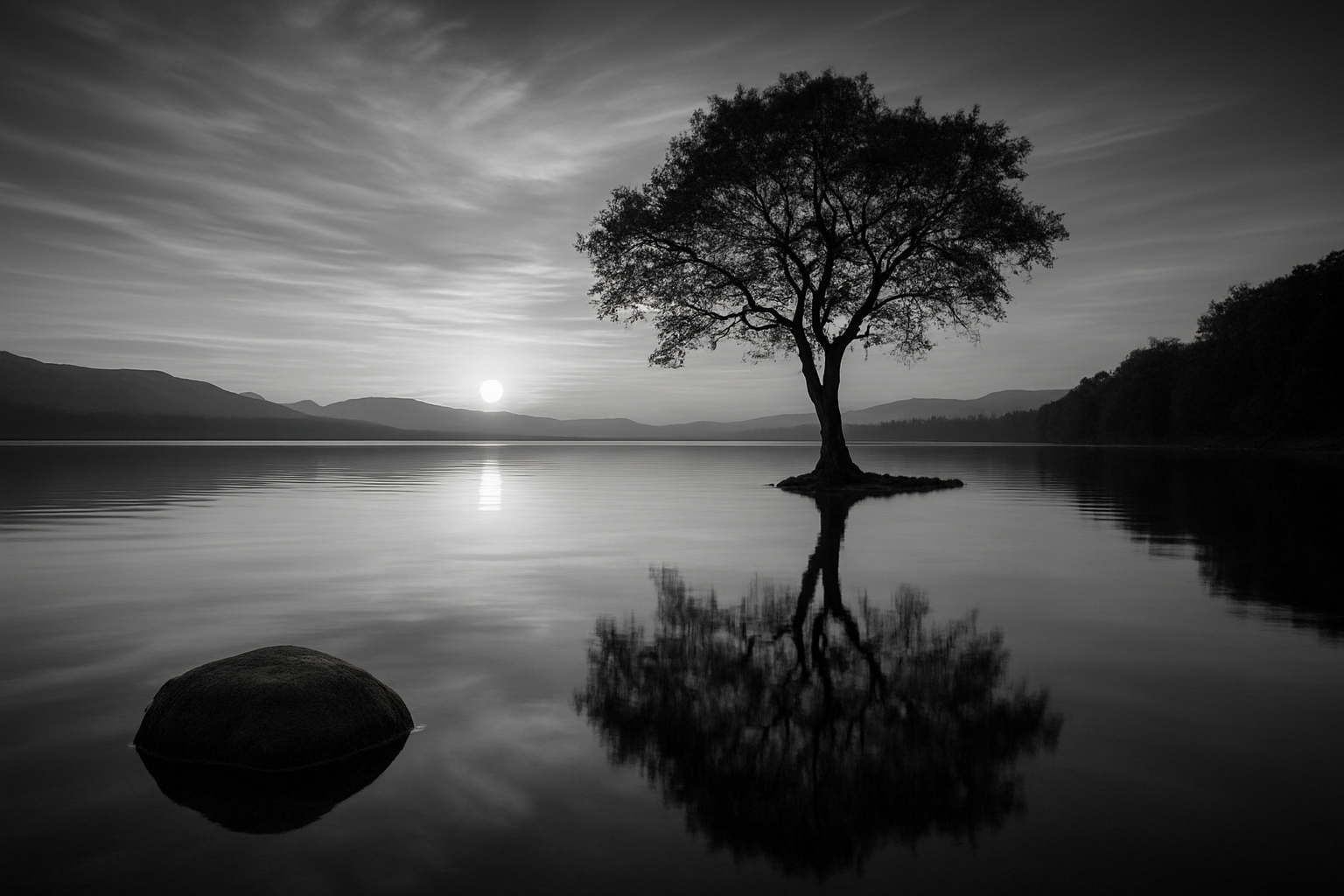
    In contrast to its ability to stop time, photography also highlights stillness amid chaos. Consider landscapes captured with long exposures; what should be a blur of activity becomes a calm vista, providing a sense of tranquility. These images offer a fresh perspective, urging viewers to find peace and beauty in the constant flow of life’s moments.

    • Long Exposure: Creates serene and ethereal landscapes by portraying moving elements as static.
    • Nature Photography: Captures the timeless beauty of the natural world, emphasizing the enduring nature of the environment.
    • Portraiture: Freezes expressions, allowing a moment of introspection and emotional connection.

    Alfred Stieglitz, a pioneer of modern photography, encapsulated this duality of time and stillness when he said, “In photography, there is a reality so subtle that it becomes more real than reality” (Wikiquote). His work not only highlighted the fidelity of photographic moments but also demonstrated photography’s potential to transcend mere representation.

    Endless Moments

    The future of photography lies in evolving technology, but its essence remains the same: the delicate blend of time and stillness. As photographers and viewers, the journey is in exploring these captured moments and allowing them to shape our perception of time’s passage and the beauty of the present.

    Ultimately, photography offers us a glimpse into the eternal—a silent narrative of the past, present, and perhaps the future, encouraging us to pause, reflect, and appreciate the world through its timeless lens.