Tag: modern

  • Beyond the Portrait: Documenting Identity in the Modern Era

    Beyond the Portrait: Documenting Identity in the Modern Era

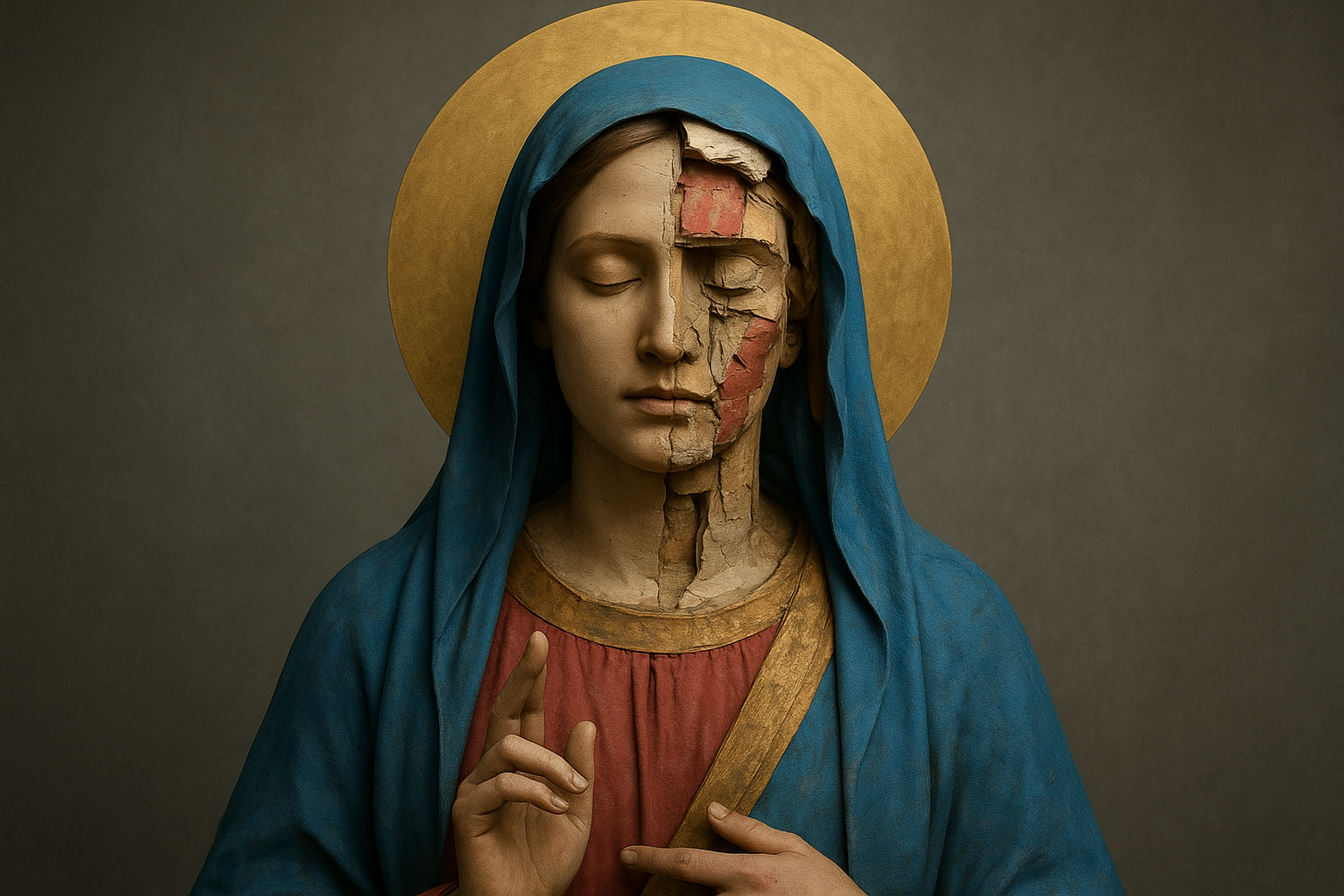
    In an era where every fleeting moment can be captured, the portrayal of identity has transcended the static confines of traditional portraiture. The narrative of self has evolved into a complex tapestry woven from countless digital threads, reflecting the multifaceted nature of modern identity. This transformation raises pertinent questions about how identity is documented and perceived in the modern era.

    The Evolution of Portraiture

    Historically, portraits served as a means to immortalize an individual’s visage, often reserved for the elite. According to art historian John Berger in his seminal work Ways of Seeing, “A woman must continually watch herself. She is almost continually accompanied by her own image of herself.” These words underpin the historical significance of the portrait as a reflection both of and upon persona.

    With the advent of photography in the 19th century, the accessibility of portraits increased. No longer restricted to the affluent, individuals from different walks of life could document their existences, albeit still in a formalized manner. For decades, these images were two-dimensional interpretations of a multi-dimensional identity.

    The Digital Revolution

    Today, the digital revolution has irreversibly altered our interactions with images and identity documentation. Platforms like Instagram, Facebook, and TikTok allow anyone to curate and project their personas in real-time. The question is no longer if one can record their image, but rather, how one chooses to present it.

    Curation of Identity

    In the words of media theorist Marshall McLuhan, “The medium is the message.” The medium through which we express our identities shapes the identities themselves. Social media serves as both a canvas and a mirror, with identities curated to fit perceived norms and ideals. As a study published in SAGE Journals discovered, “the recreation of self online often involves subtle manipulations of reality to garner social favor.”

    • Images are often edited to achieve perfection, leading to an online persona that may diverge from reality.
    • Biographical snippets, captions, and hashtags construct a narrative that viewers consume and interpret.
    • The feedback loop of likes and comments perpetuates certain self-representations over others.

    Documenting Identity Through Multimodal Means

    Today’s portrayal of identity extends beyond mere images. It encompasses videos, tweets, blogs, and even ephemeral content like Instagram Stories and Snapchat. This multimodal expression harnesses the entirety of sensory experience to convey individual narratives.

    “We’re getting used to a new way of being alone together,” observes sociologist Sherry Turkle in her TED Talk, “where we’re able to hide from each other even as we’re more connected than ever.”

    This interconnectedness demands a more nuanced approach to understanding and documenting identity. Identity is not static but an ongoing dialogue between the self and the wider world.

    Challenges and Consequences

    The modern documentation of identity poses several challenges and implications for personal privacy and societal norms:

    1. Authenticity: The curated nature of online identities raises questions about authenticity. Is what we see a genuine reflection or merely a crafted facade?
    2. Privacy: With personal details readily available online, maintaining privacy becomes increasingly challenging. The Pew Research Center highlights that a significant portion of internet users are concerned about the erasure of privacy boundaries.
    3. Social Pressure: The desire to conform to online norms can lead to undue stress and impact mental health. It is crucial to balance online engagement with offline authenticity.

    Embracing Diversity Through Identity Narratives

    The democratization of identity documentation allows for a more diverse array of stories and perspectives to surface. Now more than ever, voices previously marginalized have platforms to share their narratives, contributing to a richer, more inclusive tapestry of human identity.

    While the public persona dominates much of the online space, niche communities flourish. These communities offer support, understanding, and authenticity away from mainstream pressures. By embracing diversity in identity documentation, we move beyond monolithic portrayals to appreciate the spectrum of human experience.

    The Future of Documenting Identity

    As technology evolves, so too will the methodologies by which we document identity. Emerging technologies like augmented reality (AR) and virtual reality (VR) are paving new avenues for expression.

    In one possible future, VR might allow for the creation of immersive, four-dimensional narratives that transcend current limitations of representation. The evolution of identity documentation is relentless, promising both challenges and opportunities as we continue to weave the digital fabric of our identities.

    Conclusion

    In conclusion, documenting identity in the modern era presents a tapestry of complexity that mirrors the very diversity of human existence. As we navigate this shifting landscape, we are challenged to balance authenticity with curation, embrace diversity, and remain vigilant about privacy concerns. By understanding these dynamics, we unlock the true potential of modern identity as more than just a portrait, but a living, evolving narrative that speaks to the essence of who we are.

  • Iconoclasts and Insights: The Clash of Modern and Traditional Faith

    Iconoclasts and Insights: The Clash of Modern and Traditional Faith

    Faith, as a profound aspect of human existence, has been a source of comfort, community, and conflict throughout history. In the contemporary epoch, a fascinating dichotomy emerges between traditional adherence and modern interpretations. This clash, while rooted in age-old practices, thrives in the dynamic environment of modern society. In examining both sides, we gain insights into the evolving nature of belief and spirituality.

    The Foundations of Traditional Faith

    Traditional faith systems hold significant authority and continuity across generations. Anchored in time-honored beliefs and practices, these systems often serve as bedrock institutions within cultures globally. Such faith manifests through rituals, ceremonies, and doctrines that provide individuals with a grounded sense of identity and purpose.

    • Preservation of Legacy: Traditional faith emphasizes the unbroken transmission of customs and teachings from one generation to the next. The stability and predictability offered through orthodoxy have been pivotal to communities seeking refuge in a world of constant change.
    • Collective Identity: The shared experiences and narratives found within these traditional frameworks foster a strong sense of belonging and unity among adherents.
    • Scriptural Authority: For many, the sacred texts offer divine guidance and dictate the course of ethical and moral life. As it is often asserted: “It is written in the Holy Book,” which signifies the deep-seated reverence for scripture.

    However, modernity’s rapid advancement has sparked a reconsideration of these ancient tenets.

    Modern Faith and the Spirit of Innovation

    Modern faith is characterized by an openness to reinterpret and re-envision traditional beliefs through a contemporary lens. This is propagated by increased globalization, scientific advancements, and the rise of individualism.

    • Individual Spirituality: A growing number of people embrace a personal, rather than institutional, approach to spirituality. As noted in a recent survey by the Pew Research Center, “The proportion of Americans who identify as ‘spiritual but not religious’ has surged, signaling a shift from organized religion to personal spirituality.” (Source: Pew Research Center).
    • Scientific Inquiry: Many modern practitioners seek to harmonize scientific understanding with spiritual belief. They often view the universe’s intricate workings as a testament to greater consciousness rather than a contradiction of faith.
    • Interfaith Dialogues: The rise of interfaith movements exemplifies the modern approach to religious belief. These conversations emphasize universal values such as compassion, equality, and love, extending respect and understanding across diverse religious traditions.

    This convergence of faith and inquiry heralds a new era of innovation while posing challenges to established norms.

    The Intersection and Its Implications

    The clash between traditional and modern faith is not merely academic—it is evident in societal, political, and cultural domains worldwide.

    The Social Dynamics

    At a societal level, tension often arises in communities divided by generational views. Older groups may resist what they see as the erosion of core values, while younger generations may argue for the relevance and adaptation of faith to contemporary issues.

    “The test of a first-rate intelligence is the ability to hold two opposed ideas in mind at the same time and still retain the ability to function,” as F. Scott Fitzgerald poignantly notes. This sentiment captures the challenge faced by many in reconciling these divergent worlds. (Source: Quote Investigator)

    Political and Cultural Repercussions

    In many parts of the world, the friction between traditionalists and modern innovators influences political landscapes, policy-making, and cultural expressions. Legal systems in various countries grapple with issues of religious freedom, secularism, and how to accommodate evolving spiritual views within a traditional framework.

    • Governance and Policy: Countries like India and Turkey exemplify the struggle to balance secular governance with religious conservatism, leading to vibrant public debates and sometimes contentious political environments.
    • Cultural Expressions: Literature, film, and art often challenge traditional religious paradigms, sparking conversations and, at times, controversy.

    Bridging the Divide

    While conflict dominates much of the discourse, the potential for synergy and synthesis between traditional and modern beliefs is both feasible and promising.

    Emerging practices, such as integral spirituality, seek to harmonize conventional religious practices with new age spirituality. They propose an encompassing vision that acknowledges the wisdom of ancient traditions while embracing the insights of modernity.

    • Educational Initiatives: Programs promoting religious literacy and interfaith education contribute to breaking down misconceptions and fostering mutual respect.
    • Community Leadership: Faith leaders who advocate for dialogue and inclusivity often play pivotal roles in nurturing environments where diverse spiritual beliefs can coexist and collaborate.
    • Technology and Connectivity: The digital age has democratized access to religious texts and ideas, enabling individuals to explore various beliefs and practices, thus broadening their spiritual horizon.

    The interaction between the traditional and the modern is not a zero-sum game. Instead, it reflects the vibrancy and diversity of human belief systems. By embracing our differences and seeking common ground, we transcend merely surviving these shifts and begin to thrive through the enrichment such diversity offers.

    Ultimately, both traditional and modern faith framework strives for knowledge, meaning, and understanding—timeless quests of human beings. As we move forward, our ability to navigate these waters with compassion and openness may well define the spiritual landscape of the future.

    This article serves as a reflection on the current state of faith, where the lines between old and new are continually redrawn, offering not just conflict, but tremendous opportunity for growth and understanding in the tapestry of human spirituality.

  • Movement as Message: Decoding the Language of Modern Choreography

    Movement as Message: Decoding the Language of Modern Choreography

    In the realm of dance, choreography stands as the definitive expression of human emotion and storytelling. Modern choreography, in particular, pushes these boundaries, blending traditional techniques with pioneering ideas. This fusion results in a unique language where the body speaks as vividly as any written text. But how do dancers and choreographers convey messages through movement, and why is it essential to understand this “language”?

    The Evolution of Modern Choreography

    Modern choreography, a discipline that emerged in the early 20th century, was a rebellion against the constraints of classical ballet. While ballet adheres to strict positions and movements, modern dance embraced freedom and expression. Pioneers such as Martha Graham, considered the ‘mother of modern dance’, introduced techniques that involved the use of gravity, breath, and the core to portray raw emotion.

    “Dance is the hidden language of the soul,”

    Graham famously said, emphasizing how dance transcends mere physicality.

    The evolution of this art form did not stop with Graham. As time progressed, choreographers like Alvin Ailey, Twyla Tharp, and Merce Cunningham introduced diverse styles and techniques. Each choreographer contributed to transforming modern dance into a versatile language, capable of interpreting a wide array of themes—be it personal, political, or social.

    Choreography as a Language

    Understanding choreography as a language involves recognizing its components. Just like sentences in a spoken language, choreography comprises phrases—determined sequences of movement—that communicate specific meanings. Pina Bausch, a leading figure in dance-theatre, often used repetitive gestures that spectators could read into, forming a lexicon of gestures unique to each production.

    The Core Elements

    • Shape and Space: The utilization of space and the shape of the body within it are crucial for conveying meaning. Is the dancer reaching outward, occupying most of the space, or folding inward, creating a more introspective shape?
    • Dynamics: The energy or force behind a movement can suggest anger, joy, sadness, or tranquility. Sharp, fast movements might convey urgency or violence, whereas slow, flowing motions could suggest calmness or reflection.
    • Timing and Rhythm: The tempo and rhythm at which movements unfold are akin to punctuation in language. A sudden stop in movement can signify a dramatic pause, much like a full stop in a sentence.
    • Gesture: Often derived from everyday movements, gestures in dance can be deeply symbolic. Choreographers like Ailey frequently employed gestures reflective of cultural or historical significance.

    Interpreting Modern Choreography

    Interpreting these choreographic elements relies significantly on both personal and cultural contexts. An audience with knowledge of a choreographer’s history or the socio-political environment may derive a different understanding from those unfamiliar with these aspects. Alvin Ailey’s renowned piece, “Revelations”, draws heavily from African American spirituals and his own experiences in the racially segregated South, offering profound meaning to audiences aware of this background.

    Moreover, the universal nature of movement allows audiences to connect with choreography on a basic human level. Researchers have found that mirror neurons in our brains respond empathetically to the movements we observe, creating an intuitive understanding between dancer and audience.

    The Impact and Relevance of Modern Choreography

    In today’s rapidly changing world, modern choreography remains a powerful medium for expression. Whether tackling personal stories or broader global issues, choreographers use dance to reflect on the human condition. Hofesh Shechter, known for his politically charged performances, uses choreography to comment on contemporary social issues, blending aggressive, dynamic movement with deep social critique.

    The relevance of modern choreography is also evident in its cross-disciplinary influence. Contemporary performance art, film, and even sports choreograph movements to convey intricate stories beyond verbal narrative. Choreography’s very nature as a non-verbal art form allows for inclusion and diversity, bridging cultural and language barriers.

    Engaging with Modern Choreography

    Engaging with modern choreography can begin with attending live performances, which encapsulate the ephemeral beauty of dance. One might also explore platforms like TED, where dancers and choreographers discuss the philosophy behind their work.

    Dance festivals like the Edinburgh International Festival and online resources such as YouTube offer accessible ways to experience a wide range of choreographic works from renowned artists around the globe.

    Conclusion

    Ultimately, the language of modern choreography invites us to expand our understanding and empathy. It encourages us to see movement not just as an aesthetic experience, but as a rich, textured communication medium that challenges, informs, and inspires. As we decode the messages inherent in these artful movements, we gain a deeper appreciation of the shared human experiences they reflect.

  • Old Gods, New Forms: Reimagining Tradition for the 21st Century

    Old Gods, New Forms: Reimagining Tradition for the 21st Century

    In a world shaped by technological innovation and shifting cultural paradigms, the ancient deities of myth and legend are finding new avenues into our consciousness. The 21st century offers fertile ground for the reimagining of old gods, allowing them to take on new forms and meanings that resonate with modern sensibilities.

    The Revival of Mythical Imagery

    Throughout history, humanity has turned to gods and myth to explain the unexplainable. In today’s hyper-connected global society, there is a resurgence of interest in these ancient tales, but with a twist that speaks to contemporary audiences. As Neil Gaiman notes in American Gods, “The old gods are immortal…as long as people believe in them.” (Source: Goodreads)

    Digital Age and the Mythical Consciousness

    The digital revolution has provided a platform for the repurposing of religious and mythological themes. Artistically, this takes shape in video games, films, and literature that reinterpret classical myths. Consider the global success of video games such as God of War, which reintroduces ancient gods in ways that invite players to interact with mythology directly.

    Similarly, social media platforms have become arenas where mythological discourse can flourish. Instagram and TikTok hosts countless accounts dedicated to the discussion and depiction of deities, creating a narrative network of belief and storytelling. This dissemination democratizes access to these age-old narratives.

    The Impact on Spiritual Practices

    The intersection of ancient deities and modern technology is not limited to art and literature but extends into personal belief systems and spiritual practice. Contemporary practitioners often blend traditional rituals with new-age elements. For instance, the growing popularity of neo-paganism illustrates a conscious adaptation of ancient religious practices that suit modern life’s pace and values.

    “The essence of these belief systems is fluid,” explains Carol Cusack, a religious studies professor at the University of Sydney. “The adaptability of old beliefs is vital for their survival.” (Source: University of Sydney)

    Conclusion: Continuity Through Change

    The old gods, once bound by geography, are now global citizens, revitalized and reshaped to meet the demands of the 21st century. As our world continues to transform, these mythical beings evolve alongside us, providing not only a connection to our ancestral past but also a mirror reflecting our ever-changing cultural identity. The enduring allure of these ancient figures lies in their ability to maintain relevance, continually reimagined to inspire and guide us through the challenges of modern life.

  • The Sacred and the Screen: Modern Worship in a Secular World

    The Sacred and the Screen: Modern Worship in a Secular World

    In the bustling backdrop of our modern secular world, the notion of worship takes on new forms and finds new venues, often intersecting with the digital screens that have come to dominate our lives. As traditional religious practices vie for attention with captivating digital media, the sacred finds itself intertwined with the digital realm.

    The New Sacred Spaces

    The digital age has brought forth innovative ways to engage in spiritual practices, particularly as global events and societal shifts challenge traditional gatherings. Online worship offers a sense of community without the constraints of geographical boundaries. As one study notes, “Virtual spaces allow believers to gather for worship, prayer, and study, overcoming limitations of physical space and time.” [ResearchGate]

    • Virtual Congregations: Platforms like Zoom and Facebook Live have become new locales for worship, fostering a connection that transcends the physical domain.
    • Social Media Sermons: Spiritual leaders are increasingly utilizing Twitter, Instagram, and TikTok to share messages, providing inspiration and guidance in easily digestible formats.

    A Blurring of the Secular and the Sacred

    The blending of sacred traditions with modern technology raises compelling questions about the nature of sacred practices in a secular age. Digital tools don’t just serve as vessels but actively reshape religious experiences. According to Richard Cimino, a researcher of religion in the digital world,

    “Online worship has the potential to democratize religious authority, giving rise to new voices and interpretations.”

    [Taylor & Francis]

    • Podcasts and Apps: From meditative apps like Calm to religious podcasts that dive deep into theology, digital tools cater to personal spiritual journeys.
    • Interactive Devotionals: Websites and apps offer daily reflections, allowing individuals to engage with spirituality amidst their daily routine.

    Challenges Ahead

    Despite the blessings of digital spaces, they present significant challenges. The risk of losing intimacy and authenticity looms large, as does the potential for digital burnout. Balancing screen time with the need for genuine connection remains a critical task for modern believers.

    As we navigate these digital waters, it is imperative for spiritual seekers to critically engage with these tools, using them as means to enhance, not replace, tradition. In the paradox of modern worship, it is clear that while screens dominate our secular world, they can, with discernment, become portals to the sacred.

  • Light and Shadow Play: The Photographer as Modern Alchemist

    Light and Shadow Play: The Photographer as Modern Alchemist

    The art of photography has often been described as a modern alchemy, transcending the mere capture of images to become a profound exploration of Light and Shadow. Just as ancient alchemists transformed base metals into gold, photographers manipulate light and shadow to create visual poetry.

    Understanding the Alchemical Process

    At the heart of this transformation lies an intricate dance between light and shadow. Ansel Adams, a pioneer of photography, aptly noted, “You don’t make a photograph just with a camera. You bring to the act of photography all the pictures you have seen, the books you have read, the music you have heard, the people you have loved.” (Adams Photography).

    • Light as the Catalyst: Just as alchemists used fire to instigate change, photographers rely on light. It is both the brush and the paint—defining shapes, creating depth, and provoking emotion.
    • Shadow as the Substance: Shadows are not merely voids but essential elements that provide contrast and meaning, much like how ancient texts revered the balance between darkness and light.

    The Photographer’s Philosopher’s Stone

    In this modern alchemical pursuit, the camera becomes the philosopher’s stone. It is the tool through which the mundane is elevated to the extraordinary. This idea aligns with Susan Sontag’s perspective in her seminal work, “On Photography,” where she describes photography as “an elegiac art, a twilight art.” Photographers, she argues, capture the duality of the world, “taking a keen interest in the banality, the ordinary, the everyday.”

    “Photography is, firstly, a way of feeling, of touching, of loving.” – Aaron Siskind

    Digital technology has furthered this transformation. The modern photographer’s toolkit now includes post-processing software, where images are refined, much like a chemist’s concoction, to reveal the hidden beauty and subtle nuances of the subject.

    The Legacy of Alchemical Photography

    Photography’s narrative is one of transformation, of seeing the world anew. Through their lens, photographers invite us to witness the delicate interplay of light and shadow, beckoning us to consider perspectives we may otherwise overlook.

    Ultimately, the photographer as modern alchemist is not just an observer but a creator, invoking a response from the viewer—a catalyst in the refinement of perception. This ongoing journey promises to keep the magic of photography alive, much like the eternal quest of ancient alchemy.

  • Beyond the Canon: Finding Soul in Modern Spiritual Practice

    Beyond the Canon: Finding Soul in Modern Spiritual Practice

    In an era where the rigidity of traditional religious practices often seems at odds with the fluidity of modern life, a shift is occurring. People worldwide are seeking spiritual fulfillment outside the boundaries of established religions. This evolution in spiritual practice invites individuals to create an individual connection with the divine, nourishing their souls in ways that align with their personal beliefs and lifestyles.

    The Decline of Traditional Religion

    The decline of traditional religions, especially in Western societies, has been significant over the past few decades. According to a 2021 survey by Pew Research Center, the number of people identifying as religiously unaffiliated has increased dramatically, making up nearly 30% of the U.S. population.

    “The unaffiliated are growing, not only in the United States but all over the world,” notes Pew Research.

    This shift is not necessarily indicative of a move away from spirituality; rather, it suggests a search for a more personal and meaningful connection with one’s sense of the sacred.

    Emergence of Modern Spiritual Practices

    As traditional religious engagement wanes, diverse spiritual practices have emerged, often drawing on ancient philosophies while adapting to contemporary contexts. These practices emphasize personal experience and inner transformation over dogma and institutional adherence.

    • Meditation and Mindfulness: Rooted in ancient traditions such as Buddhism and Hinduism, meditation has found a new home in the West. Practitioners use it to cultivate mindfulness, reduce stress, and build a deeper sense of empathy and awareness.
    • Yoga: Originally a spiritual practice in the Indian subcontinent, yoga has evolved in the West primarily as a form of physical exercise. However, for many, it remains a deeply spiritual practice that promotes harmony between mind, body, and spirit.
    • Nature-based Spirituality: A re-engagement with nature offers spiritual fulfillment to many. Be it through eco-spirituality, Druidry, or simply spending time in nature, people find solace and connection with the divine in the natural world.
    • Energy Healing and Reiki: Practices focused on the human energy field, such as Reiki, have gained popularity. They are seen as pathways for balancing energy and achieving spiritual and emotional health.

    These practices are often combined, allowing individuals to craft a personalized spiritual path that speaks to their soul and lifestyle.

    Technology and Spirituality

    The digital age has also contributed to the evolution of modern spirituality. Technology enables access to spiritual teachings and communities like never before. Apps dedicated to meditation, yoga practice, and even astrology garner millions of monthly users.

    Furthermore, online communities provide a platform for individuals to connect with like-minded individuals across the globe. As The New York Times observes, these digital spaces have become crucial for those seeking support and guidance outside traditional religious settings.

    “Platforms like Headspace and Insight Timer make spiritual practices accessible and customizable, appealing to a generation seeking mindfulness and calm amidst modern chaos,” The New York Times reports.

    The Individual’s Spiritual Journey

    While organized religion often provides a well-defined spiritual path, the growing preference for personalized spirituality allows for exploration and self-discovery. This individualistic approach enables people to engage with spiritual texts, rituals, and practices in a way that feels authentic and resonant with their personal lives.

    Indeed, Psychology Today suggests that such personal exploration can lead to a “rich and fulfilling spiritual life,” encouraging individuals to seek truths and wisdom across wisdom traditions and philosophical teachings.

    Despite the risks of cultural appropriation and commodification—challenges well-documented by scholars—modern spiritual seekers advocate for respectful and informed engagement with diverse spiritual practices.

    Conclusion

    Spirituality beyond the canon represents a significant evolution in how we understand and engage with the divine. It empowers individuals to find meaning and connection in a multifaceted world, emphasizing a deeply personal journey and the search for one’s own truth.

    As society continues to evolve, so too will these modern spiritual practices, reflecting the dynamic and ever-changing landscape of human belief and experience. In this search beyond the canon, new traditions may emerge, blending the wisdom of the ages with the insights of modernity, continually renewing the soul of spirituality itself.

  • Echoes of the Source – Remembering the Primordial Dao

    Echoes of the Source – Remembering the Primordial Dao

    Echoes of the Source: Remembering the Primordial Dao

    In a world constantly seeking progress through technology and innovation, there lies a profound echo from an ancient philosophy—the Dao (or Tao). Originating in ancient China, the Daoist philosophy offers a contemplative approach to existence, one that emphasizes harmony with the natural world and tapping into the primordial source of all life. To remember the Dao is to reconnect with a timeless wisdom that champions simplicity, humility, and the perpetual flow of the universe.

    The Birth of Daoism

    Daoism, as a formalized philosophy, is traced back to the legendary sage Laozi, credited with authoring the foundational text, the Dao De Jing (Tao Te Ching). This classic work, written in the 6th century BCE, encapsulates the essence of the Dao through eighty-one compact, yet profound chapters. The opening lines of the Dao De Jing begin with:

    “The Dao that can be told is not the eternal Dao; the name that can be named is not the eternal name.”

    These lines encapsulate a profound paradox—while the Dao envelops all things, it remains ineffable, transcending human understanding through words alone.

    Core Tenets of Daoism

    • Wu Wei: The concept of “non-action” or “effortless action.” This does not mean complete passivity but rather allowing things to unfold in their natural course.
    • Simplicity: Embracing a lifestyle in alignment with minimalism and the reduction of material desires.
    • Harmony: Living in balance with the world by recognizing and flowing with its natural rhythms.
    • Yin and Yang: The principle that opposite forces are interconnected and interdependent in the natural world, giving rise to each other in turn.

    The Primordial Source

    At the heart of Daoism lies a connection to the primordial source—a metaphysical concept referring to the beginning and foundation of all existence. This source is not only a singular origin of the universe but also a continuous principle that every creation is drawn to and must return to.

    Zhuangzi, another eminent Daoist philosopher, expands on living life connected to the Source:

    “Know the masculine, keep to the feminine—be the valley of the world. Be the valley of the world—for you to adhere to the constant virtue and return to the realm of the infant.”

    Here, Zhuangzi directs us back to the simplicity and purity of a child, an allegory for returning to the inherent, untainted way of the Dao.

    Daoism in Modern Context

    Despite its ancient roots, Daoism’s tenets offer valuable insights into modern living. In today’s fast-paced and success-oriented society, many individuals find solace in revisiting these teachings, searching for balance amidst chaos. Daoist principles encourage a shift from relentless striving to embracing a way of living that is in tune with the natural order.

    The modern environmental movement finds synergy with Daoism’s call for harmony with nature. By recognizing that humans are but one thread in the vast tapestry of life, it becomes evident that conservation is not just a responsibility but a natural inclination driven by Daoist ideology.

    Rediscovering the Dao

    “Living through the Dao” means engaging actively with the practices that ground this ancient wisdom. Meditation, mindfulness, and Tai Chi are more than exercises of calm—they are ways to reconnect with the fluidity of life and the echo of the primordial source.

    Incorporated into daily life, these practices can rekindle our intimacy with the Dao. They remind us that beneath the surface of our modern existence lies a profound simplicity and purity. Recognizing the echoes of the source allows individuals to traverse beyond the illusion of separation and embrace the unity of all things.

    Conclusion

    Daoism, often misunderstood as mere mysticism, continues to occupy a vital space in philosophical thought. As the world rushes towards an uncertain future, the lessons from the Dao reverberate, urging a contemplation of life that is as profound as it is simple.

    By remembering the primordial Dao, we don’t just escape the frenetic pace of the modern world—we tune into the eternal dance of balance and harmony that the universe gently conducts. In this remembrance lies the possibility of rediscovering ourselves, our purpose, and our place within the cosmic order.

    For more about the philosophy, teachings, and influences of Daoism, visit Britannica’s Daoism entry.

  • Nomadic Enlightenment

    Nomadic Enlightenment

    Nomadic Enlightenment: Embracing Wisdom Through Movement

    The concept of nomadic enlightenment combines the age-old practices of nomadic societies with the philosophical pursuit of enlightenment. As the modern world grapples with environmental challenges and a fast-paced lifestyle, looking back at nomadic traditions for wisdom offers a pathway to a more thoughtful existence.

    The Nomadic Way of Life

    Nomadic lifestyles have been part of human history for thousands of years. These communities live in harmony with their environments, moving periodically to find resources. This transient way of life is not merely a survival strategy but a profound expression of living with the land.

    • Adaptation: Nomads have developed incredible adaptability to various climates and terrains, reflecting a partnership with nature rather than domination over it. Anthropologist David Pearce notes, “Nomads move with the seasons, and their intimate knowledge of their environment is unparalleled.”
    • Community and Sharing: In nomadic cultures, community is key. Resources are shared, and cooperation is essential for survival. These values foster deep social connections and a strong sense of belonging.
    • Simplicity: Nomads live with minimal possessions, prioritizing utility over accumulation. This aligns with the minimalist movement seen in contemporary society, which seeks freedom from material excess.

    The Path to Enlightenment

    Enlightenment, in a philosophical and spiritual sense, refers to achieving understanding, wisdom, and insight into the nature of reality. It’s a state where one perceives beyond the illusions of material life to grasp deeper truths.

    • Philosophical Roots: Enlightenment philosophies encourage the shedding of ego and material attachments to uncover inner peace and wisdom. Lao Tzu, a revered sage, once said, “Knowing others is intelligence; knowing yourself is true wisdom.”
    • Mindfulness and Awareness: Key to enlightenment is cultivating mindfulness—a practice of being present in the moment. This is akin to the nomadic focus on the immediate needs of life, preventing stagnant thoughts or regrets of the past and anxieties of the future.

    Interweaving Nomadic Traditions with Enlightenment

    Combining these two philosophies, nomadic and enlightenment, offers practical lessons for modern living:

    “Learning to let go is not a loss, it’s the beginning of the path.” – Thich Nhat Hanh

    • Embracing Change: Just as nomads adapt to new environments, those seeking enlightenment understand that change is a constant. Accepting and learning from these changes can lead to personal growth.
    • Environmental Stewardship: Nomads live lightly, adapting their needs according to what their environment can sustainably provide. Similarly, those on an enlightened path often become more conscientious of their ecological footprint.
    • Foster Connection: Engaging with the community and forming meaningful relationships can be both a source and goal of enlightenment, echoing the nomadic emphasis on cooperation and shared living.

    Lessons for the Modern World

    Nomadic enlightenment isn’t about abandoning urban life but rather integrating ancient wisdom into modern contexts:

    • Minimalism and Conscious Consumption: In a world driven by consumerism, nomadic teachings encourage us to assess our true needs and declutter our lives.
    • Sustained Focus on Experiences Over Possessions: Prioritize experiences that cultivate joy and knowledge, much like nomadic tribes whose wealth lies in stories and traditions.
    • Adopting Resilience and Flexibility: As the global landscape changes rapidly, the ability to adapt is increasingly valuable. The nomadic approach to life offers a blueprint for resilience in uncertain times.

    A Global Shift

    Incorporating elements of nomadic enlightenment into our daily lives could catalyze a shift toward more sustainable and fulfilling lifestyles. As E.O. Wilson suggested in his writings, “The real problem of humanity is the following: we have paleolithic emotions, medieval institutions, and god-like technology.” Bridging these divides requires wisdom from both ancient practices and modern insights.

    The journey to nomadic enlightenment can lead us to a life that is more harmonious with nature and fulfilling in its simplicity, weaving the strength of traditional nomadic life with the pursuit of profound understanding. By embracing these principles, humanity stands to rediscover its roots and step into a future enriched by the wisdom of the past.