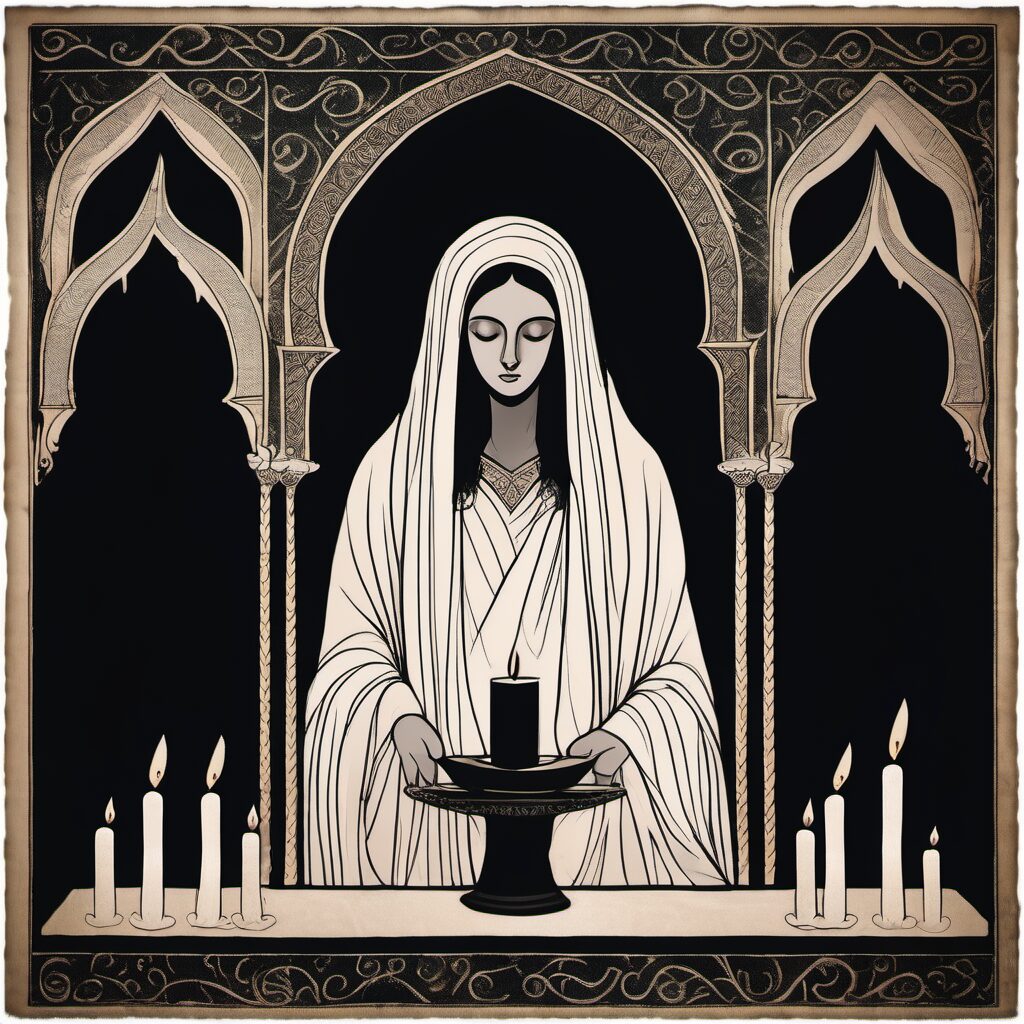
The Middle Path Between Discipline and Collapse
“Balance, as can be found in nature, is the key to long-term survival and prosperity.” – Lao Tzu
In the realm of human civilization, the concept of balance has always been a crucial factor for growth and sustainability. One such aspect that demands a delicate balance is the relationship between discipline and collapse, two forces that, when mismanaged, can lead to stagnation or catastrophe.
The Pillars of Discipline:
- Structured Routine: Regularity in activities provides a sense of order and predictability, fostering productivity and reducing stress levels.
- Boundaries: Establishing boundaries helps individuals focus on essential tasks, preventing burnout and maintaining work-life balance.
- Accountability: Setting personal or collective goals and being held accountable for their achievement promotes self-discipline and encourages continuous improvement.
The Cracks in Discipline:
However, an overemphasis on discipline can lead to rigidity, stress, and eventual burnout. As the renowned psychiatrist Karl Menninger once said, “The capacity to be alone is the distance between dependency and independence.” In this context, too much discipline can hinder personal growth by stifling creativity, exploration, and self-discovery.
The Path Towards Balance:
- Flexibility: Embracing change and adapting to new situations is crucial for maintaining a balance between discipline and flexibility.
- Empathy: Understanding others’ perspectives can help foster patience, compassion, and emotional intelligence—essential traits for creating harmonious relationships and environments.
- Self-care: Prioritizing mental, physical, and emotional wellbeing is essential to maintain a balanced and sustainable lifestyle over the long term.
“The art of life lies in a constant readjustment to our surroundings.” – Kakuzo Okakura