Tag: memory

  • Myth as Memory of the Species – What evolution cannot encode

    Myth as Memory of the Species – What evolution cannot encode

    Myth as Memory of the Species: What Evolution Cannot Encode

    Throughout human history, myths have played a crucial role in the cultural and spiritual lives of societies. They are the narratives that have been passed down through generations, encapsulating not just entertainment, but the values, beliefs, and experiences of entire cultures. As we delve deeper into the significance of myth, one can wonder: is it merely a cultural construct, or does it serve a deeper, perhaps evolutionary purpose?

    The Limitations of Evolution

    Evolution, in its essence, is a biological process that favors traits aiding in the survival and reproduction of a species. These traits are encoded in our DNA and passed on to future generations. According to geneticist Richard Dawkins, “We are survival machines—robot vehicles blindly programmed to preserve the selfish molecules known as genes” (Richard Dawkins, The Selfish Gene).

    While evolution accounts for many of the physical and behavioral characteristics of species, it falls short in explaining the propagation of myths. For myths are not concrete traits one can inherit through genes; rather, they belong to the realm of cultural memory.

    The Role of Mythology in Human Evolution

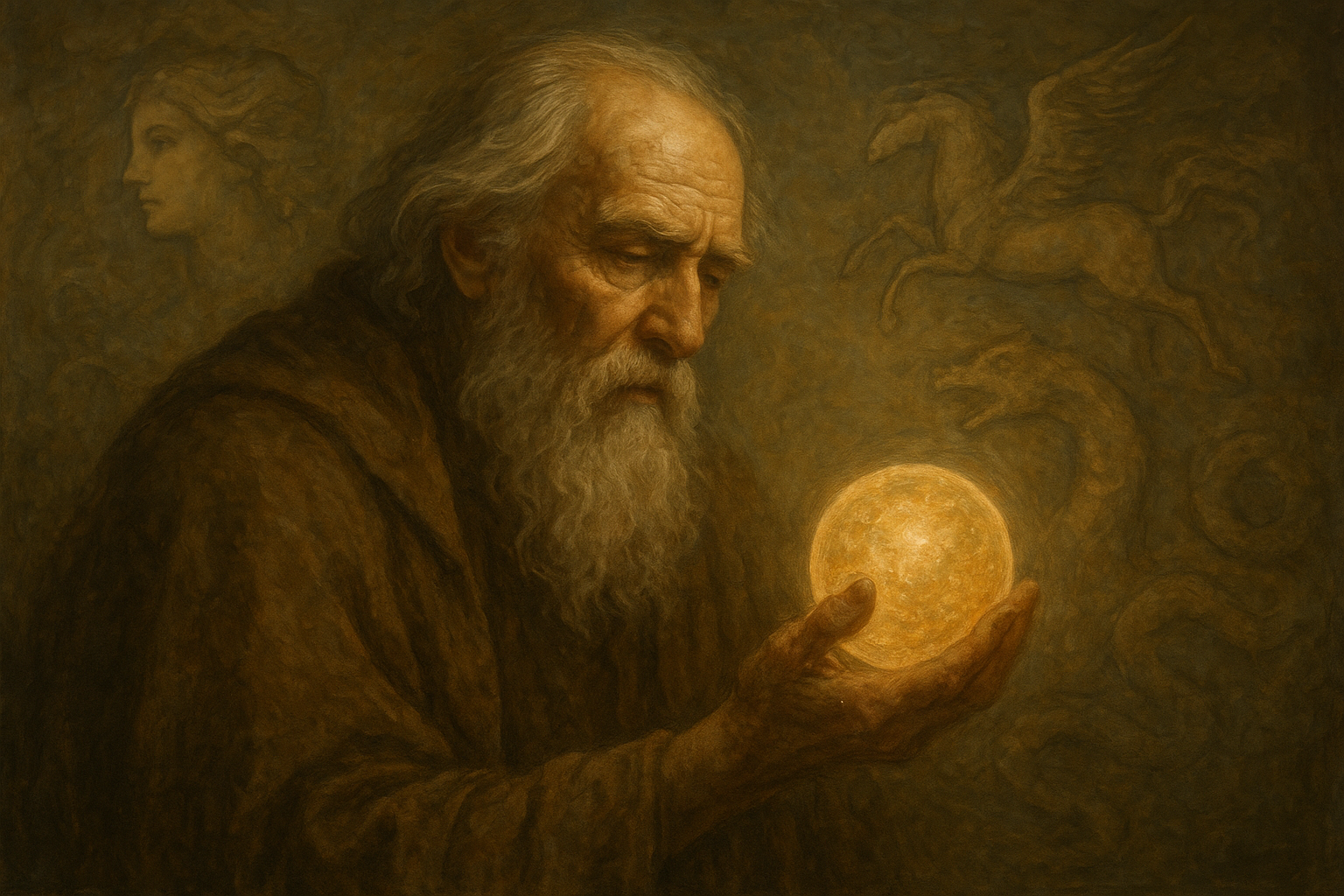
    Mythology can be viewed as the collective memory of humanity, a series of narratives that encapsulate the essence of human experiences, aspirations, and moral lessons. Carl Jung believed myths operate as a communal memory that connects human beings across time and space. He observed that “Myths are the original revelations of the preconscious psyche, involuntary statements about unconscious psychic happenings,” suggesting that myths arise from a deep-seated need to make sense of the world (Carl Jung, Man and His Symbols).

    • Making Sense of Reality: Myths often provide explanations for phenomena that early human societies found mysterious or unfathomable. These stories helped people understand the forces of nature, the cycle of life and death, and human behavior.
    • Establishing Social Norms: Many myths serve as cautionary tales, warning against certain behaviors, or illustrating the virtues of desirable ones, thereby reinforcing societal norms and values.
    • Fostering Social Cohesion: Shared myths create a sense of belonging and identity within a community. They serve as a common framework through which individuals can connect and communicate.

    The Resilience of Myths

    Myths persist through oral traditions, art, and written records, proving their resilience and adaptability. Unlike genetic traits, which are fixed and slow to change, myths can evolve quickly, reflecting changes in cultural, social, and environmental conditions. They are an art form, continually reshaped by storytellers to maintain their relevance in contemporary societies. In the words of mythologist Joseph Campbell, “Myths are public dreams, and dreams are private myths” (Joseph Campbell, The Power of Myth).

    The enduring power of myths lies in their ability to transcend generations. Despite advancements in science and technology, modern humans still turn to myths to understand human nature and address existential questions. The hero’s journey, a pattern that features in the myths of many cultures, speaks to our innate desire for growth, self-discovery, and the overcoming of obstacles.

    Conclusion

    While evolution may not encode the stories that make up our mythological traditions, these narratives hold a significant place in the fabric of human society. Myths serve as the amalgamation of human wisdom, a reflection of our collective psyche, and the continuation of our cultural heritage. In recognizing myths as the memory of our species, we acknowledge their profound impact on our past, present, and future.

    “Myth is much more important and true than history. History is just journalism and you know how reliable that is” – Joseph Campbell

    In an age where humanity is increasingly interconnected, understanding and preserving these age-old stories could be key to navigating the intricate web of modern life.
  • The Body Remembers: Choreography as Embodied History

    The Body Remembers: Choreography as Embodied History

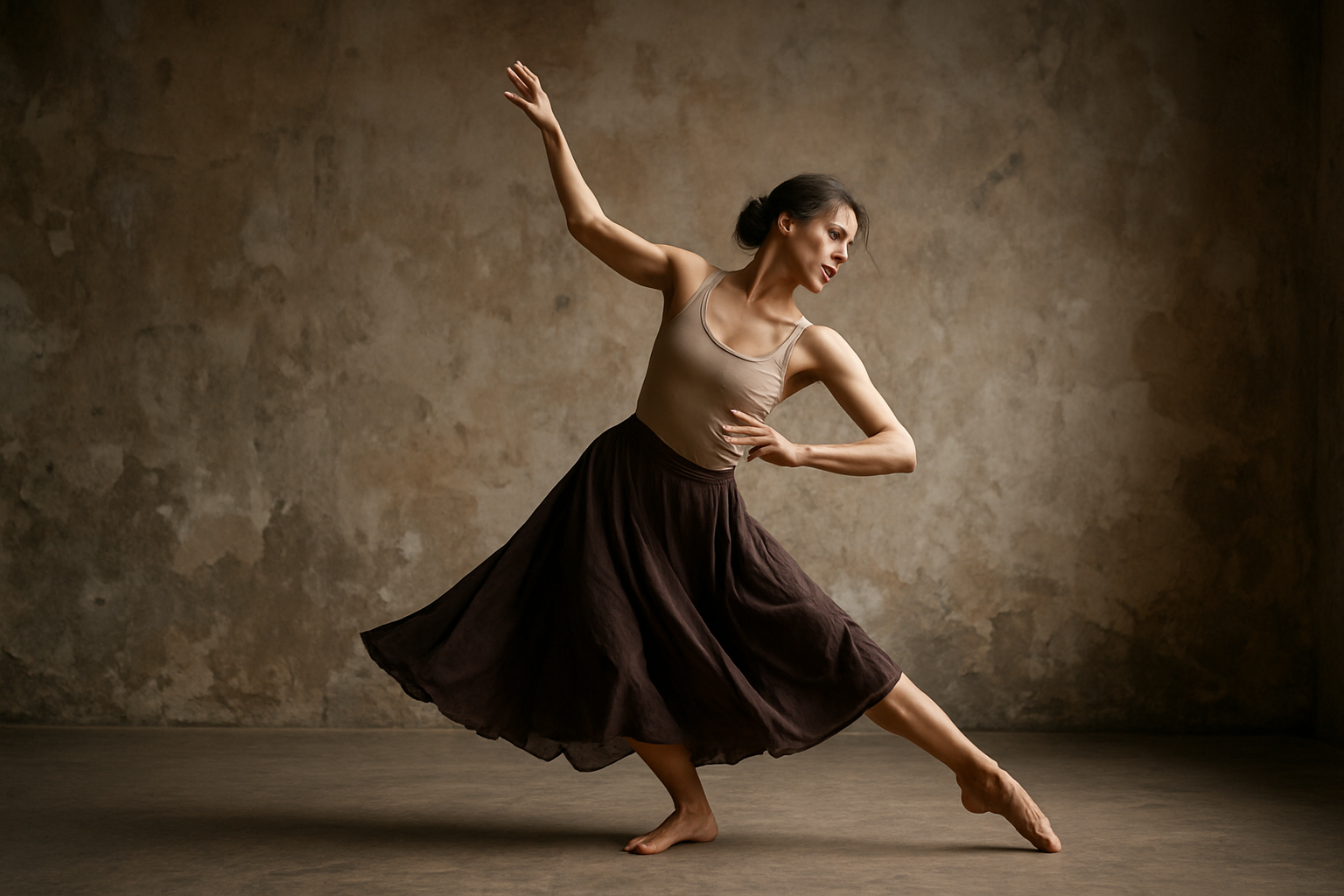
    Dance has long been a medium of expression, a channel through which cultures tell their stories, preserve their history, and envision their futures. In the world of choreography, each movement is more than just a step—it’s a narrative, an emotion, and indeed, an archive of human experience. This article delves into the profound concept of choreography as embodied history, exploring how the body serves as a living repository of collective memory.

    The Intersection of Memory and Movement

    Choreography transcends mere physical exercise; it is an art form that encapsulates the essence of memory and identity. As dance historian Mark Franko writes in his book, “Choreographing History,” “dance both resists and embodies history, constantly rewriting itself in the process of performance.”

    Each performance is unique in its execution, yet deeply rooted in tradition and the cumulative experiences of those who have danced before. The body, through dance, becomes a vessel of historical memory, preserving the intangible heritage of countless generations.

    Dance as Cultural Archive

    Across various cultures, dance has been used as a narrative tool to pass down stories and traditions. For example, the Bharatanatyam of India is not merely a dance form but a repository of ancient Indian narratives, philosophy, and cultural practices. The meticulous hand gestures (mudras) and facial expressions (abhinaya) are imbued with meanings that convey complex stories and emotions.

    “Dance is the hidden language of the soul,”

    as famously stated by Martha Graham, one of the pioneers of modern dance. Graham’s own works often drew on myth and legend, using choreography to engage with historical narratives and personal histories.

    The Modern Context: Choreography as Political Commentary

    In the contemporary dance scene, modern choreographers frequently use their platform to make poignant political and social statements. Pina Bausch, known for her innovative blend of movement, sound, and stage sets, created works that became critical commentaries on society and its complexities.

    One of her celebrated pieces, “Café Müller,” depicts the human condition’s challenges, using repetition and conflict within the choreography to express themes of fragility and resilience. As Bausch once remarked,

    “I’m not interested in how people move but in what moves them.”

    Through this, she captured the essence of choreography as a reflection of the societal zeitgeist, a political commentary written in the language of the body.

    Embodied History in Performance: The Body as a Living Archive

    Choreographers like Alvin Ailey have demonstrated how dance can serve as a historical chronicle. Ailey’s “Revelations” is an iconic masterpiece that channels the African American experience through profound musical and movement narrative, embodying cultural memory and resistance.

    According to the Alvin Ailey American Dance Theater, “Revelations” uses spirituals, song-sermons, gospel songs, and holy blues… to fervently explore the places of deepest grief and holiest joy in the soul.” Ailey’s choreography thus stands as an artistic testament to the resilience and history of a community within the broader American tapestry.

    Choreography and Social Memory

    Choreography has a pivotal role in social memory and collective identity. Through its interpretive nature, it provides a space for audiences to engage with their personal and collective pasts. The physicality of dance allows for metaphors that words can rarely achieve. In essence, dance is a dialogue between the past and present, a dance with history itself.

    Liz Lerman, a choreographer known for her collaborative approach to dance, highlights the importance of social memory. Her ensemble works invite diverse groups to share their stories and histories, thus making choreography an act of communal remembrance.

    Conclusion: The Lasting Imprint of Dance

    In conclusion, the art of choreography serves as a vital conduit for history and identity. By capturing the intangible essence of human experience in movement, it allows us not only to remember but also to connect. Dance nurtures the body and soul, crafting a living testament to the truths of human existence.

    As we move with this understanding, we honor the past, animate the present, and dance toward the future—a future enriched by the narratives and histories carried within our very bodies.

    Indeed, the body remembers, and in doing so, it keeps the history alive in the dynamic and transformative world of dance.