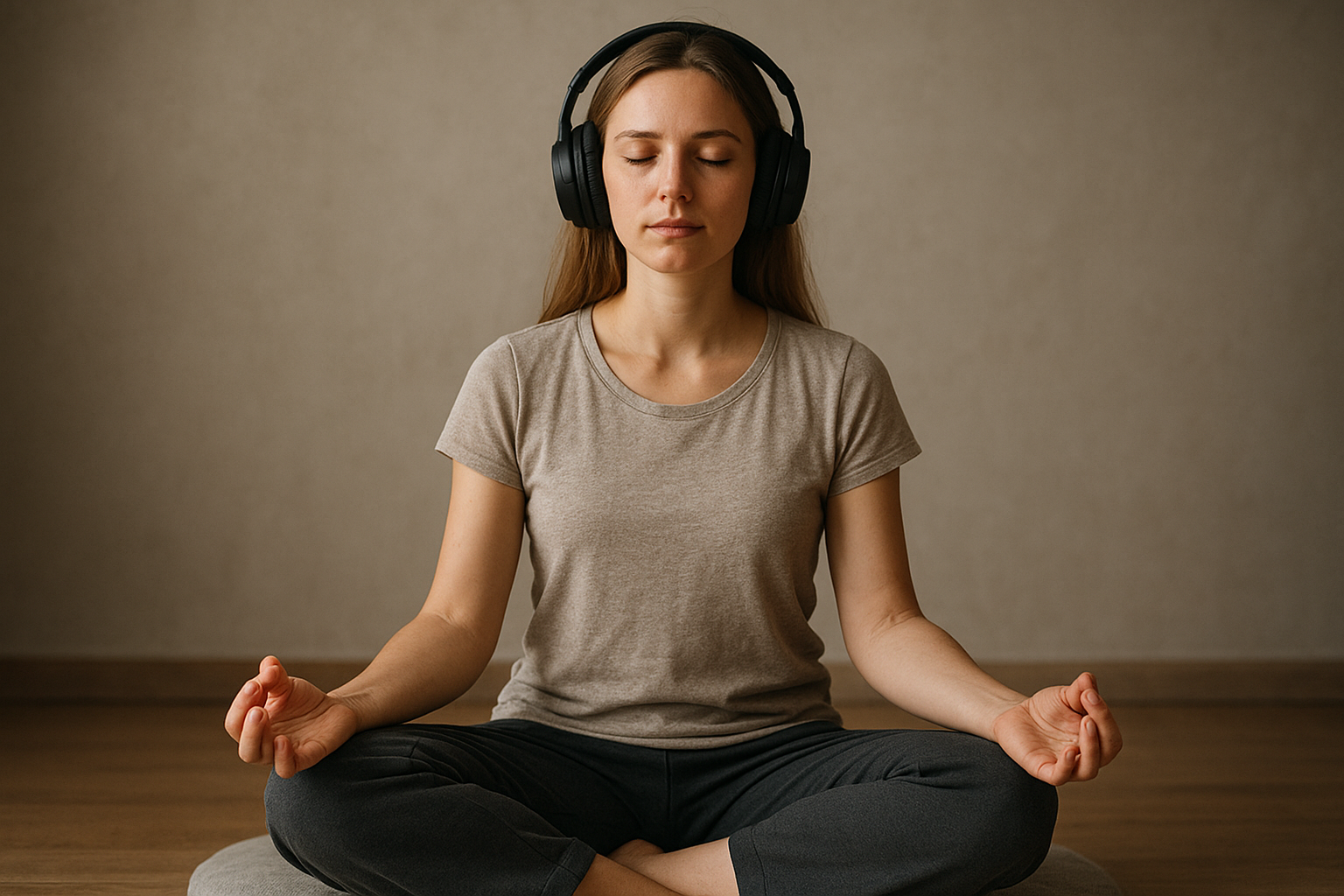
In the ever-expanding universe of mindfulness and meditation practices, the use of sound as a meditative focus has seen a resurgence, particularly through the emergence of drone music. This genre, characterized by its sustained and immersive soundscapes, offers a unique gateway to deeper states of consciousness and well-being.
The Origin of Drone Music
Drone music, defined by its minimalistic approach with few, if any, beats or melody, traces its roots back to various cultural and spiritual traditions. From the monotonous chants of Tibetan monks to the didgeridoo of the Indigenous Australians, drone sounds have been employed as a conduit for meditation and spiritual connection for millennia.
The modern iteration of drone music evolved in the mid-20th century, with composers like La Monte Young and his Dream House, creating environments in which sound and listener are interconnected. As Young famously stated, “One of the main things my work is about is establishing a relationship with sound.” [source]
The Science Behind the Sound
Sound has a profound impact on the human brain. According to a study by the National Center for Biotechnology Information, certain sound frequencies can alter brainwave activity, promoting states similar to those achieved in meditation. Drone music, with its sustained and repetitive nature, is particularly powerful in this regard. It fosters a hypnotic state that can lead to a reduction in stress and anxiety.
“Slow repetition or sustained sound is known to have a deep impact on mind states,” says Dr. Julie Bernstein, a neurologist specializing in music therapy. “It allows the brain to enter a relaxed state of flow, similar to what’s experienced during yoga or deep meditation.”
Practical Benefits of Meditative Drones
The benefits of incorporating drone music into a meditation practice are manifold:
- Enhanced Concentration: The minimalistic nature of drone sounds can help focus the mind, minimizing the distractions that often disrupt meditation.
- Emotional Release: The sustained tones can facilitate emotional processing and release, offering a safe space to experience and move through feelings that may otherwise remain repressed.
- Connection to the Present: By engaging the auditory senses fully, drone music helps anchor practitioners in the present moment, a key aspect of mindfulness.
These benefits are not just anecdotal. Research from the Oxford Journals has demonstrated that a steady auditory stimulus can significantly improve mental health outcomes for those undertaking regular meditation practices.
Integrating Drone Music into Your Practice
For those new to meditation or the use of drone music, beginning with guided sessions can provide structure and support. Many online platforms now offer recorded sessions specifically designed to harness the power of sustained sound.
To get started:
- Choose a setting free from distractions, where you feel comfortable and safe.
- Select a drone music track. Platforms like Spotify and YouTube offer extensive libraries to explore.
- Use headphones to immerse yourself fully in the experience if external noise is a distraction.
- Focus on your breath or the sound itself, allowing thoughts to ebb and flow without attachment.
Beyond the Sound
While drone music can stand alone as a powerful tool for meditation, it also complements other mindfulness practices. Pairing drone music with activities like yoga, tai chi, or even creative arts can deepen engagement and enrich the practice.
“It’s about creating a sound environment that supports mindfulness,” explains sound artist Anna Roberts. “The goal is not just listening, but truly experiencing.”
As more people search for ways to navigate the complexities of modern life, the simple yet profound presence of drone music offers a timeless pathway inward. By fostering focus and embracing the present, it continues a legacy of sound as a healer, guide, and connection to something larger than ourselves.