Tag: meditation

  • The Difference Between Escapist and Restorative Meditation

    The Difference Between Escapist and Restorative Meditation


    The Difference Between Escapist and Restorative Meditation

    The Difference Between Escapist and Restorative Meditation

    “Meditation has been practiced for thousands of years as a means to achieve inner peace, improve focus, and reduce stress.” – Jon Kabat-Zinn

    In the realm of meditation, two popular approaches often come under discussion: escapist and restorative meditation. Both methods offer unique benefits and it is essential to understand their differences to reap the most significant rewards from your practice.

    Escapist Meditation

    Escapist meditation, as the name suggests, aims to transport you away from your current reality and into a state of detachment from daily life. Techniques such as concentration meditation and mindfulness can be considered escapist forms, focusing on single-pointed concentration or observing thoughts without judgment.

    “Meditation is not evasion; it is a shield.” – The Dalai Lama XIV

    Restorative Meditation

    On the other hand, restorative meditation seeks to enhance our connection with the present moment while fostering a sense of inner calm and well-being. This approach includes practices like loving-kindness meditation, body scan meditation, and yoga nidra, which focus on compassion, relaxation, and self-awareness.

    • Concentration meditation: Focusing the mind on a single object or thought.
    • Mindfulness: Observing thoughts and emotions without judgment.
    • Loving-kindness meditation: Cultivating feelings of love, compassion, and goodwill towards oneself and others.
    • Body scan meditation: Scanning the body for areas of tension and releasing them through focused attention.
    • Yoga nidra: A guided relaxation technique that brings the body to a deep state of rest while keeping the mind aware.

    “Meditation is not about becoming highly evolved. It’s about waking up, coming out of the trance of unawareness.” – Jon Kabat-Zinn

    Ultimately, both escapist and restorative meditation have their merits, and the most effective practice may depend on your specific goals and preferences. By exploring various techniques and finding what resonates with you, you can unlock the transformative power of meditation in your life.


  • Meditation for Burnout: When Silence Feels Threatening

    Meditation for Burnout: When Silence Feels Threatening


    Meditation for Burnout: When Silence Feels Threatening

    Meditation for Burnout: When Silence Feels Threatening

    In our fast-paced, constantly connected world, burnout has become an all too common affliction. The World Health Organization (WHO) even classifies it as an occupational phenomenon.

    “Burn-out refers to a syndrome conceptualized as resulting from chronic workplace stress that has not been successfully managed.”
    – WHO, 2019
    Source: World Health Organization

    One remedy for burnout that has gained significant attention is meditation. However, for those who are already feeling overwhelmed and stressed, the idea of sitting in silence can seem daunting.

    The Power of Meditation

    • Reduces stress: Multiple studies have shown that meditation can help reduce stress levels by lowering cortisol production and promoting relaxation.
    • Improves focus: Regular meditation practice has been linked to improved attention and concentration, which can be particularly beneficial for those dealing with burnout.
    • Boosts emotional health: Meditation has been shown to help improve mood, reduce anxiety, and foster a greater sense of self-awareness.

    Making Silence More Manageable

    For those who find the idea of meditation intimidating, it’s important to remember that there is no one “right” way to meditate. Here are a few tips to help make silence feel less threatening:

    • Start small: Begin with short sessions (5-10 minutes) and gradually increase the duration as you become more comfortable.
    • Use guided meditations: There are numerous apps and online resources that offer guided meditations, which can help ease the transition into silence.
    • Find a quiet space: While not always possible, finding a peaceful environment can make meditation feel more approachable.

    “You should sit in meditation for 20 minutes a day. Unless you’re too busy. Then you should sit for an hour.”
    – Old Zen Saying
    Source: GoodReads

  • Meditation When You Can’t Focus

    Meditation When You Can’t Focus


    Meditation When You Can’t Focus

    Meditation When You Can’t Focus

    “Even if you’re on the right track, you’ll get run over if you just sit there.” – Will Rogers.

    In today’s fast-paced world, maintaining focus can often feel like an uphill battle. Whether it’s work, school, or personal life, distractions seem to pop up at every turn. But what if we told you that there’s a solution hidden in the practice of meditation?

    The Power of Mindfulness Meditation

    Mindfulness meditation, a type of meditation that involves focusing on your breath or physical sensations to train your mind to stay present, can be particularly effective when you’re struggling with focus. According to a study published in JAMA Internal Medicine, mindfulness meditation has been shown to help individuals manage stress and improve concentration.

    Finding Your Meditation Style

    Everyone’s journey with meditation is unique. Some people find solace in guided meditations, while others prefer silent meditation. Experimenting with different techniques and finding what works best for you is key to reaping the benefits of meditation when you can’t focus.

    Tips for Successful Meditation

    • Create a quiet, comfortable space where you can meditate without distractions.
    • Start with short sessions, around 5-10 minutes, and gradually increase the duration as your practice grows stronger.
    • Consistency is crucial. Set a specific time each day to meditate, whether it’s morning or night.

    “The more regularly and the more deeply you meditate, the more peace there is in your life.” – Deepak Chopra

    By incorporating meditation into your daily routine, you can train your mind to focus on the present moment, reducing stress and improving overall well-being. Remember, even small steps towards self-improvement can lead to significant changes in your life.

  • Meditation as Resistance to Burnout Culture

    Meditation as Resistance to Burnout Culture


    Meditation as Resistance to Burnout Culture

    Meditation as Resistance to Burnout Culture

    “In the pursuit of constant productivity, we often forget to take care of our minds and bodies. This relentless drive can lead to burnout, a state of emotional, physical, and mental exhaustion.” – World Health Organization

    In today’s fast-paced society, the concept of burnout has become increasingly prevalent. As we strive for success and productivity, it is essential to find ways to counterbalance the stressors that come with this lifestyle. One such method is meditation.

    The Power of Meditation

    Meditation, a practice dating back thousands of years, offers a means to combat burnout by promoting mental clarity and emotional balance. By focusing on the present moment, individuals can reduce anxiety, improve focus, and foster a sense of calmness.

    “Meditation has been shown to significantly decrease stress levels and improve overall well-being.” – Harvard Medical School

    Integrating Meditation into Daily Life

    Integrating meditation into one’s daily routine can be a simple yet powerful tool for resisting burnout. Here are a few steps to help you get started:

    • Find a quiet space: A peaceful environment helps to minimize distractions and promote focus.
    • Choose a time: Schedule a regular meditation session that works best for your lifestyle, whether it’s in the morning, afternoon, or evening.
    • Set a duration: Start with short sessions (5-10 minutes) and gradually increase as you become more comfortable.
    • Find a technique: There are many meditation techniques available, such as mindfulness, loving-kindness, or body scan. Experiment to find the one that works best for you.

    A Sustainable Lifestyle

    By incorporating meditation into your daily life, you can cultivate a more balanced and sustainable approach to work, relationships, and personal well-being. Remember, it’s essential to prioritize self-care in order to resist burnout culture and lead a happier, healthier life.

  • Stillness as Medicine

    Stillness as Medicine


    Stillness as Medicine

    Stillness as Medicine: Ancient Wisdom for Modern Times

    “The quieter you become, the more you can hear.” – Ram Dass

    In the realm of ancient wisdom, stillness is often seen as a powerful medicine. This concept transcends cultures and eras, echoing throughout the teachings of various spiritual traditions. The essence of this idea lies in the belief that stillness provides a pathway to self-awareness, healing, and inner peace.

    The Tao Te Ching and the Art of Doing Nothing

    One of the earliest texts to explore stillness as a form of meditation is the Tao Te Ching, an ancient Chinese text attributed to philosopher Laozi. The central premise of this work revolves around the idea of ‘Wu Wei’ – action through non-action or effortless action.

    “Nature does not hurry, yet everything is accomplished.” – Tao Te Ching (Chapter 76)

    The Buddha’s Path to Stillness: Mindfulness and Meditation

    The Buddhist tradition also emphasizes the importance of stillness, particularly through mindfulness meditation. By focusing on the present moment, individuals can cultivate inner calm, wisdom, and compassion.

    “The inability to be still is the greatest obstacle to realizing self.” – Thich Nhat Hanh

    Ancient Greek Philosophy: The Cultivation of Stillness

    Even in ancient Greece, philosophers like Epictetus recognized the value of stillness as a means to achieve self-mastery. He believed that through quiet reflection and contemplation, individuals could overcome inner turmoil and find harmony with their thoughts and emotions.

    “If one does not know to which port one is sailing, no wind is favorable.” – Epictetus

    Modern Applications: Stillness as a Modern Medicine

    Today, science is beginning to validate the ancient wisdom that stillness holds powerful healing properties. Research on mindfulness meditation has shown positive effects on stress reduction, mental health, and even physical well-being.

    “Meditation is not a way of making your mind clear. We already have a clear mind. It’s a matter of knowing how to remove the cover from it.” – Jiddu Krishnamurti

    In an increasingly hectic world, the ancient philosophy of stillness offers a timeless remedy for finding balance and inner peace. By embracing stillness as medicine, we can tap into our inherent wisdom and cultivate a deeper connection with ourselves and the world around us.

  • Meditation Is Not About Calm—It’s About Capacity

    Meditation Is Not About Calm—It’s About Capacity


    Meditation Is Not About Calm—It’s About Capacity

    Meditation Is Not About Calm—It’s About Capacity

    “Meditation is not about becoming a different person, it’s about knowing who you are already.” – Deepak Chopra

    In the quiet stillness of meditation, we find ourselves confronted with our true nature.

    • It reveals our capacity for peace amidst chaos.
    • It demonstrates our ability to remain centered in the face of turmoil.
    • Most importantly, it teaches us that our inner silence is not contingent on external circumstances.

    As we meditate, we cultivate a relationship with our own capacity for serenity and wisdom.

    “Meditation is not about emptying the mind, it’s about training the mind to focus.” – Arianna Huffington

    In this practice, we learn that calmness is not the absence of thoughts, but rather the ability to observe them without getting swept away.

    • Through meditation, we develop a resilience against distractions.
    • We grow in our capacity to concentrate and maintain focus.
    • Ultimately, we become more attuned to the present moment, enhancing our ability to live fully and mindfully.

    In this journey of self-discovery, remember: meditation is not about achieving calmness. It’s about understanding that you already possess an infinite capacity for peace, wisdom, and inner strength.

  • Meditation as Nervous System Re-education

    Meditation as Nervous System Re-education


    Meditation as Nervous System Re-education

    Meditation as Nervous System Re-education

    In the quiet corners of our existence, we find solace and wisdom. – Unknown

    • Introduction: In these hectic times, where the world moves at a pace that leaves us breathless, we find ourselves yearning for tranquility. Our nervous systems, overburdened and strained, long for rejuvenation.
    • Breath-spaced Sections: Meditation serves as a balm to our frayed nerves. It is a gentle return to ourselves, a reconnection with the rhythm of our breath and the pulse of life within us.
    • Through meditation, we learn to observe our thoughts without judgment, allowing them to float by like clouds in the sky. We cultivate a sense of detachment, finding peace amidst the chaos.
    • As we delve deeper into meditation, we begin to perceive the interconnectedness of all things. We recognize that our well-being is not isolated but intertwined with the well-being of others and the world around us.
    • In this silent communion, we rediscover a sense of purpose and meaning. We find solace in the stillness, strength in the silence, and wisdom in the quiet corners of our existence.

    The quieter you become, the more you can hear. – Ram Dass

    Silence:

    As we sit in stillness, we invite silence to fill our hearts and minds. In this silence, we find the space to heal, grow, and transform. We learn to listen not just with our ears but with our souls. And as we listen, we are reminded of our connection to all that is.

  • Why Burned-Out Minds Struggle to Meditate

    Why Burned-Out Minds Struggle to Meditate


    Why Burned-Out Minds Struggle to Meditate

    Why Burned-Out Minds Struggle to Meditate

    “Meditation is not about emptying the mind, it’s about training your mind to focus.” – Amit Ray

    In today’s fast-paced world, burnout has become a common issue for many individuals. The constant stress, overwork, and lack of rest can lead to a state of mental and physical exhaustion.

    The Struggle with Meditation

    One practice that often becomes challenging for burned-out minds is meditation. The very act of quieting the mind and focusing on the present moment can feel nearly impossible when one’s thoughts are racing and emotions are running high.

    • Inattention: A common issue for those struggling with burnout is a shortened attention span. The constant bombardment of stimuli has made it difficult for many to focus on one thing for extended periods.
    • Emotional Overload: Burned-out individuals may find themselves overwhelmed by emotions, making it challenging to meditate and maintain a clear mind.
    • Physical Exhaustion: Physical exhaustion can also play a role in the struggle with meditation. A tired body can make it difficult to quiet the mind and focus on the present moment.

    Benefits of Meditation for Burnout

    Despite these challenges, meditation can still offer significant benefits for those experiencing burnout. It can help reduce stress levels, improve focus and concentration, and promote emotional well-being.

    “Meditation is not a way of making your mind clear. Rather it’s understanding that without a mind, there is already clarity—knowing this is meditation.” – Osho

    Tips for Meditating with Burnout

    • Start Small: Instead of trying to meditate for long periods, start with short sessions. Even just a few minutes each day can make a difference.
    • Find a Quiet Space: A quiet space can help reduce external distractions and make it easier to focus during meditation.
    • Be Patient: Remember that progress may be slow, but consistency is key. Keep practicing, and the benefits of meditation will eventually become apparent.

  • The Meditative Drone: Sustained Sound as a Pathway Inward

    The Meditative Drone: Sustained Sound as a Pathway Inward

    In the ever-expanding universe of mindfulness and meditation practices, the use of sound as a meditative focus has seen a resurgence, particularly through the emergence of drone music. This genre, characterized by its sustained and immersive soundscapes, offers a unique gateway to deeper states of consciousness and well-being.

    The Origin of Drone Music

    Drone music, defined by its minimalistic approach with few, if any, beats or melody, traces its roots back to various cultural and spiritual traditions. From the monotonous chants of Tibetan monks to the didgeridoo of the Indigenous Australians, drone sounds have been employed as a conduit for meditation and spiritual connection for millennia.

    The modern iteration of drone music evolved in the mid-20th century, with composers like La Monte Young and his Dream House, creating environments in which sound and listener are interconnected. As Young famously stated, “One of the main things my work is about is establishing a relationship with sound.” [source]

    The Science Behind the Sound

    Sound has a profound impact on the human brain. According to a study by the National Center for Biotechnology Information, certain sound frequencies can alter brainwave activity, promoting states similar to those achieved in meditation. Drone music, with its sustained and repetitive nature, is particularly powerful in this regard. It fosters a hypnotic state that can lead to a reduction in stress and anxiety.

    “Slow repetition or sustained sound is known to have a deep impact on mind states,” says Dr. Julie Bernstein, a neurologist specializing in music therapy. “It allows the brain to enter a relaxed state of flow, similar to what’s experienced during yoga or deep meditation.”

    Practical Benefits of Meditative Drones

    The benefits of incorporating drone music into a meditation practice are manifold:

    • Enhanced Concentration: The minimalistic nature of drone sounds can help focus the mind, minimizing the distractions that often disrupt meditation.
    • Emotional Release: The sustained tones can facilitate emotional processing and release, offering a safe space to experience and move through feelings that may otherwise remain repressed.
    • Connection to the Present: By engaging the auditory senses fully, drone music helps anchor practitioners in the present moment, a key aspect of mindfulness.

    These benefits are not just anecdotal. Research from the Oxford Journals has demonstrated that a steady auditory stimulus can significantly improve mental health outcomes for those undertaking regular meditation practices.

    Integrating Drone Music into Your Practice

    For those new to meditation or the use of drone music, beginning with guided sessions can provide structure and support. Many online platforms now offer recorded sessions specifically designed to harness the power of sustained sound.

    To get started:

    • Choose a setting free from distractions, where you feel comfortable and safe.
    • Select a drone music track. Platforms like Spotify and YouTube offer extensive libraries to explore.
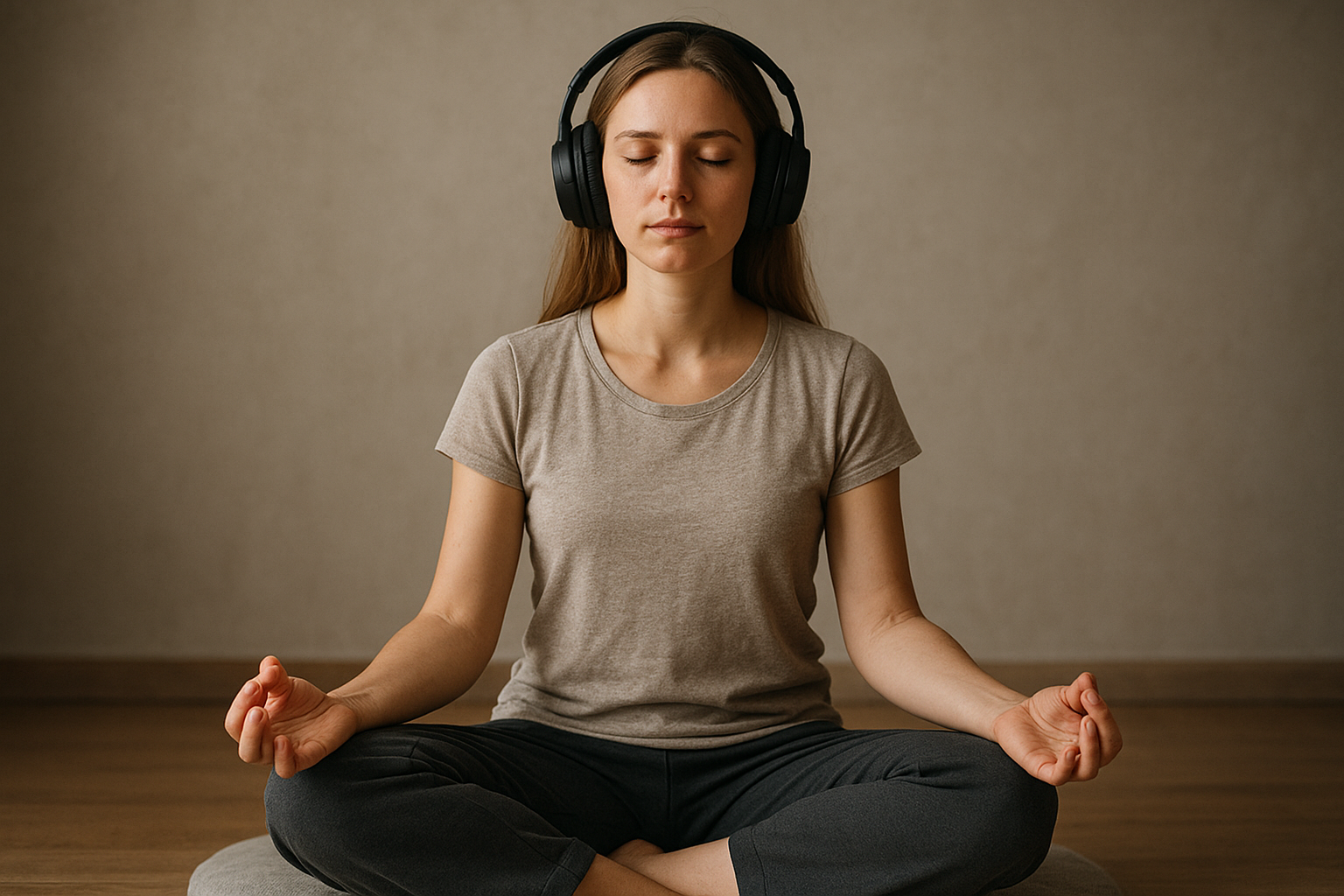
    • Use headphones to immerse yourself fully in the experience if external noise is a distraction.
    • Focus on your breath or the sound itself, allowing thoughts to ebb and flow without attachment.

    Beyond the Sound

    While drone music can stand alone as a powerful tool for meditation, it also complements other mindfulness practices. Pairing drone music with activities like yoga, tai chi, or even creative arts can deepen engagement and enrich the practice.

    “It’s about creating a sound environment that supports mindfulness,” explains sound artist Anna Roberts. “The goal is not just listening, but truly experiencing.”

    As more people search for ways to navigate the complexities of modern life, the simple yet profound presence of drone music offers a timeless pathway inward. By fostering focus and embracing the present, it continues a legacy of sound as a healer, guide, and connection to something larger than ourselves.

  • The Breath Path – Walking Meditation and the Natural Flow

    The Breath Path – Walking Meditation and the Natural Flow

    The Breath Path: Walking Meditation and the Natural Flow

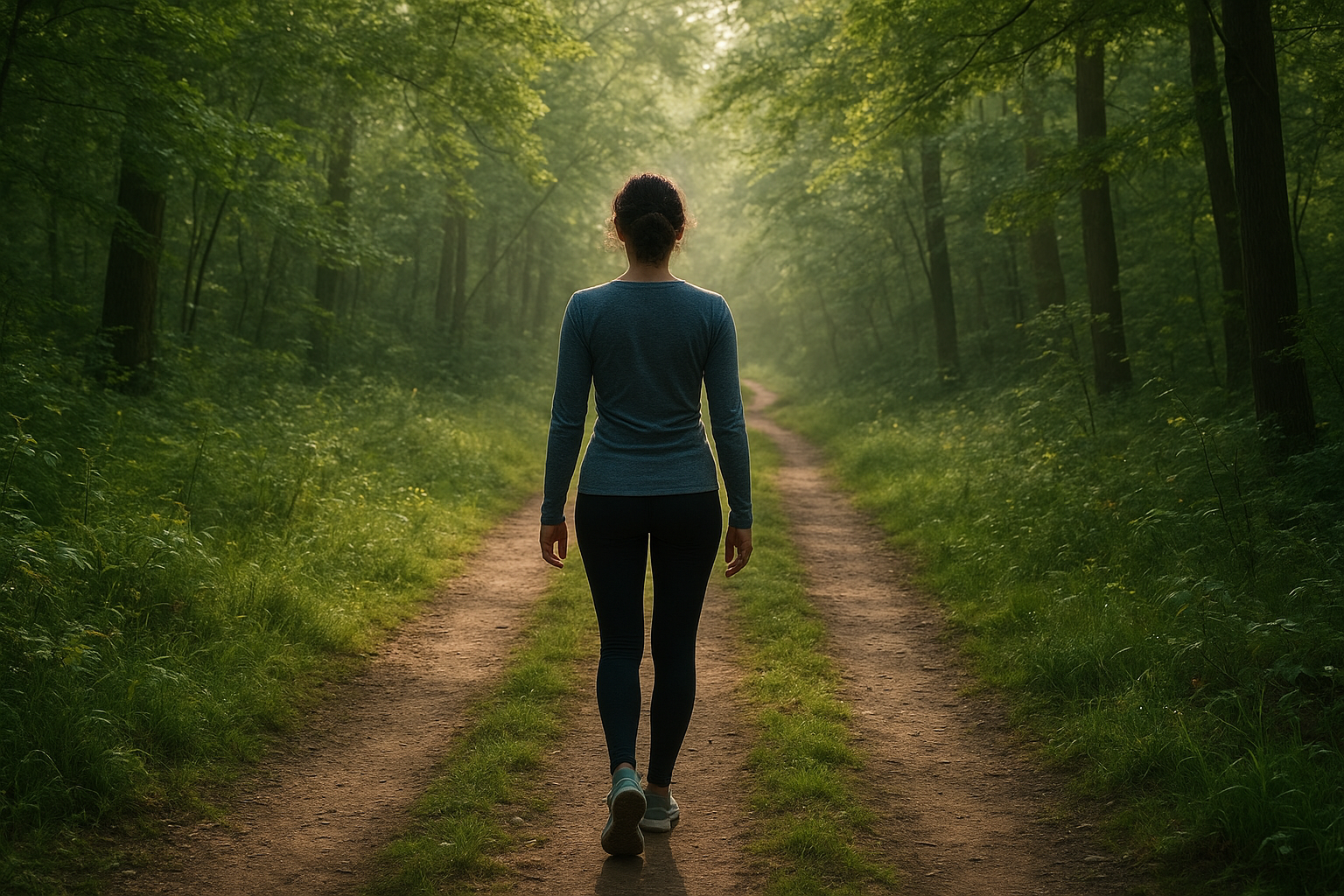
    In the fast-paced world we live in, many individuals are turning to meditation as a means to reconnect with themselves and find inner peace. A unique form of this ancient practice, known as walking meditation, invites practitioners to discover tranquility through movement. This meditative technique blends the awareness of walking with the natural flow of breath, offering a dynamic path to mindfulness.

    The Essence of Walking Meditation

    Walking meditation is not merely a stroll but a deliberate practice of mindfulness, where each step becomes an opportunity to attune with one’s body and surroundings. Thich Nhat Hanh, a renowned Zen Master, beautifully describes it:

    “Walk as if you are kissing the Earth with your feet.”

    Unlike seated meditation, where the practitioner stays still, walking meditation integrates physical movement, allowing individuals to channel their focus through both motion and breath. This harmonious blend creates a rhythmic flow that helps ground the practitioner in the present moment.

    Practicing the Breath Path

    • Begin with Intention: Start by setting a purpose for your walk, whether it’s to relieve stress, gain clarity, or simply to enjoy nature.
    • Focus on Breath: Align your breath with your steps, allowing each inhale and exhale to guide the movement. You might follow a pattern, such as taking three steps per inhalation, and two per exhalation.
    • Awareness and Sensation: Pay attention to subtle changes—how the ground feels underfoot, the sound of rustling leaves, or the warmth of sunlight on your skin.
    • Continue in Presence: Whenever your mind wanders, gently guide your attention back to your breath and steps, anchoring yourself in the now.

    Benefits of Walking Meditation

    Research has shown the numerous benefits of meditation, and walking meditation offers its unique advantages. It can improve balance, enhance focus, and elevate mood. Moreover, as Harvard Health Publishing points out, this practice may even aid in reducing anxiety and depression, making it an invaluable tool for mental wellness.

    The Breath Path is not simply about walking; it is a journey back to self-awareness and peace. By integrating the natural flow of breath with movement, one can discover a profound way to relax and revitalize the spirit.

    In the words of the great poet Rumi, “Let the beauty we love be what we do.” In walking meditation, we embody this beauty through every conscious step we take.