Tag: meditation

  • The Breath Path – Walking Meditation and the Natural Flow

    The Breath Path – Walking Meditation and the Natural Flow

    The Breath Path: Walking Meditation and the Natural Flow

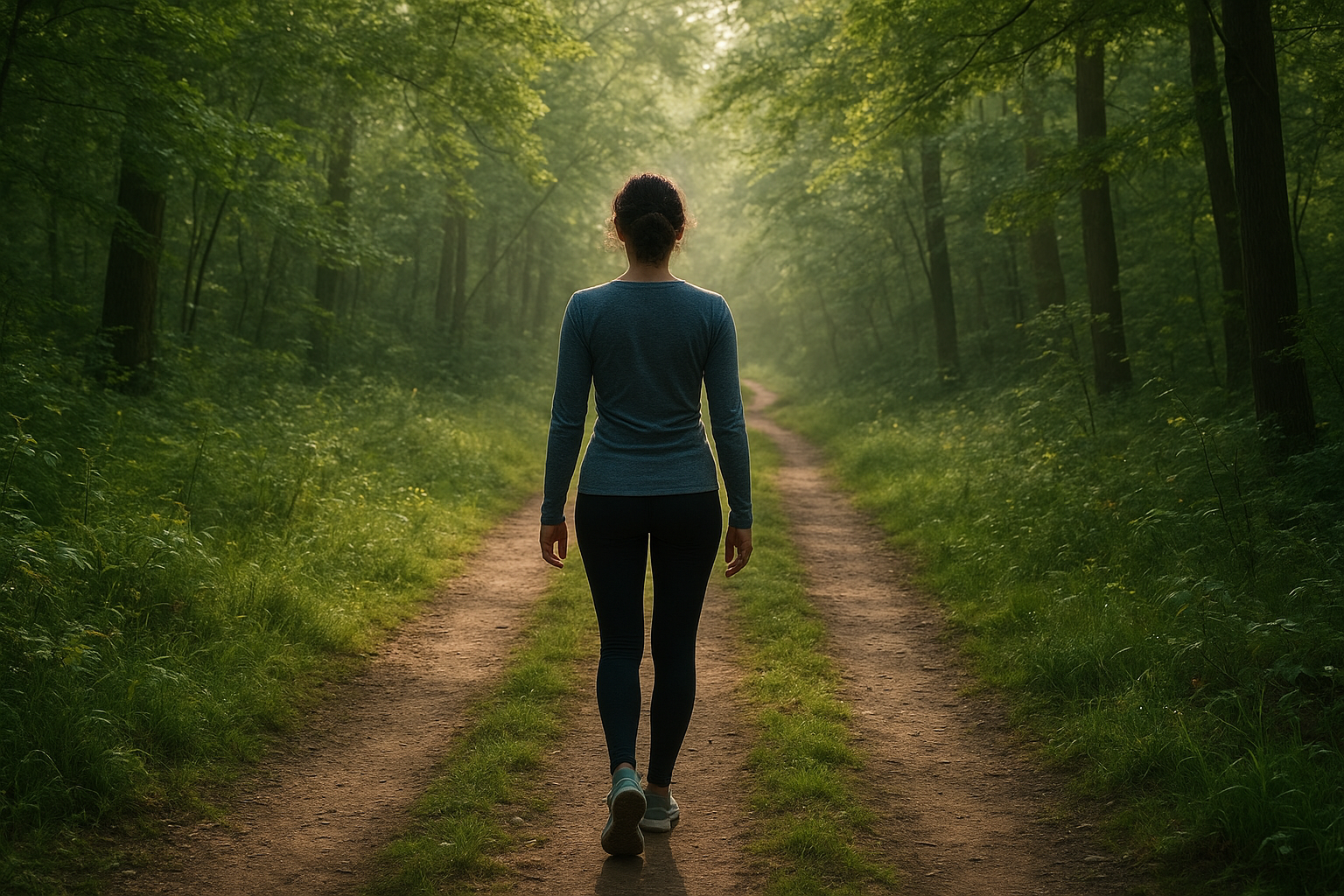
    In the fast-paced world we live in, many individuals are turning to meditation as a means to reconnect with themselves and find inner peace. A unique form of this ancient practice, known as walking meditation, invites practitioners to discover tranquility through movement. This meditative technique blends the awareness of walking with the natural flow of breath, offering a dynamic path to mindfulness.

    The Essence of Walking Meditation

    Walking meditation is not merely a stroll but a deliberate practice of mindfulness, where each step becomes an opportunity to attune with one’s body and surroundings. Thich Nhat Hanh, a renowned Zen Master, beautifully describes it:

    “Walk as if you are kissing the Earth with your feet.”

    Unlike seated meditation, where the practitioner stays still, walking meditation integrates physical movement, allowing individuals to channel their focus through both motion and breath. This harmonious blend creates a rhythmic flow that helps ground the practitioner in the present moment.

    Practicing the Breath Path

    • Begin with Intention: Start by setting a purpose for your walk, whether it’s to relieve stress, gain clarity, or simply to enjoy nature.
    • Focus on Breath: Align your breath with your steps, allowing each inhale and exhale to guide the movement. You might follow a pattern, such as taking three steps per inhalation, and two per exhalation.
    • Awareness and Sensation: Pay attention to subtle changes—how the ground feels underfoot, the sound of rustling leaves, or the warmth of sunlight on your skin.
    • Continue in Presence: Whenever your mind wanders, gently guide your attention back to your breath and steps, anchoring yourself in the now.

    Benefits of Walking Meditation

    Research has shown the numerous benefits of meditation, and walking meditation offers its unique advantages. It can improve balance, enhance focus, and elevate mood. Moreover, as Harvard Health Publishing points out, this practice may even aid in reducing anxiety and depression, making it an invaluable tool for mental wellness.

    The Breath Path is not simply about walking; it is a journey back to self-awareness and peace. By integrating the natural flow of breath with movement, one can discover a profound way to relax and revitalize the spirit.

    In the words of the great poet Rumi, “Let the beauty we love be what we do.” In walking meditation, we embody this beauty through every conscious step we take.

  • Stone and Sky – Daoist Meditations in the Mountains

    Stone and Sky – Daoist Meditations in the Mountains

    Stone and Sky: Daoist Meditations in the Mountains

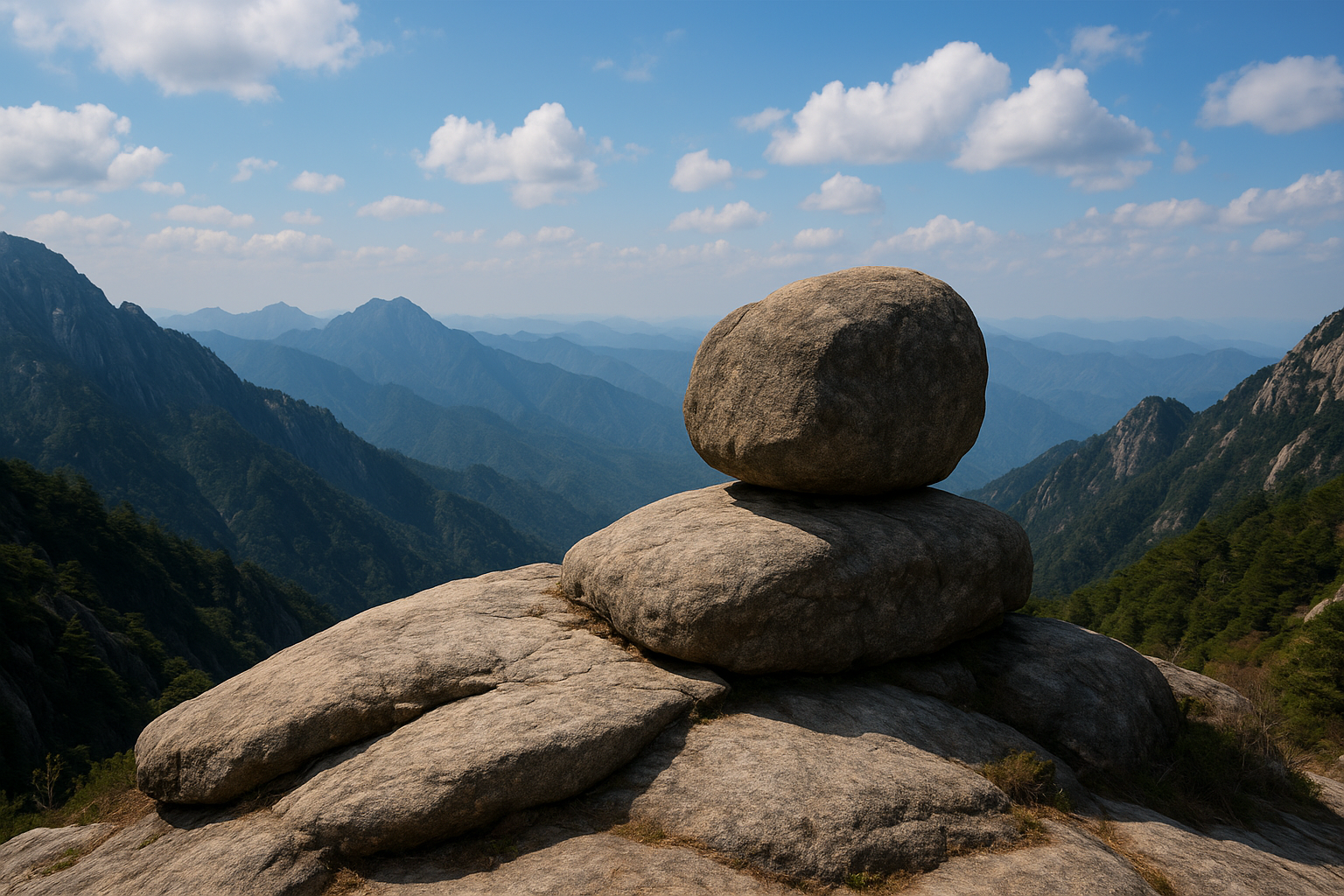
    The Daoist tradition, rich with an understanding of nature and existence, often returns to the mountains as a source of inspiration and insight. The interplay between stone and sky becomes a metaphor for the duality and unity intrinsic to Daoist philosophy. Amidst these ancient heights, practitioners find a perfect environment for meditation, introspection, and spiritual growth.

    The Mountains as Spiritual Sanctuaries

    For centuries, mountains have been considered sacred spaces in Daoism. They represent an interface between heaven and earth—a place to experience the balance of yin and yang. The Daoist sage Zhuangzi once mused, “He who goes to the trouble to travel to a mountain or forest, or explore water-ringed caves, to observe wonders, to contemplate the Many and the One, achieves spontaneous harmony with the essence of their surroundings.”

    This harmony is central to Daoist meditation, where the aim is to reconnect with the universal Dao, or “The Way”. As practitioners position themselves amidst the rugged serenity of mountains, they immerse in the silence and stillness, prompting a deep inner transformation.

    The Duality of Stone and Sky

    The concept of duality is persistent within Daoist thought, yet it is understood as an opportunity for balance rather than opposition. The firmness of stone represents the material and terrestrial, while the vast openness of the sky symbolizes the spiritual and ethereal. As noted by the philosopher Laozi, “To the mind that is still, the whole universe surrenders.”

    This surrender symbolizes the blending of oppositions, a journey from the material pursuit to spiritual clarity. The sound of wind sweeping through crevices and the sight of clouds resting on summits serve as reminders of the transient but interconnected nature of reality.

    Daoist Meditation Practices

    In these tranquil enclaves, practitioners engage in various forms of meditation and Qi Gong. These practices center around breathing, posture, and internal awareness—bridging the gap between mind and nature.

    • Seated Meditation: Known as Zuòwàng, or “sitting and forgetting”, this practice focuses on letting go of the illusion of separation and embracing the flow of life.
    • Walking Meditation: Daoist monks often practice slow, mindful walking, using the contours of the landscape as a guide for their inner journey.
    • Qi Gong: These dynamic exercises harness the energy of the surroundings to cultivate inner strength and harmony.

    Each practice encourages a fusion with nature, promoting a deeper understanding of the Daoist principles of simplicity, patience, and compassion. The elemental beauty of mountains provides both a literal and metaphorical backdrop to these ancient rituals, encouraging practitioners to shed mental clutter and embrace the essence of being.

    Modern Applications of Daoist Mountain Meditation

    Today, the teachings of mountain meditation have transcended their historical roots, influencing modern mindfulness and wellness practices. Experts note that nature therapy capitalizes on the inherent tranquility found in natural surroundings to cultivate a sense of peace and purpose, a cornerstone of Daoist philosophy.

    The benefits of such practices extend beyond tranquility; they foster resilience, enhance creativity, and promote emotional and physical health. In a world frequently marred by stress and distraction, returning to natural sanctuaries—be they literal or metaphorical—provides a much-needed refuge.

    “Nature does not hurry, yet everything is accomplished.” – Laozi

    This quote embodies the spirit of Daoist mountain meditation. Amidst stone and sky, practitioners learn that patience and presence hold the key to true understanding.

    Conclusion

    In the towering silence of the mountains, Daoist philosophy finds its fullest expression. Here, the interplay of stone and sky offers profound insights into the balance of life, urging one to sit, breathe, and simply be. As the ancient wisdom of Daoism continues to influence modern practices, its meditative techniques rooted in nature remind us of the importance of harmony, patience, and simplicity—principles that are as crucial today as they were millennia ago.

  • The Silence Between Steps – Meditating in Motion

    The Silence Between Steps – Meditating in Motion

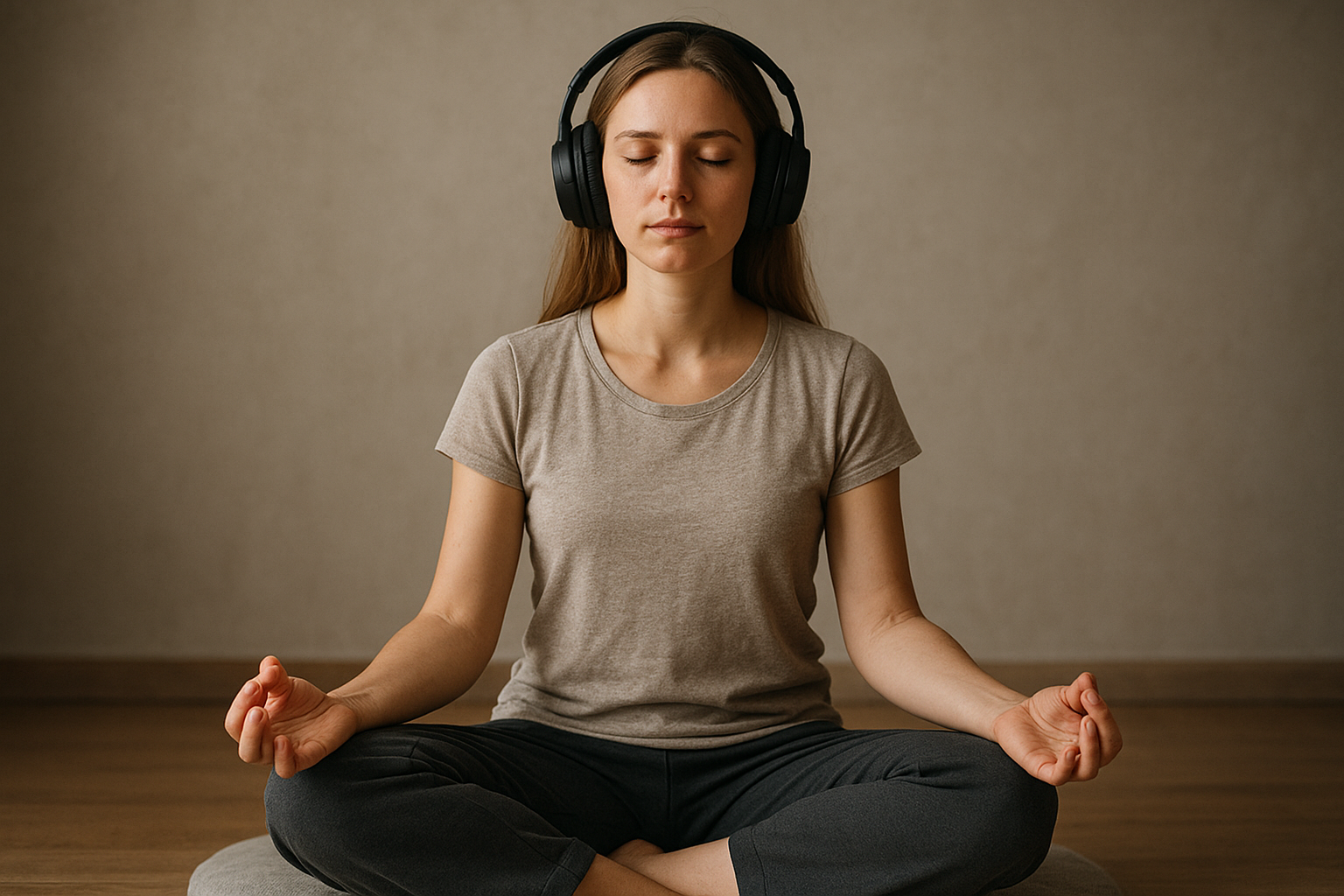
    Meditation is traditionally associated with stillness — a serene figure in lotus position, eyes closed, mind at peace. However, in a world that never stops moving, finding tranquility in motion has emerged as an equally profound form of meditation. Welcome to the art of meditating in motion, where the silence between steps becomes sacred.

    The Essence of Meditating in Motion

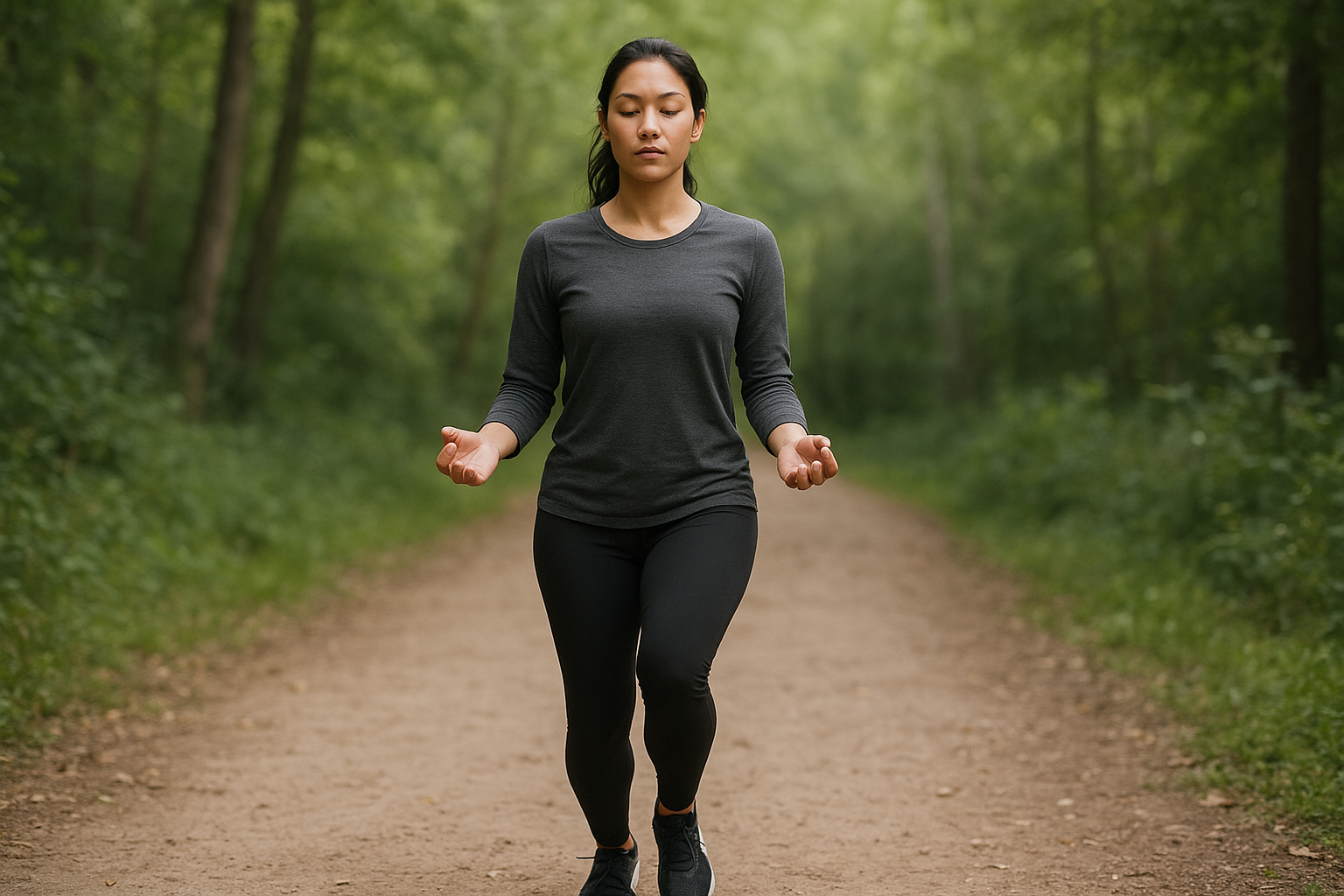
    Walking meditation, also known as kinhin in Zen Buddhism, is a practice that blends the calming effects of meditation with the natural rhythm of walking. Unlike seated meditation that focuses on breath alone, this form centers on the synchronized movement of the body with the mind.

    John Daido Loori, a renowned Zen monk, describes walking meditation as “the practice of mindfulness. Every step becomes the practice, the step itself as the point of contact with the Earth.”

    The Benefits of Meditating in Motion

    • Mindful Movement: Walking meditation encourages a deeper connection with the present moment by aligning physical movements with mental stillness. It brings awareness to each step, teaching us to be grounded.
    • Enhanced Awareness: This practice awakens the senses. We begin to notice the subtleties of our environment — the way light filters through leaves, the sound of gravel underfoot, the scent of fresh rain.
    • Stress Reduction: The rhythmic movement acts as a balm for stress. According to a study published in the Journal of Psychology and Health, walking meditation can significantly reduce anxiety and improve overall mood.
    • Promotes Physical Health: As an added bonus, walking naturally enhances cardiovascular health and improves muscle tone, making it beneficial for both mind and body.

    How to Practice Walking Meditation

    Embarking on this journey of motion meditation is simple, yet it requires dedication and presence of mind. Here is a step-by-step guide to help you begin:

    “Walk as if you are kissing the earth with your feet.” — Thich Nhat Hanh

    • Find a Suitable Path: Choose a quiet, safe path where you won’t be interrupted. This could be a garden, a tranquil park pathway, or even a spacious room.
    • Posture and Presence: Stand upright, feet slightly apart. Let your arms hang naturally. Soften your gaze, focusing a few meters ahead.
    • Focus on Your Footsteps: Lift your left heel and let the foot slowly roll forward, from heel to toe. Be completely aware of the lifting, moving, and placement of the foot.
    • Synchronize Breath and Steps: Inhale as you lift one foot and exhale as you place it down. Let the breath guide your steps.
    • Mindful Walking: As you walk, maintain awareness of each step. If your mind wanders, gently guide it back to the sensation of the foot connecting with the ground.

    Overcoming Common Challenges

    As with any form of meditation, walking meditations come with challenges. The mind might initially resist the quietude or get distracted by sounds and thoughts. However, patience and persistence are key.

    • Dealing with Distractions: Nature’s sounds or random thoughts are part of the experience. Acknowledge them and gently bring your focus back to your steps. Remember the words of Vietnamese Zen Master Thich Nhat Hanh, “Deep listening and mindful breathing is a source of peace, hope, and clarity.”
    • Restlessness: If you feel restless or impatient, slow your pace and deepen your breath. Observing the restlessness itself can be enlightening.
    • Physical Discomfort: If you’re not accustomed to walking meditation, some discomfort might arise. This too is a learning opportunity — to be present with the body and its messages.

    The Profound Connection

    Those who practice walking meditation often find a deeper connection to the Earth and their own inner rhythm. There’s a profound sense of belonging that emerges, a realization that our movements are in harmony with the universe.

    Incorporating meditative walking into daily routines transforms mundane tasks into moving meditations. Whether it’s a short walk in the morning, a stroll through the park, or mindful navigation through a bustling city, this practice infuses everyday life with a sense of peace and presence.

    A Journey Beyond

    Meditating in motion offers an invitation to explore the silence between steps — a space where the mind and body find unison. Each step becomes a gentle reminder that peace is not solely found in stillness, but in the harmonious dance of movement and mindfulness.

    “In every walk with nature, one receives far more than he seeks.” — John Muir

    As we tread through life, may we find serenity in movement, embracing the cadence of our journey with grace and mindfulness. Let the silence between your steps speak, and listen to the eloquence of the Earth.

    For further reading, consider “Peace is Every Step” by Thich Nhat Hanh, a book that beautifully explores the concept of mindfulness in everyday life, including meditative walking.

  • Empty Mountain, Silent Mind – Zen Lessons from the Wilderness

    Empty Mountain, Silent Mind: Zen Lessons from the Wilderness

    In the serene embrace of the wilderness, where the whispers of the wind and the flutter of leaves become profound teachers, we find a space to encounter solitude and reflection. The concept of “Empty Mountain, Silent Mind” beautifully encapsulates this serene yet powerful confluence of nature and consciousness. Drawing heavily from Zen philosophy, these lessons from the wild can offer profound insights into self-awareness and tranquility.

    The Essence of Zen in Nature

    Zen Buddhism places great emphasis on meditation and direct experience over theoretical knowledge. Nature, which is devoid of human constructs and societal noise, serves as a perfect backdrop for Zen practitioners. According to the Tricycle Foundation, a resource dedicated to the dissemination of Buddhist teachings, the natural world inherently teaches us about the impermanence and interconnectedness of all things. This perspective encourages practitioners to embrace simplicity and mindfulness.

    “Nature does not hurry, yet everything is accomplished.” — Lao Tzu

    This well-known Taoist aphorism reflects a core Zen belief: the natural world holds countless lessons in patience, balance, and time, all of which are integral components of meditation and mindfulness practices.

    A Journey to the Empty Mountain

    • Solitude and Reflection: An empty mountain signifies a place untouched by the chaos of human life. Here, one finds space for solitude, which is essential for deep reflection and meditation. In solitude, we learn to confront our thoughts, fears, and desires without distraction.
    • Embracing Impermanence: The wilderness is a canvas of change—seasons transition, flora and fauna adapt, life and death cycle ceaselessly. Zen teaches us to accept impermanence, urging us to live in the present moment without attachment.
    • Interconnection with the Environment: Everything in the wild is interconnected. This realization fosters a sense of unity with the world, breaking down the illusion of separation. In Zen, this understanding helps dissolve the ego, leading to a quieter, more expansive mind.

    The Silent Mind

    The notion of a silent mind is about achieving mental clarity and peace amid the constant chatter of daily life. In Zen practice, a silent mind is synonymous with enlightenment—a state free from the ego’s disturbances and desires.

    “When you realize nothing is lacking, the whole world belongs to you.” — Lao Tzu

    Achieving a silent mind requires diligent practice and discipline. Silent meditation practices, such as zazen (sitting meditation), cultivate awareness and help practitioners focus inward, away from external chaos.

    Applying Zen Lessons from the Wilderness

    Integrating the lessons of an empty mountain and a silent mind into daily life involves both practice and intention. Here are practical suggestions:

    • Create a Daily Ritual: Spend a few minutes each day in nature. This doesn’t have to be in a mountain setting; a local park or even your backyard can offer solace and serve as a sanctuary for meditation.
    • Mindful Walking: Practice walking meditation outside. As you walk, pay attention to the sensations of each step, the feeling of the earth under your feet, and the sounds around you. This practice enhances mindfulness and connects you to the present moment.
    • Embrace Minimalism: Reflect on the simplicity of nature and how this principle can be applied to your life. Consider decluttering your physical and mental space, allowing room for clarity and peace.

    In understanding the teachings of the empty mountain and the silent mind, it’s essential not to view them merely as theoretical concepts. As Zen teaches, truth is found in direct experience. A walk in the wilderness not only opens one’s heart to the beauty and simplicity of life but also becomes a meditation in motion.

    Conclusion

    The wilderness, with its vastness and stillness, offers a unique template for cultivating inner peace and understanding. By embracing the lessons from nature, as encouraged by Zen philosophy, we learn to quiet the mind, live in the moment, and embrace the beauty of the world around us. Through these practices, the empty mountain becomes not just a place, but a state of mind—one devoid of conflict and filled with tranquility.

  • From Forest Monks to Urban Nomads

    From Forest Monks to Urban Nomads

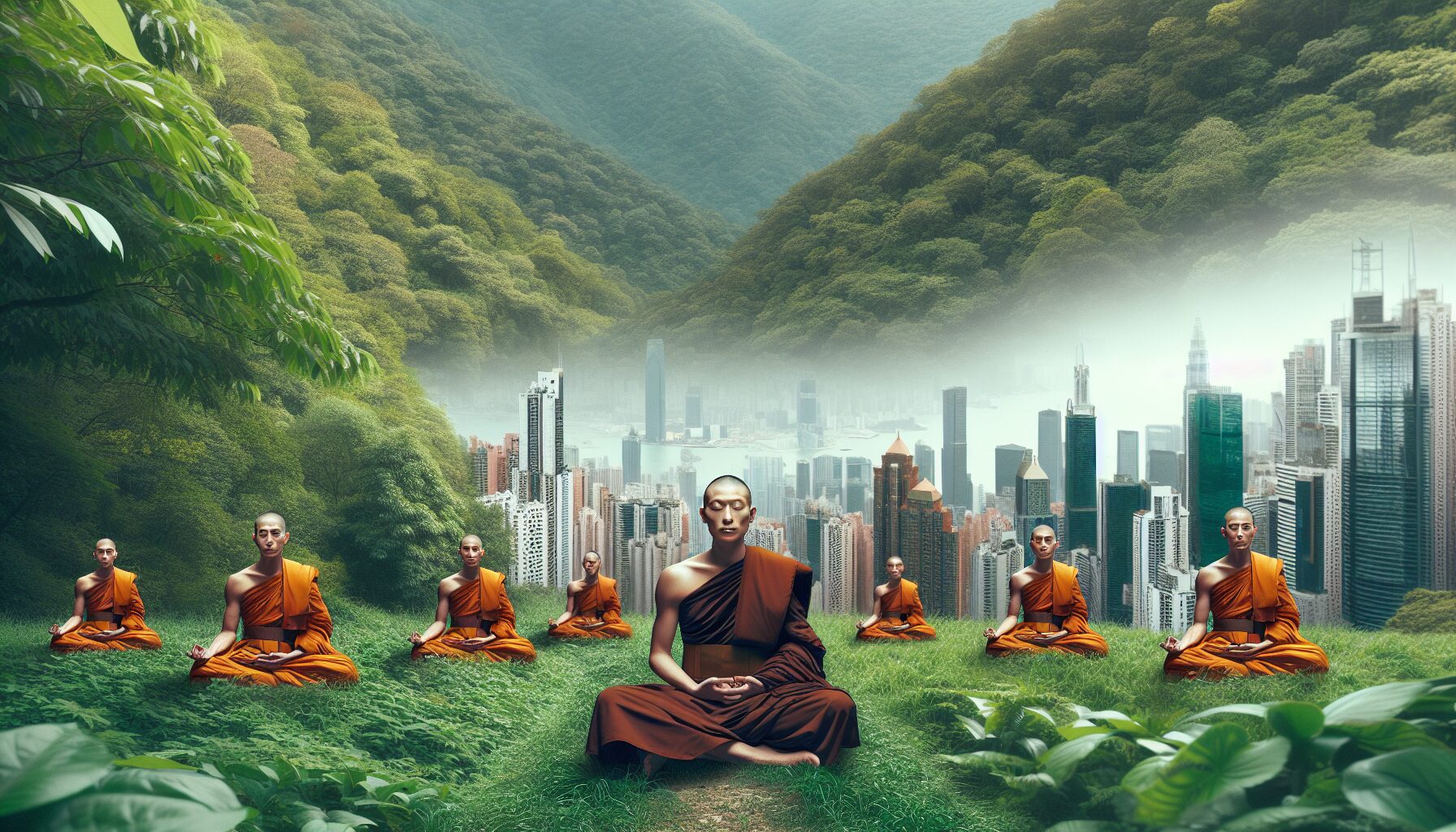
    The practice of meditation has traversed a fascinating path from the quiet seclusion of forest monks to the dynamic and fast-paced life of urban nomads. This journey reflects a profound shift in how individuals seek mindfulness and connectivity with themselves amid changing environments. Join us as we explore this evolution and its implications for modern-day meditators.

    The Roots of Meditation: Forest Monks

    Traditionally, meditation has deep roots in the lives of forest monks, particularly within the Buddhist tradition. These monks abandoned the bustle of village life to embrace solitude in nature, striving to deepen their understanding and awareness.

    “Forest monks live in simple surroundings where they can train their minds in solitude and quiet, far from the usual distractions of urban life.” – Thanissaro Bhikkhu

    These early practitioners believed that separation from worldly distractions would allow them to reach greater spiritual depths and wisdom.

    Meditation Meets the Modern World: Urban Nomads

    Contrast this with today’s urban nomads, who often practice meditation amidst the very distractions that forest monks sought to avoid. Urban environments with their inherent chaos and sensory overload offer fertile ground for contemporary meditators to challenge their focus and inner peace.

    Embracing Technological Aids

    • Meditation Apps: Tools like Headspace and Calm provide guided meditations to help users find tranquility in the urban bustle.
    • Online Communities: Social platforms and forums offer spaces for sharing experiences and advice, bringing the solitary pursuit of meditation into shared, communal experiences.
    • Virtual Retreats: These retreats offer a way to disconnect from the social sphere while staying physically present in one’s surroundings.

    The Urban Meditation Experience

    For urban nomads, meditation becomes a tool for navigating daily stresses and a means of connecting with one’s transient environment. It is about finding inner peace amidst the chaos, challenging the notion that enlightenment requires physical isolation.

    “Meditation is not about getting rid of thoughts, but learning to observe them without getting caught up in their stories.” – Sharon Salzberg, Real Happiness

    The New Era of Meditation

    The shift from forest monks to urban nomads does not represent a loss of purity or purpose in meditation but an adaptation to the needs of contemporary life. As we embrace the complexities of modern living, meditation becomes an invaluable resource, a guiding light through the cacophony of modern existence.

  • Desert Dharma

    Desert Dharma

    Desert Dharma: Embracing Buddhist Practices in Arid Landscapes

    The desert might not be the first place that comes to mind when thinking of Buddhism. However, the synergy between the stark, serene landscapes of arid regions and the meditative practices of Buddhism is a powerful one. The quietude and expansiveness of deserts make them an ideal backdrop for spiritual exploration and mindfulness.

    An Unlikely Harmony

    Deserts, with their vast emptiness, offer a unique space for introspection. While traditional Buddhist practices often take place in lush, temple-laden settings, the minimalism of a desert can foster a deep connection with one’s inner self.

    According to Lion’s Roar, “The desert’s stillness and silence provide the perfect conditions for meditation, allowing practitioners to delve deeply into their thoughts and emotions.” This notion speaks to the heart of what many spiritual seekers aim to achieve: a profound journey into the self, uninterrupted by the distractions of more populated environments.

    Desert Retreats: A Growing Trend

    In recent years, spiritual retreats in desert locations have gained popularity. Places like Joshua Tree in California and the expanses of New Mexico offer retreats that combine traditional Buddhist teachings with the unique attributes of the desert.

    • Joshua Tree, California: Known for its vast, otherworldly landscapes, Joshua Tree has become a hub for spiritual retreats. The integration of Buddhist meditation teaches people how to cultivate mindfulness amidst the natural beauty of the arid land.
    • Taos, New Mexico: Taos has become a center for alternative spiritual practices, including deserts that cradle Buddhist enclaves focused on mindfulness and Vipassana meditation.

    These retreats often feature a blend of structured meditation sessions, dharma talks, and opportunities to explore the desert, creating a holistic experience that nurtures both body and spirit.

    The Spiritual Significance of Deserts

    Throughout history, deserts have been seen as places of transformation. In many cultures, they are viewed as spiritual crucibles where individuals can experience profound personal growth and insight.

    Matthew Capacci, a well-known spiritual writer, notes in his book “Desert Dharma”, “Deserts challenge and cleanse the soul, stripping away the unessential until only the truth remains.” This purification process resonates deeply with Buddhist teachings, which emphasize letting go of attachments and illusions.

    Practicing Mindfulness Amidst the Sands

    Buddhist practices in desert settings often involve using the natural environment as a meditation tool. The act of walking slowly across sand dunes, for example, becomes a practice in mindful movement.

    The pairing of barren landscapes with meditation grounds people in the present moment. Each step on the warm sand becomes a meditation on balance and presence.

    • Mindful Walking: Utilizing the desert’s sparsity, practitioners engage in walking meditations that emphasize every footfall as a reminder of staying grounded and aware.
    • Silence Retreats: The natural silence of the desert enriches silent retreats, supporting the practice of noble silence and deep introspection.

    These practices offer a tangible connection to the earth and allow individuals to embody principles of impermanence and acceptance, crucial aspects of Buddhist teachings.

    Challenges in the Arid Environment

    While deserts offer unique opportunities for spiritual practices, they are not without their challenges. The extremes in temperature and the harshness of the environment require preparation and respect. Practitioners must balance spiritual pursuits with the practical necessities of staying hydrated and protected from the elements.

    “A retreat in the desert demands resilience and adaptability, reflecting the spiritual challenges of life and the need for balance,” notes Sophia Novak, a mindfulness coach and desert retreat facilitator.

    Such environments test the practitioner’s ability to remain centered and calm under pressure, an invaluable skill in both spiritual and everyday contexts.

    The Future of Desert Dharma

    As interest in mindfulness and alternative spirituality continues to grow, desert dharma presents a compelling option for those looking to deepen their practice. The unique combination of landscape and philosophy offers a one-of-a-kind experience that can be both profound and life-changing.

    In a world overwhelmed by noise and haste, the call of the desert is a call to slow down, step back, and find serenity within oneself. Whether for a seasoned Buddhist practitioner or a newcomer longing for peace, desert dharma provides a journey worth undertaking.

  • Meditation in the Mountains

    Meditation in the Mountains

    Meditation in the Mountains: Finding Inner Peace

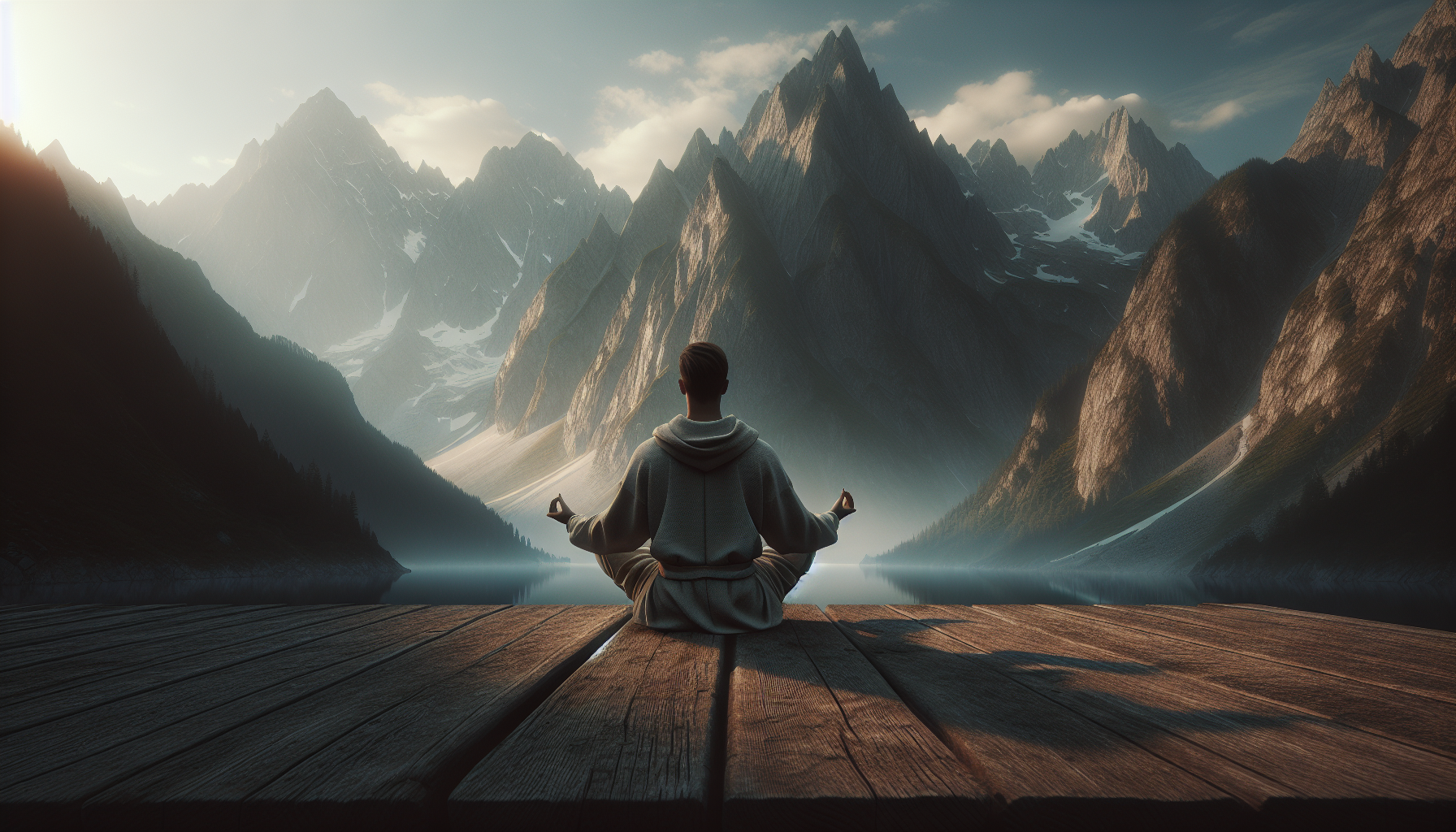
    The serenity of the mountains offers an idyllic backdrop for meditation, providing an escape from the hustle and bustle of daily life. As the crisp mountain air fills your lungs and the panoramic views captivate your senses, these majestic landscapes provide the perfect environment for self-reflection and inner peace.

    The Benefits of Meditating in Nature

    Engaging in meditation amidst nature enhances the process of grounding and connection to one’s inner self. According to a study published in Environmental Health Perspectives, exposure to natural environments, including mountains, can significantly reduce levels of cortisol, the stress hormone, thus enhancing mental well-being.

    • Reduced Stress: The tranquil ambiance of mountain settings aids in lowering stress levels, with the natural sounds and clean air promoting relaxation.
    • Enhanced Focus: Away from the distractions of modern life, meditating in the mountains encourages a deeper level of concentration and mindfulness.
    • Improved Mood: The beauty and solitude of mountainous regions have a positive effect on mood, fostering feelings of happiness and contentment.

    Creating the Perfect Mountain Meditation Experience

    To reap the full benefits, preparation is key to a successful meditation session in the mountains:

    • Choose the Right Location: Look for a quiet spot with stunning views. Ensure you are safe and have adequate knowledge of the area.
    • Time Your Meditation: Early morning or late afternoon often provide the most peaceful times to meditate, with fewer interruptions and breathtaking light.
    • Be Mindful of the Weather: Dress appropriately for the mountain climate which can change rapidly, and always carry essentials such as water and snacks.

    Incorporating the Senses

    The mountains offer a multisensory experience that enhances meditation practices. Feel the earthy ground beneath you, breathe in the scent of pine, listen to the rustling leaves, and let the vista of mountain peaks uplift your spirit.

    “Look deep into nature, and then you will understand everything better.” – Albert Einstein

    Incorporating all of these elements can deepen your meditation practice and nourish your soul. Whether you are a seasoned meditator or a curious beginner, the mountains provide a sanctuary that invites exploration and self-discovery.

    For a comprehensive guide to meditating in nature, visit Mindful.org and explore how to integrate nature into your mindfulness practices for greater peace and clarity.