Tag: love

  • Aphrodite: Desire, Beauty, and the Divine Chaos of Love

    Aphrodite: Desire, Beauty, and the Divine Chaos of Love


    Aphrodite: Desire, Beauty, and the Divine Chaos of Love

    Aphrodite: Desire, Beauty, and the Divine Chaos of Love

    In the ancient Greek pantheon, no deity embodies the complexities and contradictions of human emotion quite like Aphrodite. Known as the goddess of love, beauty, and fertility, Aphrodite’s influence extends far beyond these surface-level associations.

    “Aphrodite was not merely a symbol of physical beauty; she was the personification of passionate love and desire.”
    — Rosamund Hartal, “The Greek Goddesses: Women of Legendary Wisdom”

    Origins and Birth

    Aphrodite’s birth story is as captivating as the goddess herself. According to myth, she emerged fully grown from the foam of the sea following Cronus’ castration and the subsequent release of his father Uranus’ genitals into the ocean (Hesiod, “Theogony”). This origin story highlights Aphrodite’s association with sexual desire and the chaos that often accompanies it.

    Roles and Responsibilities

    • Love: As the goddess of love, Aphrodite’s influence on human relationships was considerable. She could inspire passion, infatuation, and longing, as well as jealousy and betrayal.
    • Beauty: Aphrodite’s association with physical beauty was not limited to her own striking visage; she was also responsible for the beauty of mortals and other divine beings.
    • Fertility: As a fertility goddess, Aphrodite played an essential role in ensuring the continuation of life through successful pregnancies and fruitful harvests.

    Myths and Legends

    Numerous myths involve Aphrodite’s interactions with other deities, mortals, and even monsters. Some of the most famous include her involvement in the Judgment of Paris, her romantic liaisons with both gods and mortals, and her role as protector and patroness of various cities throughout Greece.

    “Aphrodite was not only a force to be reckoned with in matters of love but also a powerful figure in the pantheon, able to influence the actions and affairs of both gods and mortals.”
    — Sarah Pomeroy, “Goddesses, Whores, Wives, and Slaves: Women in Classical Antiquity”
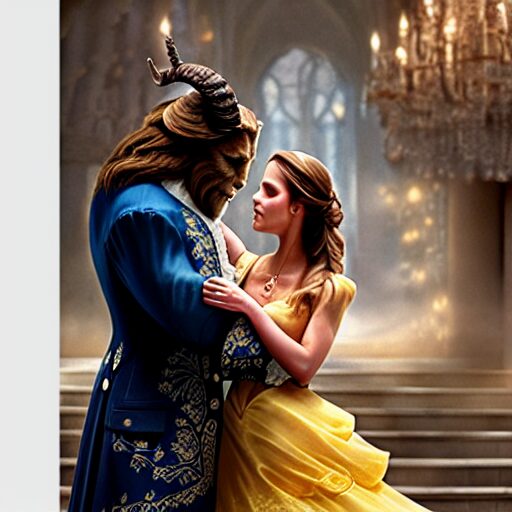
  • The Beauty and the Beast – Decoding the “Monstrous Bridegroom” trope.

    The Beauty and the Beast – Decoding the “Monstrous Bridegroom” trope.


    The Beauty and the Beast – Decoding the “Monstrous Bridegroom” trope

    The Beauty and the Beast: Decoding the “Monstrous Bridegroom” Trope

    The classic fairytale, “Beauty and the Beast,” is a captivating narrative that transcends generations. One of its most intriguing aspects is the trope of the “monstrous bridegroom.” This article delves into this compelling theme, exploring its origin, evolution, and significance in the story.

    The Origins of the Monstrous Bridegroom

    “There are two kinds of stories in this world: love stories and ghost stories. All other stories are variations on those two themes.” – Neil Gaiman

    The “Beauty and the Beast” folklore has roots dating back to ancient Greece, where it was known as Cupid and Psyche (Cupid and Psyché). However, it wasn’t until the 18th century that the modern interpretation of the tale emerged in Jeanne-Marie Leprince de Beaumont’s short novel. The “monstrous bridegroom” trope was firmly established in this version, where the Beast is a cursed prince and the love interest of Belle.

    The Evolution of the Monstrous Bridegroom

    Over time, adaptations of “Beauty and the Beast” have evolved to reflect societal changes. For instance, in Disney’s 1991 animated film, the Beast was reimagined as a more sympathetic character, emphasizing his humanity beneath the beastly exterior. This change reflected a shift in popular sentiment towards acceptance of those who appear different or ‘monstrous.’

    The Significance of the Monstrous Bridegroom

    The “monstrous bridegroom” trope serves several purposes within the story. Firstly, it offers a critique of superficial beauty, as Belle falls in love with the Beast for his kindness and character rather than his appearance. Secondly, it explores themes of transformation and redemption, as the Beast undergoes changes both internally and externally to win Belle’s heart.

    Conclusion

    The “monstrous bridegroom” trope in “Beauty and the Beast” offers a compelling exploration of love, acceptance, and transformation. Its enduring popularity underscores the timeless nature of these themes, making the story as relevant today as it was when first told centuries ago.

    Further Reading