Tag: like

  • The Soundtrack of Solitude: Music for the Inner Journey

    The Soundtrack of Solitude: Music for the Inner Journey

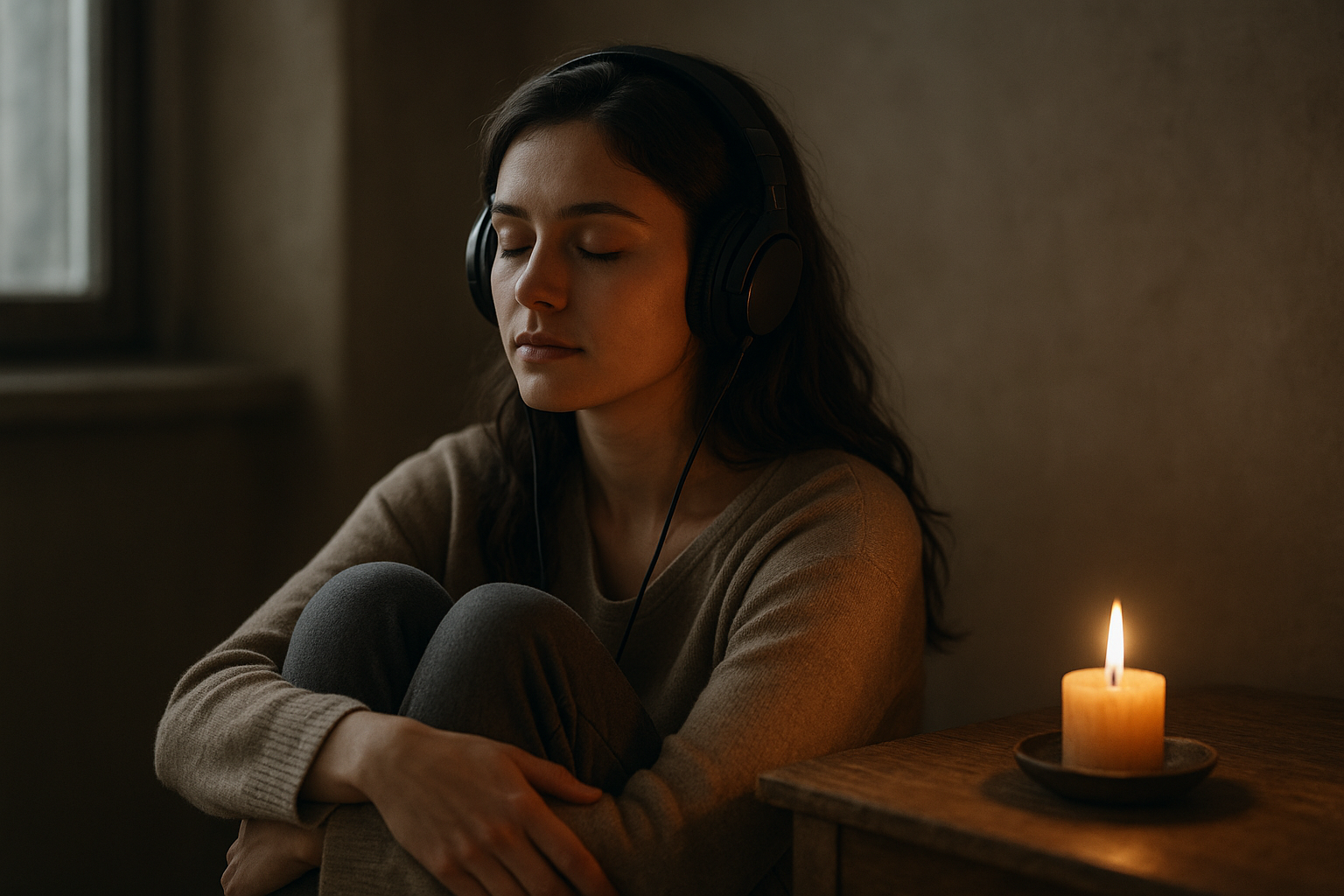
    In the cacophony of modern life, solitude has become a rare and precious commodity. While the world outside spins in its relentless rhythm, many seek solace in music—a universal language that, perhaps more than any other art form, understands the nuances of isolation and the exploration of the self. The soundtrack of solitude is rich, varied, and deeply personal, serving as both a refuge and a companion on the inner journey.

    The Intimate Connection: Music as Meditation

    Music possesses an extraordinary ability to mirror our innermost feelings, offering a sense of tranquility essential for introspection. As Plato famously said, “Music is a moral law. It gives soul to the universe, wings to the mind, flight to the imagination, and charm and gaiety to life and to everything.”

    “After silence, that which comes nearest to expressing the inexpressible is music.”
    — Aldous Huxley

    This sentiment captures how music transforms the abstract into tangible emotion, setting the stage for meditation and self-discovery. Through genres such as ambient, classical, and folk, listeners can create sanctuaries of sound where they are free to unwind and reflect.

    Genres of Solace

    • Ambient: Characterized by atmospheric and tone-driven compositions, ambient music has long been a favorite for those seeking calm. Artists like Brian Eno and Aphex Twin create soundscapes that act as auditory enclosures, enveloping listeners in waves of serene melodies.
    • Classical: With its vast range of emotions, classical music offers a journey through the soul. Pieces like Beethoven’s “Moonlight Sonata” or Chopin’s Nocturnes convey a deep sense of melancholy and beauty, perfect for thoughtful reflection.
    • Folk: Often rooted in storytelling, folk music bridges individual isolation and community experience. Artists like Nick Drake and Joni Mitchell offer intimate reflections on life’s trials, thus resonating with listeners’ personal journeys.

    Crafting the Personal Playlist

    Creating a personal playlist is an art that speaks directly to an individual’s emotional needs and preferences. A curated playlist can nurture solitude, offering comfort through familiar sounds and new discoveries. Here are some tips for crafting your own:

    • Introspection: Begin by reflecting on the emotions or memories you wish to explore or escape. This will help you identify the genre or artist that aligns with your mood.
    • Variety: While it’s important to maintain a coherent mood, introducing new elements can lead to fresh insights. Mixing genres or exploring artists unfamiliar can bring unexpected depth to your listening experience.
    • Repetition: Sometimes, listening to the same piece multiple times allows its layers to unfold more fully, offering new perspectives with each encounter.

    The Power of Live Music

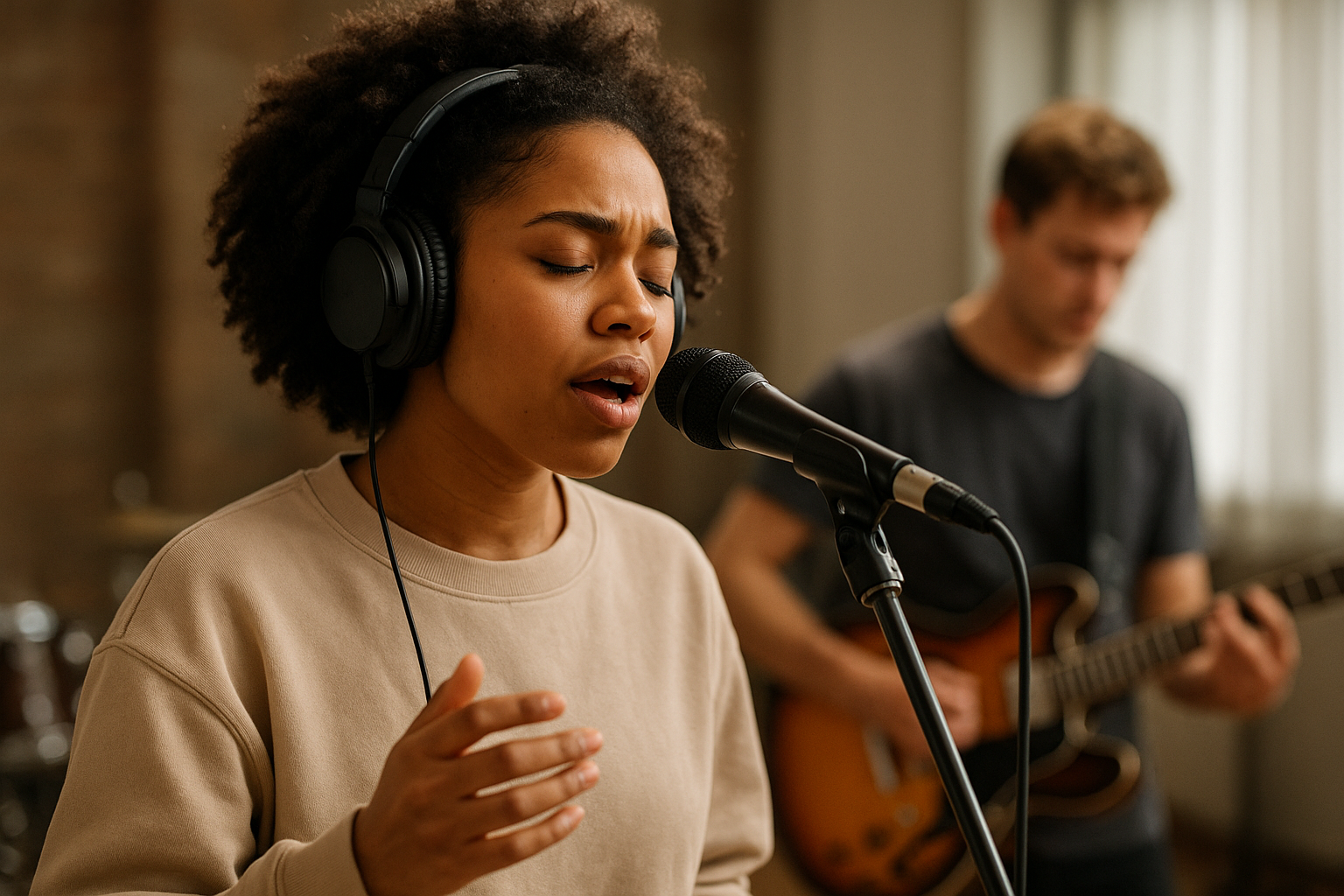
    While recorded music provides a personal retreat, live performances can also enhance the solitary experience. Attending a concert, even in a crowd, can cultivate a unique sense of connection and self-reflection. As Hans Christian Andersen observed, “Where words fail, music speaks.” The energy of a live performance can amplify the introspection that solitude seeks to foster.

    Modern Platforms: Accessible Solitude

    The digital age has revolutionized how we access music, making the solitude soundtrack more accessible than ever. Streaming platforms like Spotify and Apple Music offer curated playlists and recommendations that cater to individual tastes. With these platforms, music that soothes the soul is just a click away, enabling a global audience to embark on personal journeys.

    A Journey Inward

    Ultimately, the soundtrack of solitude is a personal odyssey. It is an exploration of feelings, a reflection on life’s path, and a celebration of moments spent alone. As we tune into the melodies that speak to our solitude, we discover not only the intricacies of the music but also the depths of our own being.

    The next time the noise of the outside world becomes overwhelming, remember that a moment of solitude awaits, soundtracked by the perfect blend of harmony and silence.


  • The Alchemy of the Archive: Using Old Images in New Ways

    The Alchemy of the Archive: Using Old Images in New Ways

    In an age where digital media is omnipresent, the fascination with old images is undergoing a remarkable renaissance. This resurgence is not merely about nostalgia; it’s about innovation, technology, and creativity. As we sift through the archives, turning dusty prints into digital gold, we’re witnessing the alchemy of the archive come to life.

    The Power of Old Images

    Old images hold a unique power. They are windows into the past, offering glimpses of moments long gone. These images are not just artifacts but are being reimagined and repurposed in ways that unlock new potentials.

    “History is a vast early warning system.” — Norman Cousins

    With this in mind, old images are being used as learning tools, references, and inspiration, enriching our narratives with historical context and authenticity.

    Technological Innovations: Breathing New Life into the Past

    The journey from dusty albums to vibrant digital landscapes is fueled by technological advancements. Here are a few innovations transforming how old images are being used today:

    • AI and Machine Learning: Technologies like DeOldify use AI to colorize black and white photos, bringing a new vibrancy to historical events and personal memories alike.
    • Image Restoration: Tools like Adobe Photoshop offer sophisticated options for enhancing and restoring old photos, turning faded family portraits into crisp images filled with detail.
    • Augmented Reality: Applications like Snapchat and Google Lens allow users to interact with historical images in real-time, overlaying the past on present-day environments.

    Creative Applications: Transforming Archives into Art

    Artists and creators are finding innovative ways to weave old images into new works of art and media:

    • Collage Art: Using fragments of historical images, modern artists are creating collages that juxtapose the past with the present, challenging perceptions and sparking new dialogues.
    • Documentary Films: Filmmakers are embedding archival footage into documentaries, providing authenticity and depth to narratives. Ken Burns, renowned for his historical documentaries, states, “The power of history is to move us.”
    • Virtual Museums: Institutions are creating virtual spaces using digitalized archives, allowing global audiences to explore history interactively. For instance, the Museum of Modern Art offers virtual tours featuring archived artworks.

    Old Images in the Digital Economy

    The economic potential of archived images is significant as well. Websites like Getty Images and Shutterstock have vast collections of historical imagery available for licensing, supporting industries ranging from advertising to education.

    Moreover, as The New York Times highlights, the demand for authentic, high-quality historical images for use in social media platforms like TikTok is on the rise, as creators seek to add depth and interest to their storytelling.

    Challenges and Considerations

    While the reuse of old images is exciting, it’s important to approach the practice with careful consideration:

    • Copyright Concerns: Not all archived images are free from copyright constraints. Ensuring proper licensing is crucial to legally utilizing historical photographs.
    • Image Integrity: It’s essential to maintain the integrity of the image, not altering it beyond recognition, which can lead to historical inaccuracies.

    Conclusion: A New Dawn for Old Images

    As we continue to integrate these powerful artifacts into our digital world, we unlock a wealth of opportunities for education, innovation, and creative expression. The alchemy of the archive continues to transform our understanding of the past, enriching our present, and building bridges to the future.

    In the words of renowned scholar Pierre Nora, “Memory is life… it is constantly evolving.” And as long as there is history to remember, old images will find new ways to live.

  • The Palette of Protest: Art as a Catalyst for Change

    The Palette of Protest: Art as a Catalyst for Change

    Art has long been a silent yet potent force capable of transforming society. At its heart, art is an expression of the human condition, reflecting the times in which it is created and often serving as a vehicle for social commentary. From the politically charged satirical sketches of Francisco Goya to the defiant murals of Diego Rivera, art has been employed as a tool for protest, challenging the status quo and advocating for change.

    The Historical Context of Art as Protest

    Throughout history, artists have wielded their creative might to criticize authority and highlight injustices. One of the earliest examples of this is found in the French Revolution, where artists like Jacques-Louis David depicted scenes that fanned the flames of rebellion. His paintings, such as The Death of Marat, became powerful symbols of the revolutionary spirit.

    Fast forward to the 20th century, and we see the outbreak of cultural movements such as Dadaism and Surrealism, both of which emerged as reactions against the absurdity and brutality of war. The Tate notes that Dadaists sought to “ridicule the meaninglessness of the modern world,” a sentiment echoed today in many forms of protest art.

    Modern Art Movements and Social Change

    In more recent times, art movements like Street Art and Graffiti have gained prominence as mediums of protest. Street artists such as Banksy have become household names, their works shedding light on societal issues ranging from consumerism to political oppression. Art, when placed in public domains, becomes accessible to all, thus amplifying its reach and impact.

    “Art is not a mirror to hold up to society, but a hammer with which to shape it.” – Bertolt Brecht

    The quote above aptly describes the role of art in protest. It is not merely reflective; it is transformative. The Museum of Modern Art states that protest art “seeks to provoke, inspire, instill a feeling, bring light to a situation, and most importantly, invoke change.”

    Key Examples of Protest Art in Action

    • The Vietnam War and Counterculture: The 1960s and 1970s were fertile ground for protest art, as artists highlighted the horrors of the Vietnam War and other social injustices. Artists like Peter Saul employed vibrant, grotesque imagery to criticize the war and American culture.
    • Black Lives Matter Movement: In response to racial injustice, the Black Lives Matter movement has inspired a surge of evocative art worldwide. From murals of George Floyd to digital art shared on social media, the visual language of protest has helped unify voices and draw attention to systemic racism.
    • Environmental Activism: Artists are at the forefront of the battle against climate change, using their art to warn of impending ecological disasters. For instance, Olafur Eliasson‘s exhibitions challenge viewers to consider their relationship with nature and climate.

    The Digital Age: New Frontiers for Protest Art

    With the advent of digital technology, the landscape of protest art has dramatically shifted. The proliferation of the internet and social media platforms has democratized the creation and dissemination of art. Artists no longer depend solely on traditional media; instead, they can reach global audiences instantaneously.

    Platforms like Instagram have become virtual galleries for modern protest art. During the peak of the COVID-19 pandemic, artworks reflecting social isolation, government responses, and public resilience proliferated online, illustrating how digital art can galvanize collective experiences and sentiments.

    The Future of Art in Protest

    As we look toward the future, the role of art in activism seems poised to grow. The convergence of technology and art forms like AI-based design or virtual reality experiences will likely create new paradigms for engaging with protest art. Artists will continue to push boundaries, experimenting with new mediums to convey their messages.

    Artsy states that “art has a unique ability to translate the turmoil and tension of a political age into something transformative.” This power makes art not only a reflection of society but also a crucial catalyst for the change needed to move forward.

    Conclusion

    In conclusion, the palette of protest remains a profound testament to art’s enduring power to shape societal norms and inspire change. From its roots in early civilization to the current digital age, protest art has provided a voice to the voiceless and a platform for visual dialogue. As society continues to grapple with myriad challenges, art will remain a stalwart companion and a beacon of hope, illuminating paths for progress and justice.

    The stories captured on canvases, walls, and digital screens remind us of our shared humanity and the relentless pursuit of a better tomorrow. The artistry of protest, therefore, is not just about what is wrong with the world—it is also about imagining and building a world that is right.

  • Noise as Nuance: The Expressive Power of Aural Extremes

    Noise as Nuance: The Expressive Power of Aural Extremes

    In the world of cinema, sound is more than a companion to the visual medium; it is a force that can evoke emotion, build tension, and create atmosphere. While silence possesses its own powerful utility, this article explores the dynamic role of noise—the cacophonous, jarring, and extreme sounds that fill cinematic spaces with unyielding energy and emotion.

    The Intimate Relationship between Sound and Emotion

    Sound has a profound ability to impact the emotional undertone of a scene. Directors have long used this to their advantage, carefully crafting a film’s soundscape to manipulate audience perception. Noise, often perceived as a mere byproduct of our surroundings, transforms into a deliberate tool in the hands of skilled filmmakers. According to film theorist Michel Chion, “Sound is a little bit like the Greek god Proteus; it is capable of manifesting itself under several forms.”

    It is this multifaceted nature that makes noise such a valuable narrative device. The right blend of audio extremes can mirror a character’s internal chaos, highlight psychological turmoil, or heighten suspense in a way that visuals alone cannot achieve.

    The Role of Noise in Thrillers and Horror Films

    • Building Tension: In thrillers and horror films, noise is often employed to maintain and elevate tension. Consider the dreaded creak of floorboards in an otherwise silent house. These sounds, though familiar, are amplified to create distress and anticipation. For instance, in Alfred Hitchcock’s Psycho, Bernard Herrmann’s shrieking violins during the infamous shower scene epitomize how sound can plunge audiences into panic.
    • Unsettling the Audience: In an interview with Film Comment, director Paul Thomas Anderson emphasized how unsettling noises in Phantom Thread were as crucial as dialogue. The infusion of shockingly loud sewing machines and other abrasive noises helped to mirror the film’s tension-rich themes.

    Noise as a Character

    Beyond serving the narrative, noise can often stand on par with more traditional cinematic elements, such as editing and cinematography, functioning almost as a character in its own right. This is vividly demonstrated in films like Mad Max: Fury Road, where the thundering engines and chaotic war cries are inseparable from the film’s kinetic energy and narrative drive. Such audial bombast places the viewer at the heart of the action, causing them to internalize the film’s relentless forward momentum.

    “The sound of Fury Road was, among other things, an extension of the film’s character dynamics and driving forces,” noted Howard Shore in discussing the intricate soundscape.

    The Cultural Representation of Noise

    Through noise, films can reflect and critique cultural and societal trends. In David Lynch’s works, for instance, the exaggerated industrial sounds and mechanical drones in films like Eraserhead and Mulholland Drive serve as a commentary on the alienating landscape of urban life. The repetitive, grinding noises become metaphorical expressions of the dehumanizing nature of industrialization and modern existence.

    Likewise, Stanley Kubrick’s A Clockwork Orange uses stylized noise to highlight the brutality and chaos of the dystopian future it portrays. The film’s notorious juxtaposition of classical music and violent imagery is accentuated by the clashing sounds of ultraviolence, forcing viewers to confront the film’s commentary on free will and societal coercion.

    Breaking Boundaries with Experimental Noise

    Outside the confines of mainstream cinema, noise has been embraced by the experimental film genre. Avant-garde filmmakers, inspired by movements such as Dadaism and Surrealism, utilize sound to break traditional narrative structures. A prime example is Maya Deren’s iconic film, Meshes of the Afternoon, which eschews conventional storytelling in favor of a dream-like sequence of images set to a dissonant soundtrack, illustrating the liberation of aural elements from visual subordination.

    Furthermore, recent pioneers like Lars von Trier in Antichrist and Darren Aronofsky in Mother! push the boundaries of how sound can be manipulated to influence the perception of reality and narrative unraveling. These films use disorienting soundscapes filled with extreme noise to challenge audiences and redefine the limits of film as an art form.

    The Future of Noise in Cinema

    As technology advances, filmmakers have more tools at their disposal than ever before to experiment with aural extremes. With the introduction of immersive audio technologies like Dolby Atmos, directors can place sound three-dimensionally around the theatre, enhancing the narrative impact. Framestore Sound Designer Niv Adiri notes, “We’re only at the beginning of exploring how auditory experience can complement and extend visual storytelling.” The continuous evolution of sound technologies will undoubtedly lead to new innovations in how noise is employed within storytelling frameworks.

    Conclusion

    Noise in film is far more than a backdrop or an incidental aspect of the cinematic experience; it is a nuanced, expressive force that conveys emotion, intensifies drama, and provides cultural critique. From the psychological underpinnings of a character’s journey to disorienting atmospherics that reshape audience perceptions, noise in all its cacophonous glory remains an essential component of the storytelling process. As the art of filmmaking continues to evolve, the expressive power of aural extremes will undoubtedly play an influential role in shaping how stories are told.

  • The Radical Rhythm: Challenging Expectations in Contemporary Dance

    Contemporary dance is, by its very nature, a disruptive art form. Its evolution is a testament to the artists’ desire to transcend traditional boundaries and explore new forms of expression. The radical rhythm of contemporary dance challenges expectations, pulling audiences into its dynamic world where movement and emotion are powerfully intertwined.

    The Genesis of Contemporary Dance

    Contemporary dance emerged as a rebellion against the strict forms of ballet in the early 20th century. Celebrated pioneers such as Martha Graham and Merce Cunningham sought to pave pathways that allowed for freedom of movement, diverging from the rigid body storytelling of classical ballet. Graham, often referred to as the ‘Mother of Modern Dance’, once stated,

    “Dance is the hidden language of the soul of the body.”

    Decoding the Radical Rhythm

    One of the defining aspects of contemporary dance is its use of rhythm—or, in many instances, its deliberate subversion. Contemporary choreographers often play with rhythm, using it as a tool to evoke a spectrum of emotions. Unlike the uniform tempo of classical music that accompanies ballet, contemporary dance thrives on unpredictability. This is echoed in pieces like William Forsythe’s “The Vertiginous Thrill of Exactitude”, which uses abrupt changes in tempo to keep the audience on edge.

    Improvisation: The Heartbeat of Innovation

    • Spontaneity: Improvisation allows dancers to explore and express their innate impulses. It’s not merely a technique but a core philosophy that drives the notion of living in the moment.
    • Authenticity: By embracing improvisation, contemporary dancers bring authenticity to their performances. This authenticity invites viewers to explore their own emotions and reactions.

    Breaking Down Expectations Through Collaboration

    Contemporary dance is not confined to the talents of dancers alone. Collaborative efforts with musicians, visual artists, and technologists expand the boundaries of the art. Companies like Alvin Ailey American Dance Theater work with composers and artists to produce multi-sensory experiences that challenge traditional performances.

    • The use of digital technology in performances, such as digital projections and interactive soundscapes, add new dimensions to the medium.
    • Collaborations with artists like Brian Eno, who compose unique soundscapes for dance, further stretch the possibilities.

    The Role of Cultural Narratives

    Contemporary dance is a powerful platform for addressing cultural and societal issues. Many contemporary works engage with themes of identity, race, and politics. Choreographers like Akram Khan blend traditional and modern forms to create narratives that reflect the complex tapestry of contemporary global culture.

    “I see dance being used as communication between body and soul, to express what is too deep, too fine for words.” ― Ruth St. Denis

    • Inclusive Storytelling: Contemporary dance often uses culturally inclusive narratives, which resonate deeply in today’s globalized world.
    • Political Choreography: Dance pieces like Ohad Naharin’s “Venezuela” are prime examples of using movement to make political statements.

    Challenging Gender Norms

    In a society increasingly aware of gender fluidity, contemporary dance has played a key role in challenging traditional gender norms. Men and women dance together, share roles, and even engage in lifts traditionally reserved for male dancers. This blurring of lines encourages audiences to reflect on societal norms and supports a broader understanding and acceptance of gender fluidity.

    The Future of Contemporary Dance

    As it continues to evolve, contemporary dance remains a radical and transformative art form. The fusion of technology, exploration of global narratives, and dissolution of traditional gender roles ensure that contemporary dance will continue to challenge and inspire future generations.

    “Great dancers are not great because of their technique; they are great because of their passion.” ― Martha Graham

    Ultimately, contemporary dance is more than an art form; it’s a means of communication, a vessel for emotions, and a relentless pursuit of freedom and innovation. It asks its audiences not just to watch but to feel and think—to engage in a dialogue that transcends language, culture, and expectation.

    For those interested in exploring more about contemporary dance, the Contemporary Dance Portal offers a comprehensive view of the latest innovations, news, and features impacting the world of dance.

  • Rethinking Representation: New Ways of Seeing in Visual Arts

    Rethinking Representation: New Ways of Seeing in Visual Arts

    The realm of visual arts has always been a dynamic landscape where representation and abstraction dance fluidly. As we delve into the 21st century, the way artists represent reality and convey meaning is undergoing transformative changes. This article explores how contemporary artists are rethinking representation to bring fresh perspectives to visual arts.

    Historical Context of Representation in Visual Arts

    Before exploring current trends, it’s essential to understand the historical context of representation in art. From the Renaissance to the Impressionists, the evolution of art has often been about how reality is interpreted:

    • The Renaissance Era: This period marked a return to classical ideals of beauty and realism. Artists like Leonardo da Vinci and Michelangelo epitomized the pursuit of human anatomy and proportion.
    • The Impressionists: Artists such as Claude Monet and Edgar Degas sought to depict everyday life and light with vibrant brushstrokes and new techniques.

    By the 20th century, movements like Cubism with Pablo Picasso, and Surrealism with Salvador Dalí, challenged the conventional means of representation, pushing towards abstraction and the exploration of the unconscious mind.

    The Contemporary Shift in Representation

    In contemporary times, representation in visual arts is not merely about mimicking reality but rather questioning and reinterpreting it:

    “Today, the exploration of representation in art is as much about questioning the image as it is about depicting it in new and innovative ways.” – Tate

    Technology as a Catalyst

    • Digital Art: Technology has become a vital tool for artists, providing new platforms and tools for innovation. Digital art allows for the manipulation of images in ways that were impossible before.
    • Augmented and Virtual Reality: Artists like Olafur Eliasson and Laurie Anderson are using augmented reality (AR) and virtual reality (VR) to create immersive experiences that challenge traditional notions of space and perception.

    The Role of Identity and Culture

    Many contemporary artists are using their work to explore themes of identity, culture, and social justice. Artists like Kara Walker and Kehinde Wiley use their art to address historical representations and question stereotypes:

    • Kara Walker: Known for her silhouettes, Walker challenges historical narratives around race, gender, and power.
    • Kehinde Wiley: Wiley reimagines classical portraiture by depicting people of color in the grandiose style of European Old Masters.

    Redefining Perspectives with Mixed Media

    Artists are increasingly using mixed media to expand the possibilities of representation. This approach allows for a blend of materials and techniques, often resulting in unexpected and provocative outcomes.

    • Collage: Artists like Wangechi Mutu use collage to juxtapose different elements, creating artworks that challenge the norms of beauty and provoke thought about identity and environment.
    • Installation Art: Installation pieces by artists such as Ai Weiwei confront viewers with immersive experiences that communicate powerful messages around politics and human rights.

    The Democratization of Art Interpretation

    With the rise of social media and online platforms, art is increasingly accessible to a broader audience. This democratization has led to diverse interpretations and dialogues about representation. Platforms like Instagram and TikTok allow artists to showcase their work globally, inviting immediate engagement and discourse.

    “Digital platforms have made art more accessible than ever, allowing artists to bypass traditional gatekeepers and reach audiences directly.” – Artsy

    Conclusion: Toward a New Vision

    As we move further into an era where technology and globalization shape our world, artists continue to redefine representation in visual arts. The ability to see beyond the canvas and screen reveals the infinite potential of this transformation.

    The reimagined representation in visual arts isn’t just a trend—it’s a revolution. It challenges us to perceive the world and our place in it with a critical yet hopeful eye. As Albert Einstein said, “Imagination is more important than knowledge. For knowledge is limited, whereas imagination embraces the entire world, stimulating progress, giving birth to evolution.” By embracing new ways of seeing, contemporary visual arts lead us to fresh understandings of reality itself.

  • The Pulse of the Present: Capturing the Now in Contemporary Music

    The Pulse of the Present: Capturing the Now in Contemporary Music

    Contemporary music is more than just a reflection of the present; it’s an active participant in shaping cultural and societal trends. In the rapidly shifting landscape of today’s world, musicians are capturing the essence of “now” with unprecedented immediacy and authenticity. From the power of streaming platforms to the influence of social movements, contemporary music is as dynamic and multifaceted as the era it represents.

    The Influence of Technology

    One of the most significant changes in contemporary music comes from technological advancements. Streaming services like Spotify and Apple Music have transformed the way music is distributed and consumed. As a result, artists are more connected to their audiences than ever before.

    “Technology has allowed artists to release their music as soon as they’re ready, enabling them to respond to current events almost in real-time,” says Lucy Jones from The Independent. [source]

    This immediacy means artists can quickly address and integrate current issues into their music, making their work particularly resonant and relevant.

    Reflecting Social Movements

    Contemporary music serves as a mirror reflecting social and political movements. Artists like Beyoncé and Kendrick Lamar have used their platforms to highlight issues such as racial inequality and feminism. Lamar’s album “DAMN.” and Beyoncé’sLemonade” were culturally and politically significant, resonating with audiences worldwide.

    • Beyoncé: Known for her powerful visual albums that tackle issues like race and gender.
    • Kendrick Lamar: Celebrated for his lyrical depth and social commentary.

    Global Connectivity

    The global nature of contemporary music is another pulse point capturing the now. Collaborations between artists from different countries are becoming commonplace, fostering a rich exchange of cultural influences. Platforms like SoundCloud provide artists with a global audience, amplifying diverse voices and breaking down geographic barriers.

    “In today’s world, music knows no borders,” notes John Doe from Rolling Stone. [source]

    In conclusion, contemporary music is a dynamic tapestry woven from threads of technology, social awareness, and global interaction. It doesn’t just capture the now; it becomes an integral part of it, influencing and being influenced by the very moment it seeks to represent. As we navigate the complexities of the 21st century, contemporary music remains an essential medium through which the pulse of the present is not just heard but felt.

  • Wind Sutras – Lessons from the Ever-Moving Air

    Wind Sutras – Lessons from the Ever-Moving Air

    Wind Sutras: Lessons from the Ever-Moving Air

    The wind, an ephemeral yet omnipresent force, has been a source of inspiration, awe, and power throughout human history. From the gentle whispers that rustle through trees to the fierce gales that shape landscapes, the wind teaches us lessons both subtle and profound. These Wind Sutras, the teachings from the ever-moving air, offer insights into nature, resilience, and the interconnectedness of life.

    The Nature of Change

    Wind is the epitome of change. It is never static, constantly shifting directions and speeds. This inherent volatility inspires adaptability and flexibility, essential skills in a world where change is the only constant. As the philosopher Heraclitus once noted, “The only thing that is constant is change.” This ancient wisdom resonates with the fluid nature of wind, reminding us to embrace change rather than resist it.

    “Life is not about waiting for the storm to pass, but about learning to dance in the rain.” – Vivian Greene

    Much like the ever-changing wind, life’s circumstances are unpredictable. By observing the wind’s ability to adjust and flow with obstructions, we can learn to navigate our personal and professional challenges with grace.

    Resilience and Persistence

    Though often invisible, the wind’s presence is undeniable. It shapes mountains, wears down stone, and carves canyons over millennia. These feats of persistence teach us about the slow, yet certain power of resilience. In today’s fast-paced world, the importance of steady, unwavering efforts cannot be overstated. Success may not always come swiftly, but like the wind, persistent efforts gradually shape the desired outcomes.

    • Lesson in Patience: Just as the wind takes time to shape the earth, patience is essential in the pursuit of long-term goals and dreams.
    • Strength in Consistency: The wind’s consistency in action shows that continuous, small efforts often lead to significant results over time.

    Interconnectedness

    The wind knows no boundaries, seamlessly crossing national borders and cultural divides. It serves as a poignant reminder of the interconnectedness of all life on Earth. In a globalized society, our actions, like the wind, can have far-reaching effects, impacting people and environments far from their origin.

    This interconnectedness is echoed in the words of environmentalist John Muir: “When we try to pick out anything by itself, we find it hitched to everything else in the Universe.” The wind teaches us that we are a part of a larger ecosystem, where every action contributes to the collective state of the world.

    The Power of Influence

    Wind may be invisible, but its influence is profound. It pollinates plants, disperses seeds, and even influences human emotions. The concept of the “butterfly effect,” where small changes can lead to significant impacts, finds a parallel in the influence of wind. Our actions, no matter how minor they may seem, have the potential to cause ripples of change.

    • Networking: Like wind carrying seeds to fertile lands, nurturing relationships can help ideas and opportunities grow beyond initial expectations.
    • Non-Linear Impact: Just because something isn’t immediately visible doesn’t mean it isn’t powerful or influential, much like the unseen, relentless push of the wind.

    Harmony with Nature

    The wind is emblematic of harmony with nature. Indigenous cultures have long respected the wind, with many having deities or spirits associated with it. For example, in Greek mythology, the Anemoi were gods of the four cardinal winds, each representing different seasons and weather conditions. This personification illustrates a deep understanding and reverence for nature’s forces.

    Modern sustainability efforts can draw inspiration from this ancient wisdom, emphasizing the need to live in harmony with natural forces rather than attempting to dominate them. As climate challenges increase, adopting practices that respect and harness nature’s power—like wind energy—becomes ever more vital.

    Conclusion

    The lessons carried by the wind are not only relevant but necessary for our times. By observing and internalizing the Wind Sutras, we gain valuable insights into embracing change, building resilience, recognizing interconnectedness, understanding the power of influence, and living harmoniously with nature. As each breeze passes, it whispers stories and wisdom collected over centuries, encouraging us to live with intention and awareness.

    In the words of poet Christina Rossetti, “Who has seen the wind? Neither you nor I; But when the trees bow down their heads, The wind is passing by.” Let us, too, acknowledge the wind’s passage and the timeless lessons it brings.

    For further exploration of the wind’s role in our lives, visit the National Geographic page on wind energy.

  • Under the Bamboo Moon – Zen Reflections in Nature’s Mirror

    Under the Bamboo Moon – Zen Reflections in Nature’s Mirror

    The moon casts its silvery glow over the swaying bamboo groves, creating a serene tableau that has inspired Zen practitioners for centuries. The quiet rustling of leaves and the gentle play of moonlight on their surface invite introspection and tranquility. This scene serves as a reflection of the Zen tradition’s deep intertwining with nature, where natural phenomena become a metaphor for spiritual realization.

    The Bamboo: A Symbol of Strength and Flexibility

    Bamboo, with its lithe form, embodies concepts central to Zen: flexibility and resilience. Huang Po, a renowned Chinese Zen master, once remarked, “The wise adapt themselves to circumstances, as water molds itself to the pitcher.” The bamboo, unyielding yet flexible, mirrors this adaptability—a core tenet in Zen philosophy.

    • Resilience in Adversity: Bamboo withstands intense storms by bending rather than breaking, much like the Zen philosophy of enduring life’s challenges with grace.
    • Growth and Renewal: Bamboo’s rapid growth symbolizes renewal and the potential for personal growth through disciplined practice and meditation.

    Moonlight: Illumination and Enlightenment

    The moon holds a special place in Zen iconography, often representing enlightenment. Its radiant light sheds illumination on the shadowy night, symbolizing the clarity achieved through Zen meditation. Dogen Zenji, a Japanese Zen master, famously said, “Enlightenment is like the moon reflected on water. The moon does not get wet, nor is the water broken.” This imagery highlights the interconnectedness of all things and the nature of enlightenment as both pervasive and non-intrusive.

    “There is nothing more sacred than the connection between nature and the mind. Just as the moon reflects on every pool of water without discrimination, enlightenment embraces everyone.” – Anonymous Zen Saying

    Meditation in Nature: Harmonizing the Mind

    Shunryu Suzuki, a prominent figure in bringing Zen to the West, emphasized meditating in natural settings. He observed, “When you do something, you should burn yourself completely, like a good bonfire, leaving no trace of yourself.” Meditation amidst nature aligns the practitioner with the natural world, promoting harmonization between the inner self and external surroundings.

    • Silence and Stillness: The quietude of a bamboo grove encourages a deep silence that allows the mind to settle, as thoughts diminish like ripples in a tranquil pond.
    • Aware Presence: By immersing oneself in the natural environment, awareness of the present moment sharpens, offering a glimpse into the timelessness of now.

    The Zen Garden: Cultivating Inner Peace

    Zen gardens, or karesansui, known for their simplicity, use landscapes to represent larger spiritual landscapes. Stones and raked gravel symbolize islands and ocean waves, inviting meditation on the subtle interplay between emptiness and form. The placement of each element is intentional, mirroring the precision with which Zen practitioners cultivate their minds.

    • Symbolism and Simplicity: Each feature within the garden holds meaning, prompting contemplation and reflection, stripping away the unnecessary to find purity.
    • Flow and Form: The practice of maintaining a Zen garden is an exercise in mindfulness and patience, reflecting how life itself may be curated with intention and care.

    Conclusion: The Eternal Dance of Light and Shadow

    Under the bamboo moon, the dance of light and shadow inspires endless reflection and enlightenment. Each moment spent in nature’s embrace is an opportunity for Zen practitioners to connect deeply with the world around them, harmonizing the external with the internal. The tranquility experienced serves not only as a retreat but as a profound reminder of the interconnectedness and impermanence of all things.

    As we sit beneath the luminous dome of the night sky, the wisdom of Zen teachings encourages us to reflect inward, cultivating a garden of the mind as peaceful as a moonlit bamboo grove. In this serene silence, where nature’s mirror offers a glimpse into our souls, we find echoes of enlightenment and the ever-present invitation to be fully aware, moment by moment.

  • Footprints in Mist – Impermanent Marks on the Eternal Way

    Footprints in Mist – Impermanent Marks on the Eternal Way

    Footprints in Mist: Impermanent Marks on the Eternal Way

    In the dance of life, nothing embodies the concept of impermanence quite like the ephemeral footprints we leave behind. These footprints, metaphorical and literal, carve paths into our shared journey and silently echo the profound interplay between nature, humanity, and time. Like shadows in the mist, they tell the story of our existence—an existence marked by change, growth, and the relentless passage of time.

    Footprints Transcending Time

    The concept of footprints is fascinating in its duality. On the one hand, they are transient, disappearing with the next breath of wind or wave. On the other, they are eternal, representative of the lasting impact we have on the world and on each other.

    “The best way to find yourself is to lose yourself in the service of others.” – Mahatma Gandhi

    Gandhi’s words remind us that while footprints are temporary, the trails that they blaze can lead to enduring change. These legacies—shaped through actions, relationships, and service—can transcend time, leaving a lasting imprint on the fabric of our society.

    The Footprints of Nature

    In the ecological realm, footprints can highlight both the fragility and resilience of natural systems. Consider, for example, the footprints left by migrating animals. The ancient migratory pathways trodden by generations of creatures are whispers of nature’s rhythms, a testament to the interconnectedness of ecosystems.

    • Animal Footprints: Each trail tells a story of survival and adaptation. The well-trodden paths of elephants in Africa, the spectral dance of sea turtles returning to the same beaches, and the annual migration patterns of monarch butterflies each speak volumes about the resilience and beauty of wildlife.
    • Human Impact: In contrast, human footprints can sometimes mar these natural narratives. Urban sprawl, deforestation, and pollution disrupt the ancient trails of wildlife, reshaping them in ways that frequently threaten biodiversity.

    As noted by WWF, the impacts of such changes can be profound and far-reaching, emphasizing the critical need for conservation efforts that safeguard these ephemeral paths.

    Footprints in Time and Memory

    Beyond the physical realm, footprints traverse the landscapes of time and memory. They find form in the stories we pass down—metaphors of our lives etched into the annals of human history. These footprints remind us of who we are, where we come from, and guide our steps into the future.

    “Life, to be sure, is nothing much to lose, But young men think it is, and we were young.” – A. E. Housman

    History has witnessed countless individuals whose transient footprints left indelible impressions. The footprints of those who lived through transformative events like the Dust Bowl or World War II are etched in our collective memory, serving as poignant reminders of resilience and fortitude.

    Technological Footprints

    In our digital age, footprints have taken on a new dimension. The impermanent marks left behind in cyberspace—our digital footprints—have become significant indicators of identity and presence. Just as physical footprints can tell a story, so too can the trails we leave online.

    • Social Media: Every post, tweet, and comment contributes to a digital narrative that reflects our lives and values.
    • Data Trails: As we navigate the web, we leave behind trails that companies and organizations interpret to predict behaviors and trends.

    According to a recent survey, understanding the impact and management of one’s digital footprint is now crucial, as it shapes both personal and collective futures.

    Footprints in Creativity

    The arts have long celebrated the concept of footprints, immortalizing them in a myriad of creative expressions. From poetry to music, the transient nature of footprints has inspired countless works that explore themes of impermanence and legacy.

    • Poetry: Poets like Robert Frost, in “Stopping by Woods on a Snowy Evening,” evoke imagery of paths and places imbued with deeper meaning.
    • Visual Arts: Many artists capture the fleeting beauty of footprints with powerful visual motifs, inviting audiences to ponder the passage of time.

    Conclusion

    In the end, footprints serve as poignant symbols of our deepest desires and vulnerabilities—expressions of our hope to leave a mark upon the world, even as we recognize our ephemeral nature. As we walk through the mist of life, our footprints blend with those of countless others, forming a shared path upon which we can all tread. In this interconnected tapestry, each step resonates with meaning, embodying the delicate balance between the impermanent and the eternal.