Empty Mountain, Silent Mind: Zen Lessons from the Wilderness
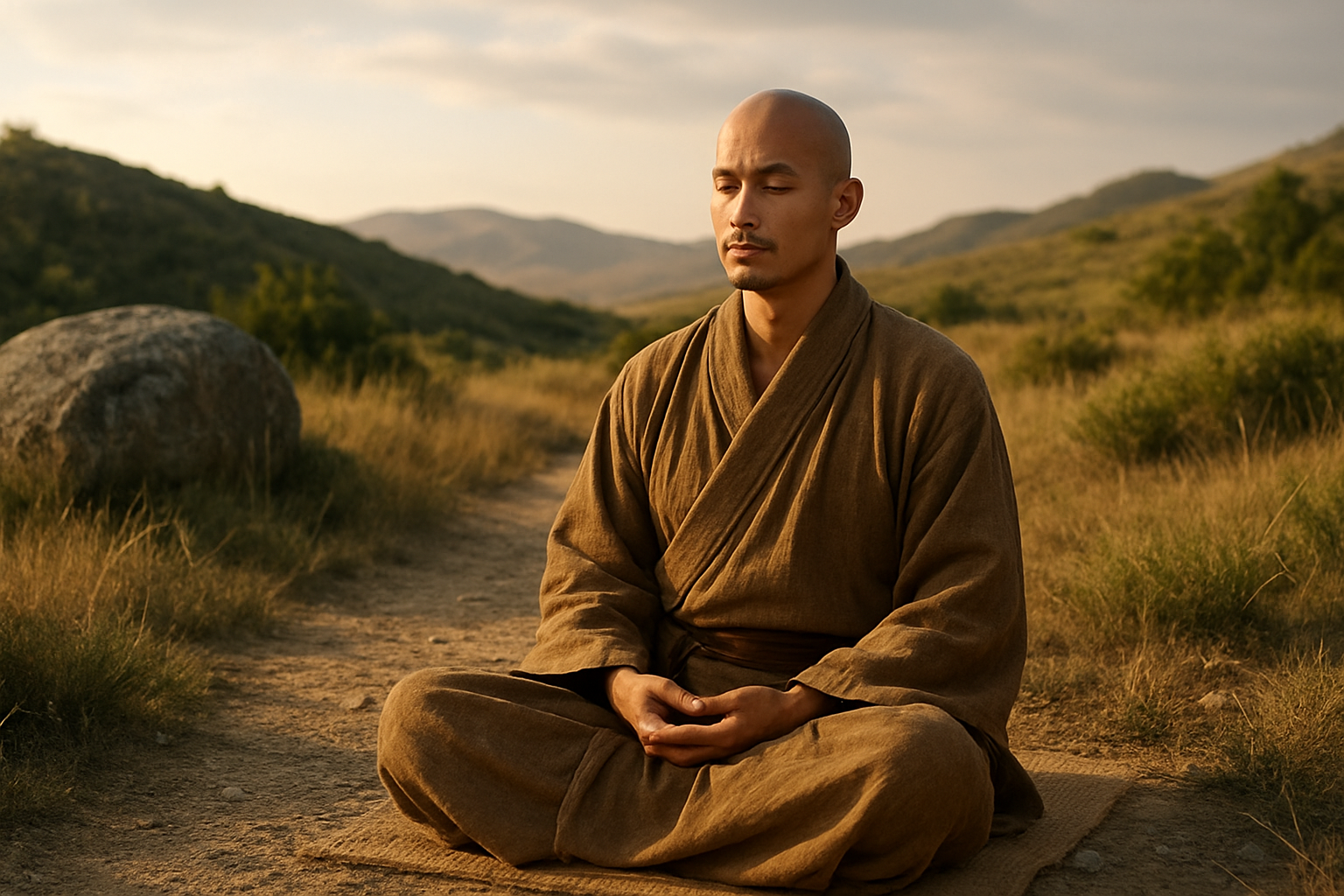
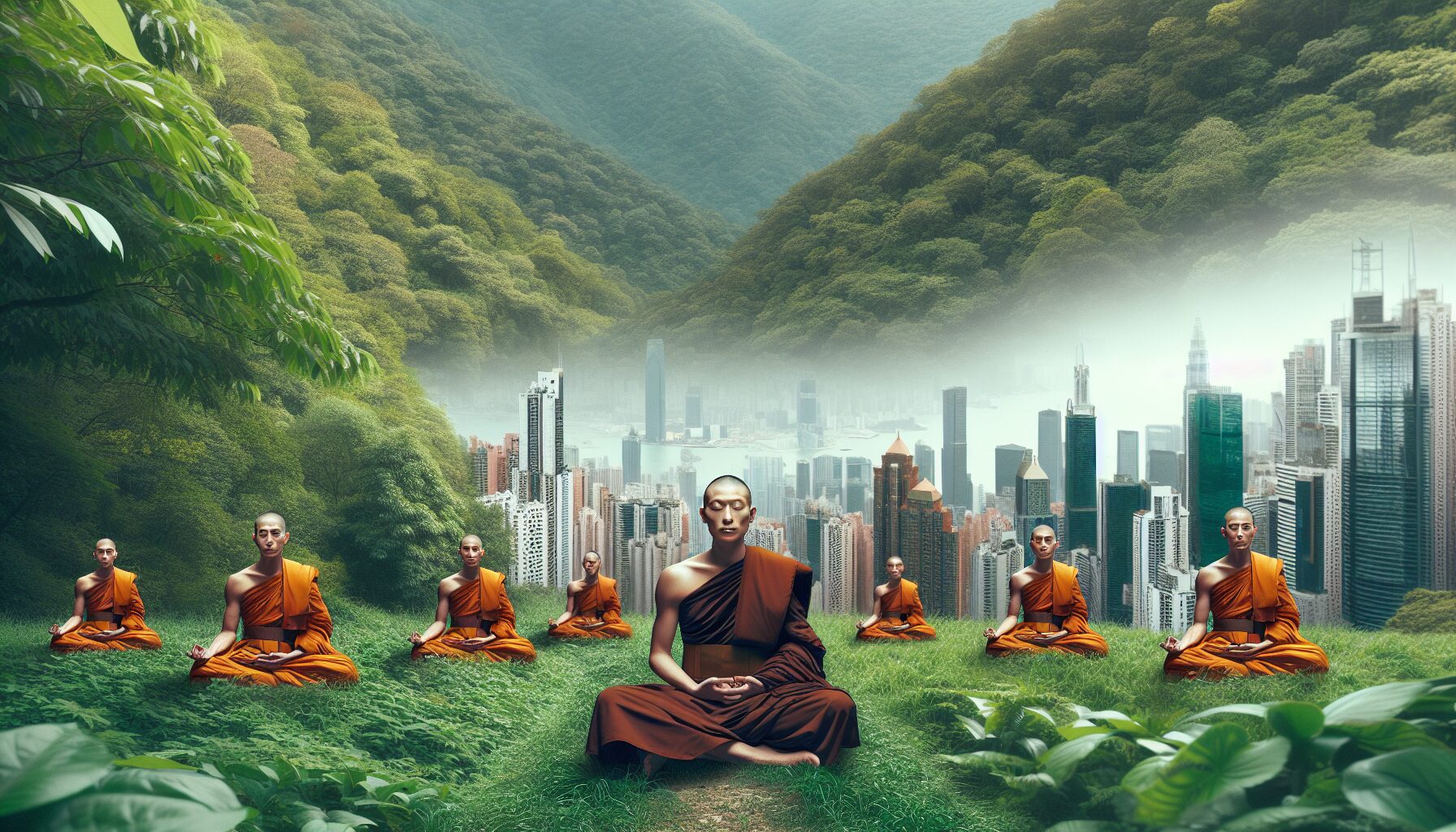
In the serene embrace of the wilderness, where the whispers of the wind and the flutter of leaves become profound teachers, we find a space to encounter solitude and reflection. The concept of “Empty Mountain, Silent Mind” beautifully encapsulates this serene yet powerful confluence of nature and consciousness. Drawing heavily from Zen philosophy, these lessons from the wild can offer profound insights into self-awareness and tranquility.
The Essence of Zen in Nature
Zen Buddhism places great emphasis on meditation and direct experience over theoretical knowledge. Nature, which is devoid of human constructs and societal noise, serves as a perfect backdrop for Zen practitioners. According to the Tricycle Foundation, a resource dedicated to the dissemination of Buddhist teachings, the natural world inherently teaches us about the impermanence and interconnectedness of all things. This perspective encourages practitioners to embrace simplicity and mindfulness.
“Nature does not hurry, yet everything is accomplished.” — Lao Tzu
This well-known Taoist aphorism reflects a core Zen belief: the natural world holds countless lessons in patience, balance, and time, all of which are integral components of meditation and mindfulness practices.
A Journey to the Empty Mountain
- Solitude and Reflection: An empty mountain signifies a place untouched by the chaos of human life. Here, one finds space for solitude, which is essential for deep reflection and meditation. In solitude, we learn to confront our thoughts, fears, and desires without distraction.
- Embracing Impermanence: The wilderness is a canvas of change—seasons transition, flora and fauna adapt, life and death cycle ceaselessly. Zen teaches us to accept impermanence, urging us to live in the present moment without attachment.
- Interconnection with the Environment: Everything in the wild is interconnected. This realization fosters a sense of unity with the world, breaking down the illusion of separation. In Zen, this understanding helps dissolve the ego, leading to a quieter, more expansive mind.
The Silent Mind
The notion of a silent mind is about achieving mental clarity and peace amid the constant chatter of daily life. In Zen practice, a silent mind is synonymous with enlightenment—a state free from the ego’s disturbances and desires.
“When you realize nothing is lacking, the whole world belongs to you.” — Lao Tzu
Achieving a silent mind requires diligent practice and discipline. Silent meditation practices, such as zazen (sitting meditation), cultivate awareness and help practitioners focus inward, away from external chaos.
Applying Zen Lessons from the Wilderness
Integrating the lessons of an empty mountain and a silent mind into daily life involves both practice and intention. Here are practical suggestions:
- Create a Daily Ritual: Spend a few minutes each day in nature. This doesn’t have to be in a mountain setting; a local park or even your backyard can offer solace and serve as a sanctuary for meditation.
- Mindful Walking: Practice walking meditation outside. As you walk, pay attention to the sensations of each step, the feeling of the earth under your feet, and the sounds around you. This practice enhances mindfulness and connects you to the present moment.
- Embrace Minimalism: Reflect on the simplicity of nature and how this principle can be applied to your life. Consider decluttering your physical and mental space, allowing room for clarity and peace.
In understanding the teachings of the empty mountain and the silent mind, it’s essential not to view them merely as theoretical concepts. As Zen teaches, truth is found in direct experience. A walk in the wilderness not only opens one’s heart to the beauty and simplicity of life but also becomes a meditation in motion.
Conclusion
The wilderness, with its vastness and stillness, offers a unique template for cultivating inner peace and understanding. By embracing the lessons from nature, as encouraged by Zen philosophy, we learn to quiet the mind, live in the moment, and embrace the beauty of the world around us. Through these practices, the empty mountain becomes not just a place, but a state of mind—one devoid of conflict and filled with tranquility.