Sacred Simplicity: Discovering Meaning in Minimalism
The phrase “sacred simplicity” conjures a world where less is truly more. In a culture saturated with distractions and complexities, the movement towards minimalism offers a beacon of clarity. This article explores the profound significance of simplicity in various aspects of life, from personal possessions to mental space, and how embracing a minimalist lifestyle can bring about peace and fulfillment.
The Essence of Minimalism
Minimalism is not merely a design trend or a method of decluttering; it is a philosophy. At its core, it advocates for stripping away the superfluous to focus on what truly matters. As Leonard Koren, author of Wabi-Sabi: For Artists, Designers, Poets & Philosophers, beautifully puts it, “Pare down to the essence, but don’t remove the poetry.” (Source)
The Benefits of a Simplified Life
- Increased Focus and Clarity: By eliminating distractions, minimalism allows individuals to concentrate better on their tasks and goals. A clear environment extends to a clear mind. As Marie Kondo, the renowned tidying expert suggests, “The question of what you want to own is actually the question of how you want to live your life.” (Source)
- Enhanced Freedom: When you own less, you inherently have fewer things tying you down. This leads to greater mobility and freedom to pursue experiences rather than being held back by material possessions.
- Environmental Impact: Minimalism often aligns with sustainability. By purchasing and consuming less, minimalists contribute to the reduction of waste and the preservation of natural resources.
Achieving Simplicity: Steps to Start
Embarking on a minimalist journey need not be overwhelming. Here are some steps to help you start:
- Evaluate Your Possessions: Begin by assessing your belongings. Keep only those that spark joy or serve a significant purpose. This is akin to the methodics of Kondo’s KonMari method.
- Adopt Mindful Consumption: Before buying, ask yourself: “Do I need this?” Focus on intentional shopping.
- Create Space for Experiences: Prioritize experiences over things. Memories from a spontaneous trip or a quiet dinner with friends can prove more enriching than any material possession.
- Embrace Digital Minimalism: In our digital era, consider decluttering your digital space too. Cal Newport, author of Digital Minimalism, indicates that a focused life in a noisy world results in greater productivity and less stress. (Source)
Minimalism in Design and Architecture
“Simplicity is the ultimate sophistication.” – Leonardo da Vinci
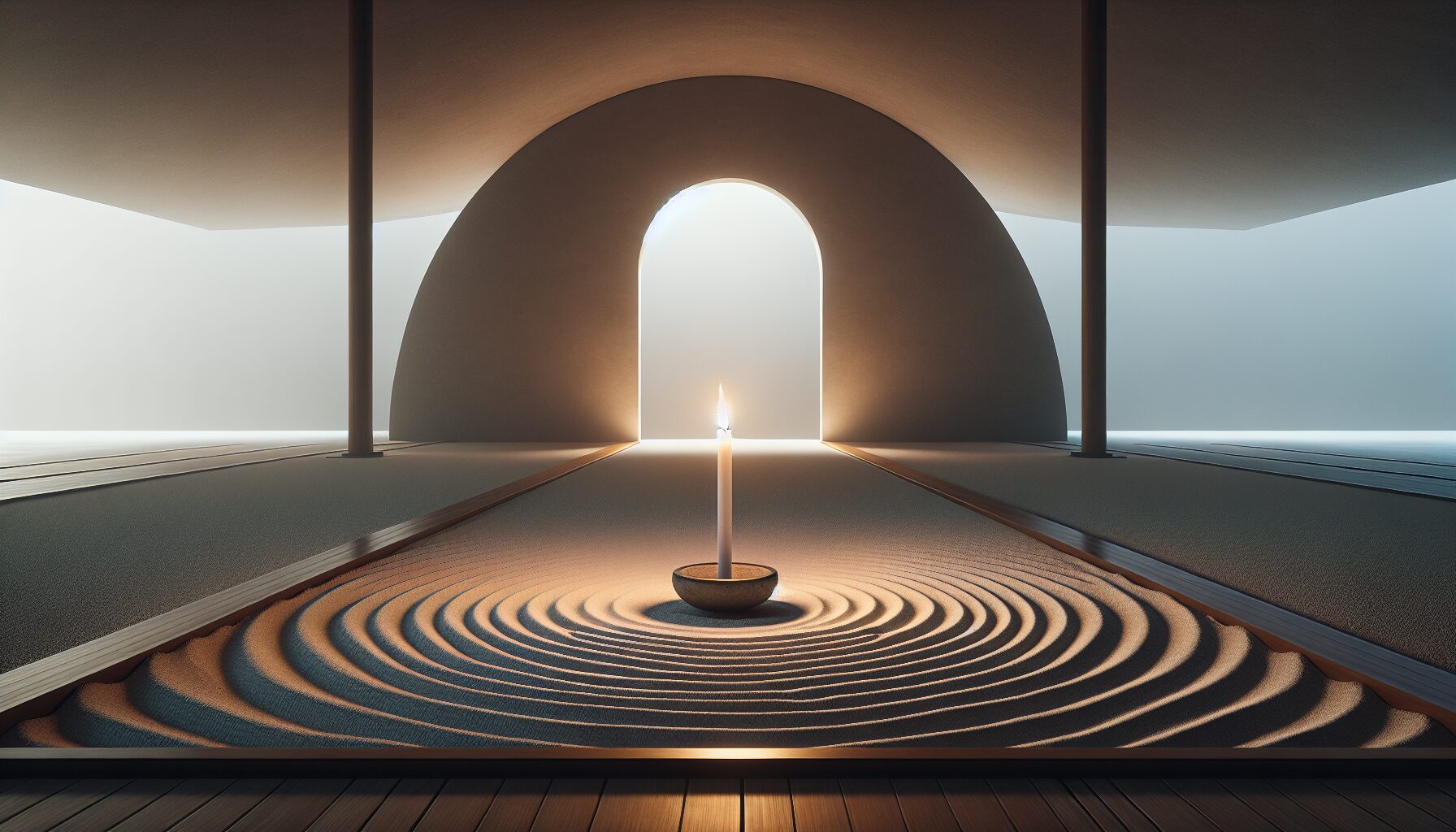
Nowhere is the motto of “form follows function” more visible than in minimalist architecture and design. This approach emphasizes clean lines, open spaces, and the judicious use of light and material. Buildings become sanctuaries rather than monuments overloaded with intricate details.
In this aesthetic, every design element serves a purpose, contributing to a serene environment. The use of neutral color palettes and natural materials fosters an enduring, tranquil appeal. Furniture design luminaries such as Donald Judd and Ludwig Mies van der Rohe were pioneers in this style, creating pieces that stood the test of time due to their profound simplicity.
Minimalism in Everyday Practices
- Meditation and Mindfulness: These practices encourage a minimalist mentality by focusing on the present and appreciating simplicity. They cultivate a keen awareness of one’s thoughts and surroundings.
- Eating and Cooking: The minimalist approach can extend to your meals. Emphasizing quality over quantity, minimalist cooking prioritizes fresh, honest ingredients prepared in simple ways. The Mediterranean diet is a prime example of this philosophy.
Making Minimalism a Lifestyle, Not a Trend
Embracing minimalism as a lifestyle goes beyond aesthetic choices; it is a mindset. To adopt this, one must internalize the idea that abundance comes not from owning more but from finding beauty in simplicity. It’s about creating a life that aligns with your true values, as asserted by The Minimalists, Joshua Fields Millburn and Ryan Nicodemus. They remind us, “Love people, use things. The opposite never works.” (Source)
In conclusion, “sacred simplicity” is a call to re-evaluate our lives and prioritize what truly matters. Whether it’s through decluttering our homes, simplifying our routines, or focusing on personal growth, the quest for simplicity can be profoundly fulfilling. By revisiting the basics and shedding the excess, we find clarity, purpose, and joy rooted in a life lived with intention and appreciation for the present.
Embrace this sacred simplicity, and discover a life enriched by authenticity and contentment, where the true essence of happiness lies not in abundance, but in the refined elegance of the simplicity we forge.