Photography, in its essence, is a universal language. It transcends verbal communication, capturing emotions and telling stories that words often fail to express. As the dictionary of this visual language continues to expand, we explore the significance of this evolution and how it impacts both photographers and viewers globally.
The Foundation of Visual Language
The roots of photography as a storytelling medium stretch back to its invention in the 19th century. Early photographs were largely documentary in nature, capturing portraits and landscapes. Over time, the development of technology and the nuances of creativity have exponentially expanded the capabilities and interpretations of photographers.
Henri Cartier-Bresson, one of the pioneers of modern photojournalism, emphasized the importance of the “decisive moment.” He once stated,
“Photography is, for me, a spontaneous impulse coming from an ever-attentive eye which captures the moment and its eternity.”
His work laid the groundwork for considering photography as an art form, with its own unique visual grammar.
Technological Advancements and Their Impact
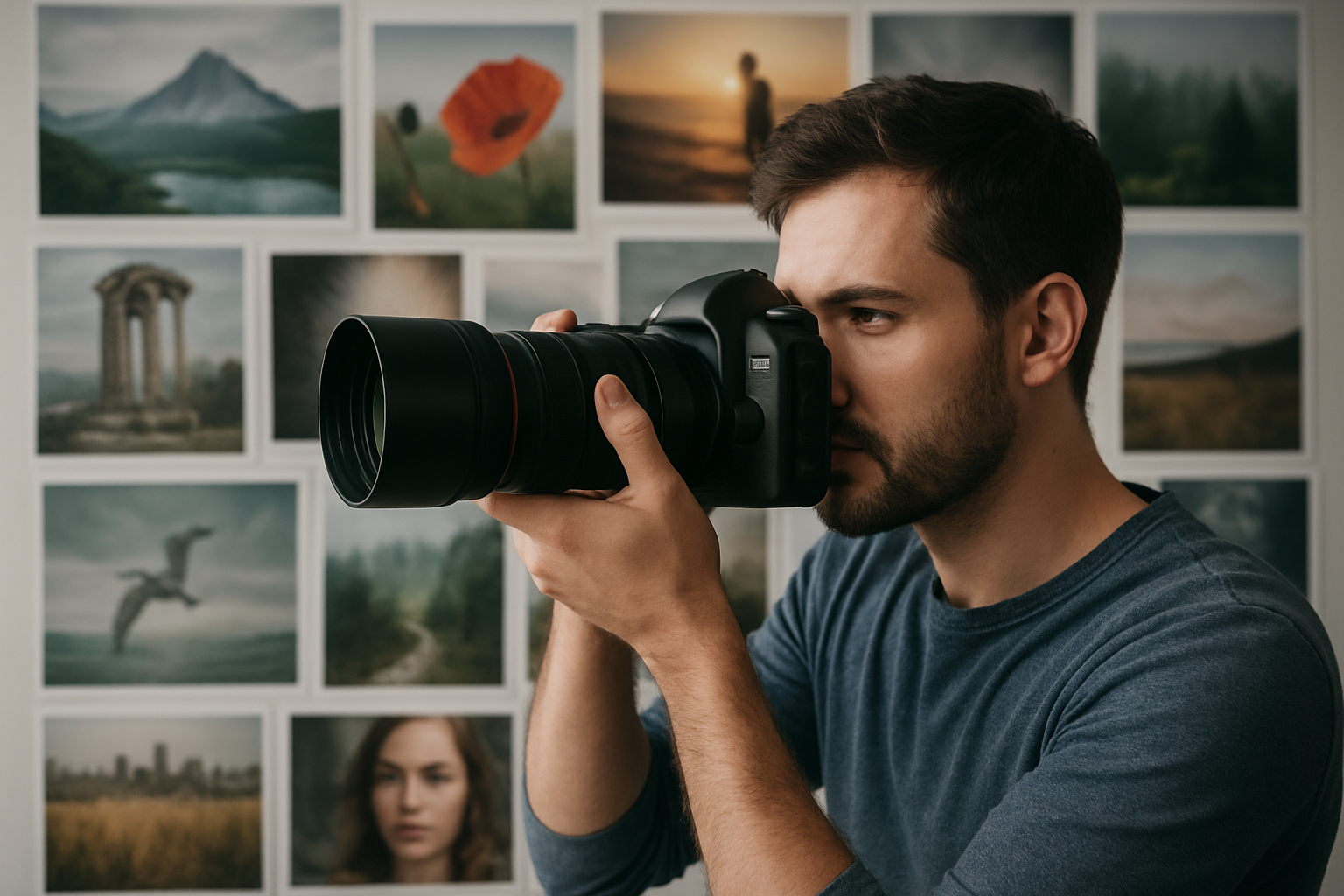
With the advent of digital cameras, smartphone technology, and editing software, photography has become more accessible than ever. These advances have allowed photographers to explore new techniques and styles, effectively expanding the vocabulary available to them.
- High Dynamic Range (HDR): Technology that blends multiple exposures to record a greater dynamic range between the lightest and darkest areas of an image. This has become a critical language tool for landscape photographers.
- Drone Photography: Offering new perspectives and compositions by capturing images from above, drone photography adds an aerial vocabulary that was once only accessible through costly methods like helicopters.
- Artificial Intelligence in Editing: AI-powered tools have introduced automated adjustments and style transfers, enabling photographers to express unique visions with ease.
An article in The Verge highlights the evolution of AI in photography, stating, “The integration of AI within modern cameras and post-processing software provides photographers with tools that enhance creativity and precision, altering how we interpret and understand visual narratives.”
The Role of Cultural and Social Movements
Photography has always reflected society’s values and changes, acting as a mirror to cultural shifts. In recent years, the emergence of social media platforms like Instagram and TikTok has democratized photography, giving voice to diverse stories and perspectives worldwide. This has widened the visual vocabulary by incorporating cultural symbols and narratives previously underrepresented in mainstream media.
For instance, the rise of smartphone cameras has empowered photographers from diverse backgrounds to share culturally specific stories. These stories challenge the status quo, offering new perspectives that redefine the visual vocabulary.
As Susan Sontag eloquently summarized in her book “On Photography”:
“Photographs are not so much an instrument of memory as they are an invention of it.”
Photography enables the construction and deconstruction of cultural memory, reflecting the ongoing dialogue between past, present, and future narratives.
The Expanding Aesthetic and Conceptual Horizons
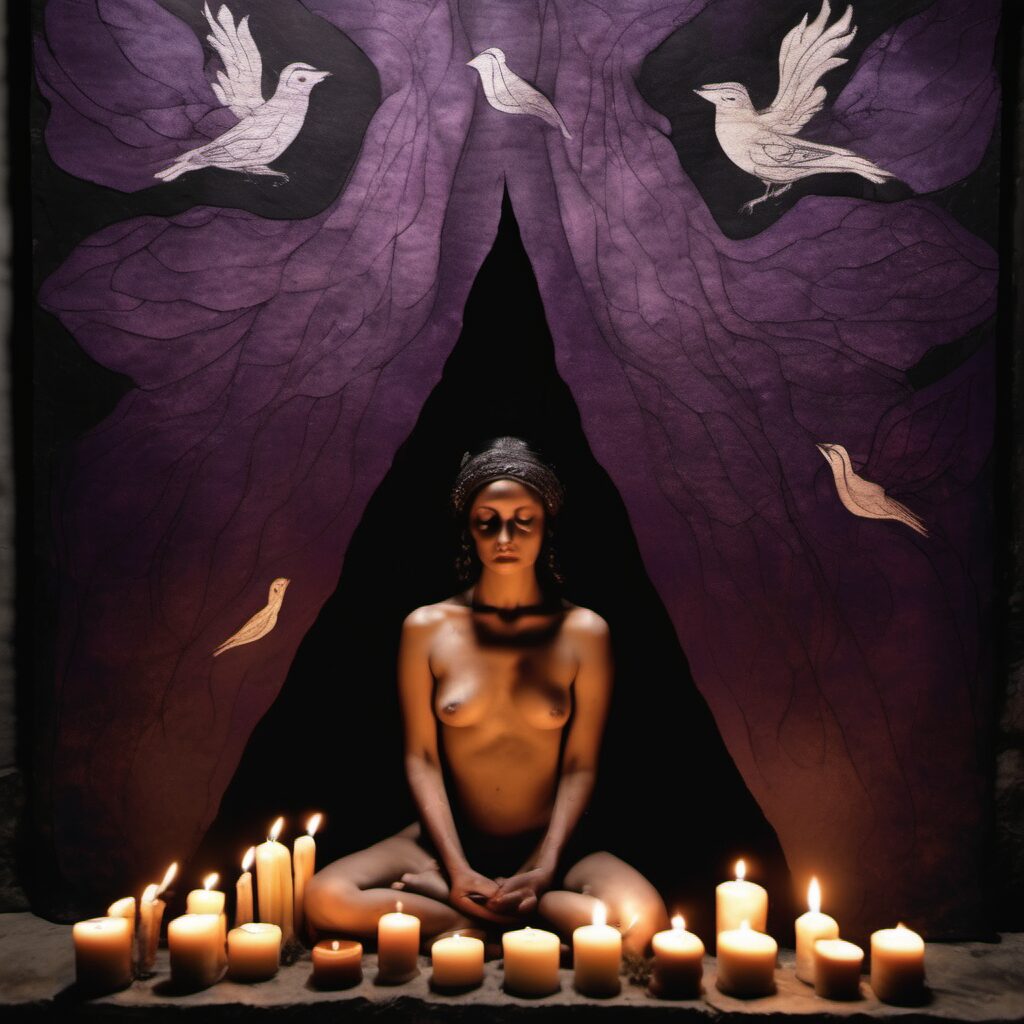
The aesthetic dimensions of photography have also evolved to include abstract and conceptual photography, pushing boundaries of what is traditionally considered beautiful or meaningful. This expansion allows photographers to explore themes of reality, identity, and perception more deeply.
- Minimalist Photography: This style emphasizes simplicity and focuses on one subject, stripping away distractions to distill the essence of the visual message.
- Conceptual Photography: Merging ideas with art, it leverages symbolism and metaphor to communicate complex concepts and narratives.
- Mixed Media: Combining photographs with other art forms such as drawing or digital art broadens the interpretive possibilities and narrative depth.
An article in ArtNews discussed conceptual photography, mentioning that “by questioning the very reality captured by traditional lenses, photographers invite viewers into a dialogue that is both introspective and expansive.”
Challenges in Crafting a New Visual Vocabulary
While the language of photography has expanded, it is not without challenges. Photographers today are faced with the task of distinguishing their voices amidst a cacophony of images. Authenticity and originality are crucial in establishing a distinctive style and maintaining the integrity of photographic language.
Moreover, ethical considerations play a significant role in today’s photographic world, particularly in photojournalism and street photography. Issues of privacy, consent, and representation are more pronounced, navigating these require photographers to be more socially and culturally aware.
The Future of Photographic Language
As technology continues to evolve, so will the language of photography. Advancements in virtual reality (VR) and augmented reality (AR) may soon provide photographers with tools to create fully immersive visual experiences. These cutting-edge technologies promise to further expand the visual vocabulary, crafting narratives with unprecedented depth and interaction.
The integration of blockchain technology also opens new avenues for preserving the authenticity of photographic works, offering opportunities for photographers to protect their intellectual property and monetize their creativity in innovative ways.
In conclusion, as the visual vocabulary of photography continues to expand, it becomes evident that photography is not just a reflection of reality, but a construct of it. The innovation and creativity within the realm of photography underscore its importance as a potent form of expression, capable of profound impact across cultures and time. As we stand on the precipice of further technological and creative advancements, the language of photography remains essential in narrating the ever-evolving human experience.