Tag: journeys

  • Path of Clouds and Dust – Pilgrimage Across Time and Space

    Path of Clouds and Dust – Pilgrimage Across Time and Space

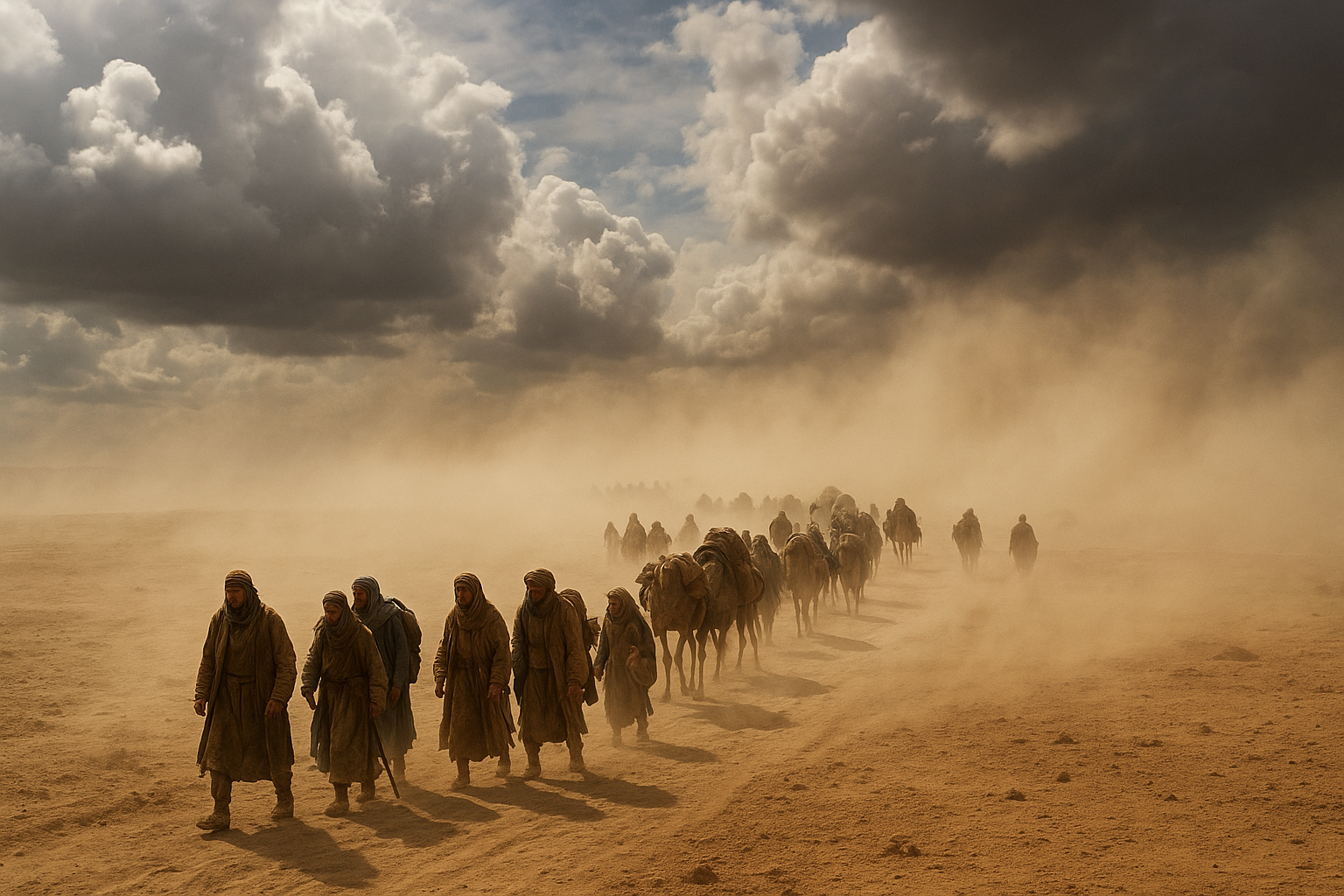
    Path of Clouds and Dust: Pilgrimage Across Time and Space

    The concept of pilgrimage is as old as humanity itself. From the wandering Israelites seeking the Promised Land to the modern-day traveler tracing the route of the Camino de Santiago, the journey has always been one of self-discovery, spiritual enrichment, and cultural exchange. This article explores the historical and contemporary significance of pilgrimage, weaving a narrative that spans cultures, continents, and centuries.

    The Origin of Pilgrimage

    The earliest recorded pilgrimages date back to the ancient civilizations where journeys to sacred sites were undertaken to seek divine favor or deliverance. The Epic of Gilgamesh, one of the earliest works of literary fiction, describes a journey that is partly a pilgrimage as the hero seeks eternal life.

    “The Eternal Life you are seeking you shall never find. When the gods created mankind, they allotted death to mankind, keeping eternal life in their own hands” – Epic of Gilgamesh, translated by N.K. Sandars.

    In antiquity, religious journeys often intertwined with trade routes, facilitating both economic and cultural exchanges. The Silk Road was not only a trade artery but also a pilgrimage route merging Buddhists, Christians, Zoroastrians, and Muslims in a tapestry of earthly and spiritual commerce.

    Pilgrimages in Different Cultures

    • Islamic Pilgrimage – Hajj: The Hajj is a central tenet of Islamic worship, requiring Muslims to visit Mecca at least once. It has remained mostly unchanged for centuries, serving as a unifying pillar for Muslim communities worldwide.
    • Hindu Pilgrimage – Kumbh Mela: Considered the world’s largest congregation of religious pilgrims, the Kumbh Mela is celebrated every twelve years. Millions gather along India’s riverbanks, seeking purification and enlightenment.
    • Christian Pilgrimage – Camino de Santiago: The Santiago de Compostela in northwestern Spain attracts Christians from around the globe, with pathways like the Camino Francés offering both an arduous physical journey and a transformative spiritual experience.
    • Buddhist Pilgrimage – Lumbini: As the birthplace of Buddha, Lumbini in Nepal remains a pivotal pilgrimage site for Buddhists. Steeped in history and serenity, it invites reflection and spiritual awakening.
    • Indigenous Pilgrimages: Native American cultures perform pilgrimages to sacred mountains or tribal lands to honor ancestors and maintain spiritual harmony. Such practices emphasize humanity’s intrinsic link with nature and tradition.

    Modern Interpretations of Pilgrimage

    In today’s hyper-connected world, the idea of pilgrimage is transforming. While traditionally rooted in religious rituals, contemporary pilgrimages now often represent personal quests for mindfulness and simplicity amid the chaos of modern life.

    “We are called to be pilgrims in the world, not tourists. Pilgrimages are not just tourist trips.” – Pope Francis.

    Many modern-day pilgrims embark on journeys that might not be tied to any religious conviction but are driven by a desire for self-discovery and inner peace. The rise of non-religious pilgrimages, such as hiking the Pacific Crest Trail or visiting sites associated with significant historical figures, attests to an evolving understanding of what constitutes a pilgrimage.

    Challenges and Impacts of Pilgrimage

    While pilgrimages offer personal transformation, they also present challenges. The mass influx of pilgrims can strain local ecosystems, erode cultural sites, and disrupt native communities. The environmental impact is particularly significant as fragile landscapes become tourist hotspots, necessitating sustainable practices.

    “Tourism’s impact on the environment pales in comparison to pilgrimage. Pilgrims tend to be long-stay visitors who create more demand on local resources” – Research by the World Tourism Organization.

    Many organizations and communities are now advocating for sustainable pilgrimage practices, encouraging responsible travel that minimizes negative impacts. Initiatives are in place to limit the carbon footprint of such journeys, integrate pilgrims into local conservation projects, and ensure that spiritual journeys do not lead to physical degradation.

    The Philosophical Underpinnings of Pilgrimage

    The notion of traversing a path of clouds and dust resonates with the Zen concept of samsara, the cycle of life, death, and rebirth. Pilgrimages are parallel to life’s journey—full of trials, revelations, and the ultimate quest for meaning. Ludwig Wittgenstein, the philosopher, famously undertook a kind of intellectual pilgrimage, seeking clarity through his travels and work.

    “A serious and good philosophical work could be written consisting entirely of jokes” – Ludwig Wittgenstein.

    This quest mirrors our existential longing to understand our place in the universe. It suggests that a pilgrimage, whether spiritual or secular, is less about the destination and more about the transformation that occurs along the way.

    Future of Pilgrimage

    As we look to the future, the pilgrimage will likely persist as a vital human expression. Advances in transportation may ease the physical burden, while digital technologies offer virtual pilgrimages for those unable to travel.

    “More than ever, people are seeking spaces of disconnect and reconnection—pilgrimages serve as a reset and a renewal” – Travel Insights from National Geographic.

    The challenge lies in preserving the sacredness of these journeys in increasingly connected and often superficial travel experiences. A reimagined pilgrimage embraces intentionality, cultivating not just a physical journey but a holistic restructuring of mind, spirit, and worldviews.

    Thus, the path of clouds and dust continues to stretch beyond horizons, inviting modern pilgrims to embark upon journeys of meaning, reflection, and connection across time and space.
  • Paths Made of Rain – Ephemeral Journeys through the Living World

    Paths Made of Rain – Ephemeral Journeys through the Living World

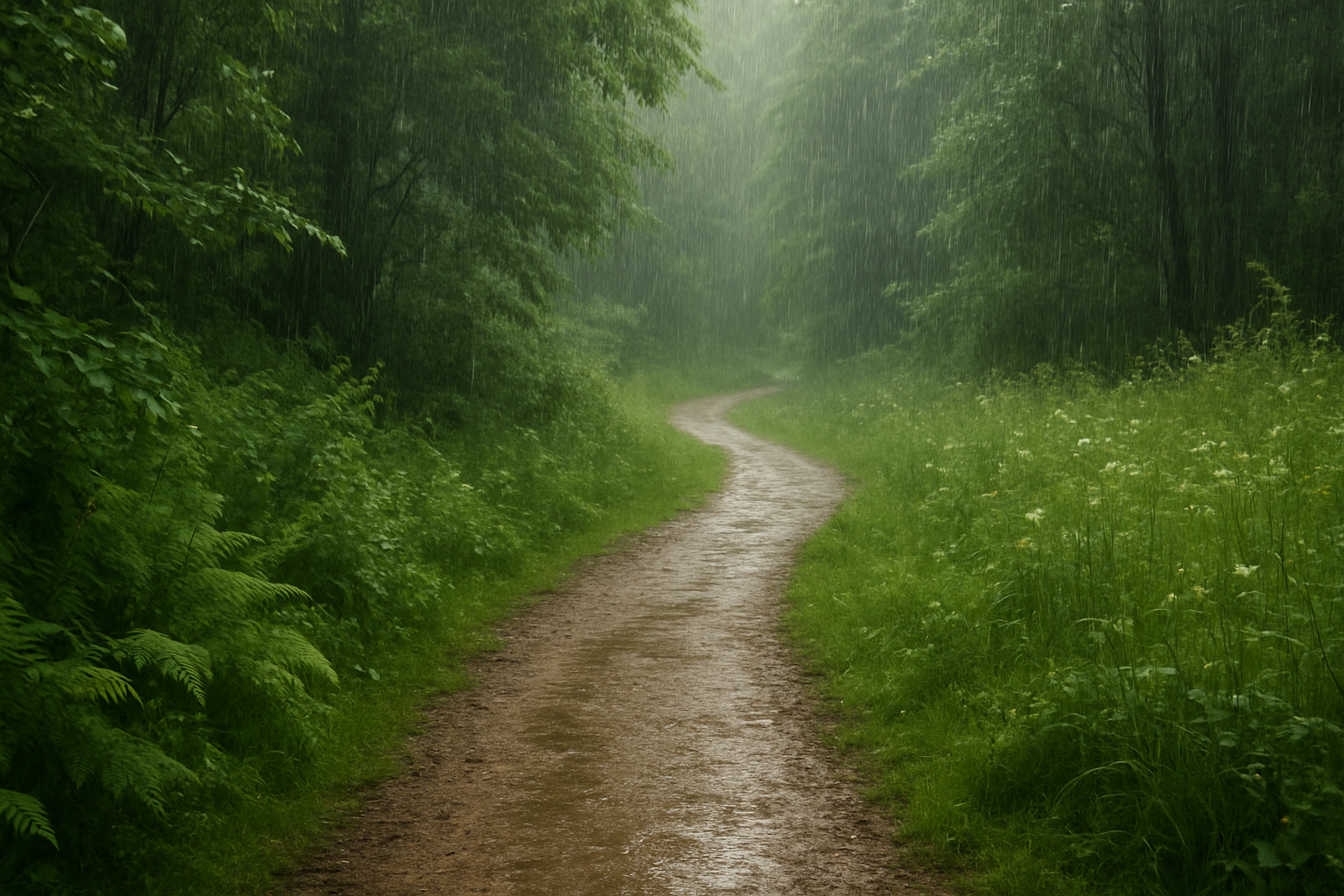
    Paths Made of Rain: Ephemeral Journeys through the Living World

    In the heart of our complex and multifaceted world lies a profound beauty as fleeting and transient as the paths made of rain. These ephemeral journeys are not confined to ordinary travel; they transcend it, offering reflections on the temporality of existence and the delicate interplay between human perception and the natural environment. Through examining these rain-crafted pathways, one uncovers insights about life, existence, and the world we inhabit.

    The Essence of Ephemeral Paths

    Ephemeral paths, by their very nature, assert the impermanence of the world around us. These paths exist only in the presence of rain, whispering the tale of their brevity as water traces trails across landscapes. As Heraclitus famously stated, “No man ever steps in the same river twice, for it’s not the same river and he’s not the same man.” This captures the transient essence by which paths made of rain are governed—a continuous flux that defies permanence.

    Philosophical Underpinnings: Impermanence and Existence

    The concept of impermanence is a fundamental aspect of many philosophical discourses. Within Buddhist teachings, impermanence—or anicca—is one of the three marks of existence. The ephemeral nature of rain paths can be seen as an embodiment of this principle. Each journey carved by raindrops is a testament to the understanding that all things are in a state of perpetual change.

    “Understanding the impermanence of things creates nothing less than a radical transformation in the way we regard the present moment and its possibilities.”
    Plato

    Thus, paths made of rain invite us to engage with the present, to pause and observe the fleeting moments that constitute our journeys. In doing so, one finds a deeper appreciation for the world’s transient beauty.

    Sensory Interactions: Connecting with the Natural World

    There is a profound sense of connection when walking along paths made of rain. The rhythmic sound of droplets, the scent of wet earth, and the sight of glistening reflections create an immersive experience. Rain paths invite an active engagement with the natural environment that grounds one in the present. This sensory participation fosters a mindfulness that is often lost in the hurried pace of modern life.

    Author and philosopher Henry David Thoreau wrote extensively about the need for such connectivity with nature, asserting that “All good things are wild and free.” Here, the interface between wildness and temporality plays out, as rain transforms the ordinary into a canvas of reflections and temporary beauty.

    Artistic Reflections: Influence in Art and Literature

    A glimpse into art and literature reveals how ephemeral journeys have inspired creators across genres. Impressionist painters like Claude Monet captured transient light and fleeting conditions, much akin to the ephemeral paths made of rain. Monets’s water lilies, for instance, are vivid embodiments of both light and reflection—a visual symphony of transience.

    Furthermore, Japanese haiku poets such as Matsuo Bashō encapsulated the essence of fleeting moments. Bashō wrote, “Winter solitude / in a world of one color / the sound of wind.” This haiku, though not about rain specifically, encapsulates the ephemeral sensory experience akin to observing rain paths.

    The Imperative of Ephemeral Journeys

    In a world increasingly dominated by dynamic shifts and unforeseen transformations, recognizing and appreciating ephemeral journeys through the living world becomes imperative. It fosters resilience, adaptability, and a better understanding of the transient nature of life. These paths, crafted by the touch of rain, call us to reconsider the nature of our existence.

    A modern interpretation could delve into the environmental sphere, considering how climate change affects these natural occurrences. As weather patterns fluctuate, the frequency, intensity, and nature of rain change, further influencing how these paths manifest and are experienced.

    Conclusion: Reflecting on the Passage

    In reflecting on paths made of rain, we are reminded of the intricate yet transient journey of life itself—our perceptions honed by the beauty of transition and the impermanence of our surroundings. As we walk these ephemeral journeys, let us not only admire their beauty but also derive meaning and insight from their fleeting existence.

    Through engagement with these experiences, we can cultivate a deeper understanding of nature’s transient wisdom, embedding a sense of harmony and mindfulness within our own passages. Thus, journeys on paths made of rain become profound meditations on the ephemeral yet enduring essence of our world.

  • Healing Journeys

    The path to healing is as unique as the multifaceted individuals who tread it. Whether it’s overcoming physical ailments, mental health challenges, or enduring the often interlaced trials of life, the journey toward healing resonates universally, inspiring courage, introspection, and transformation.

    Understanding the Nature of Healing

    Healing is not merely the absence of pain or disease; it is a holistic process involving the mind, body, and spirit. According to the World Health Organization, health is a “state of complete physical, mental, and social well-being and not merely the absence of disease or infirmity.” This concept underscores the idea that true healing goes beyond the surface and reaches deep into the essence of a person’s being.

    “Out of suffering have emerged the strongest souls; the most massive characters are seared with scars.” — Kahlil Gibran

    The Emotional and Mental Dimensions

    Mental health advocacy has seen significant progress in recent decades, yet the journey toward emotional well-being is deeply personal. As noted by the American Psychological Association, “healing is a process, not an event.” Creating a support system, whether through therapy, peer groups, or robust family networks, plays a critical role in navigating this path. The National Institute of Mental Health emphasizes the importance of addressing emotional health as foundational for holistic healing.

    Holistic and Alternative Approaches

    Many individuals turn to alternative medicine and holistic practices as part of their healing journeys. These can include:

    • Yoga and Meditation: These practices offer respite and encourage mindfulness, helping individuals connect with their inner selves.
    • Acupuncture: An ancient practice that aims to restore balance within the body.
    • Aromatherapy and Herbal Remedies: The use of natural substances to promote physical and emotional well-being.

    An article from Harvard Health Publishing highlights how integrating these practices can enhance traditional medical treatments and provide a more comprehensive healing approach.

    The Power of Storytelling and Shared Experiences

    Documenting and sharing one’s healing journey can be empowering. As people reveal their personal stories, not only do they reclaim their narratives, but they also inspire others who may feel isolated in their struggles. The act of sharing can be a healing ritual in itself, offering insights and hope to those embarking on similar paths.

    Ultimately, healing journeys remind us of the resilience of the human spirit. They teach us that even in the face of adversity, there is an opportunity for profound growth and transformation. Each journey, though personal, becomes part of a larger tapestry of human experience, weaving together stories of recovery, hope, and strength.

  • Nature as Teacher, Journey as Practice

    Nature as Teacher, Journey as Practice

    In a world increasingly dominated by technology and urban landscapes, the lessons taught by nature and the journeys we undertake remain profound and indispensable. Nature, in its infinite wisdom, offers a classroom without walls, where every leaf, mountain, and river serves as a teacher. Similarly, life’s journeys are continuous practices, where each step contributes to personal growth and deeper understanding.

    The Lessons of Nature

    Nature teaches us resilience. Observing the cycle of seasons, the way trees shed leaves in anticipation of winter, prepares us for life’s inevitable changes. Albert Camus remarked, “In the depth of winter, I finally learned that there was in me an invincible summer.” This metaphor for inner strength and adaptability is a lesson drawn from nature’s intrinsic cycles.

    Moreover, nature instills in us a sense of balance. Ecosystems operate harmoniously without excess, maintaining equilibrium that promotes sustainability. This principle can guide our interactions with others and our own lifestyles, encouraging mindfulness and moderation.

    Journey as Practice

    In parallel, life journeys—whether physical travels or metaphorical paths—serve as ongoing practices. Each journey is an opportunity for reflection and growth. Buddhist practitioner Thich Nhat Hanh suggests, “The real miracle is not to walk on water, the real miracle is to walk on earth,” emphasizing the importance of mindful practice in daily life.

    Journeys teach patience and perseverance. Constraints and challenges encountered along the way are part of the practice, offering lessons in problem-solving and resilience. With each challenge faced and overcome, we exercise skills that enhance our capacity for handling adversity.

    Embracing Simplicity

    Both nature and journeys encourage simplicity. In nature, simplicity is observed through unspoiled vistas and straightforward ecological relationships. On journeys, stripping away life’s clutter allows focus on the essentials, promoting introspection and personal insight.

    “It is not the mountain we conquer, but ourselves.” – Edmund Hillary

    Hillary’s words resonate in this context, as each journey represents a personal conquest, a realization that the physical path is but a canvas upon which to paint our growth and understanding.

    Conclusion

    Embracing nature as a teacher and the journey as a practice can profoundly influence our worldview, encouraging resilience, balance, and simplicity. These timeless principles not only foster personal development but also enhance our relationship with the world around us. As we continue our individual journeys, may the lessons of nature guide us, and may every step we take be a step towards greater wisdom and fulfillment.