Tag: journey

  • Sacred Nomad Codes

    Sacred Nomad Codes

    Sacred Nomad Codes: A Journey Through the Philosophy of Wandering

    Introduction: The Call of the Open Road

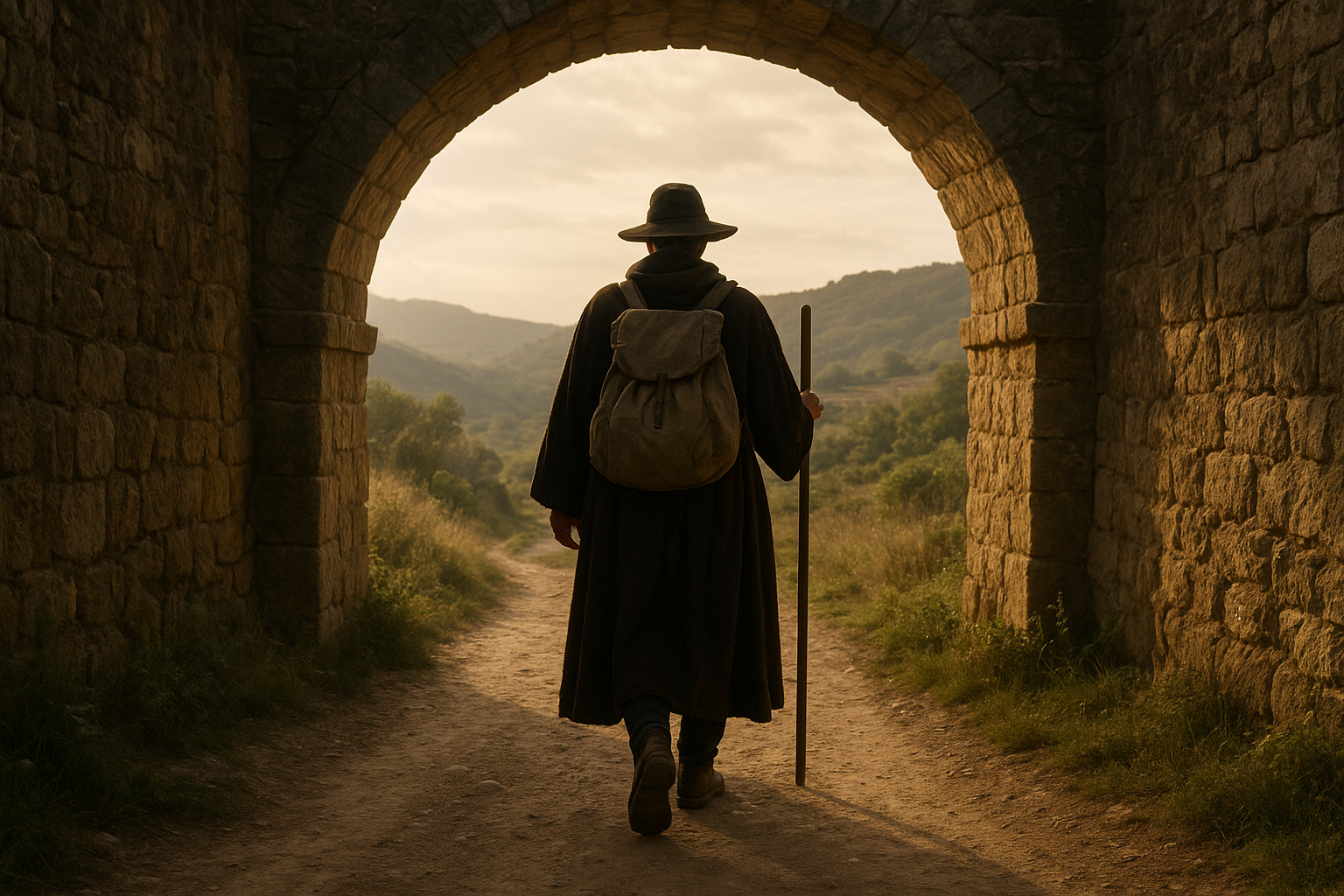
    The allure of the open road has always captivated the human spirit. As a species, we’ve been wanderers, driven by curiosity, survival, and the search for meaning. This inherent desire to navigate the world and our existence within it can be encapsulated in the concept of the “Sacred Nomad Codes”—a philosophy that promotes wandering not just as a physical journey, but as a spiritual and existential quest.

    The Philosophy of Sacred Nomadism

    Sacred Nomadism is not just about travel; it is a mindset that embraces uncertainty, impermanence, and the transformative power of exploration. It suggests that life’s greatest answers lie not in the destination, but in the journey itself.

    Key Tenets of Sacred Nomadism

    • Embrace Impermanence: Like the nomads who traverse the deserts, Sacred Nomads understand that change is the only constant. Philosopher Heraclitus once said, “You cannot step into the same river twice,” highlighting the ever-changing nature of life.
    • Seek Meaning Over Material: True wealth for a Sacred Nomad is found in experiences and personal growth rather than material possessions.
    • Live Authentically: Authentic living involves being true to oneself and one’s journey, refusing to be bound by societal expectations.

    The Spirituality of Wandering

    Sacred Nomadism incorporates spiritual perspectives from various traditions, offering a rich tapestry of beliefs and practices that emphasize inner exploration alongside outward journeying. Consider this observation from Marcus Aurelius: “Nowhere can a man find a quieter or more untroubled retreat than in his own soul.” The nomadic path is as much an inward journey as it is an outward one.

    The Nomadic Spirit in Different Cultures

    • Indigenous Perspectives: Many indigenous societies view life as a sacred journey, where movement is essential to connecting with nature and understanding one’s place in the universe.
    • Sufi Mysticism: In Sufism, the metaphor of the journey is prominent. The spiritual path is likened to a desert traverse, seeking union with the divine, reflecting the nomadic spirit of always moving towards a greater truth.
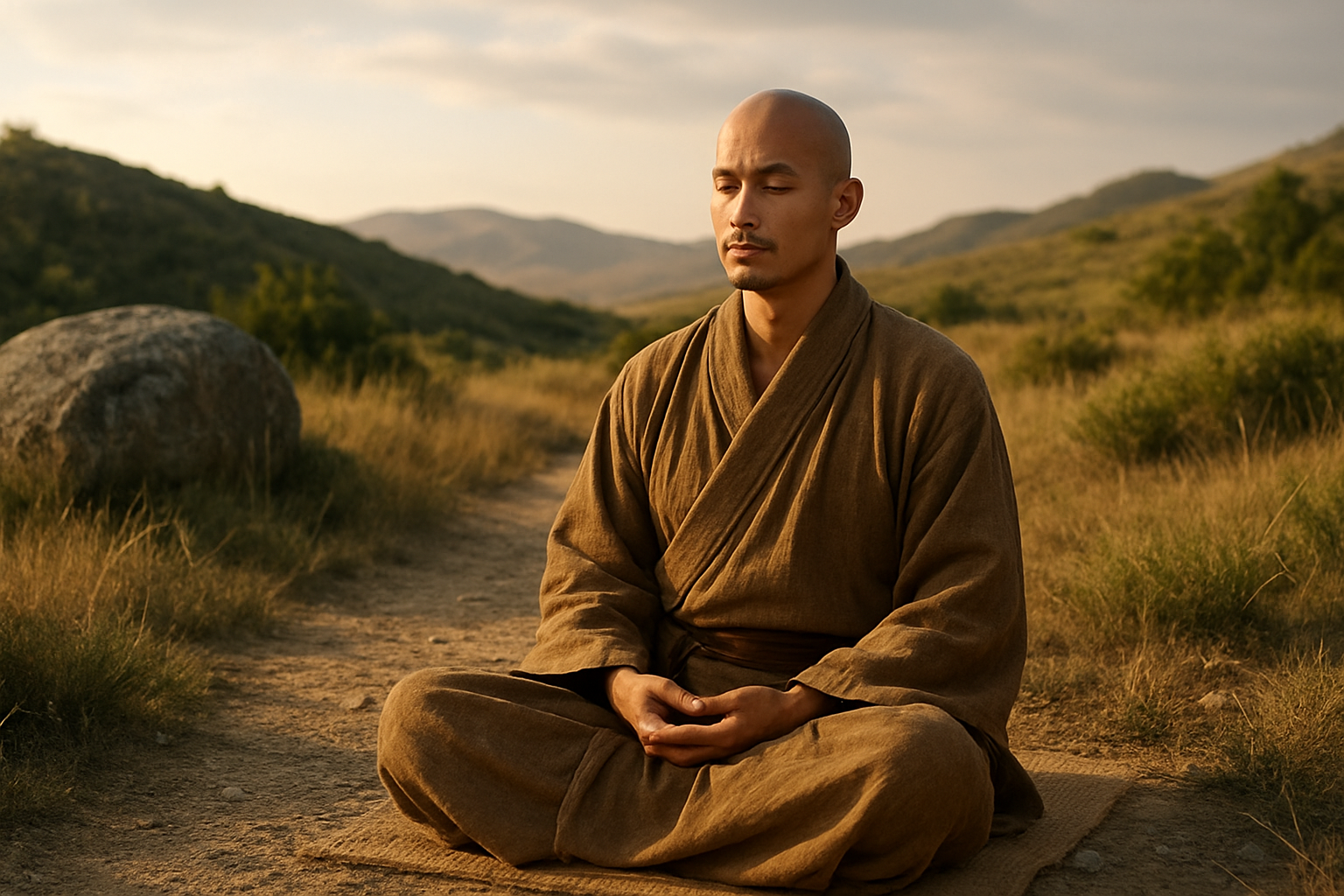
    • Buddhism: Often referred to as the ‘Middle Way’, Buddhism encourages a journey of moderation, avoiding extremes and embracing the path of self-discovery fueled by mindfulness and alertness.

    “To travel is to take a journey into yourself.” — Danny Kaye

    Nomadism in a Modern Context

    In today’s digital age, the concept of nomadism has evolved. The rise of the “digital nomad” reflects a new manifestation of this ancient tradition, infusing the age-old practice of wandering with modern technology’s conveniences.

    Challenges and Opportunities

    Modern nomads face unique challenges such as legal, financial, and logistical hurdles. However, the opportunities to experience global cultures and diverse perspectives have never been greater.

    • Remote Work: The ability to earn a living remotely has empowered many to embrace a nomadic lifestyle, combining work and travel in ways previously unimaginable.
    • Cultural Exchange: Exposure to diverse cultures expands understanding and fosters empathy, encouraging a more interconnected and harmonious world vision.
    • Personal Enrichment: Each destination provides a unique opportunity for growth, learning, and self-discovery, aligned with the tenets of Sacred Nomadism.

    Concluding Thoughts: The Eternal Journey

    The Sacred Nomad Codes remind us that life’s true purpose can often be discovered on the way, not at the end. Nomadism, both ancient and modern, invites us to explore, learn, and evolve continually. In the words of Jack Kerouac, “The road is life.”

    By embracing the path of a Sacred Nomad, we acknowledge that each journey holds the potential for transformation, offering a chance to unravel the mysteries of the world—and ourselves—with each step we take.

  • The Tao of Travel

    The Tao of Travel

    In a world where travel is often equated with itineraries, destinations, and checklists, the ancient philosophy of Taoism offers a refreshing perspective: journey as a way of life, a means to self-discovery, and an embrace of the profound beauty of simplicity and spontaneity.

    The Taoist Philosophy: A Brief Overview

    Taoism, a spiritual and philosophical tradition of Chinese origin, emphasizes living in harmony with the Tao (道), which translates to “the Way.” Its origins trace back to the 4th century BCE, attributed to the sage Laozi, the purported author of the seminal text, the Tao Te Ching. According to The Internet Encyclopedia of Philosophy, Taoism teaches that the natural world and human endeavors are interconnected and encourages living simply and in accordance with nature.

    “A good traveler has no fixed plans and is not intent on arriving.” — Laozi

    This quote captures the essence of the Tao of travel: a journey without constraints, free from the pressures of a fixed destination, with the focus instead on the journey itself.

    Embracing the Journey, Not Just the Destination

    Modern tourism’s fast-paced nature, driven by the desire to visit as many places as possible in the shortest time, often contradicts this philosophy. The Tao of travel, however, invites travelers to slow down, observe, and engage with the present moment deeply.

    • Simplicity: Re-evaluating what one truly requires for a journey is crucial. By letting go of excess baggage—both physical and mental—travelers can immerse themselves more fully in their surroundings.
    • Harmony: The Tao emphasizes flowing with rather than against the current, aligning with the natural rhythm of places visited without imposing preconceptions.
    • Mindfulness: Experiencing travel through all senses, paying attention to sights, sounds, and scents. Such mindfulness transforms a trip into a meditative journey.

    The Intersection of Modern Travel and Taoism

    While the idea of travel as a Taoist practice might seem abstract, practical applications of these principles enrich modern travel experiences. The rise of slow travel, which prioritizes meaningful connections over rushed checkboxes, parallels Taoist teachings closely.

    Slow Travel

    At the heart of slow travel lies a simple principle: staying longer in fewer places to foster a deeper connection with the culture and community. This approach resonates with the Taoist ideal of immersing oneself into the natural rhythm of life. BBC Travel highlights how slow travel cultivates meaningful interactions and profound experiences that conventional travel might overlook.

    Sustainable Travel

    In alignment with living harmoniously with nature, sustainable travel emphasizes responsible tourism practices. Choosing eco-friendly accommodations, supporting local businesses, and respecting natural habitats reflect the inherent Taoist reverence for nature.

    The Interpersonal Tao

    Travel is often as much about those we meet along the way as it is about the places we visit. The Tao of travel encourages open-hearted exchanges and genuine curiosity towards others. This authenticity unfolds the tapestry of shared human experiences, transcending cultural and linguistic barriers.

    “Knowing others is intelligence; knowing yourself is true wisdom. Mastering others is strength; mastering yourself is true power.” — Laozi

    This profound insight from Laozi underlines the transformative potential of travel. By encountering diverse ways of life, travelers gain insights not just into the world but, more importantly, into themselves.

    Conclusion: A Way of Being

    In embracing the Tao of travel, one steps onto a path less defined by physical destinations and more by moments of insight, self-discovery, and serenity. It is a return to the essence of what it means to roam: unbound by time and space, and richly absorbed in the journey itself.

    Thus, the Tao of travel is an invitation to wander, not just through the world but through one’s inner landscapes—to travel with eyes wide open to the simplicity and profundity of life itself.

  • Life Between Campsites

    Life on the road is an exhilarating blend of freedom, adventure, and unpredictability. For those who have embraced the nomadic lifestyle or simply enjoy weekend escapes to the great outdoors, life between campsites offers a unique perspective on travel, nature, and solitude.

    Exploring the Unknown

    Every journey between campsites is an opportunity to explore the unknown. It’s that in-between space where the magic often happens. As Herman Melville once wrote, “It is not down on any map; true places never are.” This captures the essence of discovering those hidden gems that are off the beaten path.

    • Scenic Drives: The journey itself can be as rewarding as the destination. Whether you’re winding through mountainous roads or cruising along coastal highways, the scenery often provides its own reward.
    • Local Culture: Small towns and local communities offer a glimpse into regional culture, from unique foods to charming customs.
    • Self-Reflection: Long stretches between destinations are perfect times for reflection. The solitude allows for introspection and a deeper connection with oneself.

    Challenges and Comforts

    While the romance of the open road is undeniable, life between campsites can also present challenges. Comfortable accommodations and reliable resources might be elusive at times. Yet, it’s noteworthy how adapting and overcoming these obstacles can provide a profound sense of accomplishment.

    “Traveling – it leaves you speechless, then turns you into a storyteller.” – Ibn Battuta

    Indeed, overcoming the unpredictability of the road adds rich stories to one’s repertoire, contributing to personal growth and an unparalleled sense of achievement.

    Planning the Next Stop

    Between campsites, planning the next leg of the journey involves choosing the perfect site that fits one’s preferences and needs. Websites like REI or Campspot offer resources for discovering and booking campsites that suit various tastes, whether you desire solitude in the backcountry or amenities at well-equipped facilities.

    • Research: Invest time in researching potential campsites, considering factors like location, amenities, and necessary reservations.
    • Backup Plans: Always have an alternative site in mind, just in case plans change.

    Embracing Freedom

    The spaces between campsites are as significant as the destinations themselves. They represent freedom, self-discovery, and a connection with nature that few other lifestyles offer. Every mile on this journey contributes to a mosaic of experiences that define the beauty of life on the road.

  • Healing Journeys

    The path to healing is as unique as the multifaceted individuals who tread it. Whether it’s overcoming physical ailments, mental health challenges, or enduring the often interlaced trials of life, the journey toward healing resonates universally, inspiring courage, introspection, and transformation.

    Understanding the Nature of Healing

    Healing is not merely the absence of pain or disease; it is a holistic process involving the mind, body, and spirit. According to the World Health Organization, health is a “state of complete physical, mental, and social well-being and not merely the absence of disease or infirmity.” This concept underscores the idea that true healing goes beyond the surface and reaches deep into the essence of a person’s being.

    “Out of suffering have emerged the strongest souls; the most massive characters are seared with scars.” — Kahlil Gibran

    The Emotional and Mental Dimensions

    Mental health advocacy has seen significant progress in recent decades, yet the journey toward emotional well-being is deeply personal. As noted by the American Psychological Association, “healing is a process, not an event.” Creating a support system, whether through therapy, peer groups, or robust family networks, plays a critical role in navigating this path. The National Institute of Mental Health emphasizes the importance of addressing emotional health as foundational for holistic healing.

    Holistic and Alternative Approaches

    Many individuals turn to alternative medicine and holistic practices as part of their healing journeys. These can include:

    • Yoga and Meditation: These practices offer respite and encourage mindfulness, helping individuals connect with their inner selves.
    • Acupuncture: An ancient practice that aims to restore balance within the body.
    • Aromatherapy and Herbal Remedies: The use of natural substances to promote physical and emotional well-being.

    An article from Harvard Health Publishing highlights how integrating these practices can enhance traditional medical treatments and provide a more comprehensive healing approach.

    The Power of Storytelling and Shared Experiences

    Documenting and sharing one’s healing journey can be empowering. As people reveal their personal stories, not only do they reclaim their narratives, but they also inspire others who may feel isolated in their struggles. The act of sharing can be a healing ritual in itself, offering insights and hope to those embarking on similar paths.

    Ultimately, healing journeys remind us of the resilience of the human spirit. They teach us that even in the face of adversity, there is an opportunity for profound growth and transformation. Each journey, though personal, becomes part of a larger tapestry of human experience, weaving together stories of recovery, hope, and strength.

  • Zen Nomadism

    Zen Nomadism

    Zen Nomadism: Embracing the Art of Simple Living and Traveling

    In a world that often feels restless and overwhelming, the concept of Zen Nomadism emerges as a refreshing antidote. By blending elements of Zen philosophy with the wanderlust spirit of nomadism, this lifestyle encourages a harmonious and intentional approach to living and traveling. At its core, Zen Nomadism is about simplifying one’s life, finding peace in the present moment, and embracing the joys of exploration while practicing mindfulness.

    The Essence of Zen Nomadism

    Zen Nomadism is rooted in the ancient practices of Zen Buddhism, which emphasize simplicity, mindfulness, and presence. The nomadic aspect adds the dimension of continual movement, exploration, and adaptation. Together, these elements forge a path toward a life that values experiences over material possessions.

    “Zen is not some kind of excitement, but concentration on our usual everyday routine.” – Shunryu Suzuki

    • Simplicity: Zen Nomads prioritize reducing clutter, both physical and mental, focusing instead on what truly matters.
    • Mindfulness: Practicing awareness of the present moment allows nomads to fully experience their journeys and the people they encounter.
    • Adaptability: The ever-changing nature of a nomadic lifestyle requires flexibility and resilience.

    Benefits of Adopting a Zen Nomadic Lifestyle

    There are several compelling reasons why individuals might choose to embrace Zen Nomadism:

    • Freedom and Flexibility: Without the constraints of a permanent home and a rigid schedule, Zen Nomads can travel wherever they choose, often leading to experiences they might not have had otherwise.
    • Mindfulness and Presence: By practicing mindfulness, individuals learn to immerse themselves in each moment, savoring experiences rather than getting caught up in a perpetual chase for more.
    • Environmental Consciousness: The simplicity inherent in Zen Nomadism usually translates to a lower carbon footprint, as individuals often use fewer resources and produce less waste.
    • Deep Connections: With fewer distractions, there is more space for connecting with others, fostering deep and meaningful relationships with people from various backgrounds.

    Challenges and Considerations

    While Zen Nomadism is appealing in many ways, it also presents unique challenges. It requires an openness to uncertainty and an ability to navigate the complexities of travel logistics, language barriers, and cultural differences.

    “The traveler sees what he sees. The tourist sees what he has come to see.” – G.K. Chesterton

    Furthermore, the lack of a fixed address can complicate matters such as receiving mail, maintaining personal relationships, and managing finances. It is essential for those embarking on this path to have a plan for how they will address these challenges.

    Practical Steps to Embark on a Zen Nomadic Journey

    1. Declutter Your Life: Start by minimizing material possessions, keeping only what is essential to your journey and wellbeing.
    2. Cultivate Mindfulness: Incorporate daily practices of meditation and mindfulness to stay grounded.
    3. Research and Plan: Equip yourself with knowledge about potential destinations, including aspects of culture, language, and local customs.
    4. Embrace Simplicity: Opt for a simpler lifestyle that prioritizes experiences and connections over material wealth.
    5. Stay Open: Foster an attitude of openness and curiosity, allowing each new experience to inform and enrich your journey.

    A Personal Journey: A Zen Nomad’s Story

    Consider the story of Emily Adams, a former corporate executive who left her fast-paced job to pursue a life of Zen Nomadism. Emily recounts her transformation:

    “I realized I had spent years accumulating things and chasing achievements that brought only fleeting satisfaction. It was when I started letting go of my possessions and embracing the unknown that I truly found peace and fulfillment.”

    Emily’s journey took her to diverse destinations where she explored local communities, participated in meditation retreats, and volunteered for environmental projects. Through her travels, she achieved a profound understanding of the interconnectedness of life and the importance of being present.

    Conclusion: The Way Forward

    Zen Nomadism is not for everyone, but for those who feel called to it, it offers a deeply fulfilling and enriching way of life. Whether you decide to fully embrace this path or simply incorporate elements into your existing lifestyle, the teachings of Zen Nomadism—emphasizing simplicity, mindfulness, and presence—can serve as guiding principles to cultivate a more meaningful and connected life.

    For more insights into the journey of living simply, consider visiting resources like The Minimalists or exploring the teachings of Zen masters such as Thich Nhat Hanh.

    In the essence of Zen, may your journey be one of peace, discovery, and profound understanding.

  • Spiritual Cartography

    Spiritual Cartography

    Spiritual Cartography: Mapping the Soul’s Journey

    The concept of spiritual cartography delves into the intricate journey of the soul, transcending the physical landscapes to explore the inner realms of human consciousness. Historically, maps have been used to represent not only geographic terrains but also metaphysical spaces, guiding individuals through their spiritual quests.

    Historical Roots

    Throughout history, various cultures have utilized spiritual maps as tools for enlightenment and self-discovery. The Navajo, for instance, view the desert as a sacred space; their sand paintings are metaphoric maps that serve as healing tools and pathways to understanding one’s place within the cosmos.

    The Book of Kells, an illuminated manuscript created by Celtic monks, is adorned with intricate illustrations that blend physical and spiritual journeys. According to Bernard Meehan, “The interlacing work underlying the scenes reflects a deeper understanding of how the spiritual and temporal worlds are interconnected” (source).

    Modern Interpretations

    In contemporary times, the idea of spiritual cartography has been rejuvenated with new interpretations through art, literature, and technology. Artists like Alex Grey craft visionary paintings that provide visual representations of spiritual experiences, offering viewers a map of sorts to navigate their inner landscapes.

    “For those who feel called to a path of deeper self-knowledge, spiritual cartography offers a guide for traversing the sublime and often tumultuous journey of discovering one’s true self,” writes philosopher Richard Smoley in Inner Traditions.

    • Online platforms now offer virtual experiences that allow individuals to embark on spiritual journeys from the comfort of their homes.
    • Interactive books and apps guide users through meditative exercises, helping them visualize their spiritual pathways.

    The Personal Journey

    The personal dimension of spiritual cartography is perhaps its most significant aspect. Each individual’s map is unique, shaped by experiences, beliefs, and aspirations. This subjective nature reflects the diversity found in spiritual practices worldwide.

    Creating a personal spiritual map can be a powerful exercise in mindfulness and reflection. Journals and art supplies become tools for charting one’s inner course, helping to clarify intentions and goals on the spiritual path.

    In essence, spiritual cartography is more than just a metaphor; it is a dynamic process of exploring, understanding, and ultimately, realizing one’s innermost purpose. As the old adage suggests, it’s not about the destination, but rather the journey itself.

  • Awakening Through the Landscape

    Awakening Through the Landscape

    Awakening Through the Landscape: Discovering New Sensations in Nature

    In an increasingly urbanized world, the call of the natural landscape offers a reprieve from the incessant pace of modern life. The desire to immerse oneself in nature speaks to an innate need to connect with environments older than human civilization. This awakening through the landscape is not just a physical journey but also a profoundly transformative experience.

    The Therapeutic Power of Nature

    Research has extensively documented how nature impacts our mental health. According to a study published by SAGE Journals, spending time in natural settings can significantly improve one’s mood and reduce symptoms of anxiety and depression. The variety of textures, colors, and scents found in natural landscapes stimulate a sensory awakening, profoundly affecting our well-being.

    “In every walk with nature, one receives far more than he seeks.” — John Muir

    Rediscovering the Simple Joys

    The landscape’s ability to awaken our senses can be boiled down to simplicity. This simplicity encourages us to engage in the moment, far removed from digital distractions. Through the landscape, people rediscover the joys of hearing birdsong, feeling the crunch of leaves beneath their feet, and watching the dance of light across a rippling stream.

    Engaging all senses, these experiences help foster a sense of peace and broaden our perspectives. Urban environments often confine our senses within narrow parameters, whereas the vast expanses of a natural landscape call out to every facet of our sensory palette.

    The Spiritual Connection

    For many, nature is a pathway to a deeper, spiritual connection. Native wisdom and ecospirituality commonly acknowledge the landscape as a sacred space. The Ecospirituality Foundation describes this connection as a deep respect for the Earth, a belief ingrained in countless indigenous cultures around the world.

    Experiencing the raw beauty of a landscape can feel akin to a spiritual revelation, serving as a reminder of one’s place within the larger tapestry of life. This awareness frequently leads to an internal journey, fostering a profound sense of humility and gratitude.

    Landscapes as Teachers

    The landscape not only provides a backdrop for reflection but also acts as a teacher. Figures like Henry David Thoreau in Walden emphasize the lessons nature has to teach us about self-sufficiency, patience, and harmony.

    “Look deep into nature, and then you will understand everything better.” — Albert Einstein

    • Observation: Tuning into the subtle changes in a landscape reveals nature’s rhythms and cycles, teaching valuable lessons about adaptability and resilience.
    • Patience: Watching an unfolding sunrise requires us to slow down and appreciate the present, reminding us that not all progress needs haste.
    • Interconnectedness: Witnessing the delicate balance of an ecosystem imparts an understanding of how every action ripples through the environment, emphasizing sustainability and responsibility.

    Practical Ways to Start Awakening Through the Landscape

    For those eager to embark on a journey through the landscape, several practical approaches can help deepen this connection:

    • Micro-Adventures: Even short ventures into local parks or green spaces can offer dramatic benefits.
    • Mindful Hiking: Treat each step as a meditation, focusing on the physical sensations and the beauty around you.
    • Nature Journals: Recording thoughts, sketches, or observations fosters deeper reflection and engagement with the landscape.

    Awakening through the landscape encourages a lifelong journey, beginning with tentative footsteps on a trail and culminating in a deeper understanding of ourselves and our world. The landscape beckons, ready to impart its ancient wisdom to those who seek it.

  • Still Waters, Wandering Souls

    Still Waters, Wandering Souls

    There is a profound connection between the tranquility of still waters and the restless yearnings of wandering souls. This relationship has been celebrated through art, literature, and music, serving as a poignant metaphor for introspection and the search for meaning.

    The Power of Water

    Throughout history, water has symbolized various aspects of human existence. Its calm surface often represents serenity and clarity, while beneath lies a world of unknown depth and mystery. This duality speaks to the human condition—where we strive for peace yet harbor countless questions and desires within.

    “Water is the driving force of all nature.” — Leonardo da Vinci

    This renowned quote by da Vinci captures water’s essential role in both the natural and spiritual realms. Just as water sustains life, its presence in art and culture sustains the human spirit, offering solace and inspiration to those seeking it.

    The Call of the Unknown

    The concept of “wandering souls” taps into the universal urge for exploration, whether outwardly across the world or inwardly into the recesses of one’s mind. Many cultures depict wandering as a noble pursuit, an opportunity to learn and grow.

    • In literature: The theme is prevalent in works like Hermann Hesse’s Siddhartha, where the protagonist’s spiritual journey reflects the search for inner peace.
    • In music: Folk and blues legends often portray characters who wander not just physically but emotionally, in search of redemption or understanding.
    • In philosophy: Existentialism deals heavily with the theme of wandering through life in search of meaning.

    The Intersection of Water and Wandering

    The juxtaposition of still waters and wandering souls also serves as a metaphor for balance. Just as a serene lake reflects the sky, a well-traveled soul reflects the experiences that have shaped it. It invites us to pause, reflect, and dare to journey into the unknown.

    Today, in a world that often feels chaotic and fast-paced, the imagery of still waters provides a refuge for the wandering mind. It reminds us to seek moments of calm and introspection amid our quests for meaning and connection.

    Ultimately, both the stillness of water and the journey of the soul teach us to embrace uncertainty and find strength in stillness. As we navigate life’s vast oceans, may we remember the words of poet Rainer Maria Rilke:

    “The only journey is the one within.”

  • Wilderness Retreats: Inner and Outer

    Wilderness Retreats: Inner and Outer

    In the modern world, where the clamor of daily life often drowns out the stillness of the soul, wilderness retreats have emerged as a sanctuary for those seeking both inner peace and a reconnection with nature. These retreats offer a dual journey: the physical exploration of the great outdoors and the personal exploration of one’s inner landscape.

    The Outer Journey: Reconnecting with Nature

    Wilderness retreats offer an escape from the barrage of emails, social media notifications, and urban noise. By stepping into the vast expanse of nature, participants can reconnect with the Earth in its most untouched form. Whether it’s trekking through forest trails, meditating beside a tranquil lake, or observing the abundant wildlife, being in nature helps recalibrate one’s perspective.

    • Physical Renewal: The physical activities typical of these retreats—such as hiking, rock climbing, and canoeing—are rejuvenating and help improve overall well-being.
    • Simplicity: Immersion in the wilderness strips away the extraneous, leaving participants with the essentials and facilitating a focus on what truly matters.

    “In every walk with nature one receives far more than he seeks.” – John Muir

    John Muir, a naturalist, believed in the restorative power of nature and its ability to provide spiritual nourishment.

    The Inner Journey: Self-Reflection and Growth

    Just as the external journey allows for exploration and discovery, the inner journey facilitates self-reflection and personal growth. The solitude and silence found in nature provide an environment conducive to introspection. Many retreat programs include guided meditation, mindfulness practices, and workshops focusing on self-improvement.

    • Mindfulness: Practicing mindfulness in nature helps individuals become more present in the moment, fostering a deeper connection with themselves.
    • Emotional Clarity: Away from the usual distractions, individuals often gain clarity on personal issues and emotional challenges.

    “The clearest way into the Universe is through a forest wilderness.” – John Muir

    John Muir eloquently captured the notion that immersing oneself in the wilderness can lead to profound personal insights.

    Conclusion

    Wilderness retreats are more than just a temporary escape from urban life; they are an opportunity to undergo a transformative journey. As participants navigate the dual paths of self-discovery and nature exploration, they often return home with renewed vigor, clarity, and a profound connection to both the world and themselves.

  • Nature as Teacher, Journey as Practice

    Nature as Teacher, Journey as Practice

    In a world increasingly dominated by technology and urban landscapes, the lessons taught by nature and the journeys we undertake remain profound and indispensable. Nature, in its infinite wisdom, offers a classroom without walls, where every leaf, mountain, and river serves as a teacher. Similarly, life’s journeys are continuous practices, where each step contributes to personal growth and deeper understanding.

    The Lessons of Nature

    Nature teaches us resilience. Observing the cycle of seasons, the way trees shed leaves in anticipation of winter, prepares us for life’s inevitable changes. Albert Camus remarked, “In the depth of winter, I finally learned that there was in me an invincible summer.” This metaphor for inner strength and adaptability is a lesson drawn from nature’s intrinsic cycles.

    Moreover, nature instills in us a sense of balance. Ecosystems operate harmoniously without excess, maintaining equilibrium that promotes sustainability. This principle can guide our interactions with others and our own lifestyles, encouraging mindfulness and moderation.

    Journey as Practice

    In parallel, life journeys—whether physical travels or metaphorical paths—serve as ongoing practices. Each journey is an opportunity for reflection and growth. Buddhist practitioner Thich Nhat Hanh suggests, “The real miracle is not to walk on water, the real miracle is to walk on earth,” emphasizing the importance of mindful practice in daily life.

    Journeys teach patience and perseverance. Constraints and challenges encountered along the way are part of the practice, offering lessons in problem-solving and resilience. With each challenge faced and overcome, we exercise skills that enhance our capacity for handling adversity.

    Embracing Simplicity

    Both nature and journeys encourage simplicity. In nature, simplicity is observed through unspoiled vistas and straightforward ecological relationships. On journeys, stripping away life’s clutter allows focus on the essentials, promoting introspection and personal insight.

    “It is not the mountain we conquer, but ourselves.” – Edmund Hillary

    Hillary’s words resonate in this context, as each journey represents a personal conquest, a realization that the physical path is but a canvas upon which to paint our growth and understanding.

    Conclusion

    Embracing nature as a teacher and the journey as a practice can profoundly influence our worldview, encouraging resilience, balance, and simplicity. These timeless principles not only foster personal development but also enhance our relationship with the world around us. As we continue our individual journeys, may the lessons of nature guide us, and may every step we take be a step towards greater wisdom and fulfillment.