Tag: journey

  • Return to the Dao – The Journey Back to the Beginning

    Return to the Dao – The Journey Back to the Beginning

    Return to the Dao: The Journey Back to the Beginning

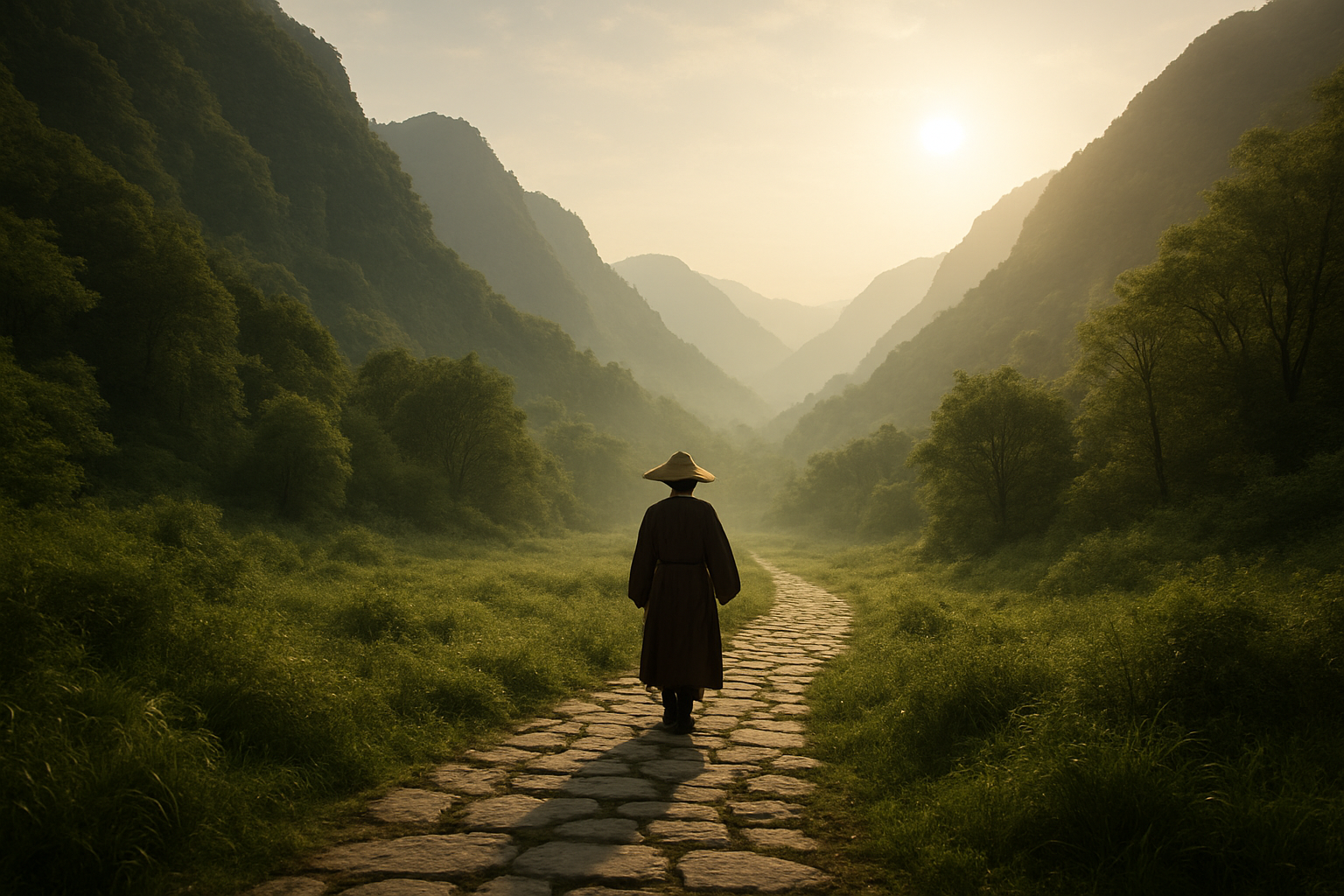
    In the constantly evolving landscape of modernity, there lives a whisper from ancient traditions urging humanity to pause, reflect, and return to its roots. This whisper, for many, takes the form of the Dao – a path of harmony and equilibrium found within oneself and the universe. The ancient concept of the Dao, originating from China, provides a timeless guide for living a life of balance and peace.

    The Origin and Essence of the Dao

    The Dao, often translated as “The Way,” is a cornerstone of Chinese philosophy and is epitomized in texts like the Dao De Jing by Laozi. As Alan Watts, a prolific interpreter of Eastern philosophy, states, “The Dao is like a well: used but never used up. It is like an eternal void: filled with infinite possibilities.”[1](https://www.goodreads.com/quotes/78177-the-dao-that-can-be-told-is-not-the-eternal-dao) This description captures the unquantifiable essence of the Dao – something that can be sensed and followed but never entirely grasped through the intellect alone.

    The Duality of Yin and Yang

    A pivotal element of Daoism is the concept of yin and yang, symbolizing the interconnectedness of opposites. The natural world is a tapestry of seemingly contradictory forces that, in reality, complement and complete each other. The sun and the moon, day and night, ebb and flow – all illustrate the cosmic balance the Dao strives for.

    “The yin-yang balance is essential in understanding the Dao,” writes Chuang Tzu, “for it is the dynamic of life itself, tying its threads into a pattern that is coherent for both the mind and the body.”[2](https://ctext.org/chuang-tzu)

    Walking the Path: Principles of the Dao

    • Wu Wei (Non-Action): At the heart of Daoist practice lies the principle of Wu Wei, often misinterpreted as “do nothing”. In truth, it encourages spontaneous natural action in perfect harmony with the flow of life. The idea is not to force things against their nature but to follow the natural course of events.
    • Simplicity: A return to the essence. In the turbulent sea of the modern age, the Dao champions simplicity as a path to inner tranquility. By decluttering both material possessions and mental preoccupations, individuals transcend superficial complexities.
    • Compassion: The Dao advocates for a profound sense of compassion, not just among humans but extending to all forms of life. This gentle approach encompasses forgiveness, care, and the intrinsic value of every being.

    The Dao and Modern Life

    In contemporary contexts, the principles of the Dao offer transformative insights. In a world overwhelmed by the drive for success and progress, the Dao suggests a return to balance. This is not to denounce achievement but to balance ambition with wellness and mindfulness. By practicing Wu Wei, individuals can reduce stress and enhance creativity as they allow their actions to flow naturally without undue strain.

    “Nature does not hurry, yet everything is accomplished,” Laozi reminds us. This wisdom emphasizes the power of patience and the importance of aligning our personal tempo with the rhythm of the world.[3](https://www.amazon.com/Tao-Te-Ching-Laozi/dp/1982130198)

    Daoist Practices and Spiritual Journeys

    Embarking on a Daoist journey often involves practices such as meditation, Tai Chi, and Qigong. These disciplines enhance the connection between body and spirit, allowing practitioners to tune into the cosmos’s energy flows. Qigong, for instance, entails deliberate breath and movement aimed at cultivating and balancing life force energy or qi.

    In contrast to more rigid religious practices, Daoism offers a personal spiritual exploration tailored to each individual’s needs. It promotes an understanding of the self that integrates rather than segregates emotions and differences, forging a path toward authentic enlightenment.

    Returning to the Source: A Renaissance of the Ancient Path

    As more individuals seek meaning beyond material prosperity, the Dao presents an opportunity to shift perspective and return to the origin. A profound resonance with nature and the cosmos emerges, creating a harmonious existence that transcends temporal concerns.

    The relevance of the Dao in today’s society is evident in the rising interest in the philosophies of mindfulness, sustainability, and global empathy. By embracing these principles, we can collectively journey back to the beginning, rediscovering a path that promises both personal evolution and collective advancement.

    Conclusion

    The journey back to the Dao is not a retreat to the past but rather a forward step into a fuller understanding of the universe. By weaving the principles of Dao into our daily lives, we open up possibilities for personal tranquility and broader societal harmony.

    In the words of the Daoist sage Chuang Tzu, “Forget the years, forget distinctions. Leap into the boundless and make it your home!”[4](https://www.brainyquote.com/quotes/chuang_tzu_387207) It is an invitation not merely to exist within the world, but to belong unequivocally to the realm of the eternal Dao.

  • Walking the Void – A Journey into the Unseen Source

    Walking the Void – A Journey into the Unseen Source

    Walking the Void: A Journey into the Unseen Source

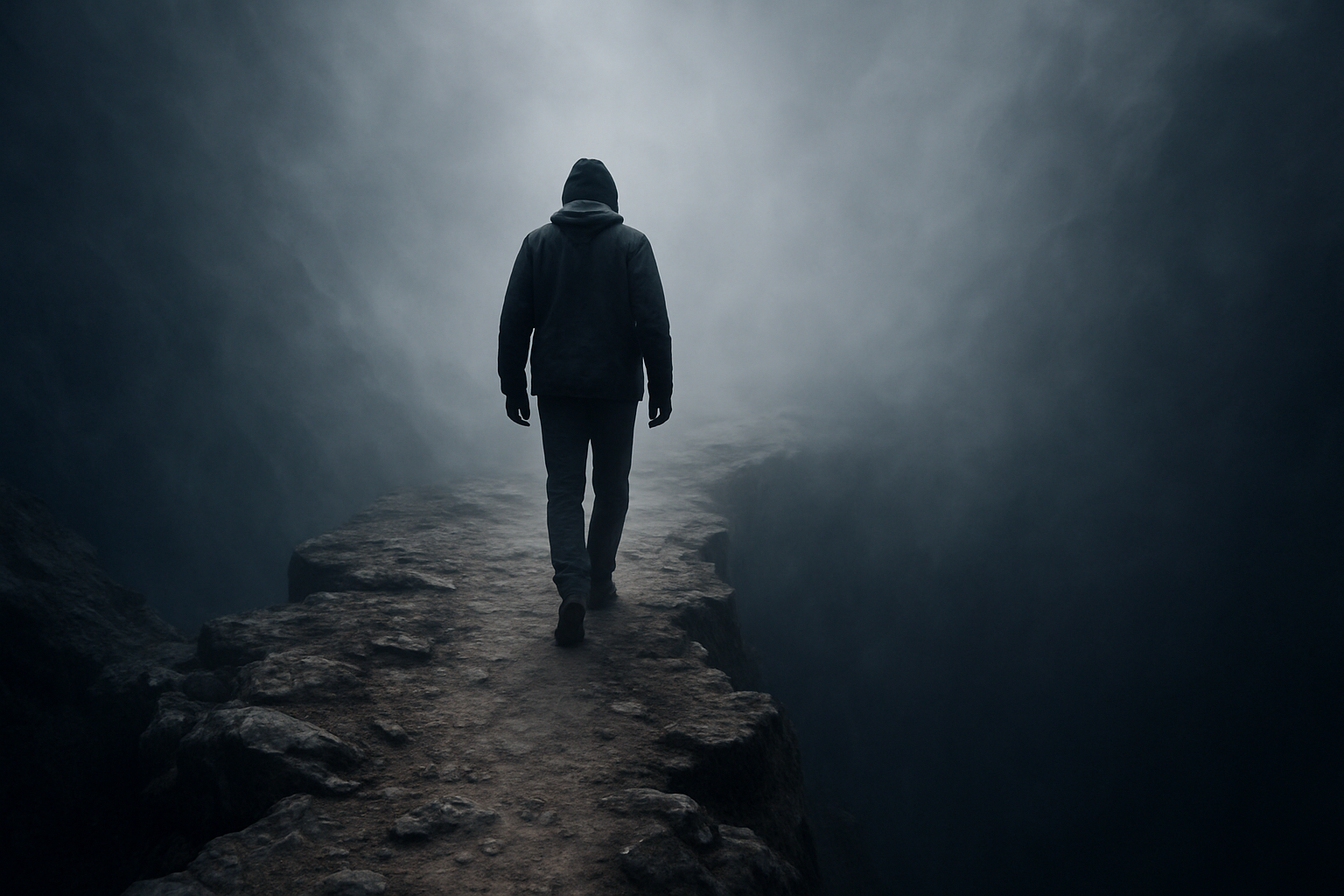
    In a world bustling with noise, light, and ceaseless connectivity, the concept of walking into the void might seem daunting or even absurd. Yet, these avenues into the unseen and unknown have long been the quest for mystics, philosophers, and explorers alike. This journey into the void is not just about physical traversing; it’s about confronting the intangible, the ineffable that lingers at the edges of human understanding.

    Journey Preparation: The Bold Step Forward

    The void—abstract yet present—is not a mere absence but a fertile space of potential. To engage with it is to embark on a path less traveled, marked by introspection and silence. As the Zen philosopher D.T. Suzuki noted, “Emptiness which is conceptually liable to be mistaken for sheer nothingness is in fact the reservoir of infinite possibilities.” This notion invites those daring enough on a journey toward the center of their consciousness and beyond.

    • Understanding the Void: The journey into the void is as much about the absence of distractions as it is about the presence of insight. It asks travelers to seek clarity in spaces vacated by external noise.
    • Embracing Stillness: Perhaps one of the toughest challenges is to embrace stillness—to let go of the ceaseless hustle and find peace in quietude.
    • Confronting the Self: It is a voyage into layers of self-awareness, peeling away societal masks to discover authentic identity.

    The Unseen Source: Discovering Edges of Awareness

    What waits beyond the veil of everyday perception is oftentimes referred to as the unseen source—a fountainhead of inner wisdom and universal truths. Modern spirituality and ancient wisdom traditions both speak to this phenomenon. According to Rumi, the renowned Sufi mystic, “The wound is the place where the Light enters you.” It suggests a perspective where vulnerabilities open pathways to deeper understanding.

    Exploring the unseen source empowers an individual to perceive life in a more integrated, holistic manner.

    • Intuition Over Reason: Tapping into the unseen often involves letting intuition guide one’s footsteps. This transcends logical reasoning, venturing into the realm of the heart and soul.
    • Expanding Consciousness: Recognizing the limits of the visible world and expanding consciousness to include what lies beyond the perceptible.

    The Intersection of Science and Mysticism

    In recent years, there has been an intriguing convergence of scientific inquiry and spiritual exploration concerning the void. Quantum physics, for instance, reveals a reality much stranger and more beautiful than anything conceived by the human imagination. Dr. Michio Kaku mentions in his book “The Future of the Mind”, “In quantum mechanics, nothing is essentially something.” The quantum void, far from being empty, is alive with activity, heralding a reconciliation between ancient mysticism and modern science.

    • The Quantum Mystery: The void in quantum physics could be viewed as a microcosm of the spiritual void, suggesting a space teeming with unseen potentials.
    • Unifying Concepts: Both fields hint at realities interconnected by unseen forces, echoing the mystical perspective of oneness with all things.

    The Personal Path: Charting One’s Own Void

    How one engages with the void is intensely personal and varies widely from individual to individual. Yet, some universal elements guide this exploration:

    • Meditation and Mindfulness: Whether through traditional meditation practices or modern mindfulness techniques, these methods offer structured approaches to exploring the void.
    • Artistic Expression: For some, the void is best navigated through art, music, or writing, as these forms bridge the seen with the unseen.
    • Connection with Nature: Immersing oneself in natural environments often mirrors the vastness and mystery of the void, providing a visceral sense of connection to the source.

    Conclusion: The Unseen Beckons

    Walking the void is as much an inner journey as it is an exploration of the universe’s mysteries. In reaching out into the unseen source, one might discover not just a reflection of the cosmos but a reflection of one’s truest self. Such a path invites courage, creativity, and an open heart—qualities that, once embraced, redefine the boundaries of possibility.

    Ultimately, the journey into the unseen is not a journey toward darkness, but toward the light hidden within it, a compelling path pursued by the curious and the brave alike.

  • The Pilgrim and the Pine – Companions on the Silent Way

    The Pilgrim and the Pine – Companions on the Silent Way

    The Pilgrim and the Pine: Companions on the Silent Way

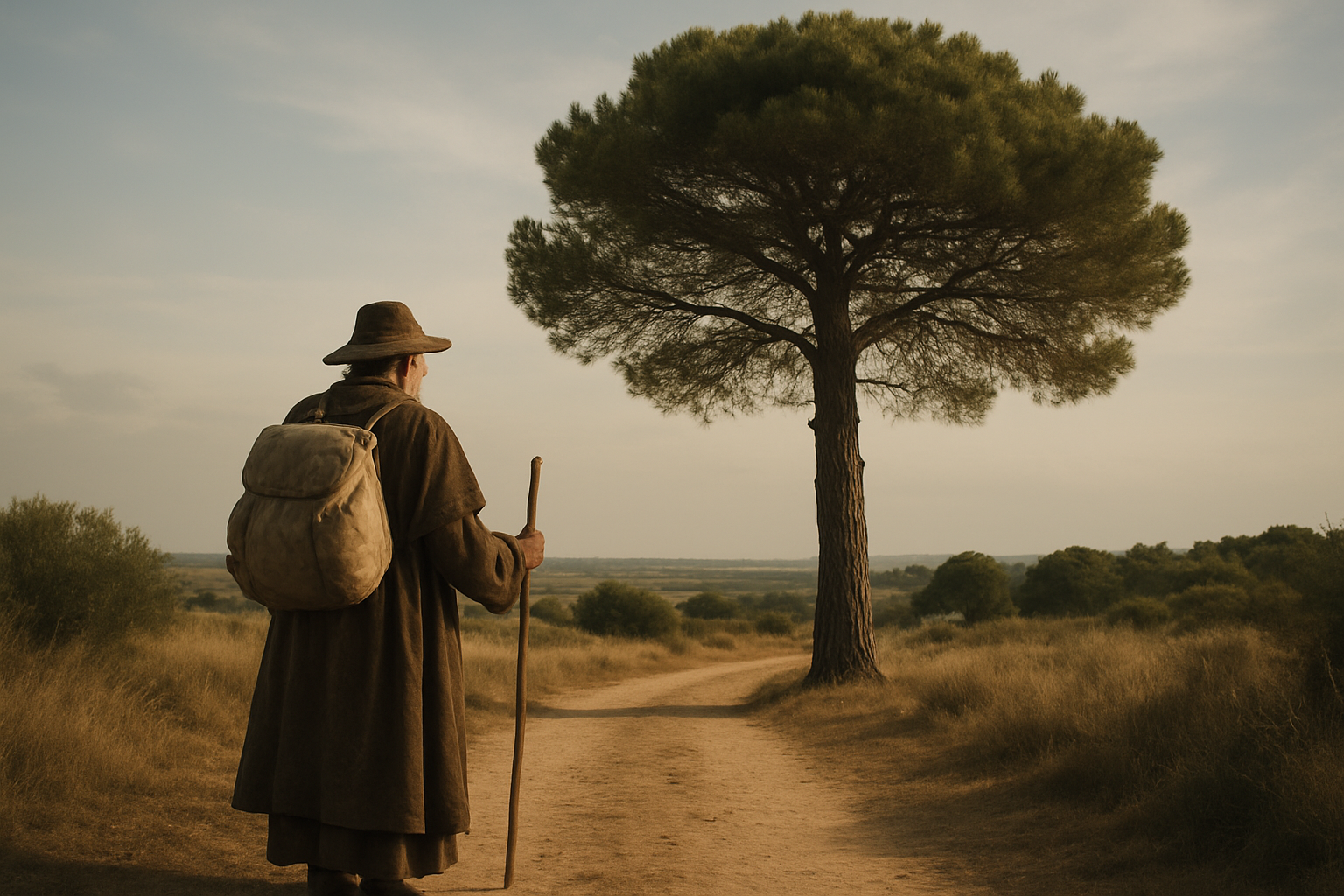
    The journey of life has often been metaphorically described as a road, pathway, or pilgrimage. This metaphor, deeply rooted in diverse cultures and eras, conveys a sense of movement, discovery, and transformation. One notable symbolism in such journeys is the companionship of nature, particularly the companionship between the pilgrim and the pine tree—a steadfast and silent witness to the passing of countless sojourners.

    The Historical Significance of the Pilgrim

    Throughout history, the term pilgrim has been attributed to individuals undertaking journeys with a sacred or spiritual purpose. Perhaps the most iconic of these journeys is the medieval pilgrimage to Santiago de Compostela in Spain, known as the Camino de Santiago or the Way of St. James. Pilgrims, often dressed in simple attire and carrying minimal necessities, would traverse miles across various terrains, discovering not only new landscapes but also new insights into their own spirituality.

    “In an era before air travel or mass transit, a pilgrimage to the sacred site of St. James in Spain could take months or even years, with pilgrims covering up to 15 miles a day through diverse regions spanning from the Pyrenees in France to the Cathedral of Santiago de Compostela.”

    National Geographic

    The Pine: A Symbol of Endurance

    Standing tall and unwavering in the face of time and weather, the pine tree is a powerful symbol of endurance, resilience, and eternal life. In many cultures, pines are revered for their ability to thrive in harsh conditions where few other trees can survive. Their deep roots and evergreen nature are often seen as representations of stability and perseverance.

    For pilgrims, pines provide not only shade and shelter but also represent continuity through the ages. These trees, silent yet ever-present, stand along pathways used for centuries, watching as travelers pass by, each with their own stories and aims.

    The Silent Way: Pilgrimage Paths Among Pines

    Nature trails and pilgrimage routes often intersect, populated by these stoic trees. In locales like Japan, pilgrims walking the Kumano Kodo trail find themselves immersed in lush pine forests. Similarly, walkers on the Camino de Santiago often traverse through stretches lined with ancient pines, offering companionship and a sense of timelessness.

    • Kumano Kodo, Japan: Known for its spiritual significance and stunning landscapes, this ancient network of trails has been an integral part of the Shinto and Buddhist religious traditions. Pilgrims often speak of the serene presence of pines—alive with tranquility and meditative grace.
    • Camino de Santiago, Spain: Infused with both regional folklore and religious fervor, this pilgrimage route sees a plethora of trees, particularly in regions such as Galicia, where writings of past pilgrims often detail the spiritual calm these trees impart.

    The Metaphor of Companionship

    The relation between the pilgrim and the pine is emblematic, each reflecting the virtues of the other. The pilgrim is transient, navigating through the challenges and joys of the journey, while the pine remains constant, embodying strength and fidelity. As companions on the silent way, they encapsulate the journey of the soul through the world—a journey marked by moments of stillness and moments of movement.

    In literature and poetry, this companionship is well-documented. The writings of Basho, the famed Edo-period Japanese poet, often evoke the image of pines as companions to wanderers. In his haiku, a pine stands as a witness to the brief yet poignant moments experienced during a journey:

    “Lonely on the road,
    hearing the wind in the pines,
    Pilgrim’s heart laid bare.”
    — Matsuo Basho

    Lessons from the Journey

    In the modern world, where rapid progress often eclipses moments of reflection, the image of the pilgrim and the pine serves as a poignant reminder of the need for stillness and introspection. Here are some enduring lessons their companionship imparts:

    • Resilience and Adaptability: Just as pines adapt to their surroundings, retaining their greenery through all seasons, pilgrims learn to adapt to the unpredictability of their journeys.
    • Patience and Endurance: A pilgrim’s journey is not merely about reaching a destination but the patience required to appreciate the path itself, mirrored by the slow, steady growth of the pine.
    • Introspection and Communal Bond: Solitude on pilgrimage encourages introspection, while the presence of pines offers a silent but significant connection to the natural world around.

    Conclusion: The Eternal Way

    The ongoing journey of life is a testament to the timeless relationship between travelers and the natural world. The pilgrim and the pine represent a bond unbroken by time—a quiet partnership that transcends the individual experiences of countless souls who have walked the silent way.

    As our lives become increasingly hectic, these silent companions remind us of the beauty found in slowing down and embracing the wisdom of nature. Whether on a physical trail or a metaphorical path, the companionship of a steadfast pine will always offer guidance and friendship to those who seek it.

  • The Eternal Road – Where Pilgrimage Never Ends

    The Eternal Road – Where Pilgrimage Never Ends

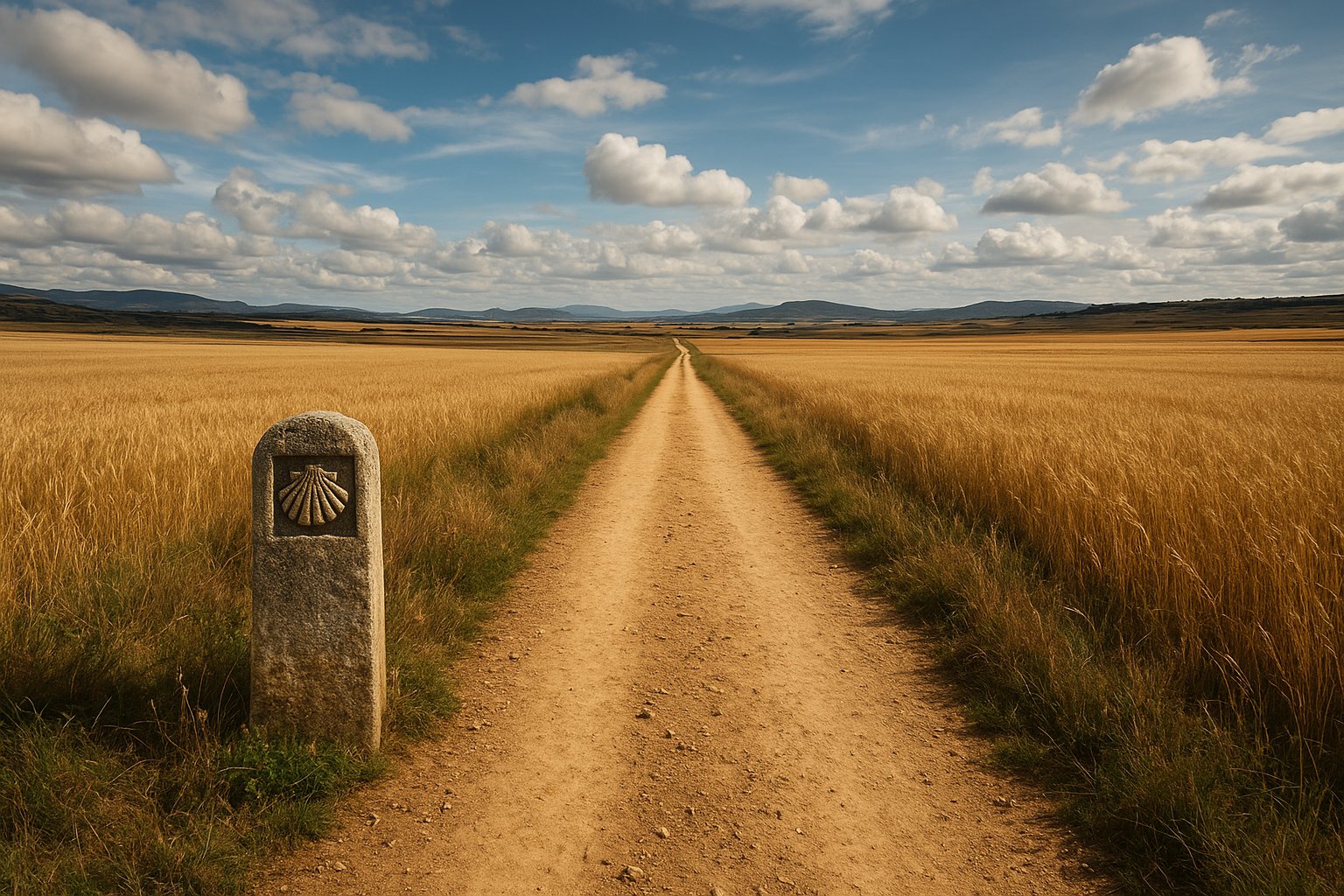
    In an age where destinations are often hyped for their novelty rather than their significance, there remains a timeless journey that transcends mere travel. The pilgrimage, an ancient practice of seeking spiritual depth, echoes through the annals of time, showcasing the eternal road where the journey itself is as consequential as the destination.

    “For the born traveler, traveling is a besetting vice. Like other vices, it is imperious, demanding its victim’s time, money, energy, and the sacrifice of comfort.” – Aldous Huxley

    Pilgrimages have been an integral part of human culture for millennia, woven deeply into the tapestry of numerous religions and traditions. From the Camino de Santiago in Spain to the Hajj in Saudi Arabia, these journeys are deeply rooted in cultural heritage, offering not just physical challenges but also profound spiritual awakenings.

    Walking into the Unknown

    The premise of a pilgrimage is simple yet profound: leave behind familiarity and comfort to embark on a path towards spiritual growth and enlightenment. The winding trails, be they through verdant landscapes or desolate deserts, provide pilgrims the solitude and reflection needed to connect with the divine. As Ralph Waldo Emerson wisely noted, “Do not follow where the path may lead. Go instead where there is no path and leave a trail.”

    • The Camino de Santiago: Stretching over 500 miles across Spain, this pilgrimage is a test of endurance and spirit. Pilgrims traverse the enchanting landscapes of Galicia, pausing ever so often to reflect upon the rich history and spirituality that marks each step.
    • The Hajj: A journey that draws millions every year to the holy city of Mecca, fulfilling one of the Five Pillars of Islam. This pilgrimage is emblematic of unity and devotion, exemplifying the collective journey of people from diverse backgrounds in a shared quest for divine closeness.

    The Journey Continues

    The beauty of the pilgrimage lies not just in reaching the destination but in the journey itself. National Geographic describes these journeys as “transformative experiences,” where the path walked matters more deeply than the end itself.

    In modern times, pilgrimages continue to evolve, welcoming those of all faiths and backgrounds, drawn to the journey for its promise of self-discovery, the challenge of personal limits, or the simple joy of wandering. Regardless of the destination, the road remains eternal, etched in the spirit of those who dare to tread upon it, constantly reminding us that in the search for meaning, it’s the journey that truly matters.

  • The Traveler’s Rest – Stillness in the Midst of Motion

    The Traveler’s Rest – Stillness in the Midst of Motion

    In a world that is constantly on the move, finding moments of stillness has become a rare luxury. The traveler’s life, marked by endless journeys and ever-changing plans, can quickly become overwhelming. Yet, within this whirlwind of activity, there exists a profound opportunity: discovering stillness amidst motion. This balance is not only achievable but essential for the mindful traveler.

    The Art of Stillness

    “Sometimes the most productive thing you can do is relax,” said Mark Black, a motivational speaker and author. For travelers, embracing moments of stillness is about more than just taking breaks; it’s about cultivating a space within oneself that remains tranquil and centered regardless of external circumstances.

    “It’s not about being still in the physical sense, but rather about finding that stillness mentally and spiritually,” notes Pico Iyer, a renowned travel writer. In his piece for the New York Times, he discusses how embracing stillness enriches the travel experience, allowing individuals to reflect and rejuvenate.

    Mindful Practices for Travelers

    Incorporating mindfulness into your travel routine can help maintain an inner calm. Here are a few practices to consider:

    • Meditative Breaks: Dedicate a few minutes each day to meditation, whether it’s a deep breathing session or guided meditation. Apps like Headspace and Calm offer useful resources for travelers.
    • Journaling: Keep a travel journal where you pen down your thoughts and experiences. This practice not only documents your journey but also serves as a reflective exercise.
    • Digital Detox: Allocate specific times to disconnect from digital devices. Use this time to observe your surroundings, engage with local culture, or simply relax.

    Creating and Finding Restful Spaces

    Finding a haven of peace is crucial, especially for those constantly on the go. Whether it’s a serene café, a quiet corner in a bustling city, or the tranquility of nature, restful spaces recharge and inspire.

    • A Taste of Local Life: Visiting local markets or attending community events can provide a unique perspective and a sense of connectedness.
    • Parks and Open Spaces: Natural settings, even within urban environments, offer respite from travel hustle. Parks, gardens, and riverside walks can be particularly rejuvenating.
    • Silent Retreats: Consider joining a short retreat or workshop focused on wellness and mindfulness. These experiences offer structured environments tailored to cultivating inner peace.

    The Traveler’s Journey Within

    The external journey through different landscapes and cultures becomes more meaningful when complemented by an internal journey. Author and philosopher Lao Tzu famously said, “A journey of a thousand miles begins with a single step.” This metaphorical journey towards inner stillness accompanies the traveler always, adding depth to their adventures.

    “Travel far enough, you meet yourself,” states David Mitchell in his novel Cloud Atlas. The notion underscores that as travelers venture into the world, they also delve within, encountering aspects of their identity in novel circumstances.

    Conclusion

    In the constant motion of travel, finding stillness may seem counterintuitive, yet it is this stillness that bestows clarity and mindfulness. The traveler’s rest is an invitation to pause, reflect, and absorb the richness of their experiences. As you plan your next journey, consider not just the destinations on a map, but also how you can cultivate spaces of inner tranquility along the way. These moments of rest will not only enhance your travels but also nourish your soul.

  • The Water Path – Following Life’s Gentle Descent

    The Water Path – Following Life’s Gentle Descent

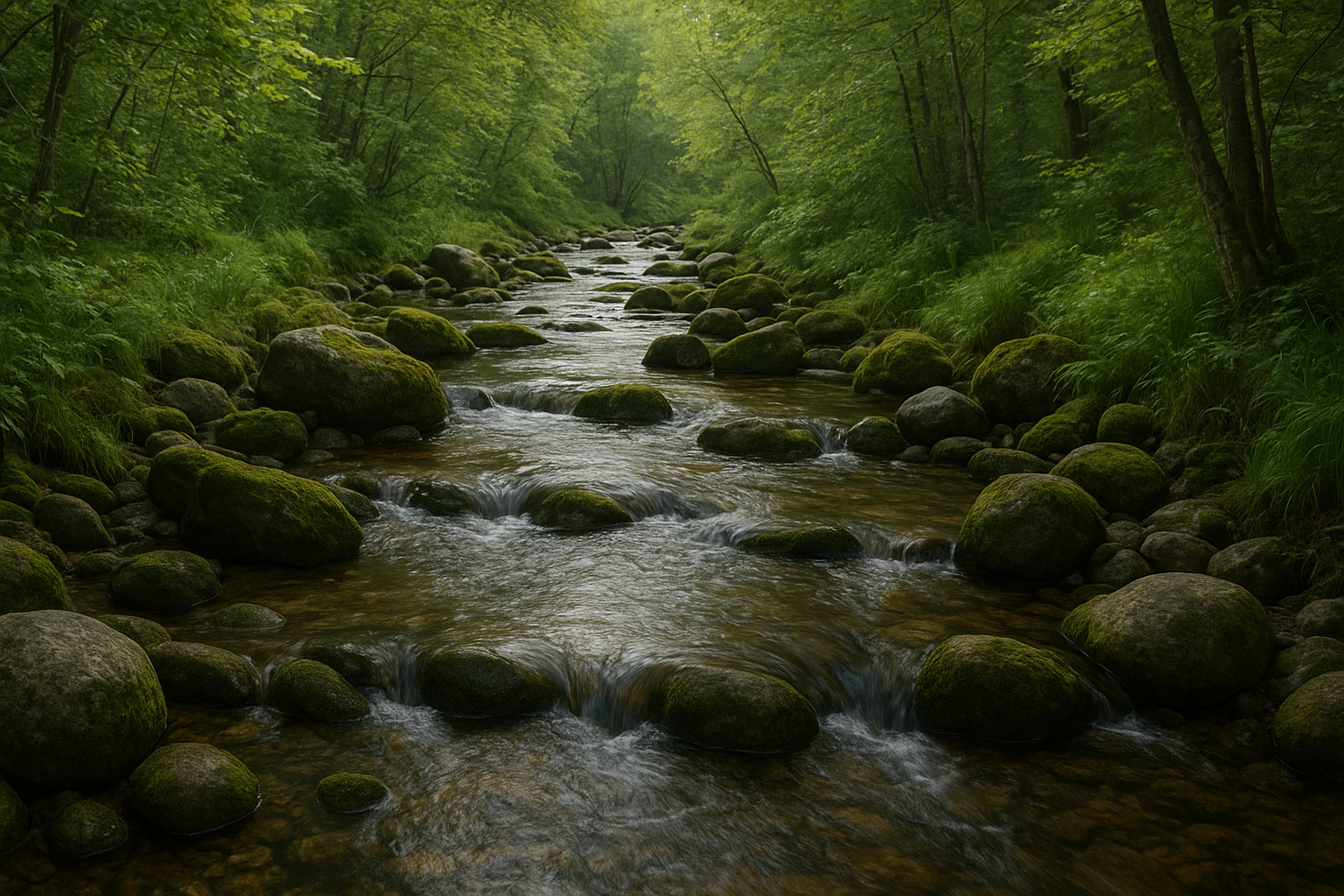
    In the realm of natural phenomena, water stands as an unparalleled guide, shaping the terrain, life, and ecosystems with its gentle yet persistent flow. This elemental force follows gravity’s pull, carving valleys, nurturing life, and etching its story over eons. The water path is a journey marked by fluidity and adaptability, offering insights into resilience and interconnection. This article delves into the profound journey of water from source to sea, illustrating its vital role in sustaining life and shaping our planet.

    The Beginning: Mountain Rivulets to Mighty Rivers

    Water begins its terrestrial journey high in the mountains, often as snow or rain. Melting snowpacks and rainfall feed the initial threads of streams and rivulets. These small channels unite, forming the headwaters of mighty rivers. In each drop, a story of eroded rock, transported sediment, and dissolved minerals begins. According to the U.S. Geological Survey, “rivers and streams are dynamic, evolving systems that play a key role in shaping the landscape.”

    Energy and Erosion

    As water gains momentum, it harnesses kinetic energy, scouring and shaping the landscape. This dynamic interaction is responsible for creating dramatic canyons and fertile valleys. The Grand Canyon, formed over millions of years by the Colorado River, serves as a stunning testament to water’s power to sculpt the earth.

    Annie Dillard writes, “Rivers run through us in a way that carries life from its source to its outlet, linking each breath to creation itself.”

    Maturation: Sustaining Life, Bridging Worlds

    Descended from the highlands, rivers traverse plains and forests, becoming lifelines for ecosystems and human communities alike. The nurturing role of rivers is multifaceted, as they provide water for drinking, agriculture, and industry while supporting a rich diversity of life along their banks.

    Biodiversity Hubs

    Rivers are biodiversity hubs, teeming with life. They provide critical habitats for fish, amphibians, birds, and countless other species. The Amazon River basin, for example, is home to approximately 10% of the known species on Earth. This richness highlights the importance of conserving freshwater ecosystems to maintain global biodiversity.

    • Fish Migration: Rivers are crucial for migratory fish like salmon, which return from the ocean to freshwater to spawn.
    • Wetland Support: Floodplains and wetlands along riverbanks offer haven for aquatic plants and animals, storing excess water and moderating floods.
    • Human Communities: Towns and cities historically emerged along rivers, thriving on their resources and connectivity.

    The End: Oceans, the Ultimate Reservoir

    The water path culminates in the oceans, where rivers meet the sea. Oceans cover approximately 71% of the Earth’s surface and serve as massive reservoirs of water, heat, and carbon dioxide. Rivers not only bring fresh water to the oceans but also deliver nutrients and sediments that are vital for marine life.

    Deltas: Fertile Meeting Grounds

    At the river’s mouth, deltas form, shaped by the gentle deposition of sediments carried over long distances. These fertile regions are some of the most productive ecosystems on the planet, supporting both marine and terrestrial species.

    “The delta is the water’s résumé,” wrote Michael Forsberg, “a living testimony to a river’s journey from mountains to sea.”

    Challenges Along the Water Path

    As we follow the water path, it’s clear that this journey is not without challenges. Climate change, pollution, and human intervention threaten the intricate balance of aquatic ecosystems, impacting their ability to sustain life.

    Climate Change and Altered Cycles

    Climate change alters precipitation patterns, increases droughts and floods, and raises sea levels, disrupting the delicate flow of water. According to the Intergovernmental Panel on Climate Change (IPCC), “Climate change will exacerbate current hazards and introduce new risks for natural and human systems.”

    Pollution: An Obstructed Path

    Water pollution from agricultural runoff, industrial waste, and plastic debris clog the water path, endangering aquatic life and human health. Addressing pollution requires multinational cooperation and stringent environmental regulations.

    Human Alterations and Their Impacts

    Dam building, water diversion for irrigation, and urban development alter natural watercourses, often with unforeseen consequences. These interventions can lead to habitat loss and changes in the ecological balance.

    Conclusions: Embracing Water’s Wisdom

    The journey of water from mountain peak to ocean deep is a profound metaphor for resilience and interconnectedness. Observing water’s path encourages us to appreciate the delicate balance sustained by this life-giving resource and the need to protect it. We are reminded by John Steinbeck, who poignantly said, “The water flowing in streams is life itself flowing, uncontrollable and integral to the fabric of existence.”

    In crafting sustainable futures, understanding and respecting the water path is imperative. By embracing the wisdom of water, we can forge a deeper connection with the natural world and ensure that life’s gentle descent is preserved for generations to come.


  • The Mountain Within – Climbing Toward Inner Stillness

    The Mountain Within – Climbing Toward Inner Stillness

    The Mountain Within: Climbing Toward Inner Stillness

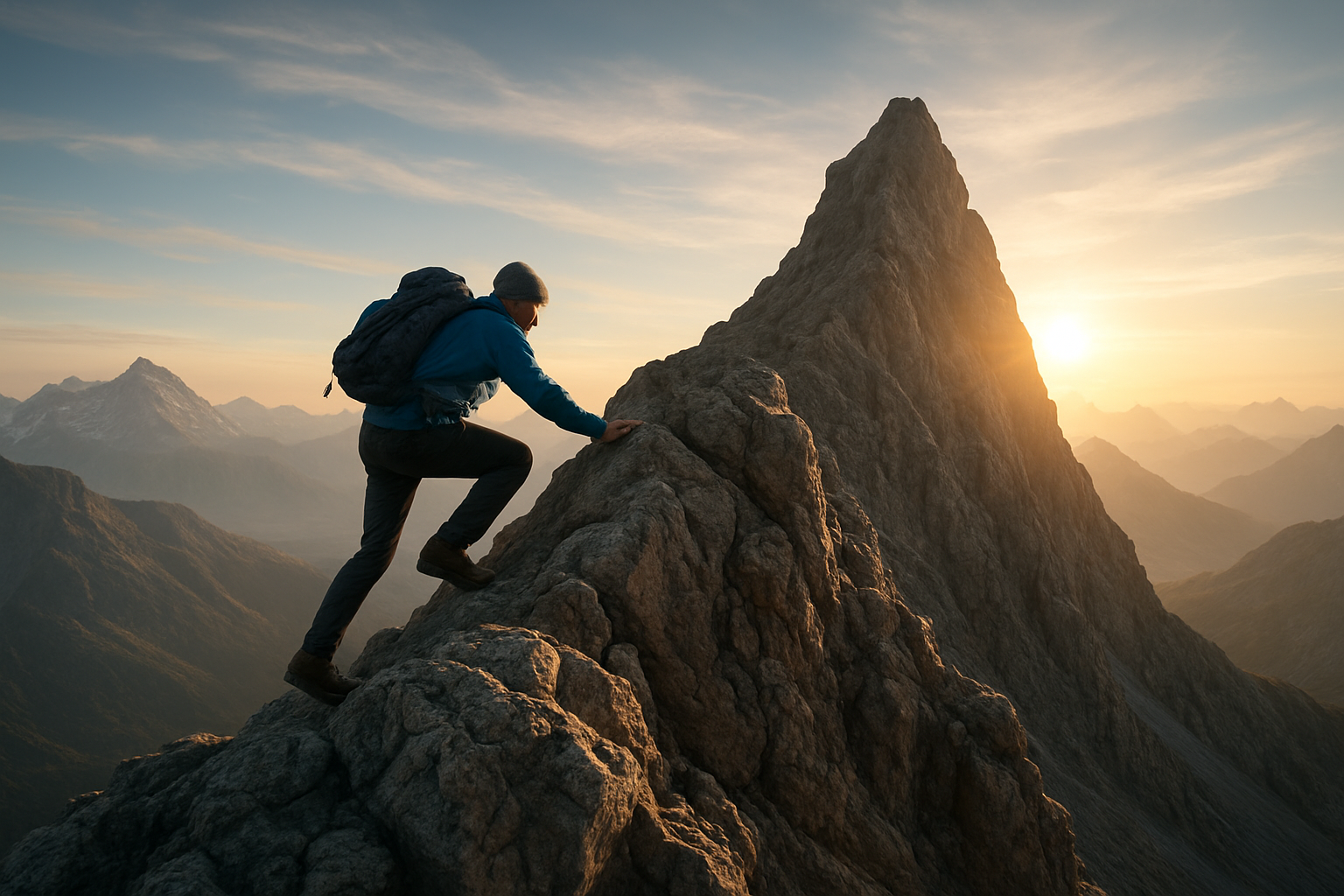
    In a world dominated by noise and relentless pace, the quest for inner stillness remains a pursuit as compelling as summiting the highest peaks. Those who have experienced the transformative power of climbing a mountain often draw parallels between this physical journey and the spiritual exploration of finding peace within. In both paths, the aim is discovery—of the world, yes, but more profoundly, of oneself.

    The Call of the Mountains

    The allure of mountains is timeless and universal, pulling adventurers and spiritual seekers alike toward their lofty summits. As John Muir, the renowned naturalist, famously said,

    “The mountains are calling, and I must go.”

    His words capture the irresistible pull of these majestic landscapes, representing both an outward journey into nature and an inward journey toward self-discovery.

    • Challenge and Growth: The physical challenges posed by mountains can reflect the hurdles one faces on their inner journey. The patience, resilience, and courage developed while navigating treacherous terrain are the same traits necessary for cultivating inner peace.
    • Perspective and Clarity: Standing atop a mountain affords a view that stretches beyond the horizon, offering clarity and perspective. Similarly, climbing the metaphorical mountain within allows individuals to rise above the chaos of daily life, gaining insight and understanding.
    • Solitude and Reflection: Time spent in the mountains is often characterized by solitude, which provides a fertile ground for reflection and introspection. Such environments encourage mindfulness and help individuals connect with their innermost selves.

    Steps to Climb the Inner Mountain

    While the ascent of actual peaks requires physical preparation and equipment, climbing the mountain within demands a different toolkit. These are the steps that can expedite the journey toward inner stillness:

    Cultivating Mindfulness

    Mindfulness is the practice of being present in the moment, a skill essential for both physical and spiritual climbing. According to Psychology Today, “Mindfulness is a state of active, open attention to the present.” It allows individuals to embrace their thoughts and feelings without judgment, fostering a sense of inner calm.

    Embracing Silence

    Amidst the frenetic pace of modern life, silence is a rare commodity. Yet, it is in silence that inner stillness can be truly cultivated. As Paul Tillich wisely put it,

    “The first duty of love is to listen.”

    Embracing silence creates the space to listen to oneself deeply.

    Practicing Gratitude

    • Keeping a gratitude journal can shift focus from anxiety to appreciation, fostering a more peaceful internal environment.
    • Gratitude enables individuals to accept and learn from their life experiences, akin to reaching one peak before moving toward another.

    The Role of Nature in Finding Inner Stillness

    Nature is a profound teacher in the quest for peace. The therapeutic effects of spending time in natural settings are well-documented, providing a crucial backdrop for inner exploration. An article from Frontiers in Psychology highlights how “exposure to natural environments has been associated with a range of benefits, including improved mood and reduced stress levels.”

    Moreover, the patterns and cycles of nature offer wisdom for those looking inward. The rhythmic ebb and flow of the tides, the quiet yet powerful growth of trees, and the patient erosion of mountains all teach lessons of perseverance, patience, and tranquility.

    Conclusion: The Summit of Inner Peace

    Whether scaling physical mountains or navigating the inner landscape of the mind, the journey toward stillness is one of the most rewarding endeavors one can undertake. By cultivating mindfulness, embracing silence, and drawing inspiration from the natural world, individuals can reach new heights within themselves. As we climb the mountains that stand before us—both literal and metaphorical—may we find the peace and clarity that come from standing at the summit.

    Embrace the journey, and discover the mountain within.

  • One Step, Infinite Journey – The Zen of Every Movement

    One Step, Infinite Journey – The Zen of Every Movement

    One Step, Infinite Journey – The Zen of Every Movement

    One Step, Infinite Journey – The Zen of Every Movement

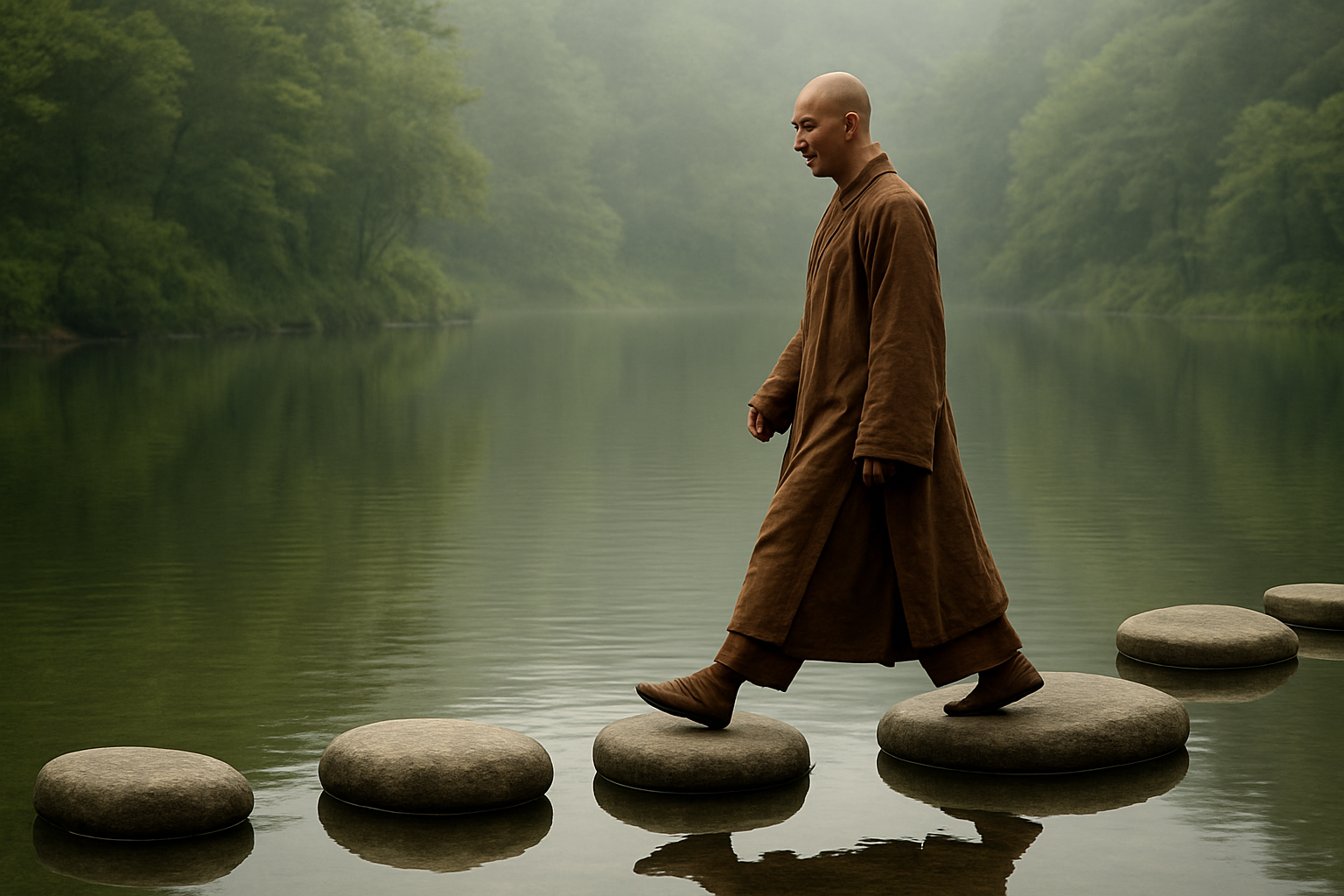
    The essence of Zen often defies logical reasoning and verbal explanation, yet it profoundly permeates every movement and breath. In the words of Zen master Thich Nhat Hanh, “Walk as if you are kissing the Earth with your feet.” This simple act of walking, seen through the Zen lens, transforms into a profound journey of enlightenment.

    The Philosophy of Zen in Everyday Life

    Zen Buddhism emphasizes mindfulness and experiencing the present moment without distraction. It invites us to engage fully with every task and step we take. In this practice, every movement becomes purposeful and sacred, encapsulating the infinite possibilities within the framework of the here and now.

    “Life is available only in the present moment. If you abandon the present moment, you cannot live the moments of your daily life deeply.” — Thich Nhat Hanh

    The Journey Begins with a Single Step

    In the Zen practice of walking meditation or kinhin, practitioners focus intensely on the act of walking. Each step becomes an expression of concentration and mindfulness. The rhythm of walking aligns with breathing, creating a state of unified awareness between body and mind. This practice illustrates the Zen teaching that the journey’s essence is to reside wholly in each action, however simple it may seem.

    The Infinite Potential of Every Step

    In his work The Way of Zen, Alan Watts elucidates, “The journey of a thousand miles begins with a single step.” This Zen-inspired wisdom highlights not just the beginning of any journey but emphasizes the value found in each individual step. Within that moment, the universe unfolds with endless potential, as each step is both complete in itself and a part of a broader continuum.

    Modern Applications of Zen Movement

    In today’s fast-paced world, mindfulness practices including Zen movements, offer an antidote to stress and distraction. Whether it’s through yoga, tai chi, or simple walking meditations, integrating mindful movement into daily routines can foster deeper awareness and relaxation.

    • Yoga: With its foundation in mindfulness and breath, yoga offers a path to integrate physical movement with Zen principles, enhancing physical and mental well-being.
    • Tai Chi: This gentle martial art, often described as “meditation in motion,” draws heavily on Zen concepts to cultivate balance, awareness, and inner peace.
    • Mindful Walking: Practiced anywhere, mindful walking allows individuals to harness the Zen power of each step, promoting clarity and groundedness.

    Embracing the Zen of Movement in Daily Life

    The teachings of Zen remind us that life’s most transformative experiences occur within the simplicity of everyday actions. It’s essential to cultivate an awareness that respects each moment as a contributing factor to the journey of life. As we embrace the Zen of every movement, each step—each breath—becomes more than mere actions; they are extensions of our inner essence reaching out to connect harmoniously with the world around us.

    In conclusion, the Zen of every movement teaches us to savor life’s journey, explore the infinite potential of each moment, and approach every step with mindfulness and intention. In doing so, both our bodies and spirits are nourished by the present, allowing us to walk our path with greater wisdom and peace.

  • Unfolding Path – How Travel Mirrors Inner Transformation

    Unfolding Path – How Travel Mirrors Inner Transformation

    The open road has long been a muse for transformation and self-discovery. As we traverse new landscapes, the journey often reflects an inner metamorphosis, where each step taken in the outer world echoes a stride within. Whether it’s navigating bustling cities or serene countrysides, the experience of travel holds a mirror to our internal landscapes, revealing truths and sparking change.

    The Call to Adventure

    Joseph Campbell’s monomyth, or “The Hero’s Journey,” aptly describes travel as a call to adventure—a crucial step that ignites the transformative process. Campbell writes,

    “A hero ventures forth from the world of common day into a region of supernatural wonder: fabulous forces are there encountered and a decisive victory is won: the hero comes back from this mysterious adventure with the power to bestow boons on his fellow man.”

    As travelers, we become heroes of our own stories, answering the call and facing the unknown.

    Embracing the Unknown

    Travel thrusts us into situations that demand adaptability and courage. The uncertainty of a new destination mirrors life’s inherent unpredictability, forcing us to relinquish control and embrace spontaneity. An unplanned detour or a missed train becomes an opportunity to practice patience and resilience. As we overcome obstacles, we gain confidence in our ability to navigate life’s uncertainties.

    Reflection and Growth

    Each destination serves as a canvas for reflection. When removed from familiar environments, we gain perspective on our lives, fostering introspection. The act of travel slows our perception of time, granting us the space to consider our values and aspirations more deeply. As we witness diverse cultures and hear varied stories, our worldview expands, reshaping our understanding of not only others but ourselves.

    The Return Home

    Upon returning home, the traveler is invariably changed. New experiences alter perception, allowing us to return to our daily lives with fresh insights. As John Steinbeck once noted, “People don’t take trips, trips take people.” The journey imprints itself on our psyche, leaving us with lessons and memories that enrich our lives long after the suitcases are unpacked.

    Conclusion

    In the end, travel is more than just a physical voyage; it’s an odyssey of the soul. Every journey undertakes a symbiotic dance, where outer explorations mirror inner quests. As we traverse new horizons, we unravel layers of our own identity, ultimately emerging as more complete versions of ourselves. The path may be winding and the destination unclear, but therein lies the beauty of both travel and transformation.

    For a deeper exploration into the transformative power of travel, consider reading more about The Hero’s Journey by Joseph Campbell and other insights by notable thinkers.

  • Walking the Wayless – The Zen Art of Directionless Journey

    Walking the Wayless – The Zen Art of Directionless Journey

    Walking the Wayless: The Zen Art of Directionless Journey

    In the bustling age of technology and constant connectivity, the idea of setting out on a journey without a clear destination might seem bewildering. However, the ancient Zen philosophy of “Walking the Wayless” offers profound insights into finding peacefulness and self-discovery simply by wandering. This approach encourages individuals to embrace spontaneity and live in the moment, breaking away from routines and expectations.

    The Philosophy Behind Wayless Walking

    Zen Buddhism places a significant emphasis on mindfulness and presence. At its core, the philosophy teaches that the journey is as important as the destination. According to Zen Master Shunryu Suzuki, “In the beginner’s mind, there are many possibilities; in the expert’s mind, there are few.” The act of walking aimlessly allows practitioners to maintain a beginner’s mindset, facilitating openness to new experiences and insights.

    The practice of walking without a set destination is more than just a physical activity; it is a form of meditation. Disengaging from goal-oriented travel fosters a heightened state of awareness and appreciation for the present moment. As Lao Tzu eloquently stated, “A good traveler has no fixed plans, and is not intent on arriving.”

    Embracing the Unknown

    Walking the wayless requires letting go of control and embracing uncertainty. This can be particularly challenging for those accustomed to structured schedules and plans. However, it is precisely this release of control that permits personal growth and self-discovery. When the mind ceases to fixate on a destination, it opens itself to the beauty and tranquility of the surroundings.

    In their book The Art of Travel, philosopher Alain de Botton discusses the profound impact of traveling with an open mind. He writes, “Journeys are the midwives of thought. Few places are more conducive to internal conversations than a moving plane, ship or train.” Walking without a purpose elevates this concept to a spiritual level, where the simplicity of each step becomes enlightening.

    Practical Steps for Practicing Wayless Walking

    • Leave the Map Behind: To truly experience the benefits of the wayless walk, avoid carrying maps or using GPS devices. Instead, let intuition and curiosity guide your path.
    • Embrace Mindfulness: Focus on your breath, the rhythm of your steps, and the sensations you experience. Observe your surroundings with fresh eyes and an open heart.
    • Be Open to Encounters: Engage with people, nature, and unexpected events along the way. Every encounter holds a potential lesson or insight.
    • Reflect on the Journey: Upon returning, take time to reflect on the journey. What did you learn? How did it feel to relinquish control?

    The Modern Application of Wayless Walking

    In today’s fast-paced world, adopting the practice of wandering without direction can be deeply transformative. The practice not only breaks the monotony of everyday life but also stimulates creativity and problem-solving. According to Psychology Today, walking enhances cognitive function and stimulates neural connectivity, thereby boosting creative thinking.

    While traditionally rooted in Zen practice, this art of walking can be incorporated into modern-day lifestyles. Whether in an urban setting or amidst nature, dedicating time to wander waylessly can help one reconnect with themselves and the world around them.

    Concluding Thoughts

    “Walking the wayless” invites individuals to experience the world without preconceived notions. It is a gentle reminder of impermanence, fostering humility and gratitude for the present. As writer Rebecca Solnit elegantly puts it, “How will you go about finding that thing the nature of which is totally unknown to you?” The answer lies in embracing the journey itself, one step at a time.

    Embracing the Zen art of directionless journey provides timeless wisdom in an era demanding constant progress and tangible success. By surrendering to the path less traveled—or perhaps not traveled at all—so much more of the world opens itself to those willing to walk the wayless.