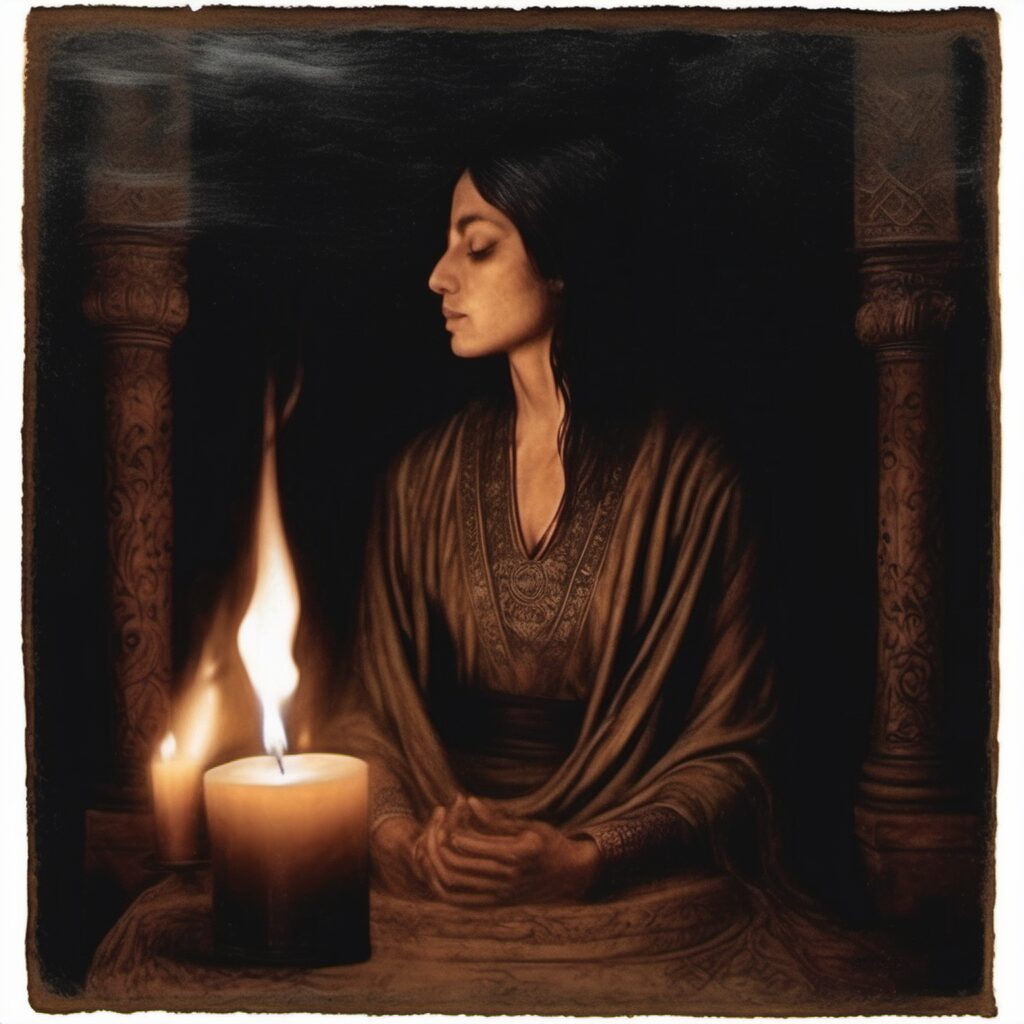
Anima and Animus – Balancing the internal masculine and feminine
In the realm of Carl Jung’s analytical psychology, the concepts of Anima and Animus hold a significant place. These psychological archetypes represent the unconscious aspects of the personality which have a contrasting gender to one’s own. This intriguing theory sheds light on the importance of balancing the internal masculine and feminine within individuals.
“The anima is the female part of the unconscious, as the animus is its male counterpart.” – Carl G. Jung
Understanding Anima and Animus
- Anima: The feminine archetype in a man’s psyche, symbolizing the nurturing, emotional, and intuitive aspects. This inner woman can also be seen as a source of guidance and inspiration.
- Animus: The masculine archetype in a woman’s psyche, representing logic, assertiveness, and rational thinking. It serves as a driving force for action and self-assertion.
The Need for Balance
When either the Anima or Animus is overdeveloped or undeveloped, it can lead to psychological imbalances. A man dominated by his Anima may become overly emotional and indecisive, while a woman dominated by her Animus may appear cold and detached from her emotions. Finding harmony between these two aspects allows for the development of a well-rounded personality.
“The greatest and most important problems of life are fundamentally insoluble. They must be faced every day, and one can only attempt to deal with them in the same way as one eats and drinks and makes love…. One advances through continual seizures of anxiety or fear.” – Carl G. Jung
Exploring Anima and Animus in Contemporary Culture
Understanding the role of Anima and Animus has proven valuable for personal growth, self-understanding, and relationships in modern times. This psychological theory continues to intrigue psychologists, authors, and philosophers alike, offering insights into the complexities of human nature.