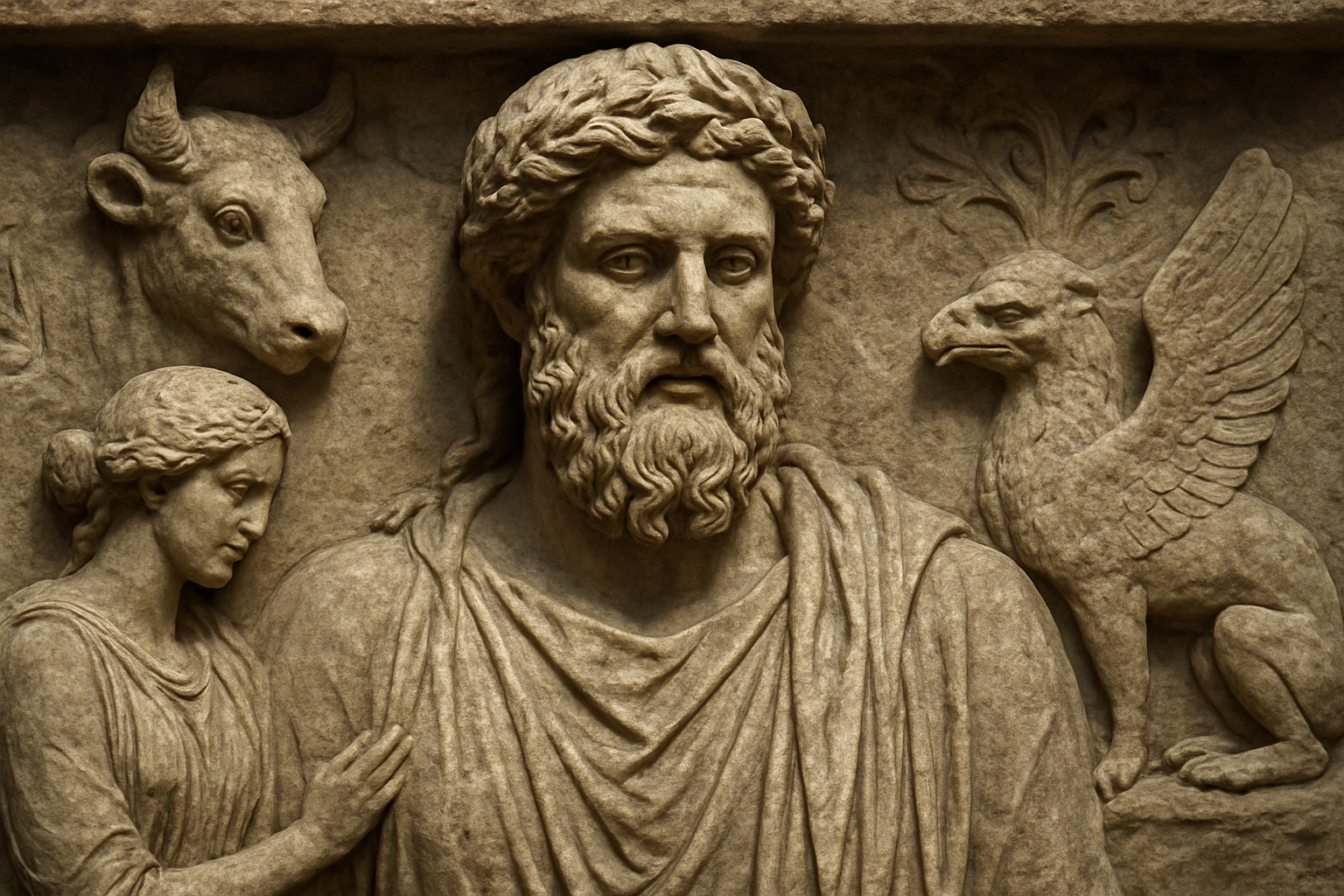
Myth as Emotional Infrastructure: The Hidden Architecture of Culture
In the tapestry of human culture, myths are the golden threads that weave together our shared understanding, beliefs, and values. Often dismissed as mere fairy tales or relics of past civilizations, myths are, in fact, the emotional infrastructure upon which societies build their beliefs, ethics, and philosophies. This article explores the essential role that myths play in shaping cultural narratives and sustaining the emotional and moral architecture of human communities.
The Timelessness of Myth
Myths are not just stories; they are a crucial part of the human experience. Joseph Campbell, a prominent mythologist, once noted, “Myths are public dreams, dreams are private myths.” Myths serve as a vehicle for conveying profound truths and universal experiences. They transcend time, offering insights not only into past civilizations but also into contemporary society.
“Every society needs a myth to live by, to anchor its identity in the chaos of the universe.” – Mircea Eliade
The power of myth lies in its ability to resonate with fundamental aspects of the human experience—identity, purpose, morality, and mortality. As a cultural touchstone, myths provide a collective narrative that helps individuals make sense of their personal and communal existence.
Myths as Emotional Infrastructure: Understanding the Architecture
Myths function as emotional infrastructure by providing a shared framework for understanding the world. They are the hidden architecture that supports the weight of cultural values and morals. Here are some key ways in which myths serve as this foundational support:
- Identity and Belonging: Myths offer narratives that help define who we are as individuals and as members of a community. They give us a sense of belonging and continuity, linking us to our ancestors and their experiences.
- Ethical Guidelines: Through legendary tales of gods, heroes, and historical events, myths provide moral and ethical guidelines. They offer lessons on courage, justice, and the consequences of human actions.
- Cultural Cohesion: Myths create a shared history and purpose, fostering unity and cohesion within a society. They bridge the gap between the individual and the collective, harmonizing personal dreams with cultural narratives.
- Explaining the Unknown: Myths often address existential questions and explain natural phenomena, offering comforting frameworks for understanding the world’s mysteries.
Examples of Myths Across Cultures
Each culture has its own set of myths that carry unique insights and values:
- Greek Mythology: The stories of Olympian gods and ancient heroes like Hercules and Persephone embody themes of power, hubris, and the interplay between fate and free will. As History notes, these myths have significantly influenced Western literature and thought.
- Aboriginal Dreamtime: In Australian Aboriginal cultures, Dreamtime stories explain the origin of the world, its creatures, and human customs. According to Queensland Department of Communities, these stories are vital for cultural preservation and teaching Aboriginal law and morality.
- Norse Mythology: Tales of Odin, Thor, and Ragnarok reflect themes of bravery, the inevitability of fate, and the cyclical nature of time and creation. The Encyclopædia Britannica highlights how these myths continue to influence modern literature and popular media.
The Relevance of Myths in Modern Culture
In contemporary society, the relevance of myths can often be overlooked, yet they continue to shape our worldviews and cultural expressions. Consider, for example, the role of myths in pop culture, where superhero stories function as modern epic tales. They convey messages about responsibility, power, and the battle between good and evil, tapping into age-old archetypes recognized across cultures.
Similarly, popular movies, such as Star Wars and The Lord of the Rings, embody mythical themes and structures, creating new myths for modern audiences. George Lucas, the creator of Star Wars, famously acknowledged Joseph Campbell’s influence, using the hero’s journey as a template for his saga. As Campbell wrote in The Power of Myth, “The hero is the man or woman who has been able to battle past his or her personal and local historical limitations to the generally valid, normally human forms.”
Preserving and Transforming Myths
As collective narratives, myths are never static. They evolve with societies, adapting to new contexts while preserving core values. This dynamic nature enables myths to remain relevant, providing continuity amid societal change. The digital age offers new platforms for myth-making, with virtual realities and interactive media extending mythic storytelling to new frontiers.
Myths’ adaptability is crucial, especially in times of cultural upheaval. They act as stabilizers, comforting societies by reaffirming shared values and beliefs. However, their transformation also raises questions about authenticity and cultural appropriation, as myths are retold across diverse cultures and media.
Conclusion: Understanding the Unseen Infrastructure of Myths
Recognizing myths as emotional infrastructure allows for a deeper understanding of culture’s architecture—the unseen framework that supports and shapes human civilizations. Myths are more than ancient stories; they are living pieces of our cultural identity. As such, understanding their role is essential for appreciating the emotional and historical depth of human society.
In a world where globalization and technological advances are rapidly altering cultural landscapes, myths remind us of our fundamental human connections and shared experiences. They anchor us, weaving a rich tapestry of stories that continue to guide, teach, and inspire across generations.