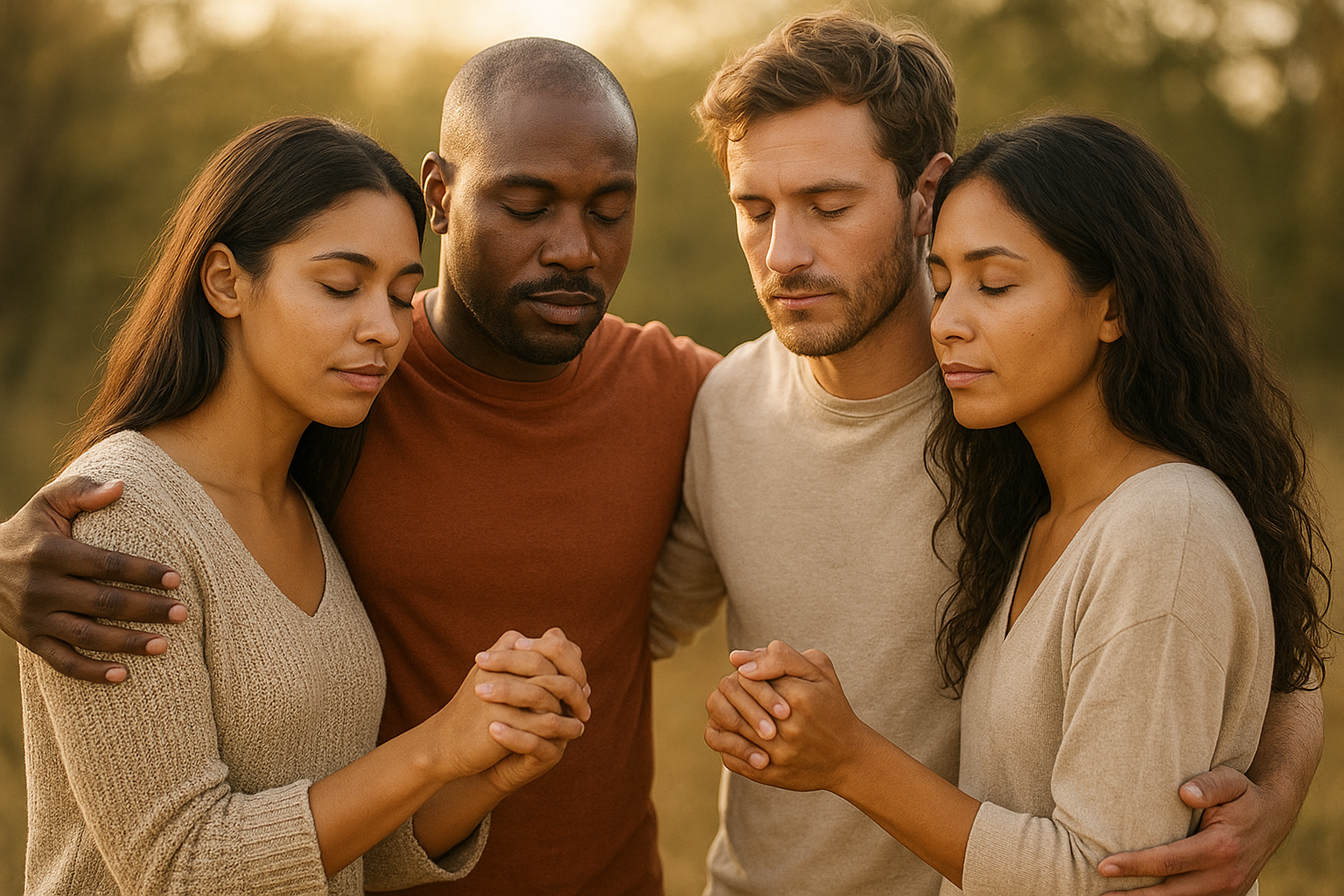
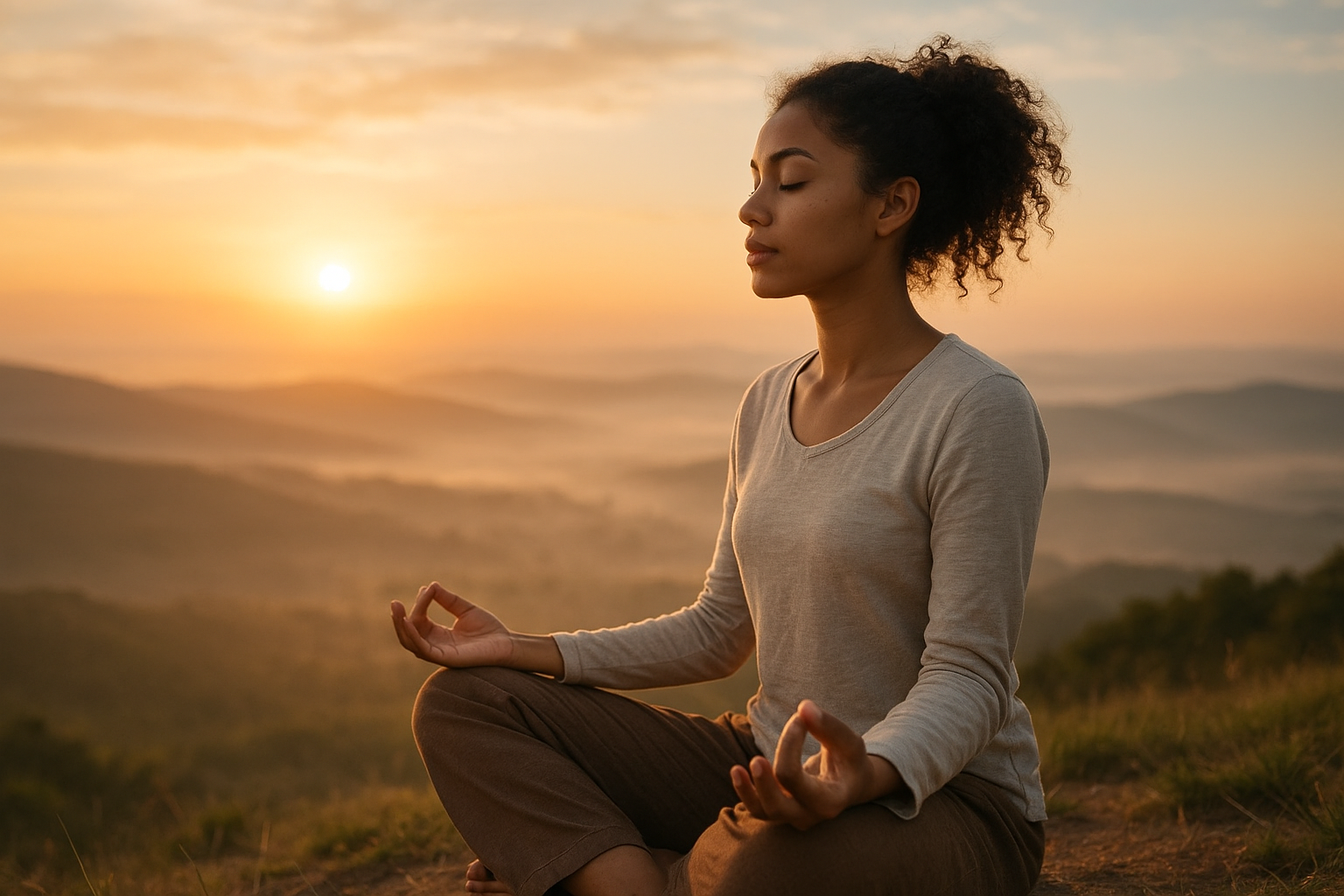
In an age defined by digital interactions and individualism, the quest for kinship through community and connection in modern spirituality is thriving. From the rise of online spiritual communities to the resurgence of ancient practices, individuals are seeking solace and meaning through shared spiritual journeys. This exploration of community not only enhances personal growth but also fosters a sense of belonging and interconnectedness in a fragmented world.
The Digital Congregation
The digital revolution has notably transformed how people experience spirituality. Social media platforms and online forums have become gathering spaces for spiritual seekers around the globe. These virtual communities allow individuals to explore a multitude of spiritual practices, ranging from mindfulness meditation to Pagan rituals, without geographic constraints.
“For many, these online communities provide a sanctuary to express beliefs, share experiences, and feel part of something larger than themselves,” notes Kathryn Lofton, a scholar of religious studies.
Online spirituality groups offer the flexibility of connecting on one’s own terms. Whether through guided meditations on YouTube or live-streamed church services on Facebook, individuals can choose their level of engagement—from passive consumption to active participation.
Revival of Ancient Practices
Despite (or perhaps because of) the digital fervor, many are also turning back to ancient spiritual practices to seek meaningful connections. Practices like yoga, tai chi, and Indigenous ceremonies are witnessing a resurgence as people look to cultivate mindfulness and harmony with the earth.
- Yoga and Meditation: Once primarily found in Eastern traditions, yoga and meditation have permeated Western frameworks as methods to manage stress and cultivate inner peace. These practices are not just individual exercises but are increasingly seen as communal activities that create bonds through shared physical and mental discipline.
- Indigenous Practices: Reclaimed by Native communities and embraced by others, Indigenous rituals often emphasize community and interconnectedness with nature, promoting a holistic sense of belonging.
- Pagan and Neopagan Rituals: The celebration of sabbats, or seasonal festivals, offers opportunities for community gatherings where participants engage in shared rituals that honor the cycles of nature and human life.
“People are seeking authenticity and connection, and these practices offer both a sense of longstanding tradition and a communal way to engage with the mysteries of life,” says Anthony Howard, in an article on modern spirituality for The Guardian.
The Role of Spiritual Leaders
Spiritual leaders, both traditional and contemporary, play pivotal roles in fostering community and connection. Whether religious figures, yoga instructors, or online spiritual mentors, these leaders guide individuals through spiritual practices and help forge a collective identity among adherents.
Spiritual leaders also act as connectors, facilitating relationships within their communities. They create safe spaces for individuals to share personal stories, seek guidance, and collaborate on service projects or community events, all of which reinforce communal ties.
Challenges and Opportunities
Despite the many benefits of spiritual communities, they also face challenges. The increasingly commodified nature of spirituality, where teachings and practices are often sold as products, can sometimes hinder genuine connections. The line between community and market often blurs, leading some to question the authenticity of certain spiritual experiences.
Moreover, the global pandemic shifted many traditional spiritual gatherings online, making it difficult for some to form deep, lasting bonds without face-to-face interaction initially. However, this shift has also offered an opportunity to reach and include those who might have previously felt isolated or unwelcome in traditional settings.
Building Lasting Connections
Lasting connections in spiritual communities are fostered through shared values and collective purpose. Whether engaging in community service or coming together to celebrate spiritual milestones, these actions form the glue that binds members together. By participating in these shared experiences, individuals reinforce their community’s core principles and strengthen interpersonal bonds.
In conclusion, the quest for kinship within modern spirituality is a multifaceted journey shaped by digital innovation, traditional revival, and the enduring human desire for connection. As individuals navigate their spiritual paths, the communities they form, both virtual and physical, are vital touchstones for shared growth and understanding.
Whether seeking community to deepen personal beliefs or simply to find belonging in a constantly shifting world, modern spirituality offers myriad opportunities for meaningful connections. In a world where loneliness and isolation are ever-present threats, spiritual communities offer a beacon of hope and unity—illuminating the path to true kinship.