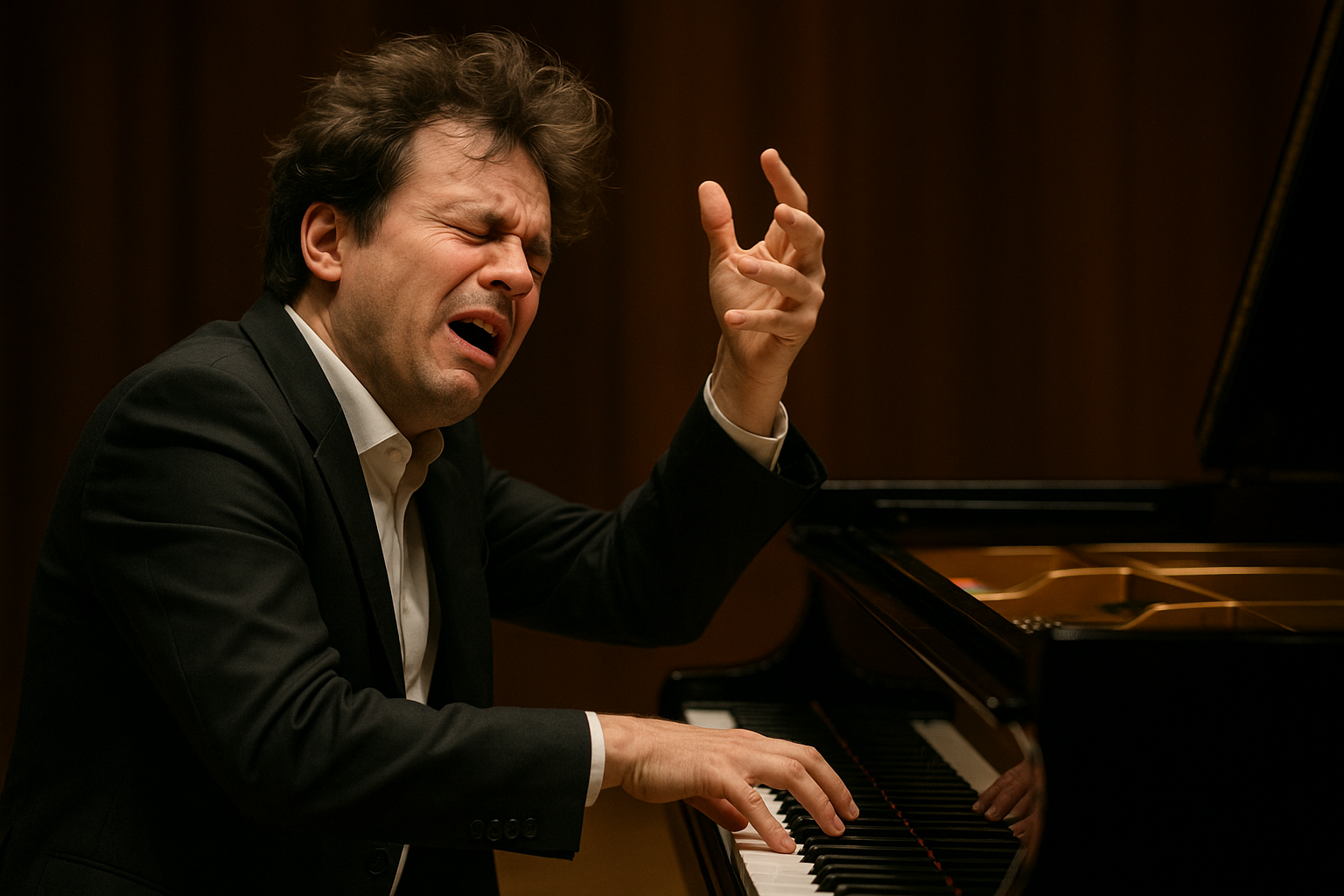
In the fast-paced world of performance, whether on stage, in sports arenas, or in corporate boardrooms, the pursuit of perfection often takes center stage. Yet, a growing chorus of voices is beginning to recognize the value of imperfection as a critical component of authentic and compelling performances. The ecstasy of error, a concept that celebrates mistakes as learning opportunities and catalysts for creativity, invites performers and audiences alike to redefine success and embrace the unexpected.
The Beauty of Imperfection
Throughout history, artists and thinkers have recognized the beauty inherent in imperfection. The Japanese concept of wabi-sabi venerates simplicity and the beauty of things incomplete or imperfect. As author Richard Powell puts it, “Wabi-sabi nurtures all that is authentic by acknowledging three simple realities: nothing lasts, nothing is finished, and nothing is perfect.”
This philosophy is particularly pertinent in performances where spontaneity and human error inject authenticity and relatable vulnerability. Consider the timeless appeal of live music. Every concert is an opportunity for musicians to reinterpret their own work, perhaps hitting a wrong note or missing a cue, adding a unique, ephemeral quality to each performance. It is these imperfections that often render a performance memorable and genuine.
The Science Behind the Mistake
From a psychological standpoint, the fear of making mistakes is deeply ingrained in many of us. However, research suggests that making errors can actually stimulate learning processes. According to a study published in the Journal of Experimental Psychology, mistakes activate brain regions associated with learning and memory, suggesting that error-making is essential for growth and skill acquisition (APA Journal).
“An error is not a stepping stone to a decision; it is a decision in itself,” states psychologist James Reason, emphasizing the reflective potential of errors.
The performance arts are replete with examples of how mistakes lead to unexpected creative breakthroughs. Choreographer Crystal Pite advises her dancers to “keep your mistakes as gifts,” transforming potential missteps into new creative avenues.
Case Studies in Error-Driven Innovation
- Live Theatre: In the realm of live theatre, actors are trained to adapt to unforeseen circumstances such as forgotten lines or technical malfunctions. These improvisations often enrich performances, enchanting the audience with spontaneous comedy or drama that might be absent in a flawless rendition.
- Sports: Athletes like Michael Jordan have achieved greatness by learning from their failures. In his own words, “I’ve missed more than 9,000 shots in my career. I’ve lost almost 300 games. 26 times, I’ve been trusted to take the game-winning shot and