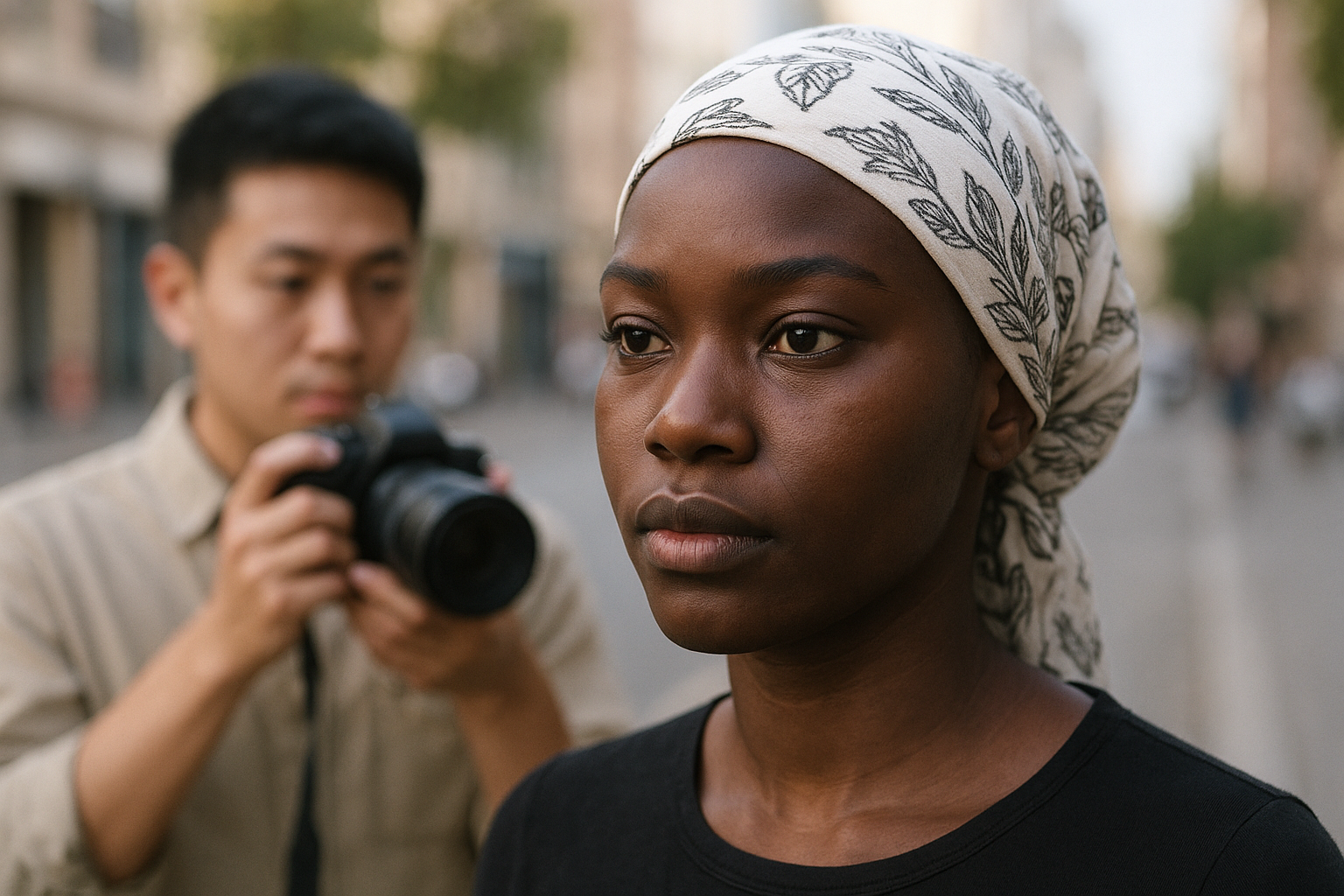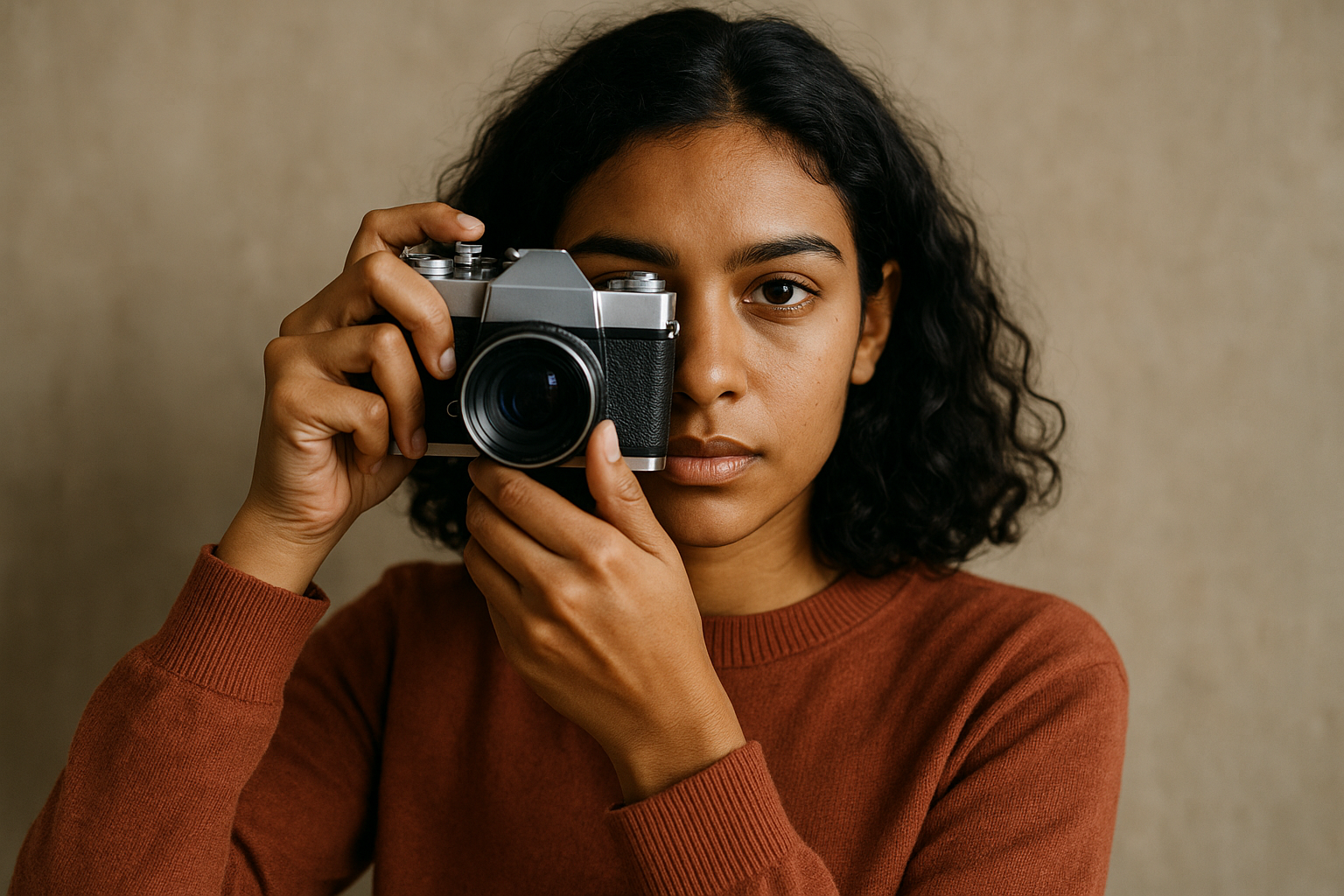
In our rapidly evolving world, where the clamor of social media often drowns out profound self-reflection, the camera emerges as a powerful tool for personal discovery. It serves not just as an instrument for capturing images, but as a conduit for self-expression and identity formation.
The Camera as a Mirror
For decades, artists and photographers have explored the idea of the camera as a mirror to the soul. The act of taking a photograph becomes a dialogue between the photographer and their inner self. As legendary photographer Richard Avedon once said, “My portraits are more about me than they are about the people I photograph.” This sentiment reflects the intimate relationship between the creator and their subject, often revealing more about the photographer’s world view than the subject itself.
Narratives Through Lenses
Photography provides a platform for individuals to tell their unique stories. This is especially true for marginalized communities whose voices are often underrepresented in mainstream media. By wielding a camera, these individuals can take control of their narrative, presenting their truth unfiltered.
- Documenting Cultural Identity: Photographers like Alec Soth have long used photography to explore what it means to belong to a certain cultural or geographic identity. Through his work, Soth portrays varied aspects of life in America, exposing both the beauty and the idiosyncrasies of its diverse cultures.
- Amplifying Marginalized Voices: Renowned street photographer Yann Arthus-Bertrand has utilized his work to shed light on environmental issues and human rights, amplifying voices that are often silenced. His iconic series “Earth from Above” showcases breathtaking images that reflect on global challenges, inviting viewers to ponder their own role within these narratives.
Selfies and Self-Perception
In the age of smartphone cameras, the “selfie” has become a significant cultural phenomenon. Some may dismiss it as mere narcissism, yet it can be a powerful means of exploring self-perception and projecting identity. The ability to capture and curate a digital self has transformed how individuals express who they are and how they wish to be perceived.
“The selfie is an impression of a visual self-empowerment and self-expression, where one controls the narrative of one’s own image.” – Elite Daily
Photography as Therapy
The therapeutic potential of photography is well documented. It offers a creative outlet for those dealing with trauma or mental health issues, allowing them to process emotions in a tangible form. Programs using photography for therapeutic purposes have emerged worldwide, supporting individuals in their journey to mental well-being.
- Empowerment Through Creation: Initiatives like Photo Voice empower participants to tell their stories through images, fostering a sense of agency and self-worth. These projects underscore how creating art can lead to personal growth and healing.
- Reflecting on Inner Landscapes: By externalizing internal experiences through photographs, individuals can gain new insights into their emotional landscapes. This externalization helps bridge the gap between one’s inner world and external reality, providing clarity and perspective.
Challenges and Critiques
While the camera is undoubtedly a potent tool for self-expression and exploration, it is not without its challenges and critiques. The advent of digital manipulation raises questions about the authenticity of images and their ability to truly represent one’s identity. Additionally, the saturation of images on social media can lead to superficial engagement rather than deep reflection.
“The ubiquity of digital cameras and photo-editing software makes us all potential creators of synthetic images, blurring the line between truth and fabrication.” – PetaPixel
The Future of Identity Through the Lens
As technology evolves, so too does the potential for photography to shape our understanding of self and identity. Emerging technologies like virtual and augmented reality promise to further integrate photography into our perception of reality, offering new ways to experience and create visual narratives.
- Enhanced Storytelling: Virtual reality allows for immersive experiences, where viewers can engage with stories in a three-dimensional space. Photographers can use this to create dynamic narratives that transcend traditional two-dimensional photography.
- Augmented Reality and New Perspectives: Augmented reality offers new ways to layer information and perspectives onto our physical world, potentially changing how we interact with and interpret visual media.
Despite the challenges it faces, the camera remains a vital tool for finding and expressing identity. Its power lies within its ability to capture moments that resonate deeply with both the creator and the observer, fostering understanding and connection across diverse perspectives.
Whether through creating intimate self-portraits, documenting cultural narratives, or exploring new technologies, the camera offers a platform for voices that might otherwise remain unheard. As we continue to evolve in a digital era, it remains crucial to harness the visual voice of the camera as a means to navigate and articulate the complexities of our identities.
Photography, in its myriad forms, continues to challenge and redefine how identity is constructed and perceived in contemporary society.