Tag: hero

  • Healing Burnout by Remembering Who You Are

    Healing Burnout by Remembering Who You Are


    Healing Burnout by Remembering Who You Are

    Healing Burnout by Remembering Who You Are

    In the fast-paced world we live in, burnout is a common issue that many individuals face. It’s essential to understand that healing starts with reconnecting with oneself, as emphasized by the ancient wisdom of mythology.

    “To find yourself, think for yourself.” – Socrates

    The Hero’s Journey: A Path to Self-Discovery

    One of the most famous journeys in mythology is Joseph Campbell’s concept of The Hero’s Journey. This narrative arc represents a hero’s quest and eventual return, often with newfound self-awareness.

    • Separation: The hero leaves the comfort of their ordinary world, embarking on their journey towards self-discovery.
    • Initiation: The hero faces trials and learns valuable lessons that help them grow and transform.
    • Return: The hero returns home, having gained wisdom and a deeper understanding of themselves and their place in the world.

    Mythological Figures Overcoming Burnout

    Many mythological figures have faced burnout and emerged stronger through self-discovery. One such example is Persephone, the queen of the underworld.

    “Though she was held captive in the underworld, her story shows that even in the darkest times, one can find strength and eventually return to the light.” – Unknown
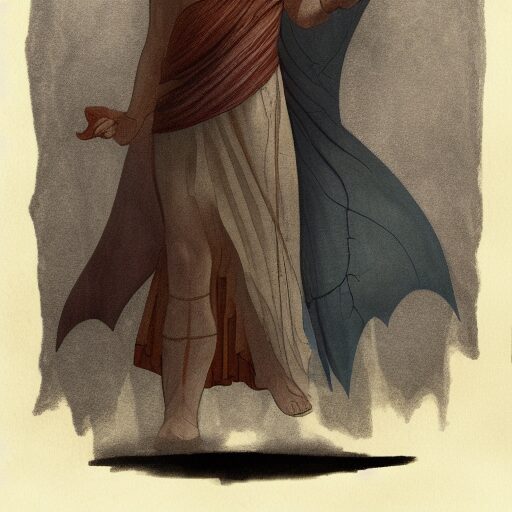
  • The Hero’s Shadow – Examining the darker half of the monomyth.

    The Hero’s Shadow – Examining the darker half of the monomyth.

    The Hero’s Shadow – Examining the darker half of the monomyth

    The concept of the hero’s journey, first introduced by Joseph Campbell in his book The Hero with a Thousand Faces, has become an integral part of popular culture. The story arc follows a protagonist who embarks on a transformative quest, facing various challenges and ultimately emerging victorious. However, what is often overlooked is the darker aspect of this narrative – the hero’s shadow.

    “The hero’s journey is not just about triumph, but also about the darkness that lies within.” – Joseph Campbell

    The Concept of the Shadow

    The idea of the shadow was first introduced by Carl Jung, a Swiss psychiatrist. He proposed that every individual has a personal unconscious that contains repressed thoughts, feelings, and impulses. These hidden aspects of our psyche are what we often try to hide or deny, but they can also be the source of great creative power.

    “The shadow is the seat of all qualities which we repress in ourselves because they do not please us.” – Carl Jung

    The Hero’s Shadow

    In the context of the hero’s journey, the shadow refers to the darker aspects of our protagonist’s personality. These can include their own fears, doubts, and negative impulses. The hero may try to hide or deny these aspects, but they ultimately play a crucial role in shaping their journey.

    “A hero is someone who has given most of his life to something more important than himself.” – Joseph Campbell

    Examples from Mythology

    • The Wicked Witch of the West (The Wizard of Oz): The archetypal villain represents the repressed fears and anxieties that lie within Dorothy, the hero.
    • Loki (Norse Mythology): As a trickster god, Loki embodies both light and darkness, highlighting the ambiguity and complexity of the shadow.
    • The Trickster (Various Cultures): This shape-shifting figure often represents the hero’s own darker impulses, serving as a reminder that even the most well-intentioned individuals have their own shadowy aspects.

    Conclusion

    The hero’s shadow is an essential component of the monomyth, offering insights into the complexities of human nature. By exploring these darker aspects, we can gain a deeper understanding of ourselves and our role in the world.

    “The journey inward is just as important as the journey outward.” – Joseph Campbell

    Recommended Reading:

    “The hero’s journey is not just about triumph, but also about the darkness that lies within.” – Joseph Campbell