The Hermit’s Compass: Navigating Life’s Mysteries Alone
Introduction
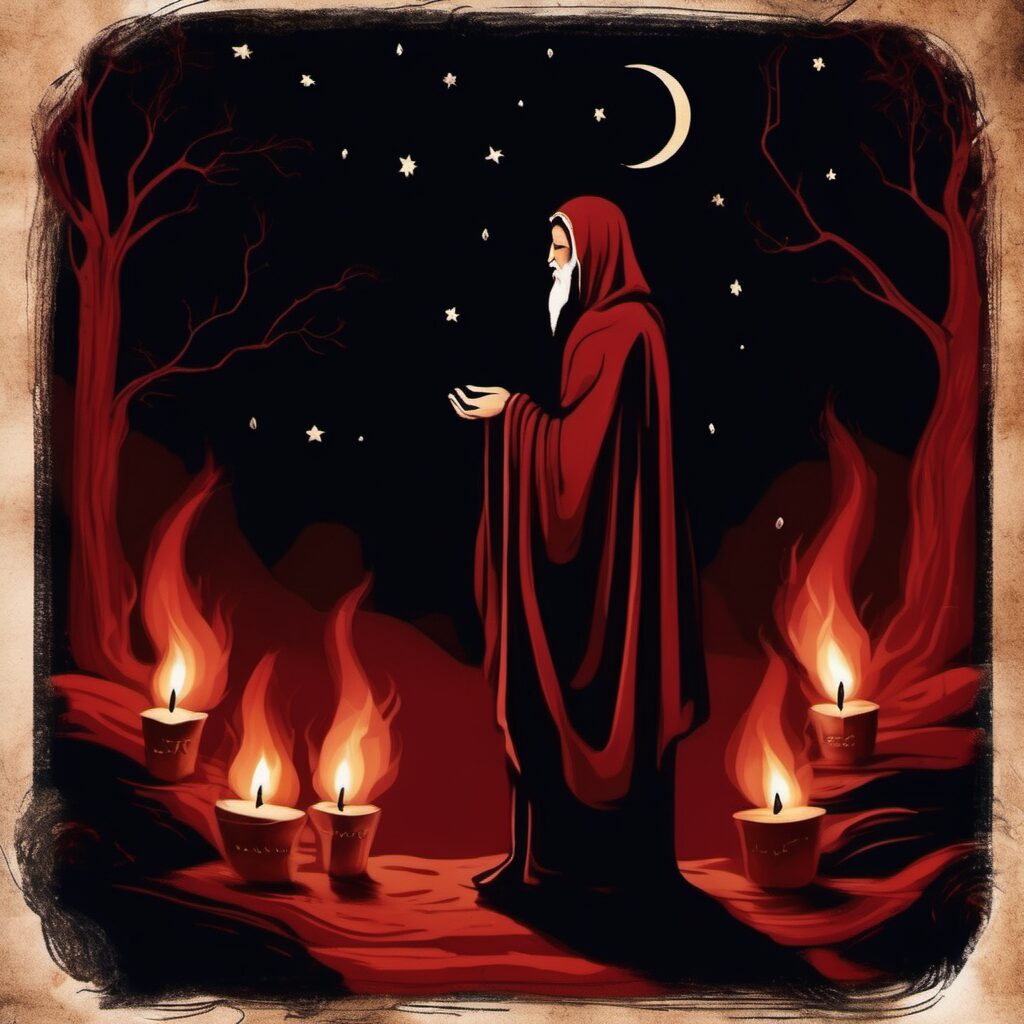
In the tapestry of human history, the figure of the hermit stands out as a unique archetype. Often seen as an ascetic, a seeker of truth, or simply a reclusive individual, the hermit embraces solitude in pursuit of something greater than the mundane. But what guides them on this solitary journey? Enter The Hermit’s Compass, a conceptual tool symbolizing the inner and outer journeys of those who choose to walk alone.
The Historical Context of Hermitage
The tradition of hermitage can be traced back to ancient civilizations. From the Desert Fathers of early Christianity to Buddhist monks in the forests of Asia, the pursuit of solitude has been a prolonged search for spiritual enlightenment, personal peace, and understanding.
- The Desert Fathers were early Christian hermits whose lives of solitude inspired many.
- Zhuangzi, a central text in Taoism, often speaks to the virtues of detachment and inner peace.
The Metaphor of the Compass
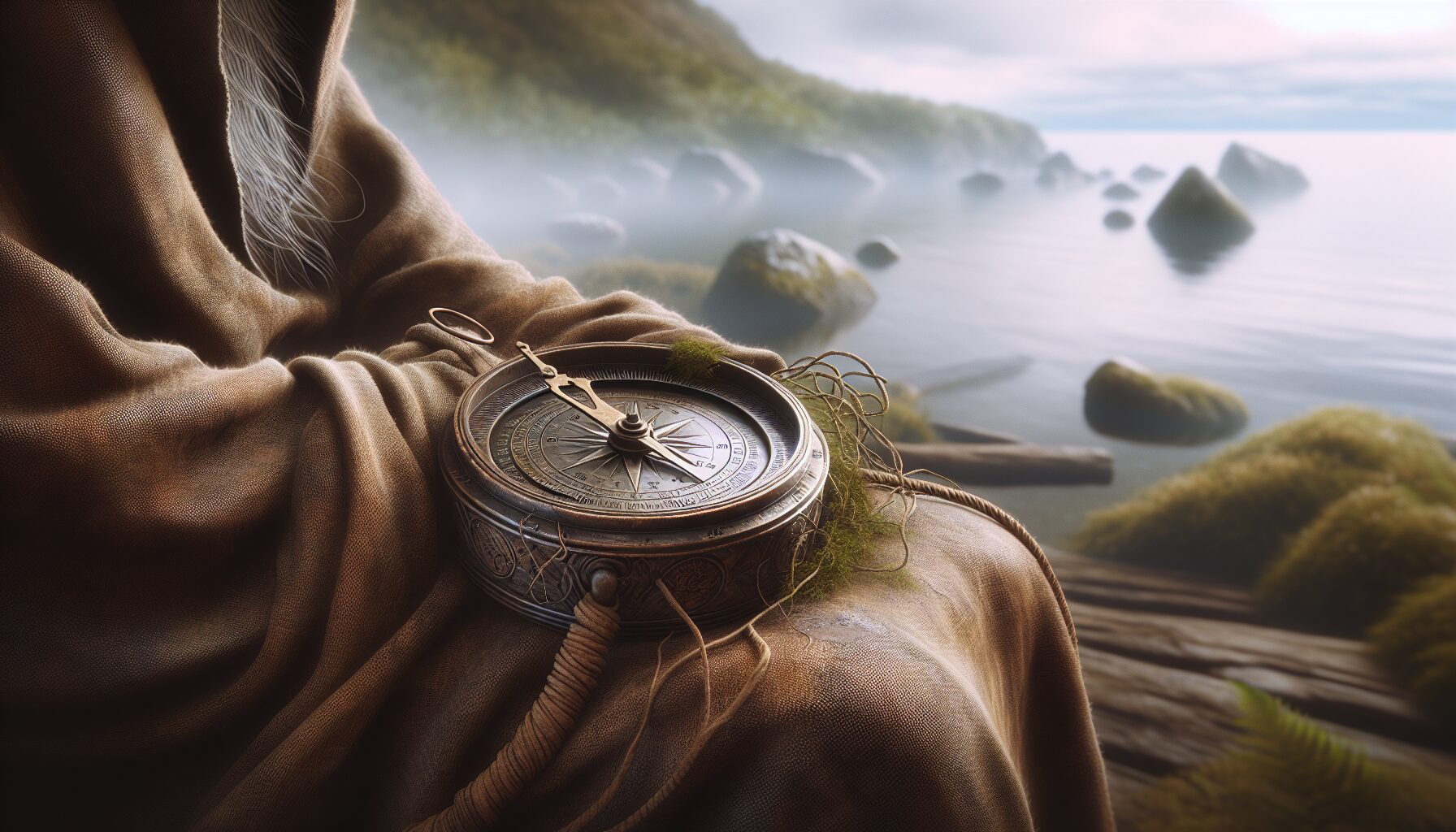
The compass, as a navigational instrument, represents the innate direction-seeking nature of humans. While a traditional compass points toward the Earth’s magnetic north, The Hermit’s Compass is metaphorical, guiding one towards personal truths and existential clarity. It involves navigating:
- Inner Landscapes: Self-reflection, understanding one’s fears, desires, and motivations.
- Outer Journeys: Engaging with nature, the cosmos, and understanding one’s place within them.
As Henry David Thoreau, a notable figure who explored solitary life, once remarked:
“I went to the woods because I wished to live deliberately, to front only the essential facts of life, and see if I could not learn what it had to teach, and not, when I came to die, discover that I had not lived.”
Components of The Hermit’s Compass
The Hermit’s Compass is comprised of philosophical directions that guide the hermit through both epistemological and metaphysical terrains:
North: Solitude
This direction emphasizes the value of being alone. Solitude is not loneliness but a chance to recharge and introspect. A study from the journal Psychological Review underscores that solitude can enhance creativity and provide a fertile ground for personal growth.
East: Nature
Nature acts as both a sanctuary and a teacher for hermits. The eastward direction symbolizes renewal and enlightenment, often gained through interactions with the natural world:
- Observation: Understanding patterns in nature can lead to profound insights into life’s synchronicities.
- Connection: Feeling a sense of oneness with the environment fosters humility and respect.
South: Insight
Gaining insight involves transcending ordinary perceptions to understand deeper meanings. According to the Harvard Business Review, developing personal insight can significantly enhance decision-making and problem-solving abilities.
West: Wisdom
In contrast to knowledge, wisdom embodies the application of that knowledge in ways that benefit both the individual and the greater whole. It is the culmination of solitude, nature, and insight.
Modern Hermit Movements
In today’s globalized world, the concept of a hermit has evolved yet holds timeless appeal. Modern movements embrace both digital and physical forms of hermitage:
- Digital Detox: A voluntary disconnection from technology to reconnect with one’s inner self.
- Minimalism: Simplifying life to focus on essential values, akin to a hermit’s minimalist existence.
The Psychological Compass: Guiding Modern Hermits
Psychological resilience is paramount for anyone embarking on a solitary path. The Hermit’s Compass in a contemporary context can guide individuals through mental health challenges, helping them cultivate:
- Mindfulness: Staying present and attentive to current experiences and emotions.
- Emotional Intelligence: Understanding and managing emotions effectively.
“The greatest thing in the world is to know how to belong to oneself,” wrote physicist Michel de Montaigne, reflecting the enduring wisdom of self-reliance and the inner journey.
Conclusion
The Hermit’s Compass is more than a tool for those who choose physical solitude; it’s a roadmap for anyone seeking deeper meaning in today’s chaotic world. It encourages introspection, connection with nature, insight, and the pursuit of wisdom. Whether for a weekend retreat or a lifestyle choice, venturing solo has profound rewards. Whether you’ve found yourself or are just beginning the search, The Hermit’s Compass remains a timeless guide for anyone seeking to navigate the mysteries of life.
In the words of Ralph Waldo Emerson, “Do not follow where the path may lead. Go instead where there is no path and leave a trail.” Find your direction with The Hermit’s Compass—chart a journey inward and upward.