Tag: healing

  • The Modern Shaman: Artists and Healers of the Contemporary World

    The Modern Shaman: Artists and Healers of the Contemporary World

    In today’s chaotic and fast-paced world, a fascinating parallel can be drawn between the ancient shaman and the modern artist. While shamans are traditionally seen as healers and visionaries in primal societies, today’s artists are increasingly stepping into similar roles, using their talents to heal, inspire, and drive societal change.

    The Role of the Shaman in Traditional Cultures

    For centuries, shamans have been revered as the bridge between the physical and spiritual realms, known for their abilities to heal both the body and soul. Anthropologist Michael Harner once described shamans as “master[s] of ecstasy,” guiding their communities through rituals and ceremonies to achieve harmony and balance (Foundation for Shamanic Studies).

    The shamans’ toolkit is rich with symbolism, storytelling, music, and dance, which they employ to engage the collective psyche. These traditions, as noted by Harner, are passed down through generations, evolving yet maintaining their core objective: the well-being of the community.

    The Artist as a Modern-Day Shaman

    Much like shamans, artists today embark on a similar journey, utilizing their work to diagnose societal ailments and suggest remedies. The connection between art and healing is not novel but is increasingly recognized as a vital component of modern culture. Composition of music, painting, poetry, and other art forms have the power to stimulate reflection and evoke emotional responses that can lead to personal and communal healing.

    Renowned artist Marina Abramović, often likened to a shaman, has stated that art “must be disturbing, life-changing, something that awakes the nerves and opens a certain kind of pain” (Interview Magazine). Through her provocative performances, Abramović seeks to alter consciousness, urging audiences to confront uncomfortable truths and in doing so, initiating a process of transformation and healing.

    Art as a Catalyst for Social Change

    The modern shaman-artist serves not only as a personal healer but also as a catalyst for broader socio-political change. The arts have long been at the forefront of addressing and rectifying social injustices. Powerful pieces of art can ignite movements, alter perceptions, and inspire revolutions. For example, Pablo Picasso’s Guernica opened the world’s eyes to the horrors of the Spanish Civil War, becoming a symbol of anti-war sentiment.

    “Art is not a mirror held up to reality but a hammer with which to shape it.” – Bertolt Brecht

    This notion is vividly manifested in the works of contemporary artists like Ai Weiwei, whose installations critique authoritarianism and human rights violations. Artists such as Banksy have democratized art, using public spaces as canvases to convey poignant, often satirical social critiques accessible to all.

    The Healing Power of Community and Collaboration

    While solitary in creation, art becomes communal in its experience, just as a shaman’s ritual includes the community. Collaborative art projects foster community healing by encouraging participation, shared experiences, and collective expression. Artist collectives around the world are engaging communities, using art to combat loneliness, discrimination, and trauma.

    Projects like Artists Respond bring artists together to collaboratively tackle global issues such as climate change. By involving community members in artistic creation and dialogue, these projects not only amplify marginalized voices but also promote healing through acknowledgment and validation of shared experiences.

    Conclusion: Embracing the Spirit of the Modern Shaman

    The modern shaman, equipped with brushes, cameras, words, and dance, continues the work of ancient healers in today’s society. While their methods may have evolved, their purpose remains the same: to heal, transform, and inspire. In a world often fraught with disconnection, chaos, and disarray, artists embody the spirit of the shaman, guiding us toward healing, unity, and hope.

    As today’s artists draw on the timeless role of the healer, society is reminded of the profound capacity of human creativity to mend the invisible wounds of the psyche and bring forth new visions for the future.

  • Capturing the Unspeakable: Photography of Trauma and Healing

    Capturing the Unspeakable: Photography of Trauma and Healing

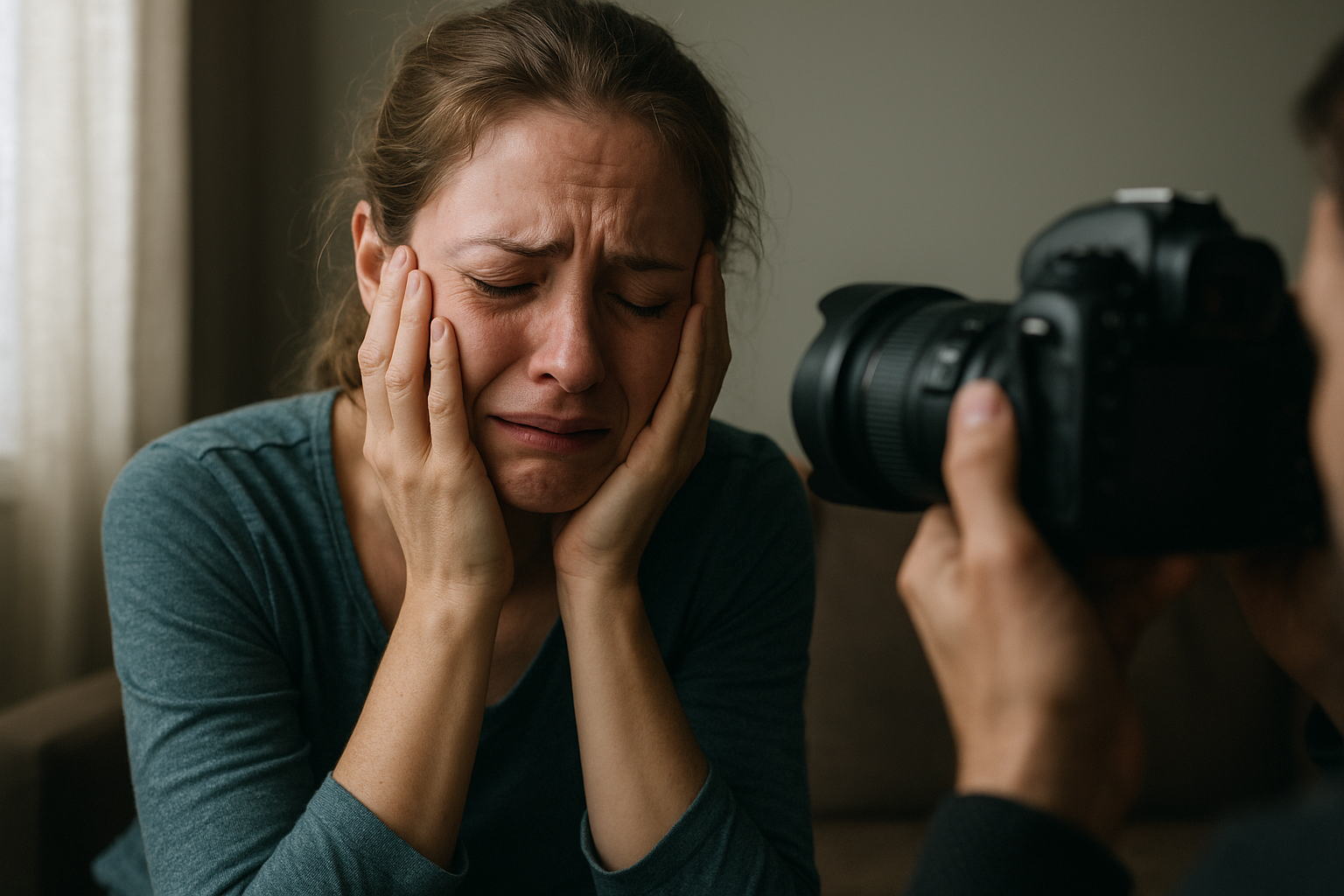
    Photography has long been a powerful medium for capturing the spectrum of human experience. Among its most profound roles is in depicting trauma and subsequent healing, offering both an outlet for expression and a tool for raising awareness. In arenas marked by conflict, personal loss, or collective suffering, photography provides a lens through which the unspeakable becomes tangible and ultimately, perhaps, a prompt for healing.

    The Power of Visual Testimony

    Photographs have the unique ability to tell stories that transcend language barriers, often communicating emotions too deep for words. They serve as visual testimonies that preserve and honor the pain of those who have endured devastation. Susan Sontag in her seminal work On Photography wrote, “Photographs are a way of imprisoning reality… One can’t possess reality, one can possess images—one can’t possess the present but one can possess the past.” This encapsulates how photography can capture moments of trauma that demand recognition and remembrance (New York Times).

    Fostering Empathy and Connection

    Images of trauma often evoke strong emotional responses, invoking empathy and spurring action. Photographers such as James Nachtwey, known for documenting war and famine, or Lynsey Addario, capturing the nuances of life in conflict zones, have used their craft to bridge gaps between disparate worlds. By bringing viewers face-to-face with the stark realities of suffering, these images can foster a sense of global empathy and urgency for change.

    Photography as a Healing Process

    Beyond raising awareness, photography can be an instrumental part of the healing process for both subjects and photographers themselves. Creating art from personal distress allows individuals to explore and perhaps transform their experiences of pain. In trauma therapy, the use of photography can help individuals process their narratives, creating a visual diary of recovery.

    “Photography opened my eyes, it healed me, it grounded me,” says Sheila Pree Bright, an acclaimed photographer whose work addresses identity and social injustices. Her projects often focus on underrepresented voices, providing platforms for stories that might otherwise remain untold.

    A Call for Ethical Engagement

    However, documenting trauma through photography comes with ethical considerations. Photographers must navigate the fine line between storytelling and exploitation, ensuring that dignity and context are prioritized over sensationalism. Ethically engaged photography demands respect for subjects’ stories and agency, aiming to empower them rather than reduce them to mere objects of spectacle.

    In conclusion, while photography of trauma and healing must be approached with sensitivity and ethical mindfulness, its impact in bearing witness to suffering and promoting empathy cannot be understated. Ultimately, these images foster a shared humanity, prompting viewers to recognize and act upon the often unspoken sufferings of our world.

  • Healing Journeys

    The path to healing is as unique as the multifaceted individuals who tread it. Whether it’s overcoming physical ailments, mental health challenges, or enduring the often interlaced trials of life, the journey toward healing resonates universally, inspiring courage, introspection, and transformation.

    Understanding the Nature of Healing

    Healing is not merely the absence of pain or disease; it is a holistic process involving the mind, body, and spirit. According to the World Health Organization, health is a “state of complete physical, mental, and social well-being and not merely the absence of disease or infirmity.” This concept underscores the idea that true healing goes beyond the surface and reaches deep into the essence of a person’s being.

    “Out of suffering have emerged the strongest souls; the most massive characters are seared with scars.” — Kahlil Gibran

    The Emotional and Mental Dimensions

    Mental health advocacy has seen significant progress in recent decades, yet the journey toward emotional well-being is deeply personal. As noted by the American Psychological Association, “healing is a process, not an event.” Creating a support system, whether through therapy, peer groups, or robust family networks, plays a critical role in navigating this path. The National Institute of Mental Health emphasizes the importance of addressing emotional health as foundational for holistic healing.

    Holistic and Alternative Approaches

    Many individuals turn to alternative medicine and holistic practices as part of their healing journeys. These can include:

    • Yoga and Meditation: These practices offer respite and encourage mindfulness, helping individuals connect with their inner selves.
    • Acupuncture: An ancient practice that aims to restore balance within the body.
    • Aromatherapy and Herbal Remedies: The use of natural substances to promote physical and emotional well-being.

    An article from Harvard Health Publishing highlights how integrating these practices can enhance traditional medical treatments and provide a more comprehensive healing approach.

    The Power of Storytelling and Shared Experiences

    Documenting and sharing one’s healing journey can be empowering. As people reveal their personal stories, not only do they reclaim their narratives, but they also inspire others who may feel isolated in their struggles. The act of sharing can be a healing ritual in itself, offering insights and hope to those embarking on similar paths.

    Ultimately, healing journeys remind us of the resilience of the human spirit. They teach us that even in the face of adversity, there is an opportunity for profound growth and transformation. Each journey, though personal, becomes part of a larger tapestry of human experience, weaving together stories of recovery, hope, and strength.