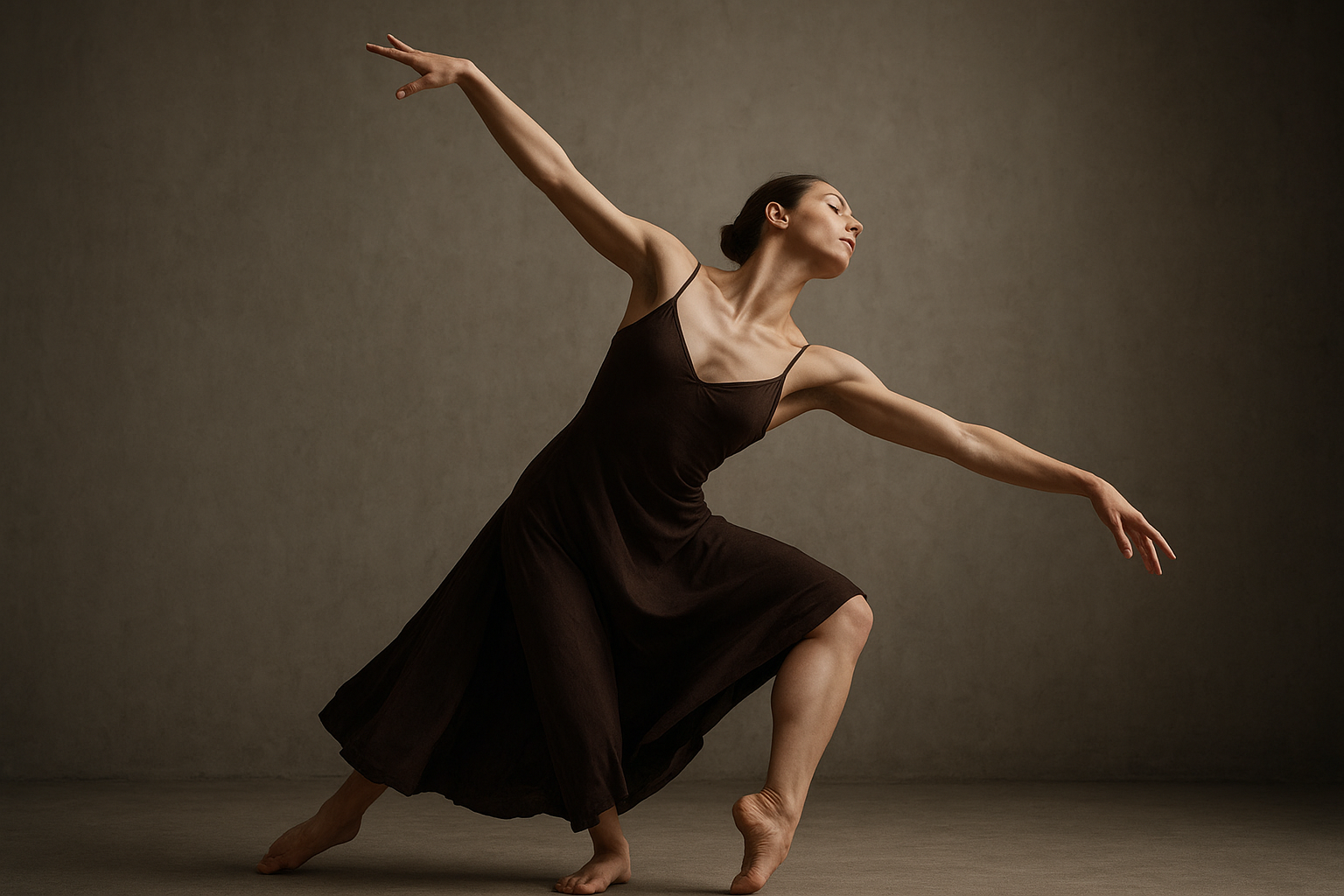
Dance, as an ancient and expressive form of communication, transcends the spoken word by utilizing the body’s movement through space. At the heart of this kinetic language is geometry—the shapes, lines, and angles formed by dancers as they express complex emotions and narratives through rhythm and dynamism. This article explores the profound impact of geometrical elements in dance, focusing on how lines and shapes are employed to convey meaning and evoke emotion.
The Intersection of Art and Mathematics
The convergence of dance and geometry is not a new phenomenon. Historical records depict dance as an integral aspect of cultural rituals, often emphasizing symmetrical formations and choreographed precision. This union of art and mathematics finds roots in the Greek concept of symmetria, which denotes harmony and proportion, and is exemplified through the symmetrical movements in Greek choruses.
Plato, the great philosopher, once said, “Dance, like music, is a form of art that speaks of harmony among the physical, mental, and emotional realms.” His sentiments underline the importance of balance and proportion, both key elements in geometry, which are echoed in dance movements. The geometric design in dance not only enhances aesthetic appeal but also facilitates the conveyance of a deeper message without uttering a word.
Understanding the Power of Line
Lines serve as the most fundamental elements in any visual medium, and dance is no exception. Dancers use lines to create form and structure, guiding the viewer’s eye and shaping the narrative. The lines in dance are not just physical trails left by movements but psychological paths that influence the audience’s perception and emotional response.
“A line is a dot that went for a walk,” said Paul Klee, a Swiss artist, summing up the essence of lines in art forms. In dance, this principle applies as movements begin from a singular point and expand outward, sketching complex figures in the air.
- Vertical Lines: Often associated with strength and magnificence, vertical lines are used to signify authority, pride, and an aspirational reach. Dancers using vertical lines can convey the feeling of elevation or resistance against gravity, similar to the towering stance in ballet.
- Horizontal Lines: These lines suggest calmness, rest, and stability. In dance, horizontal movements often symbolize openness and expansiveness, and are typically seen in sequences that aim to mimic the earth’s flat plane.
- Diagonal Lines: Representing motion and instability, diagonal lines introduce a dynamic flair to a performance. They illustrate actions such as opposition and conflict, giving energy and tension to the composition.
Choreographic Applications of Geometry
Choreographers have long utilized geometric principles to invent new dance forms and narratives. The deliberate arrangement of dancers in predetermined paths constructs a shared experience with the audience, akin to watching a visual artwork unfold in a three-dimensional space.
- Symmetry and Asymmetry: While symmetry provides a classical sense of balance, asymmetry introduces an unexpected twist to compositions, creating engaging and thought-provoking dance narratives. Symmetrical formations provide a collective harmony amongst dancers, while asymmetrical placements invite individual expression and surprise.
- Patterns and Repetition: Repetitive structures in dance are drawn directly from geometric principles. They establish a rhythm that mirrors the natural and mathematical world, such as the spiral of a seashell or the symmetry of a snowflake. Repetitive movements create a hypnotic allure, guiding audiences into a state of trance.
- Pathways and Angles: The use of pathways and angles choreographically can evoke different responses. Curvilinear pathways tend to be gentle and flowing, while angular movements can create stark, impactful impressions that contrast strikingly with smoother lines.
Symbolism and Cultural Implications
Diverse cultural dances often integrate geometric concepts to convey stories or uphold traditions. For example, Native American dances frequently incorporate circular formations to symbolize unity and the cyclical nature of life. Similarly, Indian classical dances use intricate hand and foot placements, known as mudras, that create unique shapes, representing various deities, actions, and emotions.
According to the renowned choreographer Merce Cunningham, “Dance gives dramatic life to geometric forms, making it an ever-changing art.” This quote highlights how geometry imbues dance with endless possibilities for expression across different cultures.
Modern Interpretations and Innovations
Contemporary dancers and choreographers are constantly pushing geometric principles to explore new expressions. Technology plays a substantial role in these innovations, with dance companies increasingly using 3D projections, drones, and virtual reality to construct immersive geometrical landscapes.
For instance, digital artist and choreographer Alexander Whitley combines cutting-edge technology with dance to create stunning visual experiences. In his work “8 Minutes,” dancers navigate a stage where digital projections create an ever-changing geometric environment, blurring the boundary between human and machine interaction.
Conclusion
The interplay between dance and geometry offers audiences not only beauty but a deeper insight into how art and mathematics coexist and influence human emotion. Dance fundamentally relies on geometric principles—lines, shapes, and pathways—to articulate a narrative that words alone cannot express.
As the world of dance continues to evolve, the marriage of traditional and contemporary interpretations of geometry in choreography promises to create endlessly fascinating canvases of movement and form, inviting future generations to explore the space beyond conventional thinking.
The geometry of gesture will remain a powerful tool in dance, enabling performers to communicate, inspire, and challenge viewers to perceive the world through the eloquent language of movement. As Martha Graham once said, “Dance is the hidden language of the soul,” an assertion made vivid by the geometric frameworks that help translate that language into palpable art.