From Oracle to Algorithm: What We Lost When Prediction Became Automated
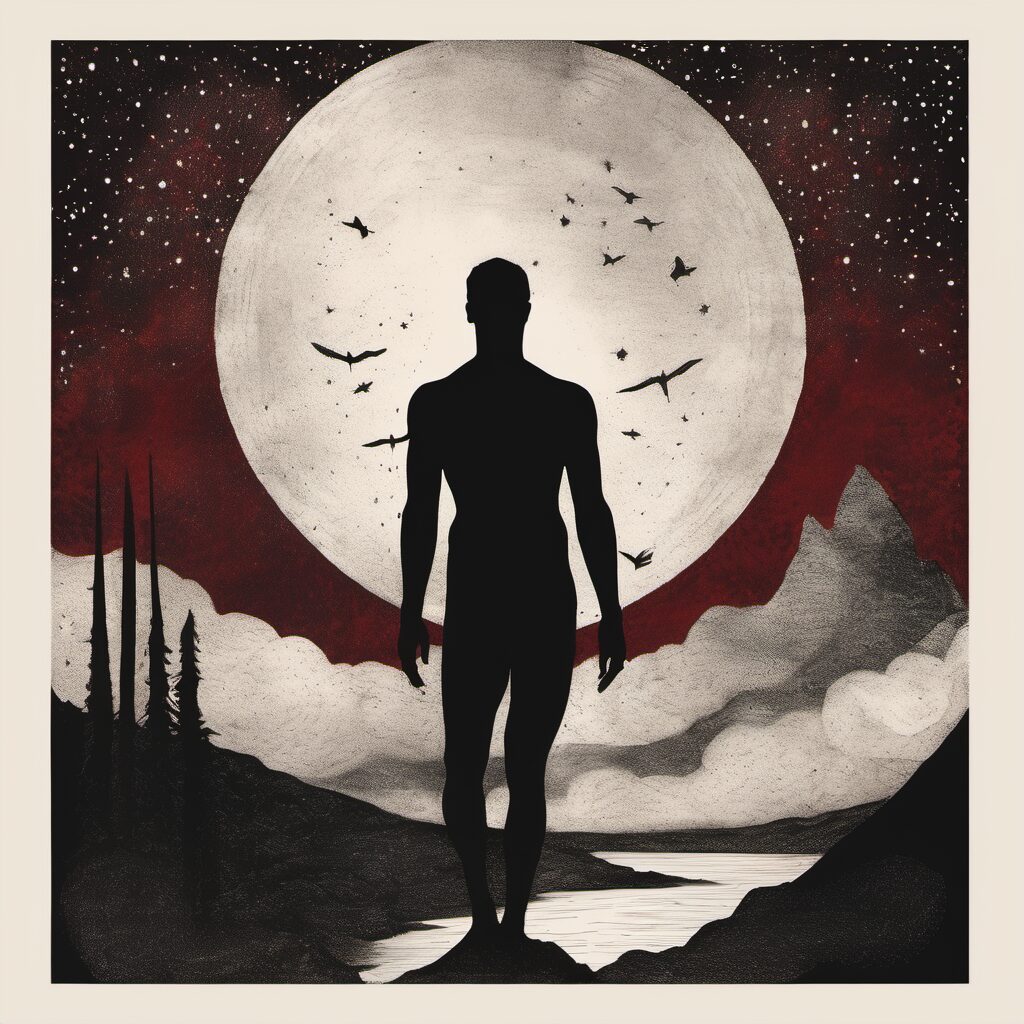
Throughout history, humans have sought ways to predict the future. From ancient oracles to sophisticated algorithms, our methods may have evolved, but the underlying desire remains the same: to gain insight into what lies ahead. However, as prediction has become more automated, we’ve lost something profound—an element of mystique, humanity, and cultural richness.
The Age of Oracles
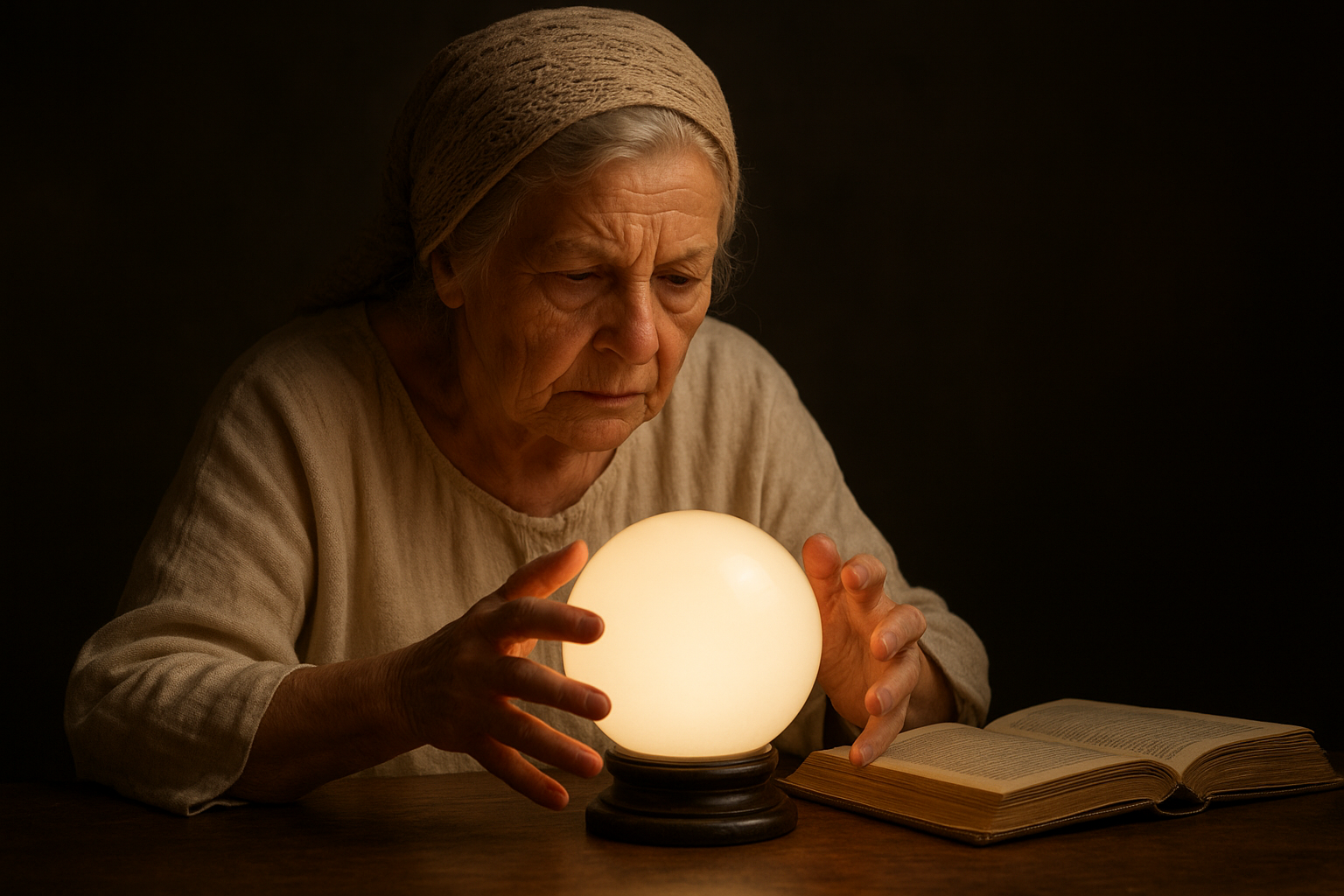
In ancient times, oracles were revered as sacred intermediaries between the divine and mortal worlds. The Oracle of Delphi, one of the most famous oracles in ancient Greece, served as a powerful and central figure. The Pythia, the high priestess of the Temple of Apollo, would deliver cryptic prophecies believed to be divinely inspired.
“Know thyself,” reads the inscription at the Temple of Apollo at Delphi, underpinning the oracular tradition—self-awareness as a path to enlightenment.
Oracular traditions were not confined to Greece alone. Across the globe, various cultures turned to their own forms of prophecy:
- The I Ching: A divination text in China that involves the casting of coins or yarrow sticks to reveal insights about the future.
- The Druids: In Celtic societies, these priestly figures used natural signs and symbols to interpret future events.
- Shamans: In indigenous cultures, shamans would enter trance states to communicate with spirits to divine the future.
These traditions were not just about predicting the future; they were rituals deeply embedded in cultural and religious meanings. An oracle’s pronouncement was a communal event, a shared experience that brought people together.
Prediction in the Modern Era
With the advent of the Age of Enlightenment, reliance on mystical oracles began to decline. The rise of scientific reasoning encouraged empirical methods and a rational understanding of the world. However, the human need to foresee the future only shifted form, leading to the development of early statistical methods.
Fast forward to the 20th century, and prediction entered the realm of computation. Algorithms, initially simple in structure, started to shape how we approached forecasting everything from weather patterns to economic trends. The introduction of machine learning and artificial intelligence pushed predictive capabilities to unprecedented heights, enabling the continuous analysis of massive data sets beyond human scope.
The Age of Algorithms
Today, algorithms touch every part of our lives. Recommendation systems suggest what we should watch next on streaming platforms. Financial algorithms decide on creditworthiness. Google’s Machine Learning Algorithms track user behavior to predict search trends, as explored in detail in a piece on Wired.
“We are in the midst of a golden age of machine learning and artificial intelligence. Algorithms can now accurately predict when we’re sick, where we’re going, what we’ll buy next, and even whom we might date,” states Wired Magazine.
The Pitfalls of Automation
While automation has its advantages, predicting outcomes faster and more accurately than any human oracle could, it also comes with inherent downsides:
- Loss of Context: Algorithms rely heavily on data input, but they often miss the nuanced understanding of human behavior and cultural contexts.
- Ethical Concerns: Automated predictions can lead to biased outcomes if the algorithms are trained on skewed data sets, as examined in a study published in PNAS.
- Lack of Human Touch: While algorithms are efficient, they lack empathy and a personal touch that ancient oracles imbued into their prophecies.
- Reduction of Shared Experience: Predictions have become private and individual, stripping away the communal aspect that once played a significant role in interpreting prophecies.
The Spiritual and the Secular
The transition from oracles to algorithms reflects a broader cultural shift from the spiritual to the secular. While algorithms present a scientific approach to prediction, some argue that this transition has contributed to disenchantment—where the mystical and the mysterious are overshadowed by the empirical and the calculated.
Yet, even in an era dominated by technology, the allure of the mystical persists. Astrology, tarot readings, and other forms of divination continue to thrive, signifying a persistent human yearning for spiritual insight.
A Future Synthesis?
Rather than viewing oracles and algorithms as opposing entities, perhaps the future lies in a synthesis of the two—a blend of automated prediction grounded in human values and ethical considerations. The technology firm IBM Research suggests integrating AI’s analytical prowess with human empathy to create more balanced predictive models that account for human complexities.
In conclusion, while algorithms provide efficiencies and advancements in prediction, acknowledging the spiritual and communal dimensions of ancient practices could lead to a more holistic future of forecasting. By recognizing what we have lost, we may yet find a way to regain it in a contemporary context.
“The greatest danger of the future is that we will turn our imaginations over to machines,” philosopher Jaron Lanier warns in his discussion about the ethics of AI.
The journey from oracle to algorithm tells us much about our collective passage through time, a narrative that holds as much about our future as it does about our past. As we stride forward, let us carry with us the wisdom of both worlds.