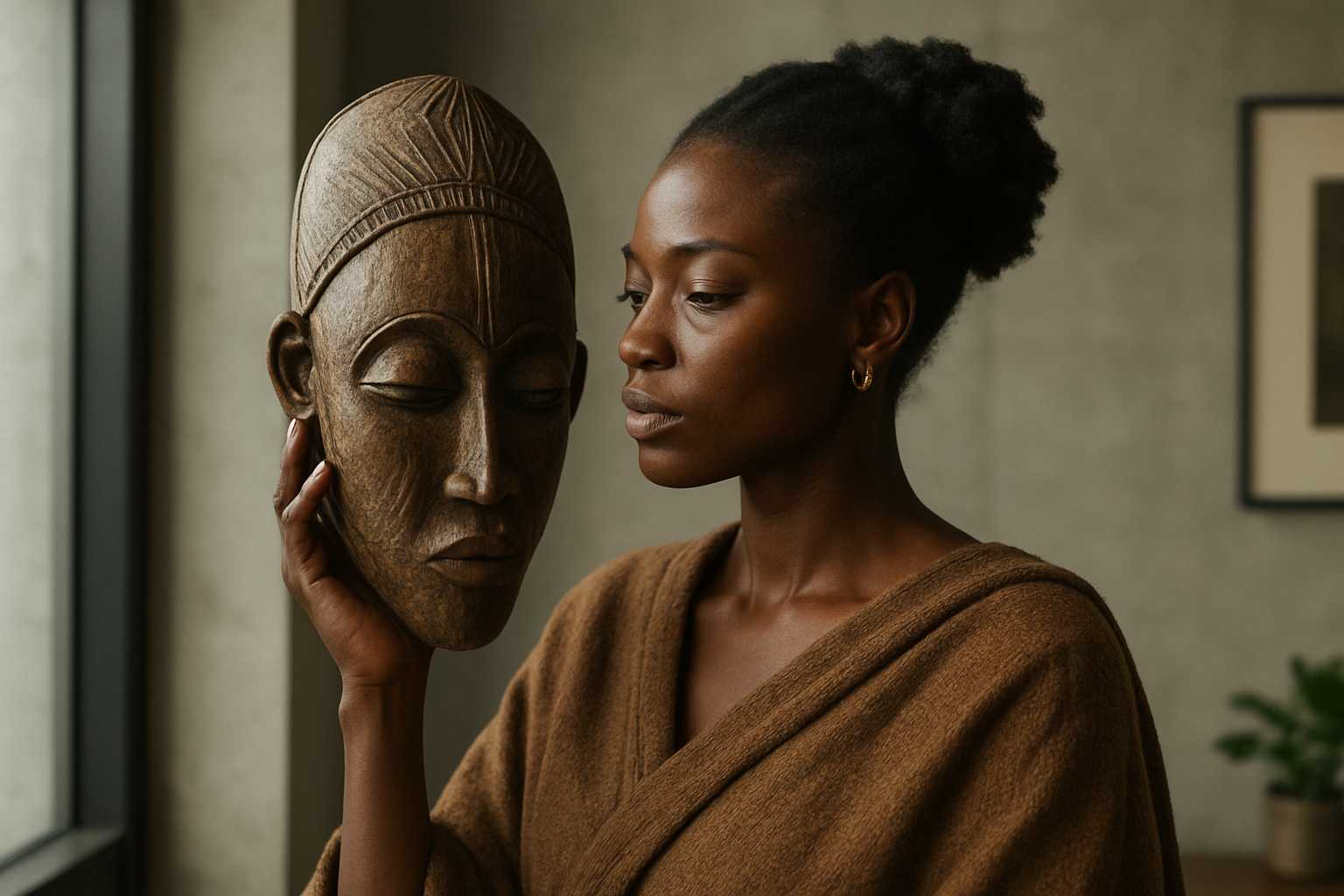
The echoes of ancient traditions linger in the modern world, influencing art, culture, and society in diverse ways. Despite the rapid pace of global change, many traditional forms continue to find relevance and a stronghold in contemporary settings. These forms, deeply rooted in historical contexts, provide a sense of identity and continuity in an ever-evolving landscape.
The Timelessness of Tradition
As cultures evolve, traditional forms often serve as anchors, offering stability and a sense of belonging. Traditional dances, music, and art have perpetuated their significance, evolving yet maintaining their core essence. One example is the Japanese tea ceremony, or chanoyu, which embodies the principles of harmony, respect, purity, and tranquility. It remains a vibrant practice, teaching patience and mindfulness amidst today’s fast-paced life.
Reinterpreting Traditional Arts in Modern Society
The preservation of traditional arts in contemporary times often requires a fusion of the old with the new. Artists and practitioners are constantly finding novel ways to keep these forms alive, ensuring they resonate with modern audiences. The revitalization of traditional African music is a testament to this trend. Contemporary African musicians, like Nigeria’s Burna Boy, have blended traditional sounds with modern genres, bringing African rhythms to global audiences.
- Burna Boy: Known for his Afro-fusion music, Burna Boy integrates traditional Nigerian music with global sounds, creating a unique style that resonates worldwide.
- Preservation through Innovation: By innovating within tradition, modern artists can protect and promote their cultural heritage.
According to a UNESCO report, such initiatives are crucial for cultural sustainability, as they bridge the gap between generations and promote cultural diversity.
The Influence of Ancestral Wisdom
Ancestral wisdom often finds expression through traditional forms, offering lessons that remain pertinent. Native American storytelling, for example, weaves together history, moral guidance, and entertainment, reflecting community values and philosophies. These narratives have adapted and endured, ensuring that they remain accessible and relevant to younger generations.
“Traditional stories not only help us to connect with our past but also guide us in navigating the complexities of today’s world.” – Smithsonian Magazine
Maintaining Cultural Identity
Cultural identity is intrinsically linked to traditional forms, providing a unique lens through which communities view themselves. The Maori haka, a ceremonial dance of New Zealand’s indigenous people, epitomizes this connection. Originally performed during wartime, the haka has been adapted as a symbol of unity and pride in modern New Zealand, especially in sports and public ceremonial occasions.
- Maori Haka: The haka’s transformation into a symbol of national pride highlights the potential of traditional forms to evolve without losing their essence.
- Global Resonance: Traditional forms like the haka can transcend cultural boundaries, earning respect and admiration from diverse audiences worldwide.
The Challenges of Modernization
The modernization of traditional forms is not without challenges. The risk of commodification and loss of authenticity poses a threat to cultural heritage. As traditional artifacts and practices become commercialized, there can be a tendency to dilute their cultural significance for broader appeal.
Moreover, globalization can lead to the homogenization of culture, where unique traditional forms risk being overshadowed by dominant cultural norms. This underscores the importance of conscious preservation efforts and educational initiatives.
The Role of Technology
Technology plays a crucial role in preserving and promoting traditional forms. Digital platforms offer new avenues for dissemination and engagement, allowing traditional practices to reach wider audiences than ever before. Social media channels, online workshops, and virtual reality experiences have become instrumental in sustaining cultural heritage.
- Digital Preservation: Platforms such as YouTube and TikTok have enabled cultural practitioners to showcase and teach traditional forms globally.
- Virtual Reality: VR experiences allow users to immerse themselves in traditional settings, experiencing cultural practices firsthand.
As described by The Guardian, such technologies not only preserve traditional forms but also enrich them, enhancing their relevance for contemporary audiences.
Conclusion
The weight of the ancestors is indeed significant but equally empowering. Traditional forms continue to inform modern identities, acting as bridges between the past and present. As society progresses, it remains imperative to respect and preserve these cultural treasures in innovative ways, ensuring they continue to inspire and educate future generations.