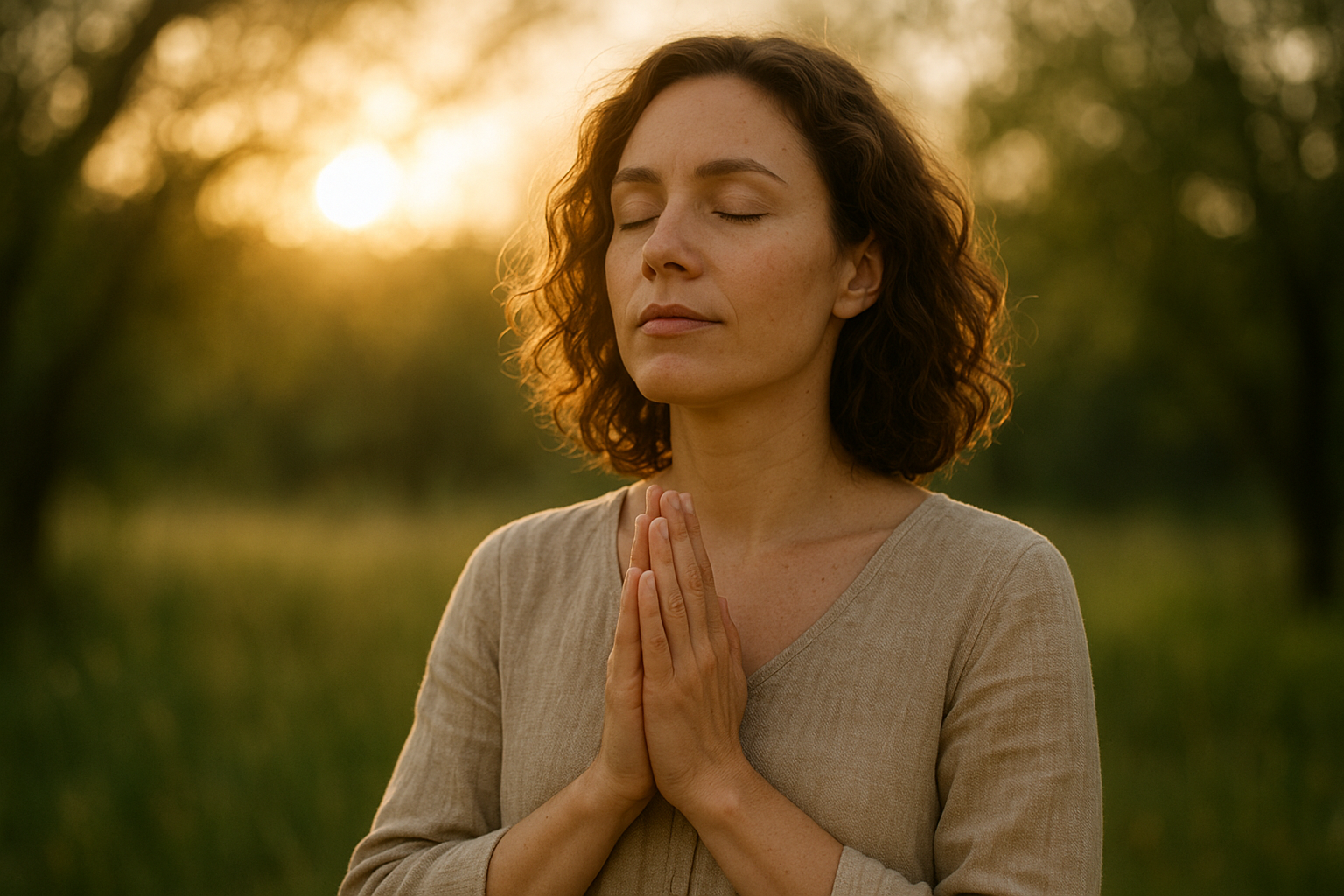
The Sacred Mundane – Finding the “divine” in your morning coffee
The Sacred Mundane – Finding the “divine” in your morning coffee
“In the sacred mundane, we find a whisper of the divine within the ordinary.” – Unknown
Brewing the beverage: A simple act, a prayer perhaps. The water heated to the perfect temperature, the coffee grounds releasing their essence. Each movement is deliberate, mindful, connecting us to the earth and her bounty.
Pouring the liquid: A silent offering, a symbolic gesture of our thirst for connection. The steam rises like incense, carrying our intentions skyward. In this moment, we are attuned to something greater than ourselves.
Savoring the taste: A meditation on flavor and texture, a moment of sensory delight. Each sip invites us to pause, to be present, to appreciate the simple beauty of existence.
“Every morning we wake to find ourselves on earth, let us rejoice in this fact.” – Emily Dickinson
In finding the divine in our morning coffee, we are reminded of the sacred within the everyday. We are challenged to see the world through a lyrical and mystic lens, to appreciate the beauty that lies hidden in plain sight. May your mornings be filled with joy, reverence, and the sweet aroma of freshly brewed coffee.
In an era characterized by increasing skepticism towards traditional religious institutions, many individuals are carving out unique paths to spiritual fulfillment. This burgeoning phenomenon, often referred to as the “post-secular sacred,” signifies a move towards finding holiness outside the confines of organized religion.
Embracing a New Spiritual Paradigm
The term “post-secular” suggests a society where secularism no longer dominates public life to the exclusion of the sacred. Rather than adhering strictly to dogmas and doctrines, people are exploring spirituality on their own terms. This trend is not simply a rejection of institutional religion but a reimagining of it. According to sociologist Peter Berger, “The world today, with some exceptions… is as furiously religious as it ever was, and in some places more so than ever” (source).
Practices and Beliefs of the Post-Secular
Post-secular spirituality manifests in varied and personal ways:
Nature Worship: Many individuals find the divine through nature, seeing the environment as a direct reflection of the sacred. Outdoor meditations and eco-spirituality have become popular avenues for those seeking a personal connection to the divine.
Mindfulness and Meditation: Rooted in both religious and non-religious traditions, practices like yoga and meditation enable individuals to connect with a higher state of consciousness.
Interfaith Exploration: A growing number of spiritual seekers are attending services and ceremonies across various faiths, finding personal truths and universal sacred elements transcending individual doctrines.
“We are in the midst of a ‘spiritual revolution’ characterized by a growing offshore-institutional religion, which is giving way to more free-flowing spiritual currents,” remarks sociologist Natasha Megah.
The Future of Spirituality
As society continues to evolve, the boundaries between secular and sacred become increasingly blurred. In a world where the Internet enables unprecedented access to different spiritual practices and philosophies, individuals are empowered to craft their own understanding of the holy.
The post-secular sacred emphasizes a deeply personal spirituality—one that often merges elements of traditional faiths with newer, eclectic practices. This shift reflects a dynamically changing spiritual landscape, offering a future where spirituality is as diverse and nuanced as the individuals who practice it.
Ultimately, the quest for the sacred seems destined to continue, embracing both the ancient and the new in an ever-evolving dance of belief.
The Flowing Center: Finding Balance in the Stream of Life
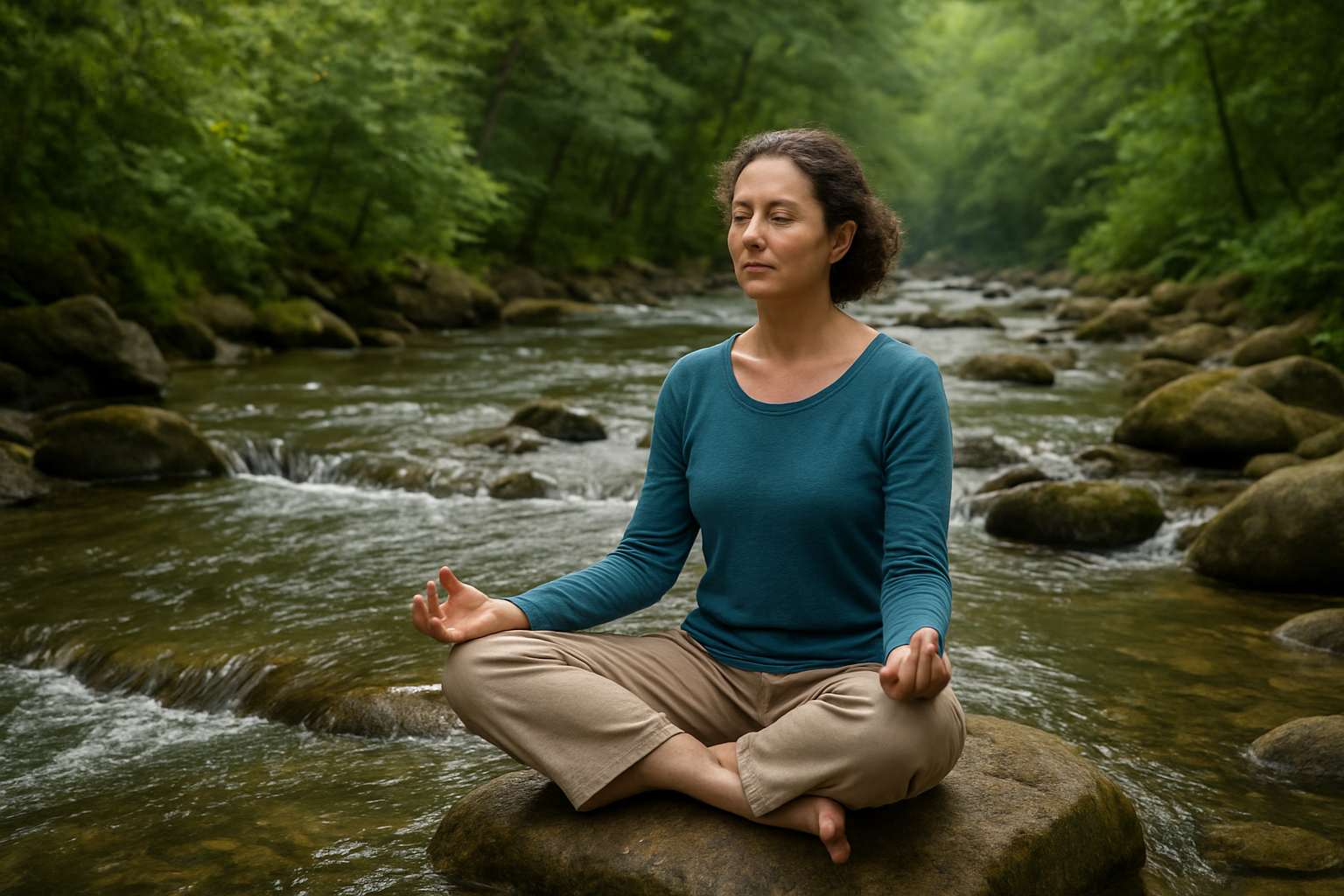
In the hustle and bustle of modern life, finding balance can seem as elusive as grasping water. The concept of “The Flowing Center” offers a way to embrace life’s constant changes while maintaining inner stability. This approach takes inspiration from the natural world’s seamless blend of movement and stillness.
Understanding the Flow
Life’s journey is much like a river, continuously moving and reshaping itself. According to Taoist philosophy, true balance lies not in resisting this flow but in harmonizing with it. As the Tao Te Ching by Lao Tzu suggests, “The wise man is one who knows what he does not know” and moves effortlessly within life’s currents.
“Life is a balance of holding on and letting go.” – Rumi
In our daily lives, achieving this balance involves understanding when to act and when to rest. The challenge lies in recognizing the moments that call for each. Here are some strategies to help you find your flowing center:
Strategies for Embracing the Flowing Center
Practice Mindfulness: Incorporate mindful practices like meditation and yoga to ground yourself. These activities help you remain present and aware, enabling you to respond rather than react to life’s changes.
Embrace Impermanence: Recognize that everything is transient. This understanding allows you to let go of attachments to outcomes and accept the natural ebb and flow of experiences.
Find Your Rhythm: Each person has a unique rhythm, like the distinct flow of every river. Honor your natural pace and resist societal pressures to conform to a speed that doesn’t align with your well-being.
Create Space: Declutter both your physical environment and your mind. Simplifying your surroundings makes room for new opportunities and insights to flow in.
Connect with Nature: Spend time outdoors and observe the effortless flow of nature. Let the serenity of the natural world inspire your own sense of balance and peace.
Ultimately, finding your flowing center is an ongoing journey. It’s about learning to dance gracefully with life’s unpredictable tides while maintaining a sense of calm and presence. As you embrace the stream of life, you may find that balance is not a destination but a dynamic, ever-changing process.
For further reading on finding balance within life’s flow, explore mindfulness techniques and the timeless wisdom of ancient philosophies.
In a world that is constantly on the move, finding moments of stillness has become a rare luxury. The traveler’s life, marked by endless journeys and ever-changing plans, can quickly become overwhelming. Yet, within this whirlwind of activity, there exists a profound opportunity: discovering stillness amidst motion. This balance is not only achievable but essential for the mindful traveler.
The Art of Stillness
“Sometimes the most productive thing you can do is relax,” said Mark Black, a motivational speaker and author. For travelers, embracing moments of stillness is about more than just taking breaks; it’s about cultivating a space within oneself that remains tranquil and centered regardless of external circumstances.
“It’s not about being still in the physical sense, but rather about finding that stillness mentally and spiritually,” notes Pico Iyer, a renowned travel writer. In his piece for the New York Times, he discusses how embracing stillness enriches the travel experience, allowing individuals to reflect and rejuvenate.
Mindful Practices for Travelers
Incorporating mindfulness into your travel routine can help maintain an inner calm. Here are a few practices to consider:
Meditative Breaks: Dedicate a few minutes each day to meditation, whether it’s a deep breathing session or guided meditation. Apps like Headspace and Calm offer useful resources for travelers.
Journaling: Keep a travel journal where you pen down your thoughts and experiences. This practice not only documents your journey but also serves as a reflective exercise.
Digital Detox: Allocate specific times to disconnect from digital devices. Use this time to observe your surroundings, engage with local culture, or simply relax.
Creating and Finding Restful Spaces
Finding a haven of peace is crucial, especially for those constantly on the go. Whether it’s a serene café, a quiet corner in a bustling city, or the tranquility of nature, restful spaces recharge and inspire.
A Taste of Local Life: Visiting local markets or attending community events can provide a unique perspective and a sense of connectedness.
Parks and Open Spaces: Natural settings, even within urban environments, offer respite from travel hustle. Parks, gardens, and riverside walks can be particularly rejuvenating.
Silent Retreats: Consider joining a short retreat or workshop focused on wellness and mindfulness. These experiences offer structured environments tailored to cultivating inner peace.
The Traveler’s Journey Within
The external journey through different landscapes and cultures becomes more meaningful when complemented by an internal journey. Author and philosopher Lao Tzu famously said, “A journey of a thousand miles begins with a single step.” This metaphorical journey towards inner stillness accompanies the traveler always, adding depth to their adventures.
“Travel far enough, you meet yourself,” states David Mitchell in his novel Cloud Atlas. The notion underscores that as travelers venture into the world, they also delve within, encountering aspects of their identity in novel circumstances.
Conclusion
In the constant motion of travel, finding stillness may seem counterintuitive, yet it is this stillness that bestows clarity and mindfulness. The traveler’s rest is an invitation to pause, reflect, and absorb the richness of their experiences. As you plan your next journey, consider not just the destinations on a map, but also how you can cultivate spaces of inner tranquility along the way. These moments of rest will not only enhance your travels but also nourish your soul.
Lantern in the Fog – Finding Light in the Unseen Way
Lantern in the Fog – Finding Light in the Unseen Way
In the depths of uncertainty, a metaphor emerges: the lantern in the fog. It represents the quest for clarity amidst the enigmatic journey of life—a subtle dance between illuminating the path ahead while embracing the ambiguity of uncharted territory. But how exactly do we find our way forward when the road is obscured?
In society’s current state, marked by technological upheavals and existential questions, the lantern in the fog serves as a beacon, prompting us to explore what it means to navigate the unseen way both metaphorically and literally.
A World Covered in Fog
The modern world mirrors the foggy landscape of our metaphor. Science fiction has long captured this essence, presenting worlds where future society grapples with unfamiliarity and the unknown. In Philip K. Dick’s groundbreaking novel, Do Androids Dream of Electric Sheep?, this theme is predominant. As technology advances, the boundary between human and machine becomes obscured, and characters seek clarity in their identities and humanity.
“The basic tool for the manipulation of reality is the manipulation of words. If you can control the meaning of words, you can control the people who must use the words.”
– Philip K. Dick
Illumination through Technology
In today’s reality, technology plays a dual role as both the fog and the lantern. On one hand, the rapid pace of technological change can obscure our path, creating a cyber fog where traditional maps are rendered obsolete. On the other, technology acts as a lantern, casting light on possibilities previously deemed impossible.
Virtual Reality (VR) and Augmented Reality (AR): Tools like VR and AR are extending our perceptual realities, creating new ways to experience the world. These technologies enhance our ability to see through the fog, providing a new avenue to understand complex situations by simulating diverse outcomes.
Artificial Intelligence (AI): AI acts as both a mysterious enigma and a guiding force. As AI capabilities expand, it raises questions about decision-making, ethics, and control. Yet, when harnessed responsibly, AI can analyze vast amounts of data, helping us make more informed choices.
For instance, AI technologies are beginning to sift through the ‘fog of information’ through advancements in healthcare. The data-heavy approach provides insights into personalized medicine, potentially saving lives by anticipating outcomes and suggesting treatments tailored to individuals.
Exploring the Inner Landscape
Beyond technological tools, finding light in the unseen way requires inner exploration. The fog is not only external but internal—a murkiness of thoughts and emotions that can obfuscate direction. Renowned psychologist Carl Jung emphasized the importance of facing our inner fog:
“Your vision will become clear only when you can look into your own heart. Who looks outside, dreams; who looks inside, awakes.”
– Carl Jung
The journey inward involves self-reflection, mindfulness, and an examination of one’s values and beliefs. This introspection often uncovers latent insights, akin to a lantern illuminating a path previously hidden by the fog.
Community as a Guidepost
While individual journeys are essential, the collective wisdom of communities can also serve as a beacon. Historically, communities have provided support, shared knowledge, and collective strategies to navigate uncertain times. Modern networks, whether digital or physical, continue this tradition.
Participating in discussions, sharing stories, and learning from diverse perspectives create a shared map that can help illuminate collective paths forward. Engaging with different viewpoints encourages a multifaceted understanding and helps break down the isolation that the metaphorical fog can sometimes breed.
Online forums and communities: Platforms such as Reddit and specialized forums for various interests act as a digital gathering space for people seeking insights and community wisdom.
Local community gatherings: Community centers and cultural events bring people together to share experiences and collective knowledge.
Charting a Path Forward
To find a light in the unseen way is to embrace the uncertainty inherent in life while consciously seeking understanding and clarity. As technological, inner, and communal lanterns guide our paths, we must also recognize the value of occasional detours and the beauty hidden in the mist.
The lantern in the fog, then, becomes a symbol of resilience—embracing complexity, acknowledging the unknown, and finding hope and clarity amid the haze. As we traverse this nebulous landscape, the light may flicker, but it remains an unwavering guide, illuminating the cryptic yet promising journey ahead.