Tag: experiences

  • The Algorithmic Altar: Spirituality in the Digital Age

    The Algorithmic Altar: Spirituality in the Digital Age

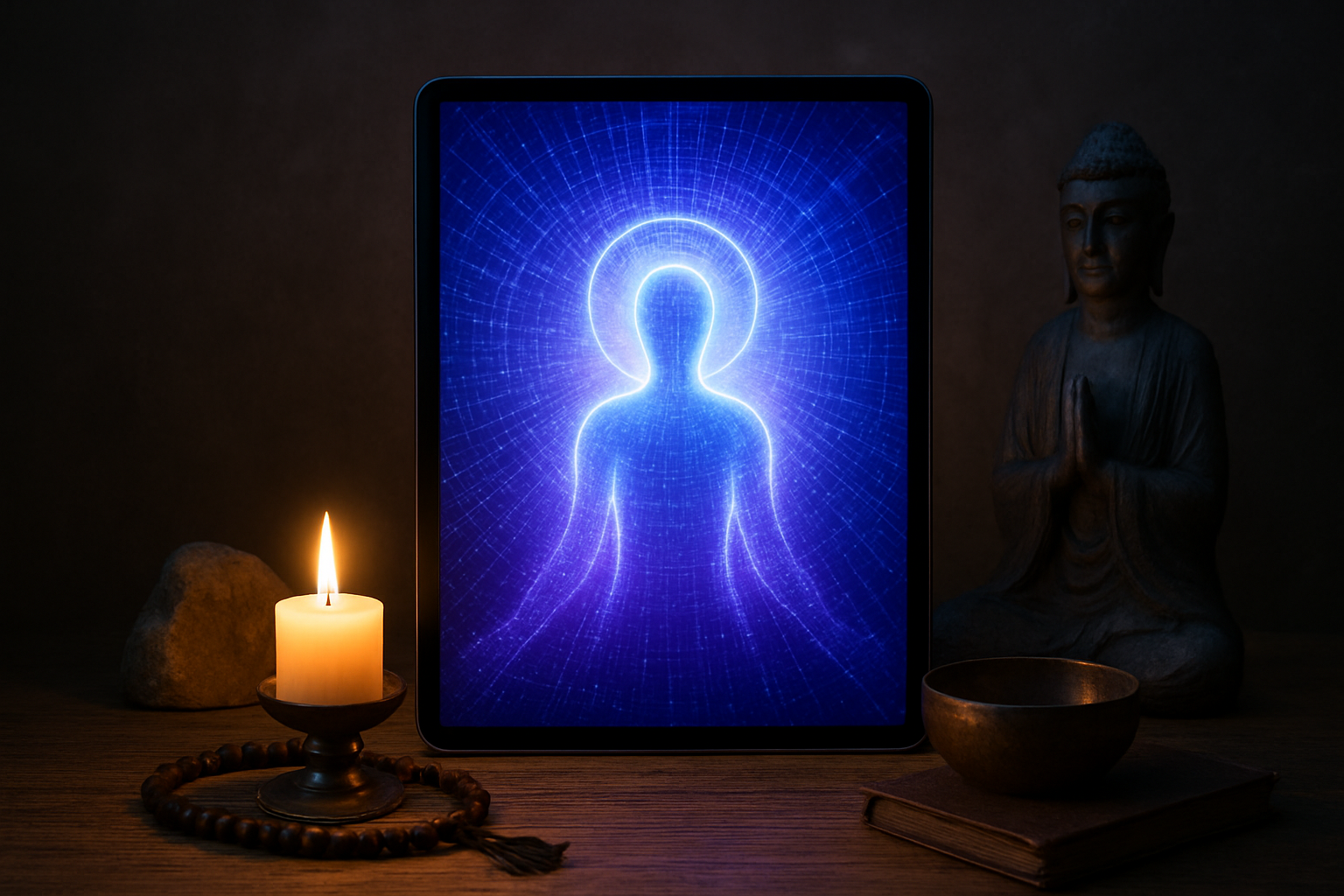
    In an era marked by rapid technological advancement, where algorithms govern much of our daily lives, the quest for spirituality seems, at first glance, paradoxical. However, a deeper examination reveals a profound intersection between the ancient pursuit of meaning and the digital tools of the modern age. This confluence is reshaping how individuals engage with spirituality in a world often viewed through the lens of technology.

    The Rise of Digital Spirituality

    With billions of people globally accessing the Internet, spiritual experiences are increasingly being sought out online. Meditation apps, digital religious communities, and virtual reality experiences offer new pathways to ancient practices.

    • Meditation Apps: Platforms such as Headspace and Calm guide users through personalized meditation sessions designed to reduce stress and enhance mindfulness.
    • Online Communities: Social media groups and forums serve as digital congregations, where individuals discuss beliefs, share practices, and support each other’s spiritual journeys.
    • Virtual Reality: Innovative use of VR technology allows practitioners to experience immersive environments, such as virtual temples and nature settings, which can enhance meditation and reflection.

    As David Gelles, a journalist covering mindfulness, notes,

    “Meditation in the age of smartphones is a testament to how seamlessly tradition and technology have woven themselves together.”

    This synergy between the old and the new underscores an evolving spirituality that embraces digital tools without losing connection to its roots.

    Challenges of Digital Spirituality

    Despite its growing popularity, digital spirituality faces significant challenges. Critics argue that digitizing spiritual practices risks losing the depth of experience traditionally cultivated in physical spaces and interpersonal connections.

    Sherry Turkle, a professor at MIT and author of “Reclaiming Conversation: The Power of Talk in a Digital Age,” highlights this concern:

    “The richness of our real-world interactions is irreplaceable, yet in their absence, digital interfaces offer a semblance of connection.”

    This perspective calls for a careful balance between leveraging technology and nurturing authentic, human-centered engagements.

    Advantages and Innovations

    The advantages of incorporating technology into spiritual practices are manifold. Accessibility is a key benefit, as digital platforms break down geographical and physical barriers, allowing spiritual seekers from diverse backgrounds to connect and learn. Additionally, data-driven insights offer personalized approaches to spirituality, helping individuals identify what practices resonate most with them through feedback and analytics.

    Organizations and startups are innovating at this intersection. For instance, Insight Timer combines community features with an extensive library of free meditations. Unlike traditional models, these platforms empower users with flexibility and choice, catering to diverse spiritual needs and preferences.

    The Future of Spirituality in a Digital World

    The intertwining of technology and spirituality is likely to deepen as digital tools continue to evolve. Emerging technologies such as artificial intelligence (AI) hold the potential to further enhance spiritual exploration by tailoring experiences to an individual’s unique needs and preferences.

    Religious institutions are also beginning to embrace digital transformation. During the COVID-19 pandemic, virtual services became commonplace, demonstrating the Church’s ability to adapt to changing circumstances. Moving forward, these hybrid models may become standard practice, offering both digital and physical means to participate in spiritual communities.

    Moreover, the digital age encourages a pluralistic approach to spirituality, where individuals are exposed to diverse religious and philosophical traditions, fostering a more inclusive global dialogue. As Benedictine monk and author David Steindl-Rast posits,

    “In the end, it is not religious affiliation or membership that matters, but encountering that is — no words.” This open, exploratory spirit is likely to characterize the future of spirituality amidst digital innovation.

    Conclusion

    The blend of spirituality and technology presents an opportunity to reinterpret age-old practices for modern contexts. While challenges persist, the potential for deeper, more widely accessible spiritual experiences is vast. The key lies in maintaining a mindful balance: utilizing technology to enhance, rather than replace, the human elements that remain integral to true spiritual understanding.

    As we navigate this merging of domains, the gravitational pull of spirituality promises to remain a vital force, one that guides our search for meaning amidst the pulsating algorithms of digital life.

  • Zen Nomadism

    Zen Nomadism

    Zen Nomadism: Embracing the Art of Simple Living and Traveling

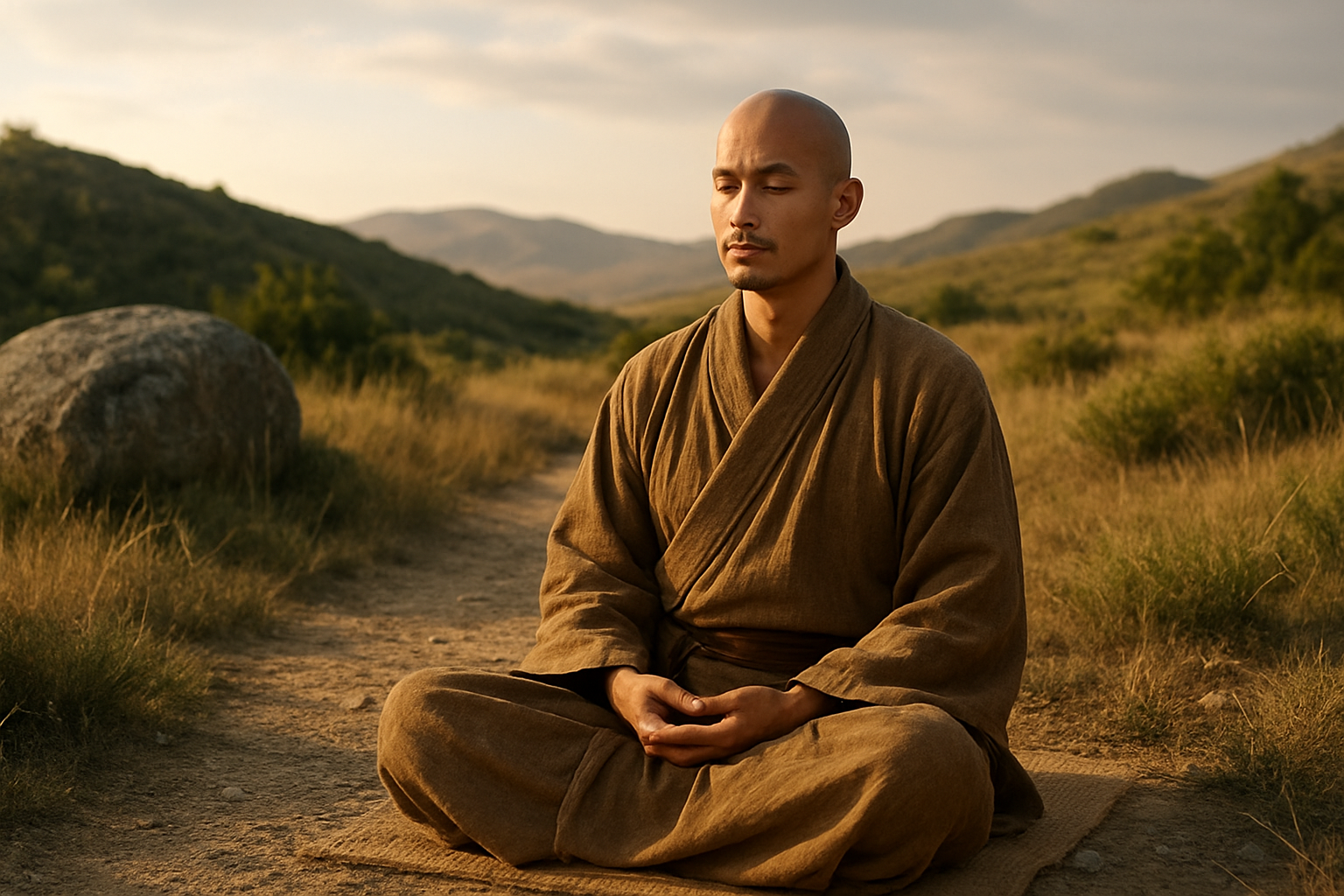
    In a world that often feels restless and overwhelming, the concept of Zen Nomadism emerges as a refreshing antidote. By blending elements of Zen philosophy with the wanderlust spirit of nomadism, this lifestyle encourages a harmonious and intentional approach to living and traveling. At its core, Zen Nomadism is about simplifying one’s life, finding peace in the present moment, and embracing the joys of exploration while practicing mindfulness.

    The Essence of Zen Nomadism

    Zen Nomadism is rooted in the ancient practices of Zen Buddhism, which emphasize simplicity, mindfulness, and presence. The nomadic aspect adds the dimension of continual movement, exploration, and adaptation. Together, these elements forge a path toward a life that values experiences over material possessions.

    “Zen is not some kind of excitement, but concentration on our usual everyday routine.” – Shunryu Suzuki

    • Simplicity: Zen Nomads prioritize reducing clutter, both physical and mental, focusing instead on what truly matters.
    • Mindfulness: Practicing awareness of the present moment allows nomads to fully experience their journeys and the people they encounter.
    • Adaptability: The ever-changing nature of a nomadic lifestyle requires flexibility and resilience.

    Benefits of Adopting a Zen Nomadic Lifestyle

    There are several compelling reasons why individuals might choose to embrace Zen Nomadism:

    • Freedom and Flexibility: Without the constraints of a permanent home and a rigid schedule, Zen Nomads can travel wherever they choose, often leading to experiences they might not have had otherwise.
    • Mindfulness and Presence: By practicing mindfulness, individuals learn to immerse themselves in each moment, savoring experiences rather than getting caught up in a perpetual chase for more.
    • Environmental Consciousness: The simplicity inherent in Zen Nomadism usually translates to a lower carbon footprint, as individuals often use fewer resources and produce less waste.
    • Deep Connections: With fewer distractions, there is more space for connecting with others, fostering deep and meaningful relationships with people from various backgrounds.

    Challenges and Considerations

    While Zen Nomadism is appealing in many ways, it also presents unique challenges. It requires an openness to uncertainty and an ability to navigate the complexities of travel logistics, language barriers, and cultural differences.

    “The traveler sees what he sees. The tourist sees what he has come to see.” – G.K. Chesterton

    Furthermore, the lack of a fixed address can complicate matters such as receiving mail, maintaining personal relationships, and managing finances. It is essential for those embarking on this path to have a plan for how they will address these challenges.

    Practical Steps to Embark on a Zen Nomadic Journey

    1. Declutter Your Life: Start by minimizing material possessions, keeping only what is essential to your journey and wellbeing.
    2. Cultivate Mindfulness: Incorporate daily practices of meditation and mindfulness to stay grounded.
    3. Research and Plan: Equip yourself with knowledge about potential destinations, including aspects of culture, language, and local customs.
    4. Embrace Simplicity: Opt for a simpler lifestyle that prioritizes experiences and connections over material wealth.
    5. Stay Open: Foster an attitude of openness and curiosity, allowing each new experience to inform and enrich your journey.

    A Personal Journey: A Zen Nomad’s Story

    Consider the story of Emily Adams, a former corporate executive who left her fast-paced job to pursue a life of Zen Nomadism. Emily recounts her transformation:

    “I realized I had spent years accumulating things and chasing achievements that brought only fleeting satisfaction. It was when I started letting go of my possessions and embracing the unknown that I truly found peace and fulfillment.”

    Emily’s journey took her to diverse destinations where she explored local communities, participated in meditation retreats, and volunteered for environmental projects. Through her travels, she achieved a profound understanding of the interconnectedness of life and the importance of being present.

    Conclusion: The Way Forward

    Zen Nomadism is not for everyone, but for those who feel called to it, it offers a deeply fulfilling and enriching way of life. Whether you decide to fully embrace this path or simply incorporate elements into your existing lifestyle, the teachings of Zen Nomadism—emphasizing simplicity, mindfulness, and presence—can serve as guiding principles to cultivate a more meaningful and connected life.

    For more insights into the journey of living simply, consider visiting resources like The Minimalists or exploring the teachings of Zen masters such as Thich Nhat Hanh.

    In the essence of Zen, may your journey be one of peace, discovery, and profound understanding.

  • The Silence Between Destinations

    The Silence Between Destinations

    As travelers in a bustling world brimming with noise and haste, we often overlook the profound significance of silence in our journeys. While the destinations often captivate our imaginations with promises of adventure, culture, and novelty, the silence between destinations offers its own kind of magic. This silence is not merely the absence of sound; it is a vital pause that breathes life into our experiences, a quiet intermission that connects the dots in our travel narratives.

    The Essence of Silence

    Silence is often misunderstood. It is not a void or simply the lack of noise. Instead, it is a space for reflection, contemplation, and connection to the self. According to a study by Psychology Today, silence can foster creativity and deep thought, allowing our minds to process experiences in a profound way. It is in these moments of stillness that we can truly hear the whispers of our own musings and insights.

    “Silence is a source of great strength.” — Lao Tzu

    The Journey as a Reflection

    Travel often involves transitions from one place to another—be it a plane, a train, or a long drive through open landscapes. These movements are the silent corridors of travel, offering a unique opportunity to indulge in contemplation. When we detach from the cacophony of designated tourist spots, we start to appreciate the transitions themselves as a journey—an inward pilgrimage. In these shared silences on the road, one can reflect on previous experiences, anticipate future ones, and live entirely in the present.

    Experiencing Silence in Nature

    Nature, in its untouched form, teaches us the true value of silence. The rustling of leaves, the gentle lapping of waves, the distant chirp of crickets—these sounds, although subtle, form a symphony of silence that can be incredibly restorative. The National Geographic highlights how the profound silence found in nature can be both healing and invigorating, reminding travelers that much of the world remains to be experienced beyond the chaos of human hubbub.

    “To the mind that is still, the whole universe surrenders.” — Lao Tzu

    Silence as a Cultural Experience

    Beyond the natural world, silence is deeply embedded in many cultural practices and rituals. In places like the serene temples of Kyoto or the tranquil gardens of an English countryside manor, silence is an integral part of the experience. When we embrace silence, we can appreciate the cultural nuances that cannot be conveyed through words. Participating in a Japanese tea ceremony or attending a Quaker meeting underscores the power of shared silence—allowing travelers to become one with the culture on a deeper level.

    • Temples and Sacred Spaces: These are not just about the spiritual; they are about a culture’s unspoken narratives.
    • Gardens and Nature Reserves: Often designed with the intent to be spaces of calm and quiet reflection, allowing visitors to connect with themselves.

    The Modern Traveler’s Noise

    In today’s digital age, the constant influx of information and noise can often be overwhelming. Our devices, while serving as invaluable travel tools, can also tether us to a continuous drone of notifications and distractions. Learning to embrace silence involves disconnecting from these digital noises, even if temporarily. In doing so, we allow for the synthesis of experiences without the constant interference of external stimuli.

    Embracing the Silence Between

    How, then, can we embrace this silence effectively? Here are a few steps:

    • Mindful Traveling: Engage completely in the journey. Listen to the quiet. Notice the space between the sounds.
    • Unplug: Designate specific times when technology is set aside. Allow your mind to wander without interruptions.
    • Observe: Take note of your surroundings, the subtle changes in the environment as you move from one destination to the next.
    • Journal: Use these quiet times to jot down thoughts, memories, and reflections, turning the silence into an eloquent narrative.

    Conclusion

    The silence between destinations is not a mere pause in travel, but a canvas on which we paint our experiences and thoughts. As Pythagoras aptly noted, “Silence is better than unmeaning words.” It is within this silence that we often find the most meaning, the most profound insights, and the deepest connections to ourselves and the world. Embrace the silence, for within it lies the true essence of travel.

    Ultimately, the destinations may enrich us with their history, culture, and beauty, but it is in the silence of the journey that we often find our truest selves.