Tag: eternal

  • The Eternal Road – Where Pilgrimage Never Ends

    The Eternal Road – Where Pilgrimage Never Ends

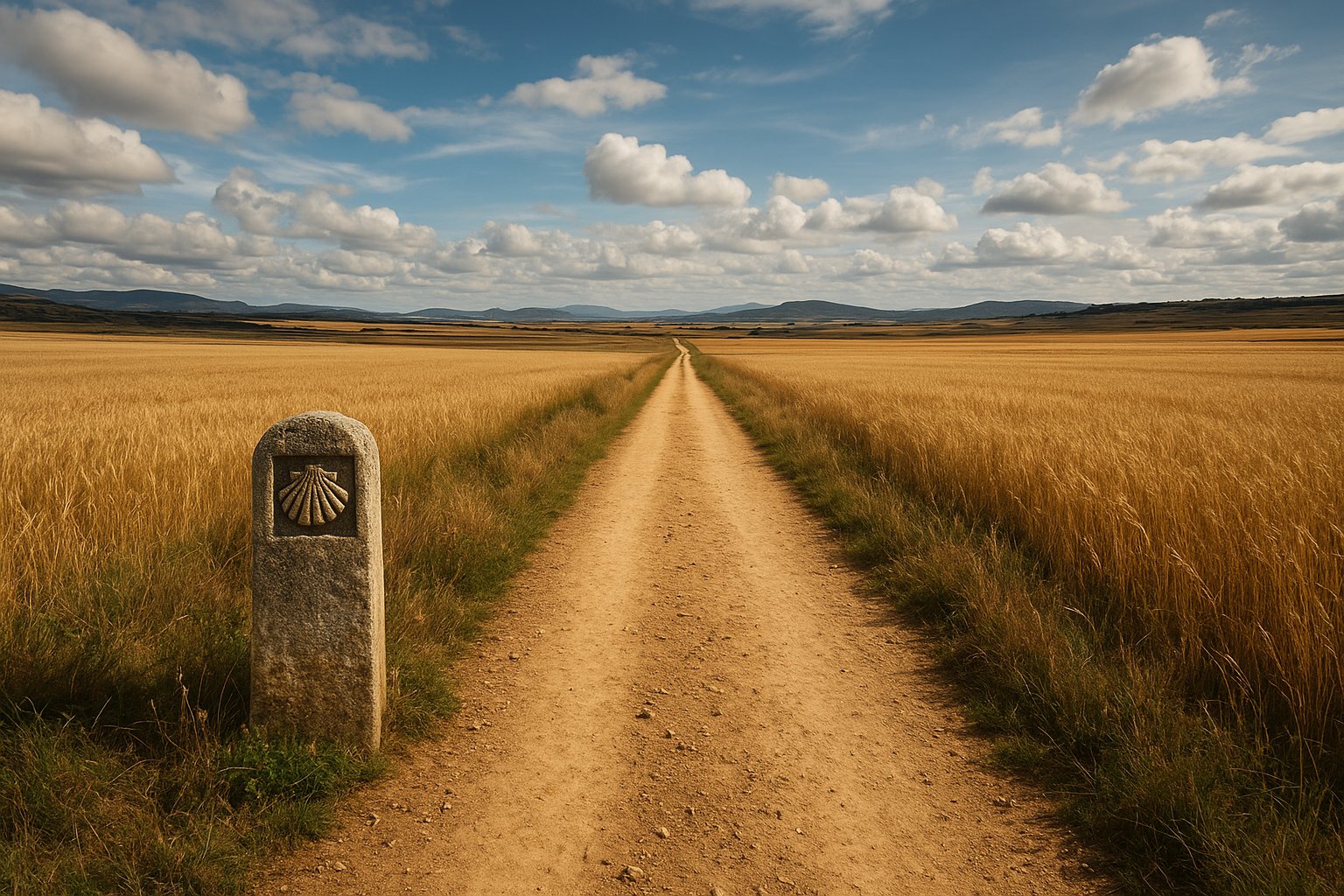
    In an age where destinations are often hyped for their novelty rather than their significance, there remains a timeless journey that transcends mere travel. The pilgrimage, an ancient practice of seeking spiritual depth, echoes through the annals of time, showcasing the eternal road where the journey itself is as consequential as the destination.

    “For the born traveler, traveling is a besetting vice. Like other vices, it is imperious, demanding its victim’s time, money, energy, and the sacrifice of comfort.” – Aldous Huxley

    Pilgrimages have been an integral part of human culture for millennia, woven deeply into the tapestry of numerous religions and traditions. From the Camino de Santiago in Spain to the Hajj in Saudi Arabia, these journeys are deeply rooted in cultural heritage, offering not just physical challenges but also profound spiritual awakenings.

    Walking into the Unknown

    The premise of a pilgrimage is simple yet profound: leave behind familiarity and comfort to embark on a path towards spiritual growth and enlightenment. The winding trails, be they through verdant landscapes or desolate deserts, provide pilgrims the solitude and reflection needed to connect with the divine. As Ralph Waldo Emerson wisely noted, “Do not follow where the path may lead. Go instead where there is no path and leave a trail.”

    • The Camino de Santiago: Stretching over 500 miles across Spain, this pilgrimage is a test of endurance and spirit. Pilgrims traverse the enchanting landscapes of Galicia, pausing ever so often to reflect upon the rich history and spirituality that marks each step.
    • The Hajj: A journey that draws millions every year to the holy city of Mecca, fulfilling one of the Five Pillars of Islam. This pilgrimage is emblematic of unity and devotion, exemplifying the collective journey of people from diverse backgrounds in a shared quest for divine closeness.

    The Journey Continues

    The beauty of the pilgrimage lies not just in reaching the destination but in the journey itself. National Geographic describes these journeys as “transformative experiences,” where the path walked matters more deeply than the end itself.

    In modern times, pilgrimages continue to evolve, welcoming those of all faiths and backgrounds, drawn to the journey for its promise of self-discovery, the challenge of personal limits, or the simple joy of wandering. Regardless of the destination, the road remains eternal, etched in the spirit of those who dare to tread upon it, constantly reminding us that in the search for meaning, it’s the journey that truly matters.

  • Walking the Eternal Circle – The Endless Pilgrimage of Dao

    Walking the Eternal Circle – The Endless Pilgrimage of Dao

    Walking the Eternal Circle: The Endless Pilgrimage of Dao

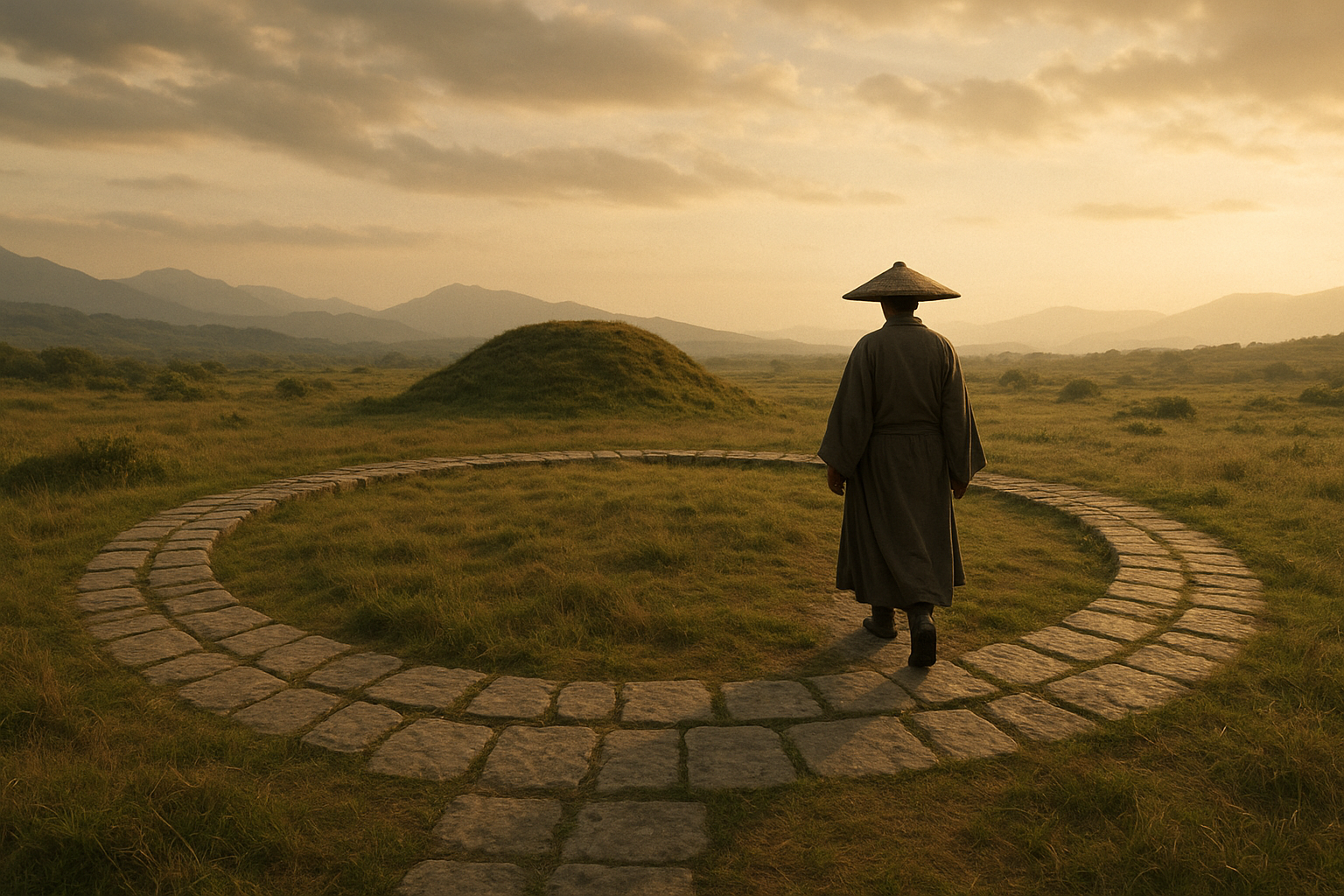
    In the vast expanse of spiritual practices, the path of Daoism offers a profound journey, one not toward a specific destination but toward the eternal present moment. This journey is often described as an “Endless Pilgrimage,” a cyclical exploration of the self and the universe intertwined.

    Understanding Dao

    The term “Dao” or “Tao” translates literally to “the Way.” It is the foundational concept of Daoism, a philosophy that emphasizes living in harmony with the Dao, the unchanging principle behind the universe. As Laozi, a central figure in Daoism, eloquently stated, “The Dao that can be told is not the eternal Dao; the name that can be named is not the eternal name.” (Tao Te Ching). This paradoxical statement encapsulates the idea that the true Dao transcends human language and conceptual thinking.

    The Cyclical Nature of Life

    Walking the eternal circle signifies embracing the cyclical nature of life. In Daoism, life is seen as a series of flowing cycles, much like the change of seasons or the ebb and flow of the tides. These cycles are not linear but circular, echoing the belief that each end signals a new beginning.

    The Practice of Wu Wei

    A key aspect of this pilgrimage is the practice of Wu Wei, or “non-action.” This does not imply inaction but rather an action that is in perfect harmony with the flow of the universe. As Zhuangzi, another celebrated Daoist sage, explains,

    “The Dao does nothing, and yet nothing is left undone.”

    This principle encourages adherents to align their actions with the natural order, cultivating a life of effortless grace.

    Embracing Simplicity and Contentment

    • Simplicity: Daoist teachings often emphasize the beauty of simplicity. By stripping away unnecessary desires, one can better align with the Dao.
    • Contentment: Achieving harmony requires a deep appreciation of what is. Contentment becomes a natural state, reducing the endless striving for more which characterizes much of modern life.

    The Journey Within

    Walking the eternal circle is as much an inner journey as it is an outer one. It requires mindfulness and meditation, practices that quiet the mind and open the heart to the Dao. This journey is both personal and universal, inviting practitioners to explore the interconnection of all things.

    Ultimately, the Endless Pilgrimage of Daoism offers a path of spiritual fulfillment through harmony, simplicity, and unity with the ever-present “Way.” As each step is taken, the circle closes, only to open again, revealing new layers of existence to be explored.