Tag: energy

  • Chi and the River

    Chi and the River

    Chi and the River: Exploring Spirituality and Connection Through Water

    The concept of Chi, also known as Qi, has been a fundamental part of Eastern philosophy and traditional medicine for centuries. Often described as the life force or vital energy that flows through all living things, Chi is integral to practices such as Tai Chi, Feng Shui, and various forms of Chinese medicine. In recent years, Western audiences have become increasingly fascinated by this concept, exploring its implications in various aspects of life, including the natural world. One of the most captivating analogies is seeing Chi mirrored in the flowing dynamics of a river.

    “Chi is the circulating life energy that in Chinese philosophy is thought to be inherent in all things. In traditional Chinese culture, it’s believed that disruptions to your Chi can result in illness and imbalance.” – Encyclopedia Britannica

    The River as a Metaphor for Chi

    Rivers are often used symbolically in literature and art to represent the flow of time, life’s journey, and the constant change inherent in our existence. In the study of Chi, these flowing waters serve as a poignant metaphor for how energy courses through our bodies and the universe at large:

    • Flow and Movement: Just as a river flows continuously, unhindered, so should the Chi within us. Any blockage in this flow can lead to disruptions, much like a dam causing a buildup of pressure in a river.
    • Interconnectedness: All rivers eventually reach an ocean, highlighting the interconnectedness of different parts of a larger system. This is akin to Chi, which connects us to the environment, others, and the cosmos.
    • Adaptability: A river adapts to its path, curving around obstacles, which symbolizes resilience and flexibility – key aspects when cultivating a balanced Chi.
    • Purification: The flow of a river often symbolizes purification, as the moving water cleanses itself and its banks. Similarly, practices that enhance Chi often include elements of cleansing and detoxification.

    Practices to Synchronize with River Chi

    Incorporating the essence of river-inspired Chi into daily life can be both a spiritual and physical journey. Here are a few practices commonly recommended:

    • Meditation by Water: Sitting by a stream or river and meditating can help synchronize one’s own energy with the natural flow of the water, promoting peace and mental clarity.
    • Tai Chi and Qigong: These exercises are designed to enhance Chi flow through slow, deliberate movements, often performed in natural settings to harmonize with the environment.
    • Breathing Techniques: Focused breathing exercises draw inspiration from the rhythmic flow of water, facilitating a seamless flow of energy within.
    • Visualization: Envisioning oneself as a river can mentally unblock emotional or physical obstacles, allowing energy to move freely.

    The Cultural Significance of Rivers

    In addition to its spiritual parallels, rivers have played critical roles in the development of civilizations around the world. Many great ancient cultures, such as those along the Nile, Tigris-Euphrates, and the Yellow River, flourished because of the resources and transportation benefits provided by these waterways.

    Each river, with its unique characteristics, tells a story. The Yangtze River, for example, is often referred to as the cradle of Chinese civilization and has long been integral to trade, agriculture, and cultural development in the region. Its representation in local folklore and art further underscores its cultural and spiritual significance.

    “The Yangtze River is not only a major waterway, but it is also an important thread in the historical and cultural narrative of China, linking towns through its banks and connecting communities over millennia.” – National Geographic

    Reflections on Chi and Nature

    Understanding Chi through the lens of natural elements like rivers provides a holistic perspective on the connection between humans and the environment. It emphasizes the importance of maintaining balance and harmony, drawing parallels between natural processes and human life.

    Practitioners of various disciplines affirm that by appreciating and emulating the flow of a river, individuals can enhance their own vitality and connectivity with the world around them. As we continue to explore the concept of Chi, it becomes clear that rivers offer profound insight into how we can live in balance and harmony with ourselves and our environment.

    For more information about Chi and its applications in daily life, check out resources such as The Qigong Institute.

  • Eco-Karma: Actions That Heal the Earth

    Eco-Karma: Actions That Heal the Earth

    Eco-Karma: Actions That Heal the Earth

    Eco-Karma: Actions That Heal the Earth

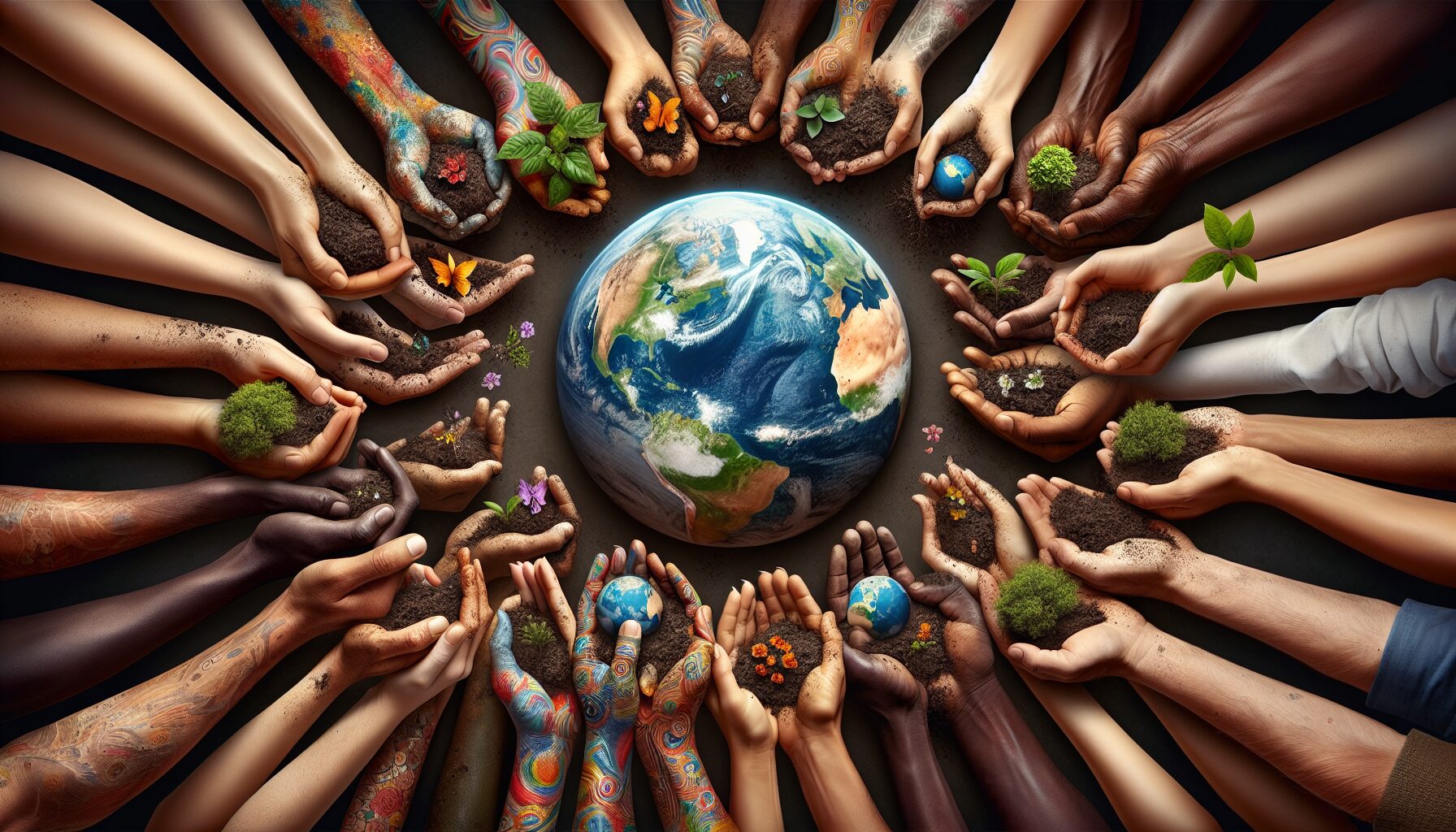
    In an age where environmental conservation is no longer a choice but a necessity, individuals are seeking out ways to offset their carbon footprint and restore balance to our planet. This movement, often termed as Eco-Karma, emphasizes the power of collective action in healing the Earth through sustainable practices.

    The Power of Individual Actions

    While the challenges of climate change can seem daunting, change often begins with a single step. Here are some practical actions individuals can take:

    • Reduce, Reuse, Recycle: This age-old mantra is still relevant. By minimizing waste and opting to recycle, we significantly reduce our carbon emissions and conserve natural resources.
    • Support Renewable Energy: Switching to renewable energy sources like solar or wind can have profound impacts on reducing carbon footprints. According to the International Energy Agency, renewable energy is the fastest-growing energy source globally.
    • Plant Trees: Trees absorb carbon dioxide and release oxygen, acting as natural air purifiers. Initiatives such as the National Forest Foundation aim to plant millions of trees every year.
    • Conscious Consumerism: Supporting eco-friendly brands that prioritize sustainability can drive industries towards greener practices.

    Community and Global Initiatives

    While individual efforts are crucial, community and global collaborations amplify the impact:

    • Community Clean-ups: Organizing or participating in local clean-ups helps maintain local ecosystems and fosters a sense of community.
    • Advocacy and Education: Educating others and advocating for policy changes encourages broader societal shifts. Initiatives like the 350.org campaign aim to reduce carbon emissions by advocating for significant political action.
    • Support Indigenous Practices: Indigenous communities often have sustainable environmental practices that have been honed over centuries. Supporting and learning from them can offer valuable insights and strategies for preserving the natural world.

    “True change requires a united effort of both small-scale individual actions and large-scale policy changes. It’s the synergy between these efforts that can create lasting impact.” – Nature, 2019

    By participating in Eco-Karma, we not only contribute to environmental healing but also set a precedent for future generations. As each action ripples outward, it transforms the environmental landscape, ultimately healing our Earth one step at a time.

  • Falun Gong and the Flow of Nature

    Falun Gong and the Flow of Nature

    Falun Gong and the Flow of Nature

    Falun Gong and the Flow of Nature

    Falun Gong, also known as Falun Dafa, is a spiritual practice that emerged in China in the early 1990s. It intricately blends meditation, qigong exercises, and moral philosophy, with a profound emphasis on aligning with the natural universe. This article explores how Falun Gong adherents perceive and harmonize with the flow of nature.

    Understanding the Core Principles

    At the heart of Falun Gong are three primary principles: Truthfulness (Zhen), Compassion (Shan), and Forbearance (Ren). These tenets reflect the natural elements believed to govern the universe. Practitioners strive to embody these virtues in their daily lives, aiming to achieve a state of inner peace and enlightenment.

    “Falun Gong unites Buddhism, Taoism, and Qigong practices,” according to Encyclopaedia Britannica.

    The Philosophy of Harmony with Nature

    The concept of nature in Falun Gong encompasses not only the external physical environment but also the internal landscapes of the human mind and spirit. The practice encourages individuals to align their energies with the cosmic laws or “Dharma” to experience natural alignment with the world.

    Exercises and Meditation

    Central to the practice are the five sets of exercises, including meditation, which practitioners perform to purify the body and mind. These exercises are designed to open energy channels, enhance circulation, and increase a person’s life force or qi. According to Falun Dafa Information Center, this energy synchronization leads to unprecedented levels of mental clarity and physical health.

    • Buddha Showing a Thousand Hands: This exercise serves to reshape the energy field.
    • Falun Standing Stance: A series of gentle movements for energy absorption.
    • Penetrating the Cosmic Extremes: It involves bridging the energy from the cosmos into one’s body.
    • Falun Heavenly Circuit: Facilitates the movement of energy throughout meridians.
    • Way of Strengthening Divine Powers: Meditation to refine and strengthen one’s spiritual essence.

    How Falun Gong Views the Universe

    Falun Gong advocates for a holistic view of the cosmos, perceiving the universe as a sentient entity in which individuals must coexist symbiotically. Practitioners are encouraged to maintain ecological awareness, aligning their activities with environmental preservation to promote universal balance.

    This philosophical stance reflects traditional Chinese views of the world, modeling human life as a microcosm of the universe. Actions disturbing this balance are believed to lead to negative karma, while virtuous actions are thought to harmonize an individual’s energies with those of the cosmos.

    Social and Cultural Dimensions

    Since its inception, Falun Gong has experienced significant growth and spread beyond China. With millions of practitioners worldwide, the movement has fostered a unique subculture centered on health, tranquility, and ethical conduct. This expansion illustrates the resonance of Falun Gong’s teachings in contemporary global society.

    The practice has also faced adversity, notably from the Chinese government, which has imposed severe restrictions, citing political motives. Despite this, practitioners continue to emphasize peaceful resistance and the power of unity, epitomizing the natural flow of resilience and compassion in human interactions.

    “I think it is important to recognize the importance of belief. To me, Falun Gong changes people’s hearts,” said Mr. Li Hongzhi, the founder of Falun Gong, in a 1999 interview with the Los Angeles Times.

    Scientific Perspectives and Health Benefits

    Numerous studies have explored the health benefits associated with Falun Gong practice. Research indicates improvements in mental health, reduced stress levels, and increased physical wellness among practitioners. This suggests the practice’s ability to effectively contribute to harmonizing the body’s flow with nature by balancing physical and spiritual health.

    Moreover, scientific inquiries into the efficacy of qigong and other similar practices present a growing acknowledgment of traditional techniques in modern medicine, shedding light on potential complementary health practices that align with ancient wisdom.

    Conclusion: Falun Gong’s Contribution to Global Wellbeing

    As humanity faces unprecedented ecological and sociopolitical challenges, the philosophies inherent in Falun Gong offer profound insights. By emphasizing harmony between individuals and nature, this practice encourages actions contributing to personal and collective well-being.

    Ultimately, Falun Gong’s approach to spiritual purification through moral rectitude and energy cultivation represents a steadfast return to the core principles guiding centuries of human evolution. In doing so, it echoes a timeless message: when humans align with nature’s flow, the universe responds with abundant peace and prosperity.