Tag: each

  • One Step, Infinite Journey – The Zen of Every Movement

    One Step, Infinite Journey – The Zen of Every Movement

    One Step, Infinite Journey – The Zen of Every Movement

    One Step, Infinite Journey – The Zen of Every Movement

    The essence of Zen often defies logical reasoning and verbal explanation, yet it profoundly permeates every movement and breath. In the words of Zen master Thich Nhat Hanh, “Walk as if you are kissing the Earth with your feet.” This simple act of walking, seen through the Zen lens, transforms into a profound journey of enlightenment.

    The Philosophy of Zen in Everyday Life

    Zen Buddhism emphasizes mindfulness and experiencing the present moment without distraction. It invites us to engage fully with every task and step we take. In this practice, every movement becomes purposeful and sacred, encapsulating the infinite possibilities within the framework of the here and now.

    “Life is available only in the present moment. If you abandon the present moment, you cannot live the moments of your daily life deeply.” — Thich Nhat Hanh

    The Journey Begins with a Single Step

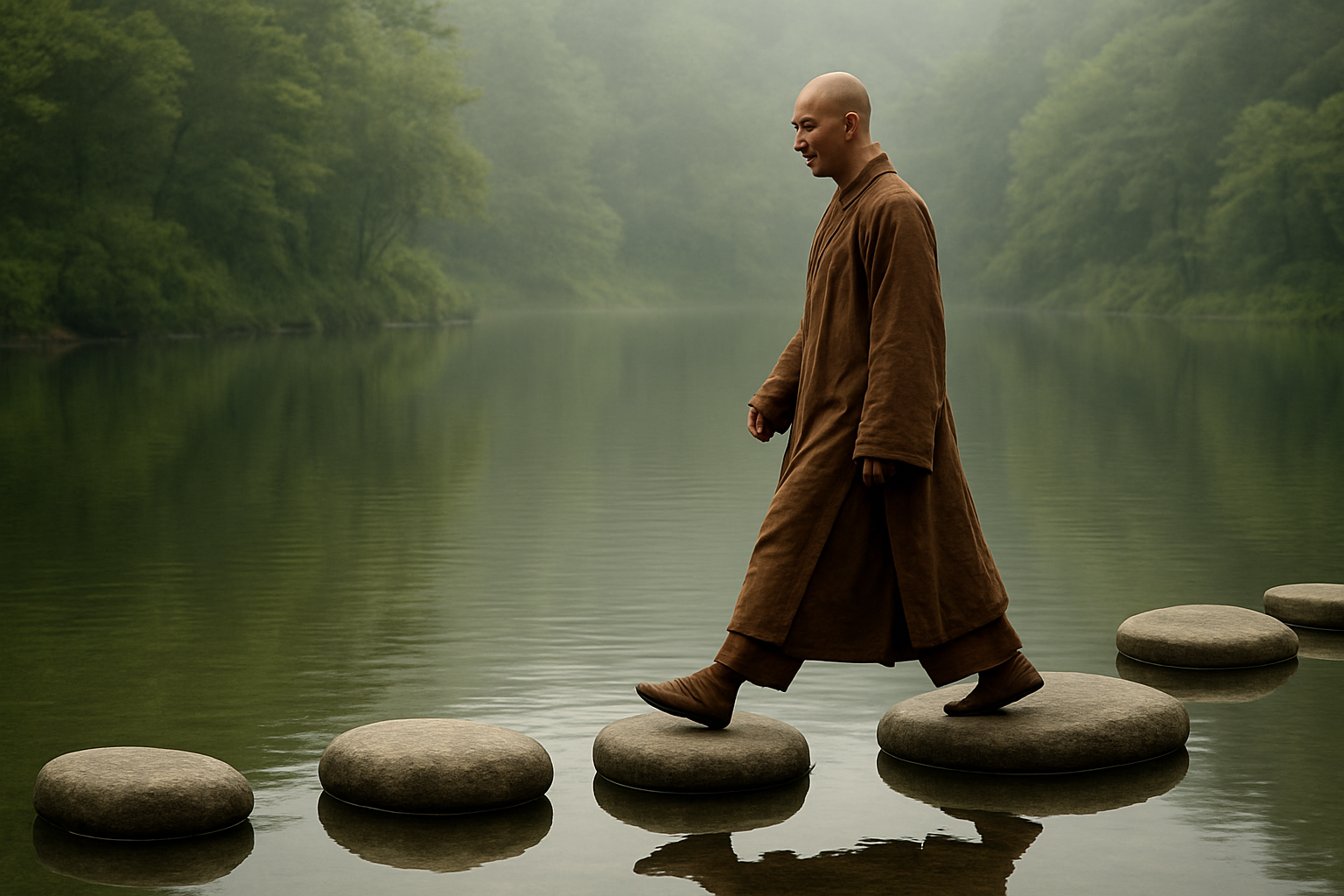
    In the Zen practice of walking meditation or kinhin, practitioners focus intensely on the act of walking. Each step becomes an expression of concentration and mindfulness. The rhythm of walking aligns with breathing, creating a state of unified awareness between body and mind. This practice illustrates the Zen teaching that the journey’s essence is to reside wholly in each action, however simple it may seem.

    The Infinite Potential of Every Step

    In his work The Way of Zen, Alan Watts elucidates, “The journey of a thousand miles begins with a single step.” This Zen-inspired wisdom highlights not just the beginning of any journey but emphasizes the value found in each individual step. Within that moment, the universe unfolds with endless potential, as each step is both complete in itself and a part of a broader continuum.

    Modern Applications of Zen Movement

    In today’s fast-paced world, mindfulness practices including Zen movements, offer an antidote to stress and distraction. Whether it’s through yoga, tai chi, or simple walking meditations, integrating mindful movement into daily routines can foster deeper awareness and relaxation.

    • Yoga: With its foundation in mindfulness and breath, yoga offers a path to integrate physical movement with Zen principles, enhancing physical and mental well-being.
    • Tai Chi: This gentle martial art, often described as “meditation in motion,” draws heavily on Zen concepts to cultivate balance, awareness, and inner peace.
    • Mindful Walking: Practiced anywhere, mindful walking allows individuals to harness the Zen power of each step, promoting clarity and groundedness.

    Embracing the Zen of Movement in Daily Life

    The teachings of Zen remind us that life’s most transformative experiences occur within the simplicity of everyday actions. It’s essential to cultivate an awareness that respects each moment as a contributing factor to the journey of life. As we embrace the Zen of every movement, each step—each breath—becomes more than mere actions; they are extensions of our inner essence reaching out to connect harmoniously with the world around us.

    In conclusion, the Zen of every movement teaches us to savor life’s journey, explore the infinite potential of each moment, and approach every step with mindfulness and intention. In doing so, both our bodies and spirits are nourished by the present, allowing us to walk our path with greater wisdom and peace.

  • The Quiet Pilgrim – Traveling in Silence and Awareness

    The Quiet Pilgrim – Traveling in Silence and Awareness

    The Quiet Pilgrim: Traveling in Silence and Awareness

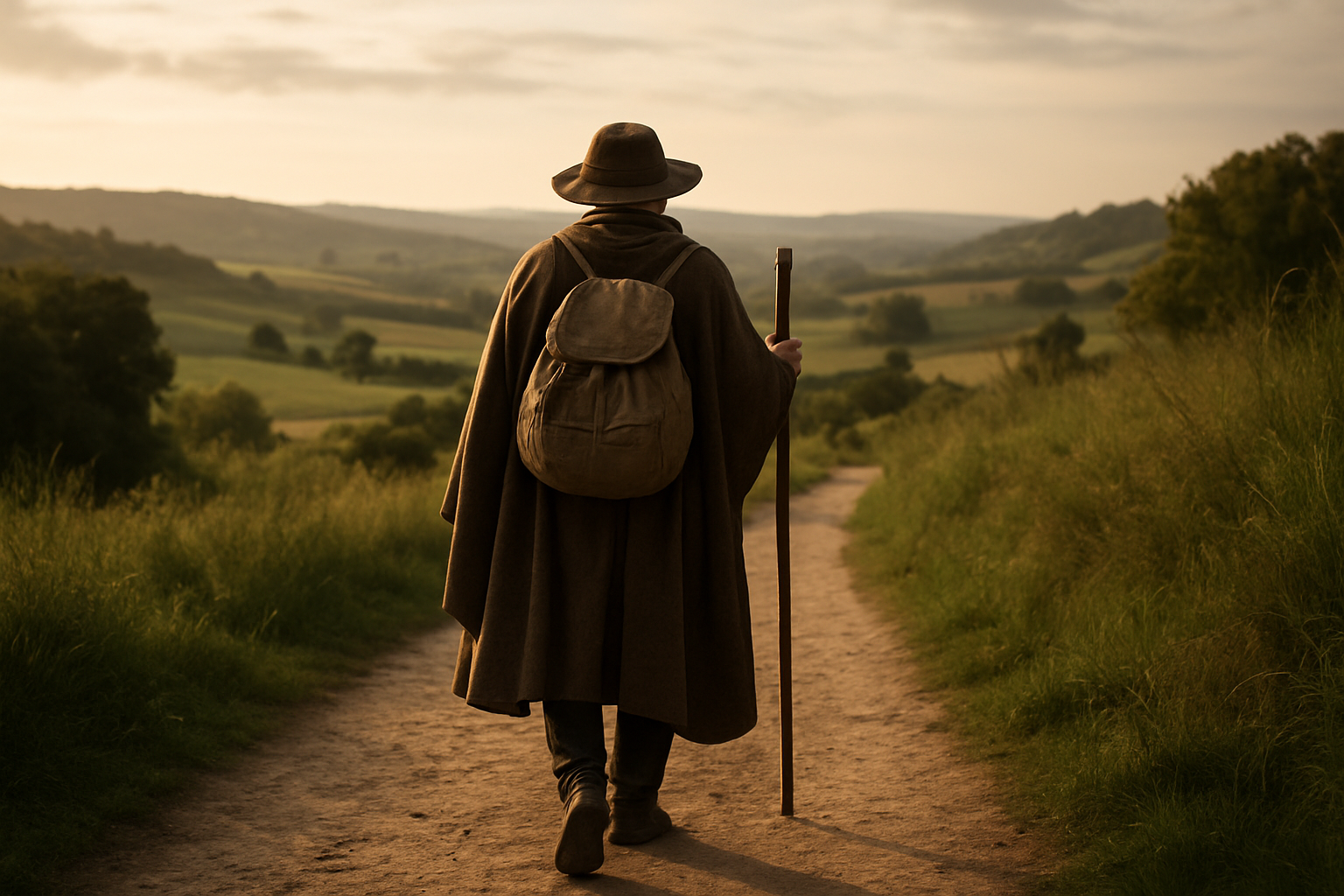
    Traveling has always been a journey not just of the feet, but of the soul. Yet, in our hyper-connected, continually noisy world, the art of silent traveling — moving not just with quiet steps but with a silent mind — has nearly been lost. The quiet pilgrim revives this ancient art, embarking on journeys of deep introspection and acute awareness, finding meaning in silence and presence.

    The Philosophy of Silent Travel

    Silent travel is not merely the absence of sound but a conscious choice to foster a deeper connection with one’s surroundings and inner self. It is based on practices and philosophies that embrace mindful awareness, urging travelers to be fully present in each moment. This form of travel invites individuals to listen more attentively to the world, discovering stories spoken not in words but in the whisper of a breeze or the rustle of leaves.

    “The real voyage of discovery consists not in seeking new landscapes, but in having new eyes.” — Marcel Proust

    Proust’s words resonate deeply with the quiet pilgrim. This new way of seeing does not require grand vistas or thrilling adventures. Instead, it involves a quiet openness to whatever arises in the journey’s path, allowing each moment to reveal its own beauty and lessons.

    Practices for the Quiet Pilgrim

    Embracing the way of the quiet pilgrim requires certain practices and a shift in mindset. Here are some key elements:

    • Meditative Walking: This practice involves walking with full attention on each step and breath, merging the body and mind in the present moment.
    • Mindful Listening: Focus intently on the sounds of your surroundings. With each sound, observe its texture and origin without judgment.
    • Observation Without Labels: Look at each object, person, or scene without naming or categorizing, seeing things as if for the first time.
    • Journaling: End each day by noting down feelings and observations. This promotes a reflective state of mind and preserves the silent insights gained.

    Silent Destinations: Where to Embrace Tranquility

    While the journey of a quiet pilgrim begins from within, certain destinations amplify the experience of silence and solitude:

    1. Japanese Zen Gardens

    These meticulously designed spaces offer a sanctuary for peaceful contemplation. The simplicity and harmony in their design inspire a meditative state even in novice practitioners. Kyoto, in particular, hosts several stunning examples such as the Ryoan-ji Temple.

    2. Saharan Desert

    The vast emptiness of the Sahara invites a profound encounter with solitude. The absence of human noise serves as a powerful mirror, reflecting back the thoughts swirling within.

    3. Scandinavian Forests

    The deep, ancient woods of Scandinavia provide a natural cocoon of silence. Swedish law, known as Allemansrätten, allows free access to roam these serene spaces, encouraging an intimate connection with nature.

    Benefits of Traveling in Silence

    The benefits of embracing silent travel are numerous and profound. Here are a few:

    • Deepened Awareness: Silence clears the mind, fostering deeper awareness of your surroundings.
    • Stress Reduction: By escaping the distractions of daily noise, the body and mind find relaxation and balance.
    • Enhanced Creativity: In the absence of the usual noise, the mind has the freedom to explore new thoughts and inventive ideas.
    • Connection to Nature: As silence envelops the traveler, a more profound connection to the natural world is cultivated.

    Stories from Silent Travelers

    Many who have embarked on silent journeys share transformative experiences. Travel + Leisure features accounts of individuals who, after embracing quiet travel, discovered new perspectives on life and self. One traveler noted:

    “In the depth of the forest, I heard the song of life itself. It was not that sound had been absent; it was that I had not been listening.”

    Embarking on Your Own Silent Journey

    If the call of silent travel speaks to your heart, the journey need not be grand or far-reaching. Begin within your own community: a quiet early morning walk in a nearby park, a day without digital distractions, or a weekend retreat focused on silence and meditation. The key lies in intent, the resolve to step into the world with quietude and mindfulness.

    In conclusion, the path of the quiet pilgrim is one that promises not just a journey but a transformation. By walking it, you may find yourself stepping towards not just new destinations, but towards a renewed state of being. Embrace this silent path, and allow its unfolding to etch new dimensions into the tapestry of your life.

  • Zen of the Mountain Path – Awakening Step by Step

    Zen of the Mountain Path – Awakening Step by Step

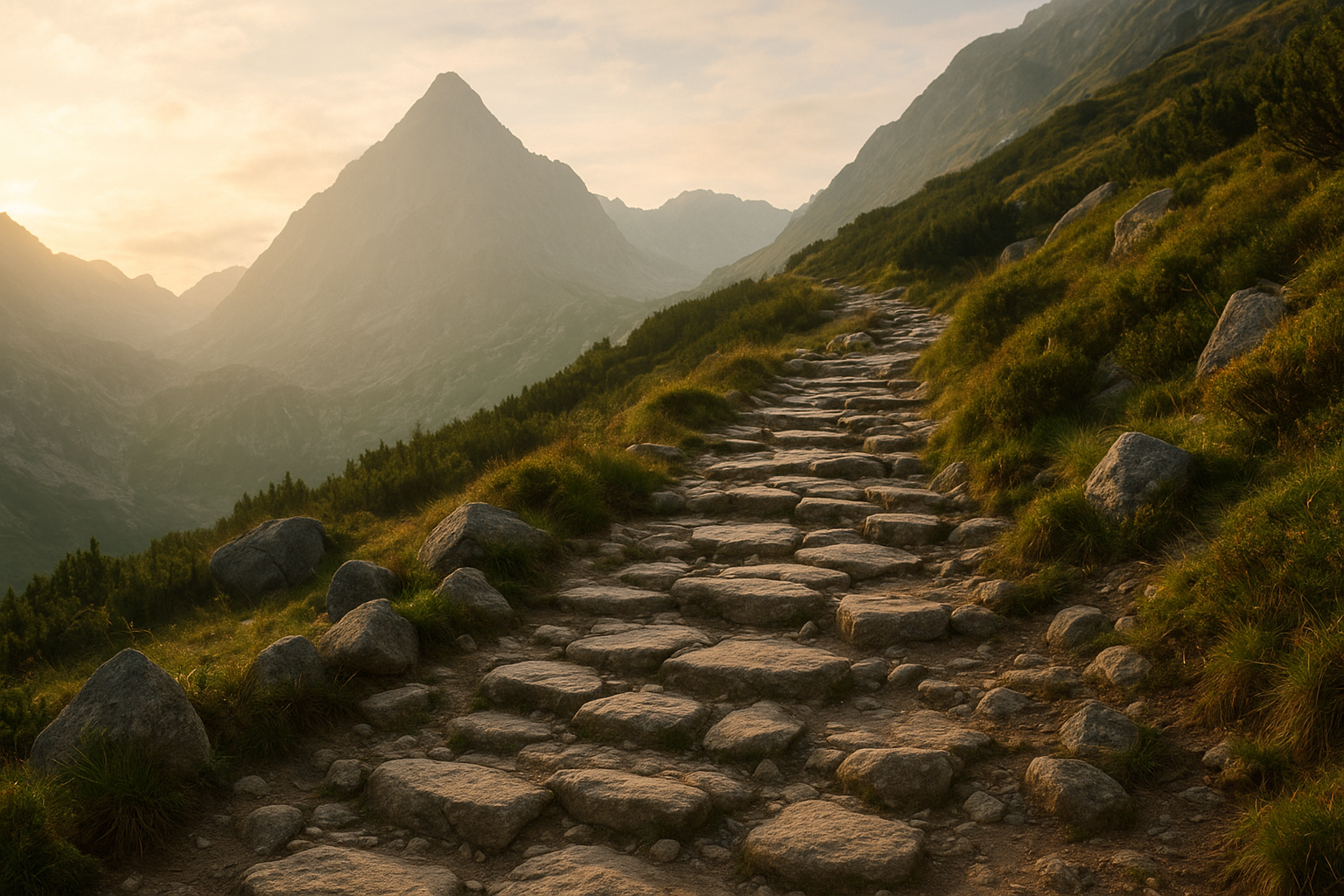
    In the heart of Japan, amidst the silent whisper of pine trees and the ruggedness of unyielding cliffs, lies the Zen path up the revered Mount Koya. This path, winding and steep, is more than just a trail to a picturesque summit. It is a metaphorical journey towards enlightenment, a step-by-step process of awakening that has captured the imagination of many spiritual seekers.

    The Journey Begins

    Every journey up the mountain begins with a single step, much like every journey towards enlightenment. The Zen philosophy teaches us that true enlightenment is not a sudden revelation but rather a gradual awakening, achieved through persistent practice and awareness. The act of climbing, one step at a time, encourages practitioners to focus on the ‘now’, to be present and mindful of each movement.

    “The only Zen you find on the tops of mountains is the Zen you bring up there.” – Robert M. Pirsig

    Meditation, an integral part of Zen practice, finds a perfect partner in the act of walking up a mountain. Many who embark on this pilgrimage engage in walking meditation, a practice that combines the physical act of walking with meditative awareness. This activity demands concentration on the rhythm of footsteps, the breath, and the sensations of the body.

    Lessons of the Path

    • Acceptance of the Present: The mountain path compels acceptance of the present. The challenges of the climb mirror the difficulties of life, teaching us to accept situations with grace and patience.
    • Perseverance: Like life, the mountain presents obstacles. Each step requires endurance and resilience—a lesson in perseverance.
    • Humility: The vastness of the mountain against our human scale induces a humility in the climber, fostering a greater sense of interconnectedness with the world.

    Nature’s Silence and the Inner Voice

    As one ascends further up the path, the noise of the world falls away. This departure from the mundane allows climbers to tune into their inner voice. In Zen, this is a crucial aspect of understanding one’s Buddha-nature. The silence of nature is profound, encouraging introspection and self-awareness.

    Zen monks have long used secluded environments, such as mountains, to cultivate a deeper understanding of their own minds. The great Zen master Dogen Zenji once said, “To study Buddhism is to study the self. To study the self is to forget the self.” The mountains become a student’s life-long mentor, revealing the secrets of the self to those who are willing to listen.

    Reaching the Summit

    Arriving at the summit of Mount Koya, climbers are rewarded not just with breathtaking views but with the profound satisfaction of having completed a spiritual journey. This summit is not the end but rather another beginning—a place to reflect on the journey and prepare for the descent.

    In Zen, the descent is as important as the climb. It symbolizes bringing the gained insights and wisdom back to the ordinary world. The essence of Zen practice lies in carrying the peace of the mountains into the bustle of everyday life.

    Conclusion

    The Zen of the mountain path is a potent reminder of life’s ephemeral nature. It teaches us the value of each step, the importance of the journey over the destination, and the endless process of awakening that life itself presents. As with any good Zen practice, it encourages one to be at peace with the path beneath their feet, no matter how rocky it may be. In the eloquent words of Jack Kerouac, from his writings in The Dharma Bums, “One day I will find the right words, and they will be simple.” The mountain path gives us a glimpse into that simplicity through each deliberate, mindful step.

  • Footprints in Mist – Impermanent Marks on the Eternal Way

    Footprints in Mist – Impermanent Marks on the Eternal Way

    Footprints in Mist: Impermanent Marks on the Eternal Way

    In the dance of life, nothing embodies the concept of impermanence quite like the ephemeral footprints we leave behind. These footprints, metaphorical and literal, carve paths into our shared journey and silently echo the profound interplay between nature, humanity, and time. Like shadows in the mist, they tell the story of our existence—an existence marked by change, growth, and the relentless passage of time.

    Footprints Transcending Time

    The concept of footprints is fascinating in its duality. On the one hand, they are transient, disappearing with the next breath of wind or wave. On the other, they are eternal, representative of the lasting impact we have on the world and on each other.

    “The best way to find yourself is to lose yourself in the service of others.” – Mahatma Gandhi

    Gandhi’s words remind us that while footprints are temporary, the trails that they blaze can lead to enduring change. These legacies—shaped through actions, relationships, and service—can transcend time, leaving a lasting imprint on the fabric of our society.

    The Footprints of Nature

    In the ecological realm, footprints can highlight both the fragility and resilience of natural systems. Consider, for example, the footprints left by migrating animals. The ancient migratory pathways trodden by generations of creatures are whispers of nature’s rhythms, a testament to the interconnectedness of ecosystems.

    • Animal Footprints: Each trail tells a story of survival and adaptation. The well-trodden paths of elephants in Africa, the spectral dance of sea turtles returning to the same beaches, and the annual migration patterns of monarch butterflies each speak volumes about the resilience and beauty of wildlife.
    • Human Impact: In contrast, human footprints can sometimes mar these natural narratives. Urban sprawl, deforestation, and pollution disrupt the ancient trails of wildlife, reshaping them in ways that frequently threaten biodiversity.

    As noted by WWF, the impacts of such changes can be profound and far-reaching, emphasizing the critical need for conservation efforts that safeguard these ephemeral paths.

    Footprints in Time and Memory

    Beyond the physical realm, footprints traverse the landscapes of time and memory. They find form in the stories we pass down—metaphors of our lives etched into the annals of human history. These footprints remind us of who we are, where we come from, and guide our steps into the future.

    “Life, to be sure, is nothing much to lose, But young men think it is, and we were young.” – A. E. Housman

    History has witnessed countless individuals whose transient footprints left indelible impressions. The footprints of those who lived through transformative events like the Dust Bowl or World War II are etched in our collective memory, serving as poignant reminders of resilience and fortitude.

    Technological Footprints

    In our digital age, footprints have taken on a new dimension. The impermanent marks left behind in cyberspace—our digital footprints—have become significant indicators of identity and presence. Just as physical footprints can tell a story, so too can the trails we leave online.

    • Social Media: Every post, tweet, and comment contributes to a digital narrative that reflects our lives and values.
    • Data Trails: As we navigate the web, we leave behind trails that companies and organizations interpret to predict behaviors and trends.

    According to a recent survey, understanding the impact and management of one’s digital footprint is now crucial, as it shapes both personal and collective futures.

    Footprints in Creativity

    The arts have long celebrated the concept of footprints, immortalizing them in a myriad of creative expressions. From poetry to music, the transient nature of footprints has inspired countless works that explore themes of impermanence and legacy.

    • Poetry: Poets like Robert Frost, in “Stopping by Woods on a Snowy Evening,” evoke imagery of paths and places imbued with deeper meaning.
    • Visual Arts: Many artists capture the fleeting beauty of footprints with powerful visual motifs, inviting audiences to ponder the passage of time.

    Conclusion

    In the end, footprints serve as poignant symbols of our deepest desires and vulnerabilities—expressions of our hope to leave a mark upon the world, even as we recognize our ephemeral nature. As we walk through the mist of life, our footprints blend with those of countless others, forming a shared path upon which we can all tread. In this interconnected tapestry, each step resonates with meaning, embodying the delicate balance between the impermanent and the eternal.

  • Nature as Teacher, Journey as Practice

    Nature as Teacher, Journey as Practice

    In a world increasingly dominated by technology and urban landscapes, the lessons taught by nature and the journeys we undertake remain profound and indispensable. Nature, in its infinite wisdom, offers a classroom without walls, where every leaf, mountain, and river serves as a teacher. Similarly, life’s journeys are continuous practices, where each step contributes to personal growth and deeper understanding.

    The Lessons of Nature

    Nature teaches us resilience. Observing the cycle of seasons, the way trees shed leaves in anticipation of winter, prepares us for life’s inevitable changes. Albert Camus remarked, “In the depth of winter, I finally learned that there was in me an invincible summer.” This metaphor for inner strength and adaptability is a lesson drawn from nature’s intrinsic cycles.

    Moreover, nature instills in us a sense of balance. Ecosystems operate harmoniously without excess, maintaining equilibrium that promotes sustainability. This principle can guide our interactions with others and our own lifestyles, encouraging mindfulness and moderation.

    Journey as Practice

    In parallel, life journeys—whether physical travels or metaphorical paths—serve as ongoing practices. Each journey is an opportunity for reflection and growth. Buddhist practitioner Thich Nhat Hanh suggests, “The real miracle is not to walk on water, the real miracle is to walk on earth,” emphasizing the importance of mindful practice in daily life.

    Journeys teach patience and perseverance. Constraints and challenges encountered along the way are part of the practice, offering lessons in problem-solving and resilience. With each challenge faced and overcome, we exercise skills that enhance our capacity for handling adversity.

    Embracing Simplicity

    Both nature and journeys encourage simplicity. In nature, simplicity is observed through unspoiled vistas and straightforward ecological relationships. On journeys, stripping away life’s clutter allows focus on the essentials, promoting introspection and personal insight.

    “It is not the mountain we conquer, but ourselves.” – Edmund Hillary

    Hillary’s words resonate in this context, as each journey represents a personal conquest, a realization that the physical path is but a canvas upon which to paint our growth and understanding.

    Conclusion

    Embracing nature as a teacher and the journey as a practice can profoundly influence our worldview, encouraging resilience, balance, and simplicity. These timeless principles not only foster personal development but also enhance our relationship with the world around us. As we continue our individual journeys, may the lessons of nature guide us, and may every step we take be a step towards greater wisdom and fulfillment.