Tag: divine

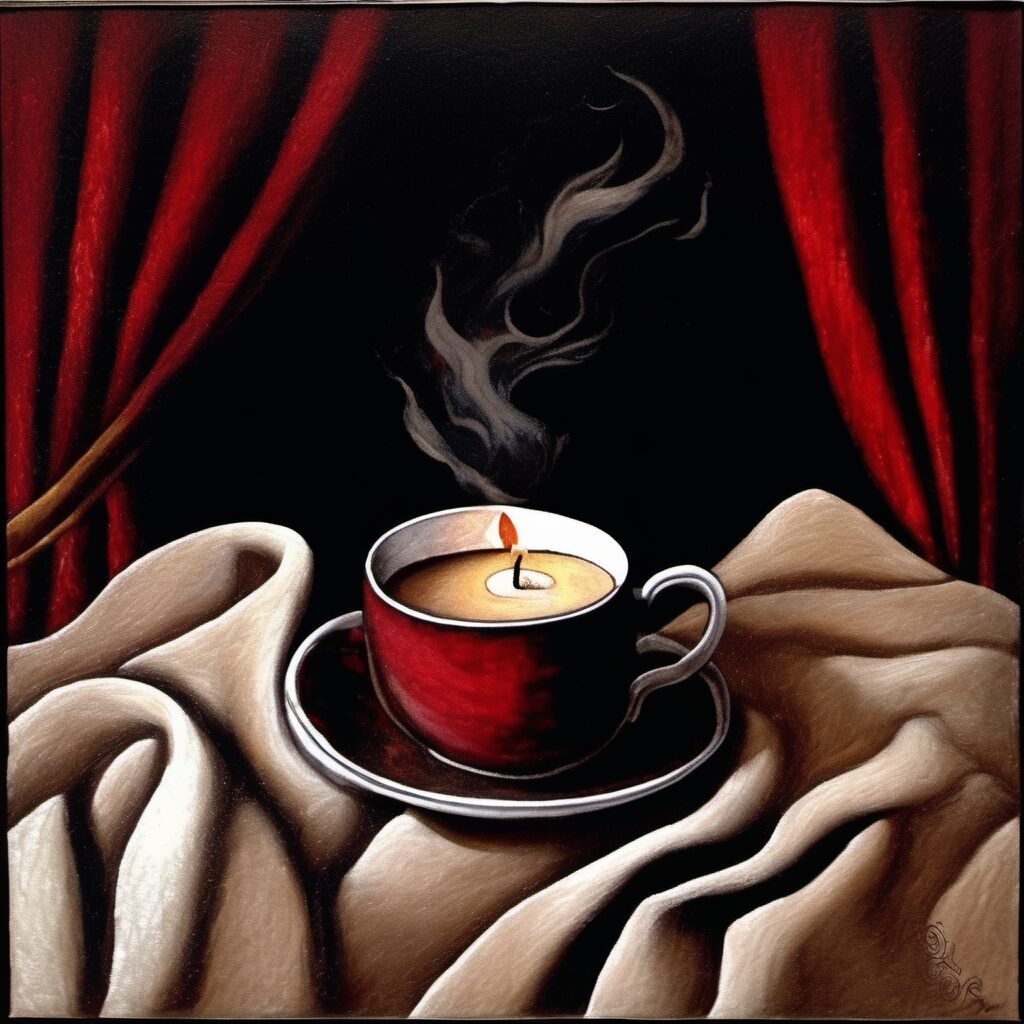
  • The Sacred Mundane – Finding the “divine” in your morning coffee.

    The Sacred Mundane – Finding the “divine” in your morning coffee.


    The Sacred Mundane – Finding the “divine” in your morning coffee

    The Sacred Mundane – Finding the “divine” in your morning coffee

    “In the sacred mundane, we find a whisper of the divine within the ordinary.” – Unknown

    • Brewing the beverage: A simple act, a prayer perhaps. The water heated to the perfect temperature, the coffee grounds releasing their essence. Each movement is deliberate, mindful, connecting us to the earth and her bounty.
    • Pouring the liquid: A silent offering, a symbolic gesture of our thirst for connection. The steam rises like incense, carrying our intentions skyward. In this moment, we are attuned to something greater than ourselves.
    • Savoring the taste: A meditation on flavor and texture, a moment of sensory delight. Each sip invites us to pause, to be present, to appreciate the simple beauty of existence.

    “Every morning we wake to find ourselves on earth, let us rejoice in this fact.” – Emily Dickinson

    In finding the divine in our morning coffee, we are reminded of the sacred within the everyday. We are challenged to see the world through a lyrical and mystic lens, to appreciate the beauty that lies hidden in plain sight. May your mornings be filled with joy, reverence, and the sweet aroma of freshly brewed coffee.

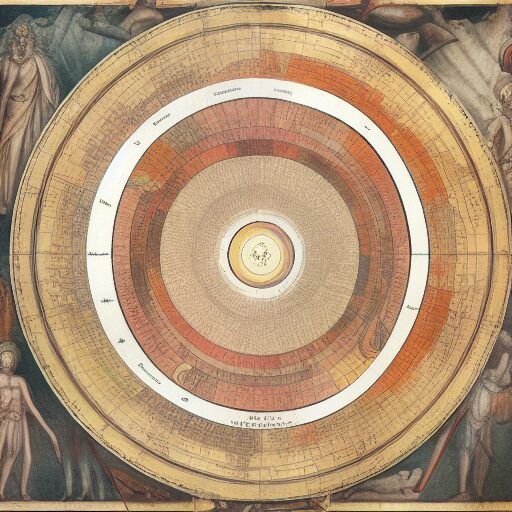
  • Dante’s Map – Visualizing the architecture of the afterlife.

    Dante’s Map – Visualizing the architecture of the afterlife.

    Dante’s Map – Visualizing the Architecture of the Afterlife

    According to medieval Christian cosmology, the afterlife is divided into nine circles, each representing a different level of punishment or reward for the souls that inhabit them. In his epic poem The Divine Comedy, Dante Alighieri provides a detailed map of this spiritual landscape, known as the Inferno.

    • The Journey Begins: The story of The Divine Comedy begins with Dante’s journey through the nine circles of Hell, guided by the Roman poet Virgil. As they descend into the underworld, they encounter various sinners and damned souls, each punished according to their specific transgressions.
    • The Circle of Lust: The first circle of Hell is dedicated to those who were consumed by lust in life. This circle is characterized by a lack of remorse and a focus on physical pleasure.
    • The River Styx: As Dante and Virgil journey deeper into the underworld, they come across the River Styx, which separates the living from the dead. The ferryman Charon greets them, demanding payment in exchange for crossing the river.
    • The Circle of Gluttony: In the second circle of Hell, Dante and Virgil encounter those who were guilty of gluttony in life. These souls are trapped in a state of eternal hunger, forced to eat the bitter fruit of their own mistakes.

    “The love that moves the sun and the other stars” – this famous line from The Divine Comedy highlights Dante’s vision of the afterlife as a place where souls are punished or rewarded based on their earthly deeds. The poem provides a detailed account of the architecture of Hell, complete with vivid descriptions of its various circles and punishments.

    “Abandon all hope, ye who enter here” – this iconic inscription above the gates of Hell is a warning to those who dare to venture into the underworld. As Dante’s journey demonstrates, the afterlife is a place where sinners are punished, but also a place of redemption for those who have lived virtuous lives.

    Today, The Divine Comedy remains a beloved and influential work of literature, offering insights into the human condition and our understanding of the afterlife. Whether you’re a scholar or simply a fan of classical literature, Dante’s map of Hell is an essential reading experience.

    Learn More:

    • The Divine Comedy: A free online version of the poem can be accessed through the Project Gutenberg.
    • Dante’s Italy: Explore the Italian cityscapes that inspired Dante’s journey through Italy.com.
    • The Afterlife in Literature: Discover more works of literature that explore the afterlife and its various interpretations at LiteraryDevices.net.

    This article was inspired by the works of Dante Alighieri and is intended to provide a general overview of his poem, The Divine Comedy. The author acknowledges the complexities and nuances of Dante’s work and encourages readers to explore further for a deeper understanding.

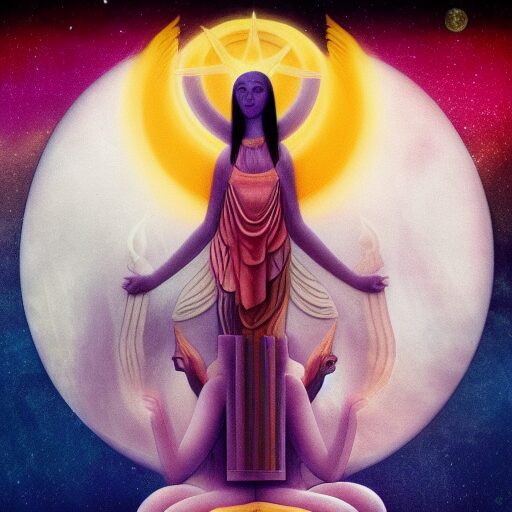
  • The Divine Feminine Rising – From Inanna to Artemis and beyond.

    The Divine Feminine Rising – From Inanna to Artemis and beyond.

    The Divine Feminine Rising – From Inanna to Artemis and beyond

    The concept of the divine feminine is an ancient and universal one, with roots in many cultures and societies around the world. It refers to the symbolic representation of femininity as a sacred and powerful force that underlies all existence. This article will explore the rise of the divine feminine from its earliest recorded manifestations in Mesopotamian mythology to its modern-day reemergence.

    Inanna’s Descent

    In ancient Sumerian mythology, Inanna was the queen of heaven and earth, worshipped as a powerful goddess of love, war, and fertility. Her mythological story is one of empowerment and transformation. According to legend, Inanna descended into the underworld, ruled by her sister Ereshkigal, in order to reclaim her husband Dumuzi’s corpse. This journey represents Inanna’s desire for knowledge, power, and self-discovery.

    Artemis’ Hunt

    In Greek mythology, Artemis was the goddess of the hunt, wilderness, and childbirth. She is often depicted as a maiden with a bow and arrows, embodying the qualities of independence, strength, and protection. As the twin sister of Apollo, she represents the dualities of life: light and dark, masculine and feminine.

    The Triple Goddess

    The concept of the triple goddess, also known as the triple-faced goddess, is rooted in ancient European paganism. This mythological figure represents the three aspects of femininity: maiden (youth), mother (nurturing), and crone (wisdom). The triple goddess embodies the cycles of life, death, and rebirth.

    Modern-Day Revival

    In recent years, there has been a growing interest in reviving the divine feminine through various forms of spirituality and activism. This movement is often associated with feminist and ecological concerns, emphasizing the importance of nurturing and protecting the natural world.

    “The Divine Feminine is not just about women; it’s about the feminine principle that underlies all existence.” – Gloria Steinem

    Contemporary Practices

    In today’s globalized society, there are many ways to connect with the divine feminine. These include:

    • Wicca and witchcraft**: A modern pagan religion emphasizing the cyclical nature of life and the power of femininity.
    • Feminist spirituality**: An approach that recognizes the interconnectedness of all beings, particularly women, and emphasizes self-care and empowerment.
    • Ecofeminism**: A movement that highlights the connection between the oppression of women and the degradation of the natural world.

    Conclusion

    The divine feminine is a timeless and universal concept that has been present throughout human history. Its revival in modern times serves as a reminder of our interconnectedness with nature and each other. By exploring the myths and symbolism associated with this phenomenon, we can gain a deeper understanding of ourselves and our place within the world.

    Read more about the divine feminine

  • Blood and Nectar – The biological roots of divine food and drink.

    Blood and Nectar – The biological roots of divine food and drink.

    Blood and Nectar – The Biological Roots of Divine Food and Drink

    In many cultures, certain foods and drinks are considered divine or sacred, imbued with mystical powers that nourish both body and soul. Two examples of such substances are blood and nectar, which have been revered across various mythologies as symbols of life, vitality, and spiritual sustenance.

    • Blood: The Primal Nourisher
      • In many ancient cultures, blood was seen as the source of life and vitality. For example, in Greek mythology, ambrosia – a divine food that granted immortality – was often associated with the blood of the gods.
      • “Blood is the source of all life,” says mythologist J.G. Frazer in his book “The Golden Bough”. This idea is echoed in the ancient Mesopotamian Epic of Gilgamesh, where the gods are said to have created humans from blood and clay.
    • Nectar: The Elixir of Life
      • In Hindu mythology, nectar (amrita) is the drink that grants immortality. According to the Rigveda, nectar was created by the gods and served as a source of vitality and strength.
      • “The ambrosia which the gods eat and drink… is the nectar that comes from the gods,” writes mythologist Karl Kerenyi in his book “Eleusis: Archetypal Image of the Mother”. This idea is also reflected in Greek mythology, where ambrosia was often depicted as a sweet, honey-like substance.
    • The Biology of Blood and Nectar
      • From a biological perspective, blood can be seen as the ultimate source of life. It contains the oxygen and nutrients necessary for cellular respiration, as well as essential hormones and growth factors.
      • Nectar, on the other hand, is often linked to the idea of honey – a sweet, viscous liquid produced by bees from the nectar of flowers. Honey has been prized throughout history for its antibacterial properties and nutritional value.
    • The Psychological Significance
      • The symbolic meanings attached to blood and nectar can be seen as a reflection of humanity’s deep-seated desire for life, vitality, and spiritual sustenance. These substances represent the fundamental forces that drive human existence.
      • “The symbolism of blood is rich in psychological significance,” writes mythologist Marie-Louise von Franz in her book “The Golden Game”. This idea is echoed in the work of psychoanalyst Carl Jung, who saw the symbolic language of mythology as a reflection of the collective unconscious.

      “Myths are public dreams, and dreams are private myths.” – Joseph Campbell

  • The Deconstructed Deity: Modern Interpretations of Divine Figures

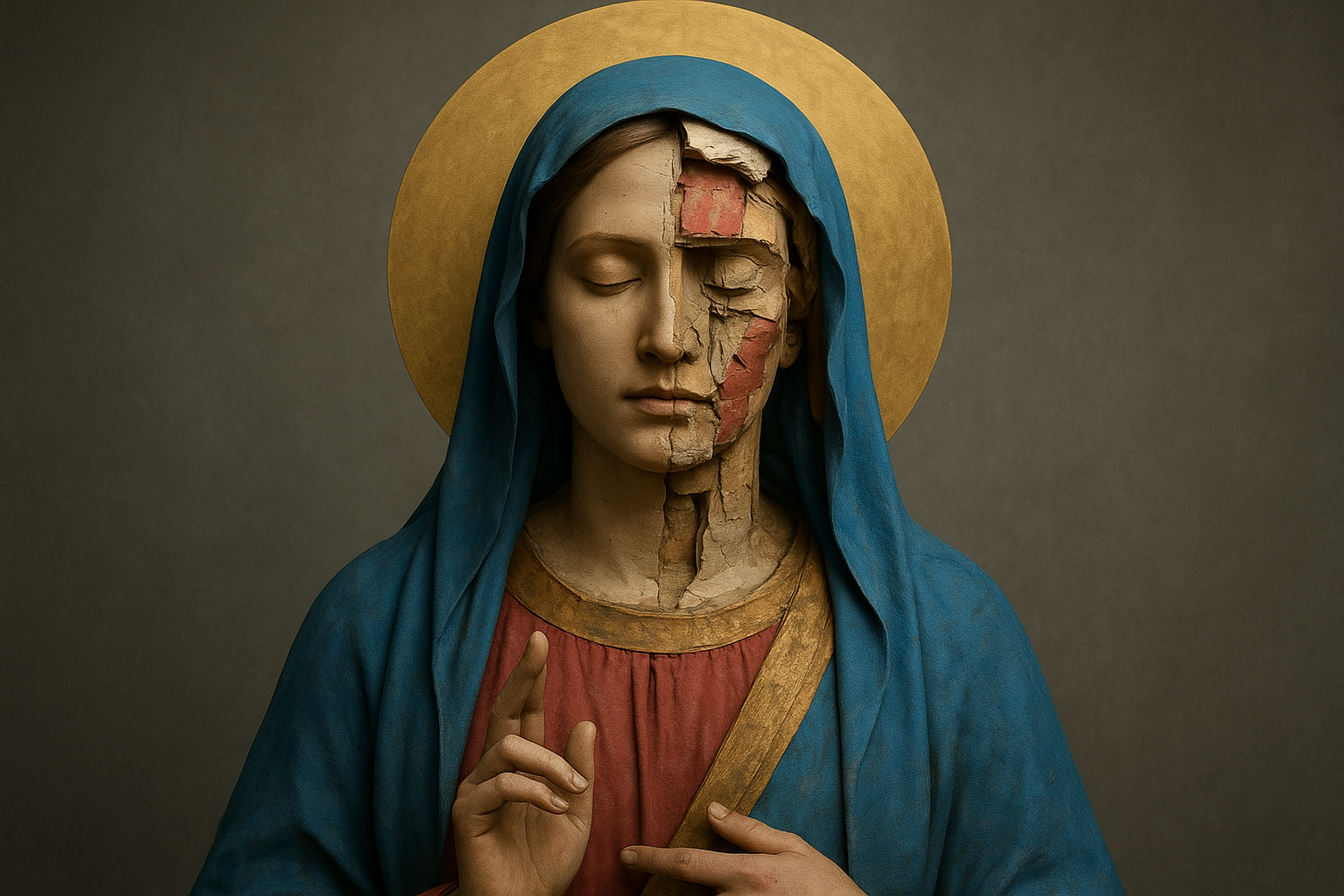
    The Deconstructed Deity: Modern Interpretations of Divine Figures

    The Deconstructed Deity: Modern Interpretations of Divine Figures

    The Deconstructed Deity: Modern Interpretations of Divine Figures

    Throughout history, the concept of divine figures has been central to cultures and religions worldwide. From Zeus and Odin to Jesus and Vishnu, these figures have shaped moral values, social structures, and even political systems. However, as society evolves, so do interpretations of these divine beings. In an increasingly secular and pluralistic world, traditional views on divinity are being re-examined, reimagined, and sometimes completely deconstructed.

    The Deconstruction Movement

    The deconstruction of deity concepts in modern times often stems from philosophical, sociological, and literary critiques. Influential philosophers such as Friedrich Nietzsche challenged the traditional narratives. Nietzsche’s famous declaration, “God is dead,” was a reflection on the diminishing power of religious structures in the age of enlightenment and scientific understanding.

    “God is dead. God remains dead. And we have killed him. Yet his shadow still looms.” — Friedrich Nietzsche

    Modern Literature and Film

    In literature and film, divine deconstruction has led to new storytelling paradigms. Authors such as Neil Gaiman have explored these themes deeply. In his novel American Gods, Gaiman presents a world where old gods struggle to survive in a modern world that venerates new ‘gods’ of media, technology, and consumerism.

    Similarly, films like The Matrix and Life of Pi explore religious symbolism and question the nature of reality and belief. These reinterpretations challenge viewers to reconsider the roles that divine figures play in modern society.

    The Rise of Humanism

    With the rise of humanism and secular philosophy, there is a growing trend of interpreting religious texts and divine entities through a metaphorical or allegorical lens. Humanism, which emphasizes human values and the potential to progress through reason and ethics, often encourages a view of divinity that focuses more on symbolic rather than literal interpretations.

    For instance, many modern theologians consider biblical stories as moral lessons rather than historical accounts. This shift allows for flexibility in interpretation and application of religious teachings, aligning them more closely with contemporary values.

    Multicultural Integration and Syncretism

    As global populations blend, so do their religious beliefs. The concept of syncretism, where elements of different religions are combined, highlights how divine figures are continually being reinterpreted. In regions of Africa and Latin America, for example, indigenous religious practices often intertwine with Christianity, creating unique interpretations of divinity.

    This cultural amalgamation leads to a richer tapestry of belief systems where divine figures are not bound by a single tradition but are instead viewed in a broader, more inclusive context.

    The Role of Technology

    The internet and social media have become platforms for religious discourse and debate, providing spaces for traditional and modern interpretations to coexist and compete. Online platforms allow for the discussion and dissemination of diverse perspectives on divinity, making the conversation more dynamic than ever before.

    • Virtual communities offer alternative religious experiences.
    • Influencers and digital creators reinterpret religious content for contemporary audiences.
    • Websites and forums provide platforms for theological debate and exploration.

    Conclusion

    As humanity progresses, so will its interpretation of the divine. Whether through philosophical exploration, artistic expression, or cultural integration, modern interpretations of divine figures continue to evolve. These interpretations are not simply deconstructions but are also opportunities to construct new meanings and understandings of the divine.

    The journey from ancient gods to modern interpretations is ongoing, with each generation redefining divinity in ways that resonate with their experiences, challenges, and aspirations. Indeed, the evolving narrative of divine figures is a testament to the ever-changing landscape of human belief and the unyielding quest for understanding.