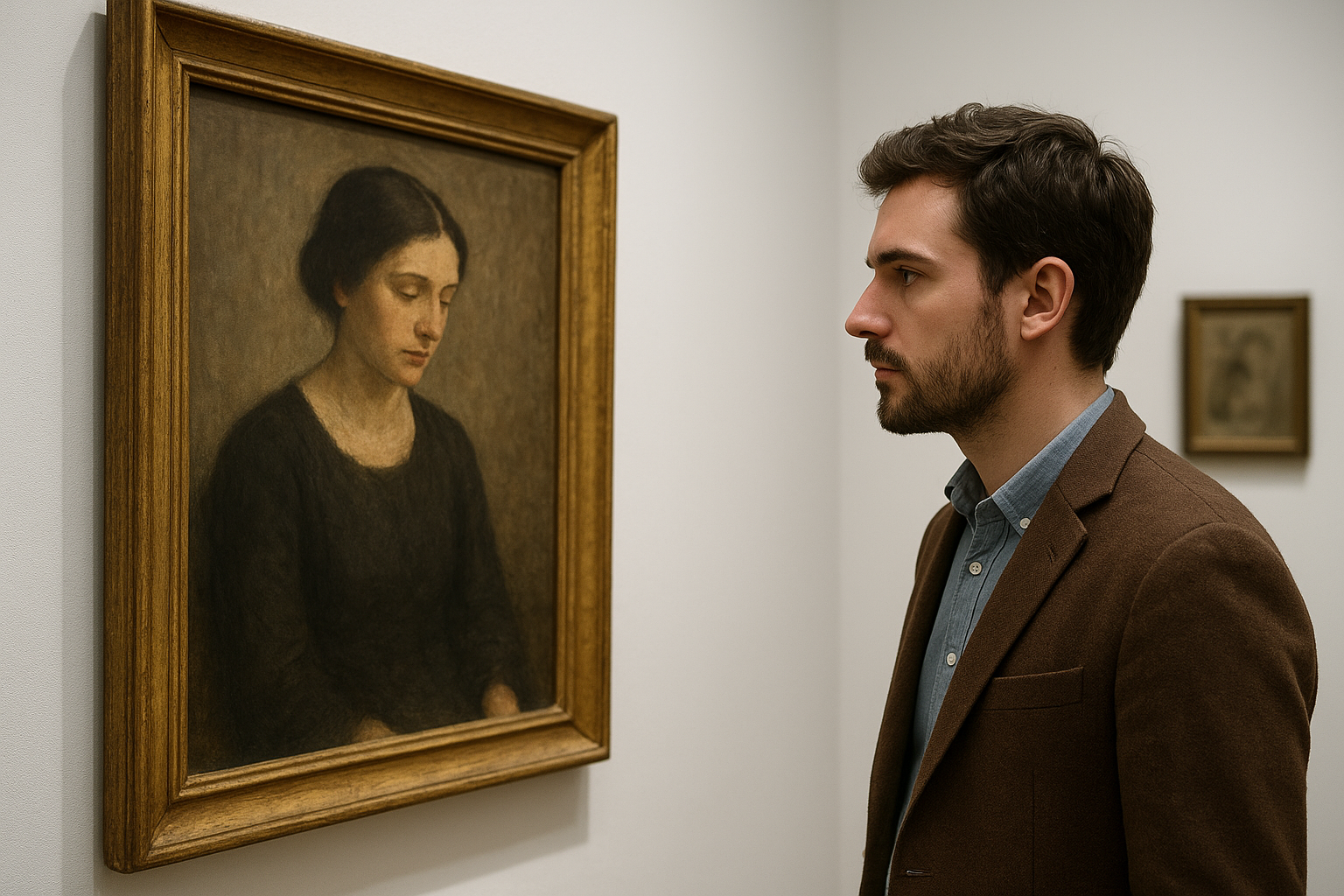
The enduring connection between viewer and art is a silent conversation, a dialogue without words that transcends time and space. This relationship is not merely an emotional journey but a transformative experience that offers profound insights into the human condition. As Vincent van Gogh aptly stated, “I am seeking, I am striving, I am in it with all my heart.” This sentiment encapsulates the immersive experience that art invites a viewer into—a search for meaning, beauty, and truth.
The Historical Context
Since the dawn of civilization, art has been a medium for expressing human experiences and emotions. From the cave paintings of Lascaux to the grandeur of the Renaissance, art has served both as personal reflection and societal commentary. Each piece, a mirror, reflects the time and culture from which it springs, yet it also reaches forward to speak to future generations. The Metropolitan Museum of Art describes this journey through history as a continuous narrative that connects humanity.
The Viewer’s Role
A viewer stands before a piece of art not as a passive observer but as an active participant. In the words of Marcel Duchamp, “The viewer completes the work of art.” This interaction brings art to life and breathes meaning into its form. The viewer’s perceptions, emotions, and experiences meld with the artist’s intentions, creating a unique interpretation.
- Emotional Response: The initial impact of a piece of art often triggers an emotional reaction. This can range from joy, sadness, or tranquility to confusion or even discomfort, each valid and reflective of the viewer’s personal narrative.
- Analytical Engagement: Beyond emotional response, viewers often engage with art on an intellectual level, seeking to understand the techniques, mediums, and historical context employed by the artist.
- Reflective Interaction: Finally, art often prompts introspection, allowing viewers to reflect on their own lives and the broader human experience.
The Artist’s Intention vs. Viewer Interpretation
The relationship between artist intent and viewer interpretation is complex and often varies widely. While artists may imbue their work with specific meanings or messages, these are not always directly transferrable to viewers. This discrepancy opens the door for personal interpretations that can be as diverse as the viewers themselves.
“What is art but a way of seeing?” – Saul Bellow
This quote from Saul Bellow encapsulates the subjective nature of art appreciation. As the viewer engages with the piece, they apply their own framework of understanding, informed by their life experiences and cultural background.
Case Study: The Silent Conversation in Modern Art
Modern art often exemplifies the silent conversation between viewer and art through its break from traditional forms and narratives. Artists like Jackson Pollock and Mark Rothko create pieces that defy conventional interpretation, demanding viewer engagement for meaning to emerge.
- Jackson Pollock: Known for his technique of drip painting, Pollock’s work invites viewers to step into a realm of chaos and creation. The seemingly random patterns force an active engagement, asking audiences to find order or narrative within the chaos.
- Mark Rothko: Rothko’s expansive color fields are less about depiction and more about eliciting emotional states. Viewers often find themselves enveloped in the contemplative silence of his paintings, encouraging a personal dialogue with the work.
The Silent Conversation in Different Art Forms
While paintings and sculptures offer palpable interactions, other art forms such as music, theater, and digital art also engage viewers in unique conversations.
- Music: Like visual art, music facilitates a deep emotional and psychological engagement. Tracks and symphonies narrate stories without words, allowing listeners to conjure images and feelings in response to rhythms and melodies.
- Theater: This live art form creates an immediate dialogue between performers and audience, with each performance adding new dimensions to the storyline, colored by audience interaction.
- Digital Art: In our digital era, new art forms challenge traditional viewer perceptions. Interactive and virtual reality art installations invite viewers to become part of the artwork, actively shaping their experiences.
Conclusion
Whether confronting the haunting eyes of Frida Kahlo’s self-portraits or the serene landscapes of Claude Monet, viewers engage in a silent conversation with art—a dialogue that transcends generations. This relationship is dynamic, shaped by the ever-changing perspectives each viewer brings. Much like life itself, the conversation with art is ongoing and evolving, tapping into our innate human desire for expression and connection.
As we continue to engage with art, let us embrace Pablo Picasso’s insight: “Art washes away from the soul the dust of everyday life.” In this ever-changing dialogue, we find solace, challenge, and ultimately, a deeper understanding of ourselves and the world around us. Thus, the silent conversation continues, inviting us to explore, question, and reflect on the infinite canvases of human experience.
