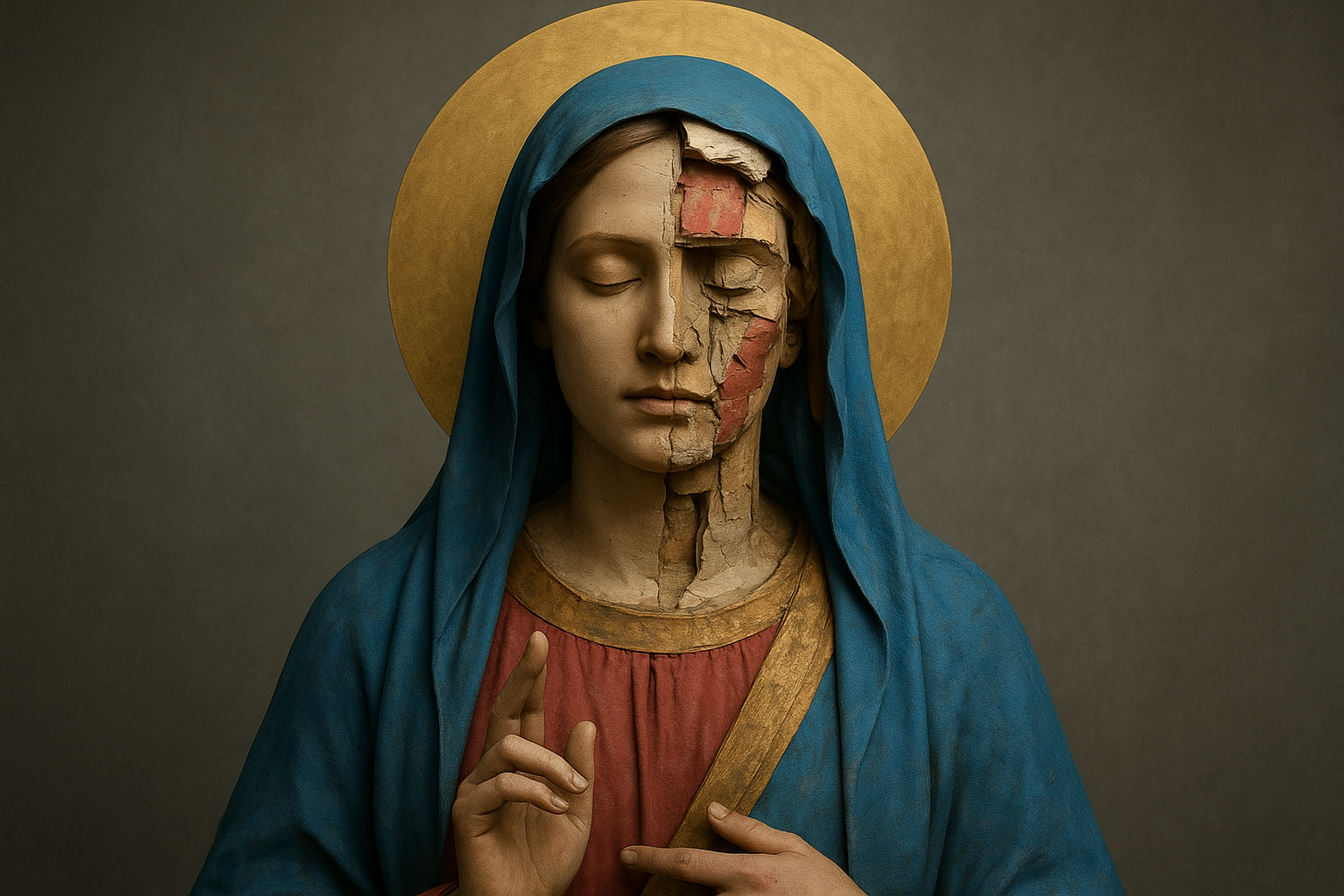
The Deconstructed Deity: Modern Interpretations of Divine Figures
Throughout history, the concept of divine figures has been central to cultures and religions worldwide. From Zeus and Odin to Jesus and Vishnu, these figures have shaped moral values, social structures, and even political systems. However, as society evolves, so do interpretations of these divine beings. In an increasingly secular and pluralistic world, traditional views on divinity are being re-examined, reimagined, and sometimes completely deconstructed.
The Deconstruction Movement
The deconstruction of deity concepts in modern times often stems from philosophical, sociological, and literary critiques. Influential philosophers such as Friedrich Nietzsche challenged the traditional narratives. Nietzsche’s famous declaration, “God is dead,” was a reflection on the diminishing power of religious structures in the age of enlightenment and scientific understanding.
“God is dead. God remains dead. And we have killed him. Yet his shadow still looms.” — Friedrich Nietzsche
Modern Literature and Film
In literature and film, divine deconstruction has led to new storytelling paradigms. Authors such as Neil Gaiman have explored these themes deeply. In his novel American Gods, Gaiman presents a world where old gods struggle to survive in a modern world that venerates new ‘gods’ of media, technology, and consumerism.
Similarly, films like The Matrix and Life of Pi explore religious symbolism and question the nature of reality and belief. These reinterpretations challenge viewers to reconsider the roles that divine figures play in modern society.
The Rise of Humanism
With the rise of humanism and secular philosophy, there is a growing trend of interpreting religious texts and divine entities through a metaphorical or allegorical lens. Humanism, which emphasizes human values and the potential to progress through reason and ethics, often encourages a view of divinity that focuses more on symbolic rather than literal interpretations.
For instance, many modern theologians consider biblical stories as moral lessons rather than historical accounts. This shift allows for flexibility in interpretation and application of religious teachings, aligning them more closely with contemporary values.
Multicultural Integration and Syncretism
As global populations blend, so do their religious beliefs. The concept of syncretism, where elements of different religions are combined, highlights how divine figures are continually being reinterpreted. In regions of Africa and Latin America, for example, indigenous religious practices often intertwine with Christianity, creating unique interpretations of divinity.
This cultural amalgamation leads to a richer tapestry of belief systems where divine figures are not bound by a single tradition but are instead viewed in a broader, more inclusive context.
The Role of Technology
The internet and social media have become platforms for religious discourse and debate, providing spaces for traditional and modern interpretations to coexist and compete. Online platforms allow for the discussion and dissemination of diverse perspectives on divinity, making the conversation more dynamic than ever before.
- Virtual communities offer alternative religious experiences.
- Influencers and digital creators reinterpret religious content for contemporary audiences.
- Websites and forums provide platforms for theological debate and exploration.
Conclusion
As humanity progresses, so will its interpretation of the divine. Whether through philosophical exploration, artistic expression, or cultural integration, modern interpretations of divine figures continue to evolve. These interpretations are not simply deconstructions but are also opportunities to construct new meanings and understandings of the divine.
The journey from ancient gods to modern interpretations is ongoing, with each generation redefining divinity in ways that resonate with their experiences, challenges, and aspirations. Indeed, the evolving narrative of divine figures is a testament to the ever-changing landscape of human belief and the unyielding quest for understanding.