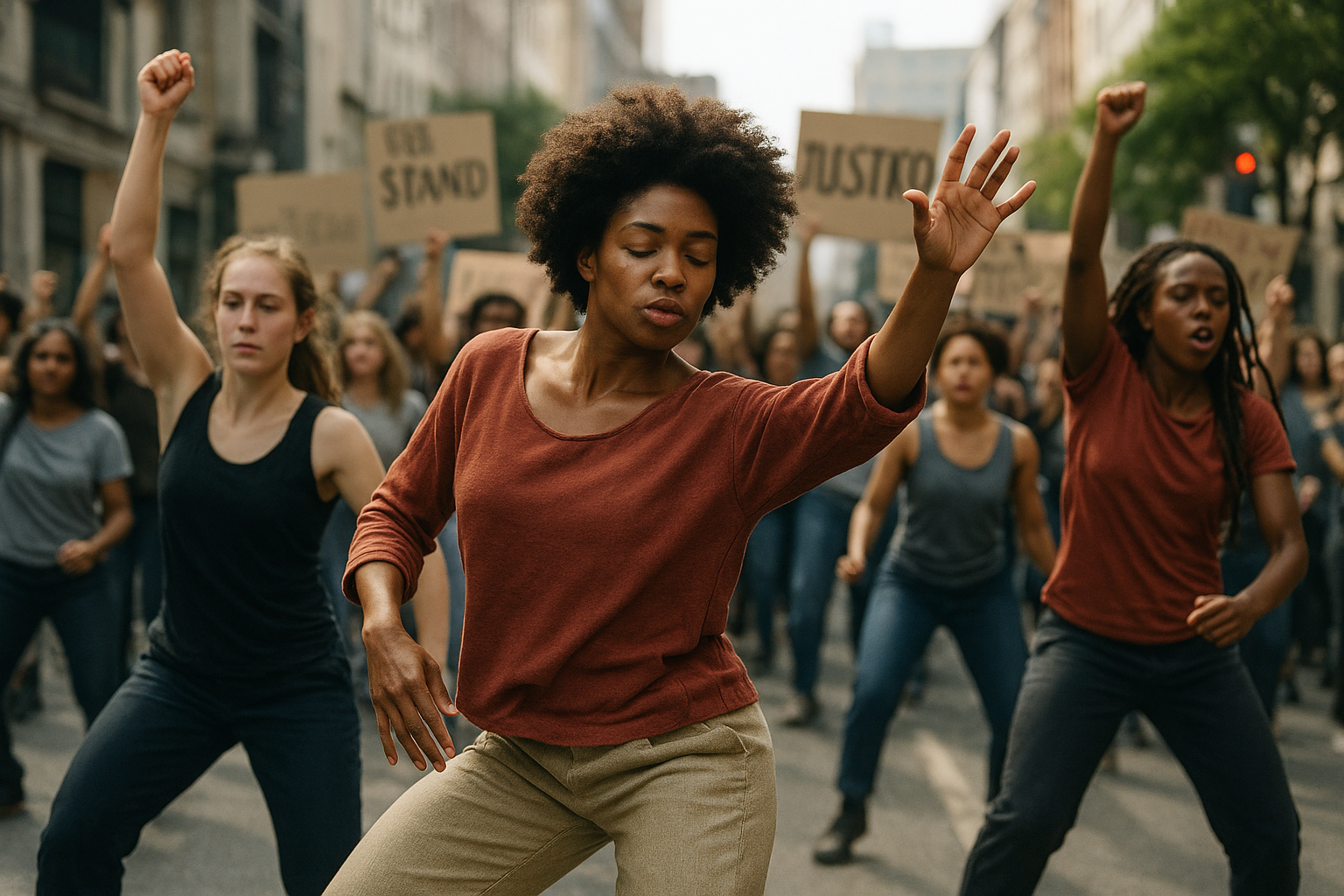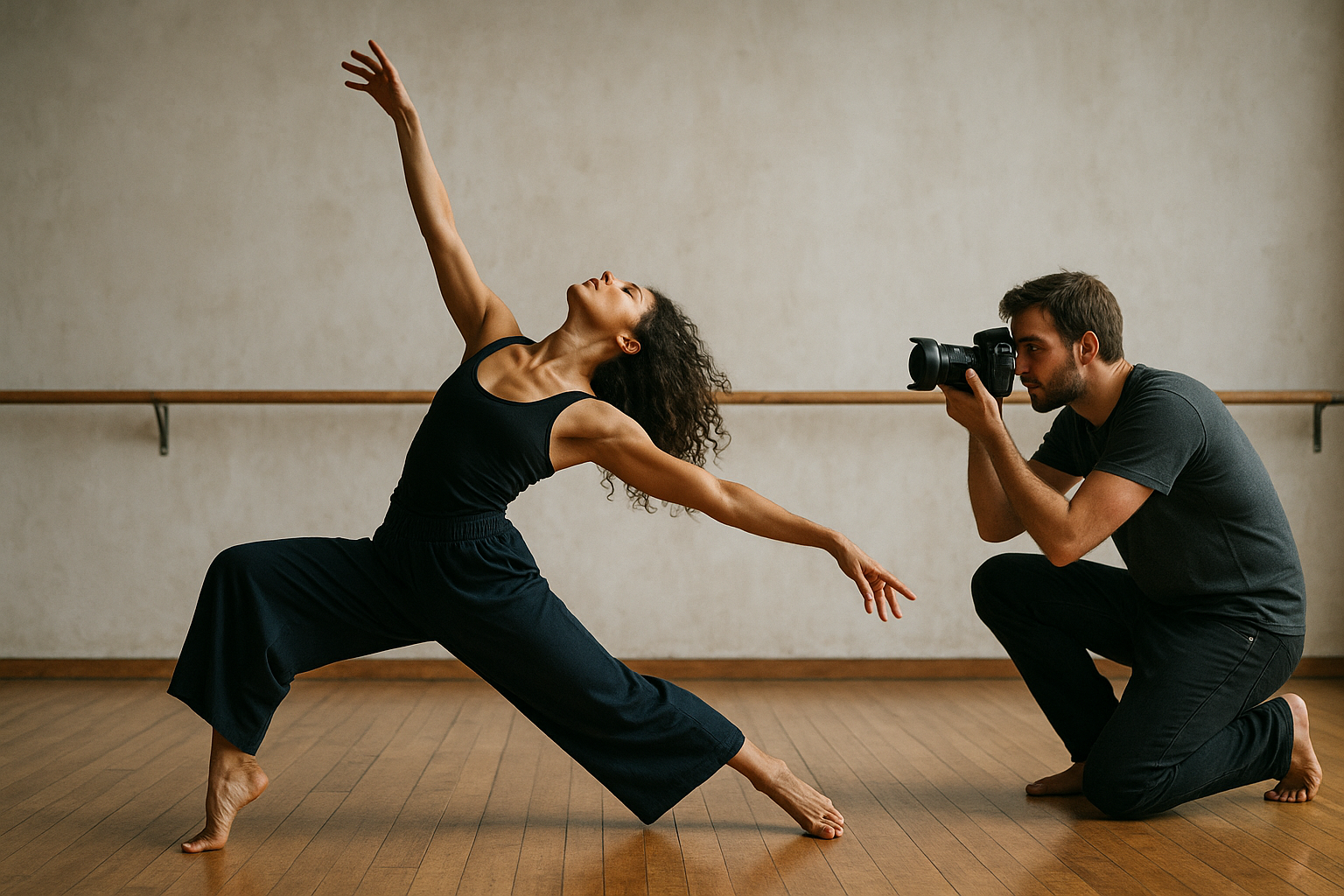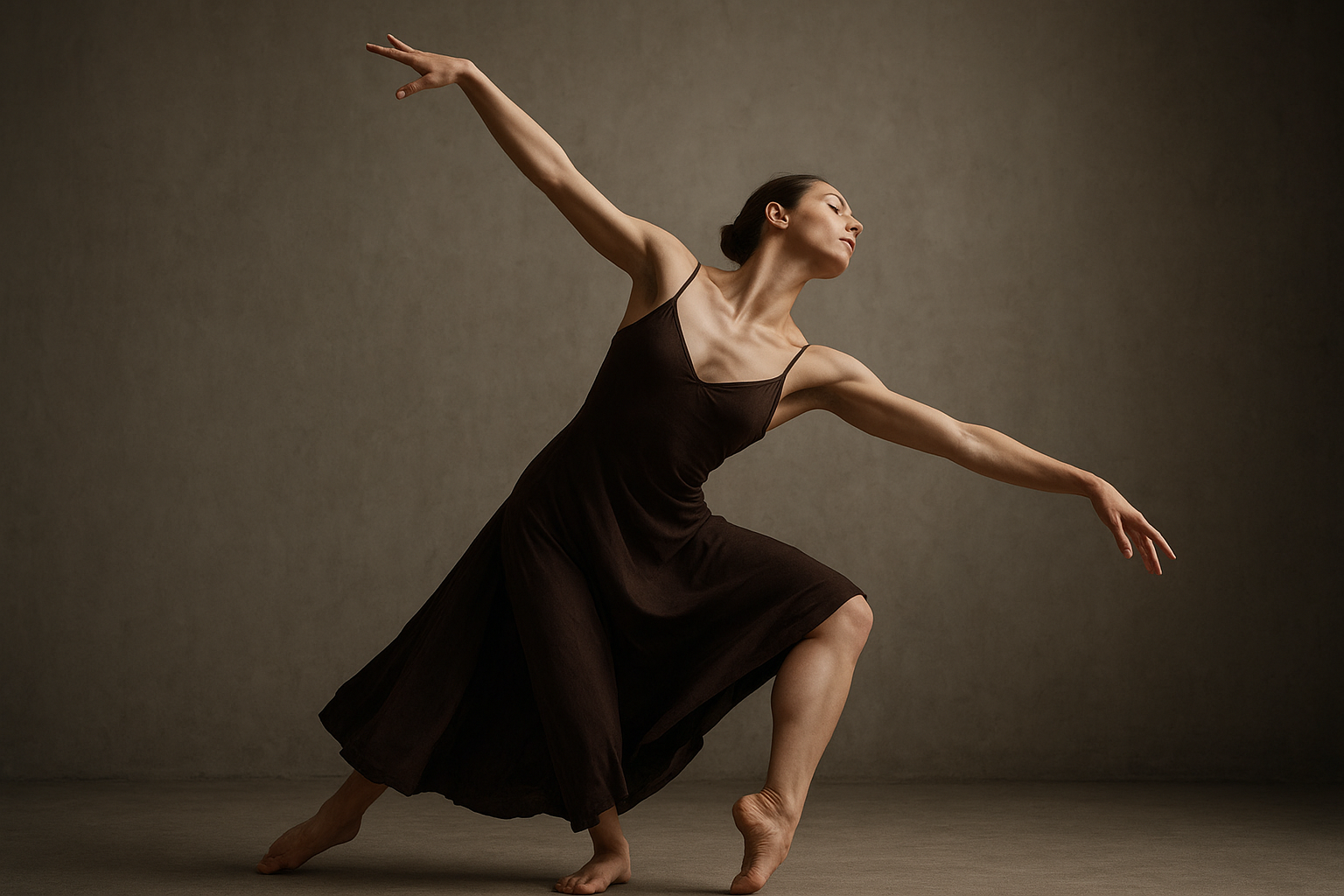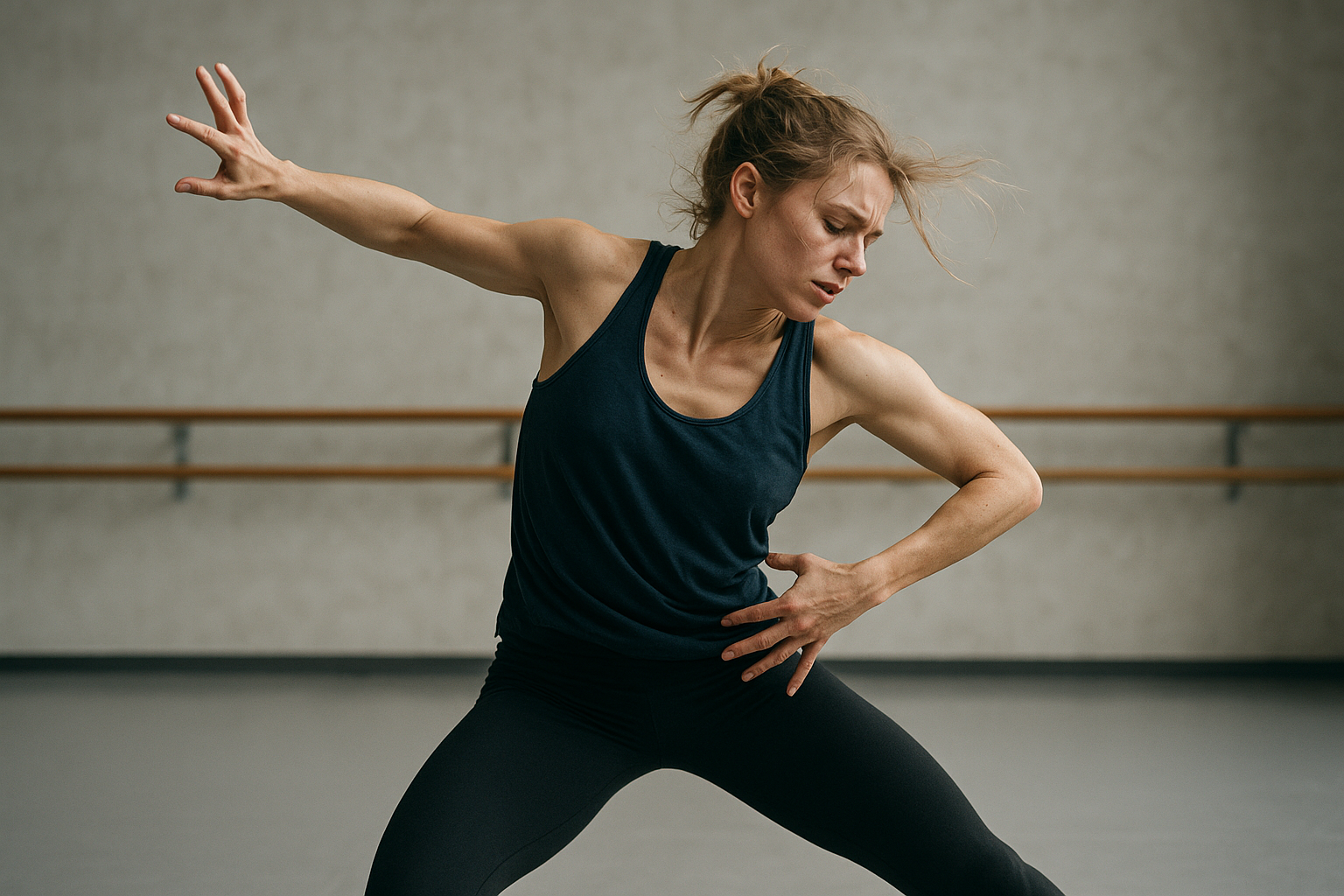
In the world of contemporary dance, the phrase “the unlearning body” evokes a process of deconstructing learned habits, norms, and biases, creating space for new expressions and innovative choreographies. This evolution is more than just a physical undertaking; it is, at its core, a psychological transformation that seeks to redefine movement and expression.
The Foundation of Habits in Dance
Habits, fundamentally, are unconscious patterns that dictate our actions. In dance, these are often formed over years of training and practice. Renowned dancer and choreographer Merce Cunningham once noted, “You have to love dancing to stick to it. It gives you nothing back, no manuscripts to store away, no paintings to show on walls and maybe hang in museums, no poems to be printed and sold, nothing but that single fleeting moment when you feel alive.” (source). These habits create a sense of stability, providing a structured framework within which dancers operate.
The Psychology of Unlearning
The process of unlearning involves a paradigm shift, a dismantling of established patterns to enable growth and innovation. This transformational journey is underpinned by the cognitive flexibility to break down previously acquired motor patterns, and the strength to explore new ones.
Understanding Cognitive Flexibility
Cognitive flexibility is the mental ability to switch between thinking about two different concepts, and simultaneously to think about multiple concepts. In the context of contemporary dance, this manifests as a dancer’s ability to switch from traditional forms and movements to innovative and abstract concepts that defy classical norms.
“Cognitive flexibility can’t be developed without pushing the boundaries and stepping outside of traditional confines,” says Dr. Claire Adams, a psychologist specializing in performing arts. “Dancers need to deprogram their bodies repeatedly to allow for this evolution.”
The Role of Mindfulness
Mindfulness plays a vital role in the unlearning journey. Mindful practices encourage dancers to focus on the present moment, fostering an acute awareness of their body’s proprioception and kinesthetic potential. This awareness aids in identifying ingrained habits that need modification or removal.
Mindfulness is both a mental state and a practice. It is achieved through meditation, breathing exercises, and thoughtful observation of the self. Dancers who integrate mindfulness practices into their routines report significant improvements in their ability to embrace new movements and adapt to unconventional methods.
Innovative Movement Techniques
Contemporary dance is replete with techniques that emphasize fluidity, improvisation, and experimentation. These forms resist the rigidity of classical ballet or modern dance and encourage dancers to explore their physicality beyond established boundaries.
Contact Improvisation
One of the most groundbreaking techniques in contemporary dance is contact improvisation, where dancers engage in spontaneous, unchoreographed movements while maintaining physical contact. This technique, described as an “art-sport,” challenges traditional dance’s formalized structures, pushing dancers to rely on instincts rather than pre-learned patterns.
Gaga Movement Language
The Gaga movement, developed by Ohad Naharin, is another influential method focusing on listening to the body rather than setting rigid goals for movements. Gaga emphasizes internal exploration, encouraging dancers to tap into organic movement and emotional expression. It’s described as a “non-stop journey” where dancers discover the myriad potential within their bodies, often unearthing layers of movement that were buried under years of technical study.
According to Naharin, “Gaga is an ongoing process of research; you test your limits. You can sweat it out and yet dance in ecstasy.” (source)
The Impact of Cultural and Societal Factors
Today, unlearning in dance is also heavily influenced by cultural and social dynamics. The global exchange of ideas allows dancers from diverse backgrounds to mesh their traditional forms with contemporary styles, further dissolving the rigid boundaries that once defined dance genres.
Cross-Cultural Exchange
The fluidity and openness of contemporary dance have encouraged cross-cultural collaborations, enabling dancers to draw inspiration from a wide array of global influences. This cross-pollination of styles often necessitates discarding preconceived cultural notions of movement, allowing for a more inclusive dance language.
The unlearning process is not without resistance. For many who have dedicated years to mastering a particular style, approaching dance from a position of expansive flexibility can initially seem daunting. However, the rewards of such an endeavor are abundant, resulting in an enriched performance capacity and a broadened artistic perspective.
Decolonizing Dance
The movement to decolonize dance involves critically evaluating the traditional Western canon of dance education and performance, which often marginalizes non-Western perspectives and practices. Unlearning in this context means recognizing and valuing diverse cultural narratives and movement practices that have long been excluded from mainstream discourse.
The Future of the Unlearning Body
As contemporary dance continues to evolve, the concept of the unlearning body will likely expand and deepen. This evolution is not merely about abandoning the past but rather about building upon it, incorporating lessons learned through exploration and discovery.
By embracing unlearning, dancers are afforded a freedom and autonomy in their art that had previously been unimaginable. With each instinctive movement, they rewrite the narrative of what dance can be, proving that the unlearning body is, indeed, a vessel for endless creativity and new beginnings.
Ultimately, the unlearning body stands as both metaphor and praxis—a symbol of the boundless potential inherent in every dancer, and a methodological approach to dance that champions examination, experimentation, and expression.